Why Japanese People Wait at Empty Crosswalks: Understanding Pedestrian Crossing Etiquette in Japan
On this page
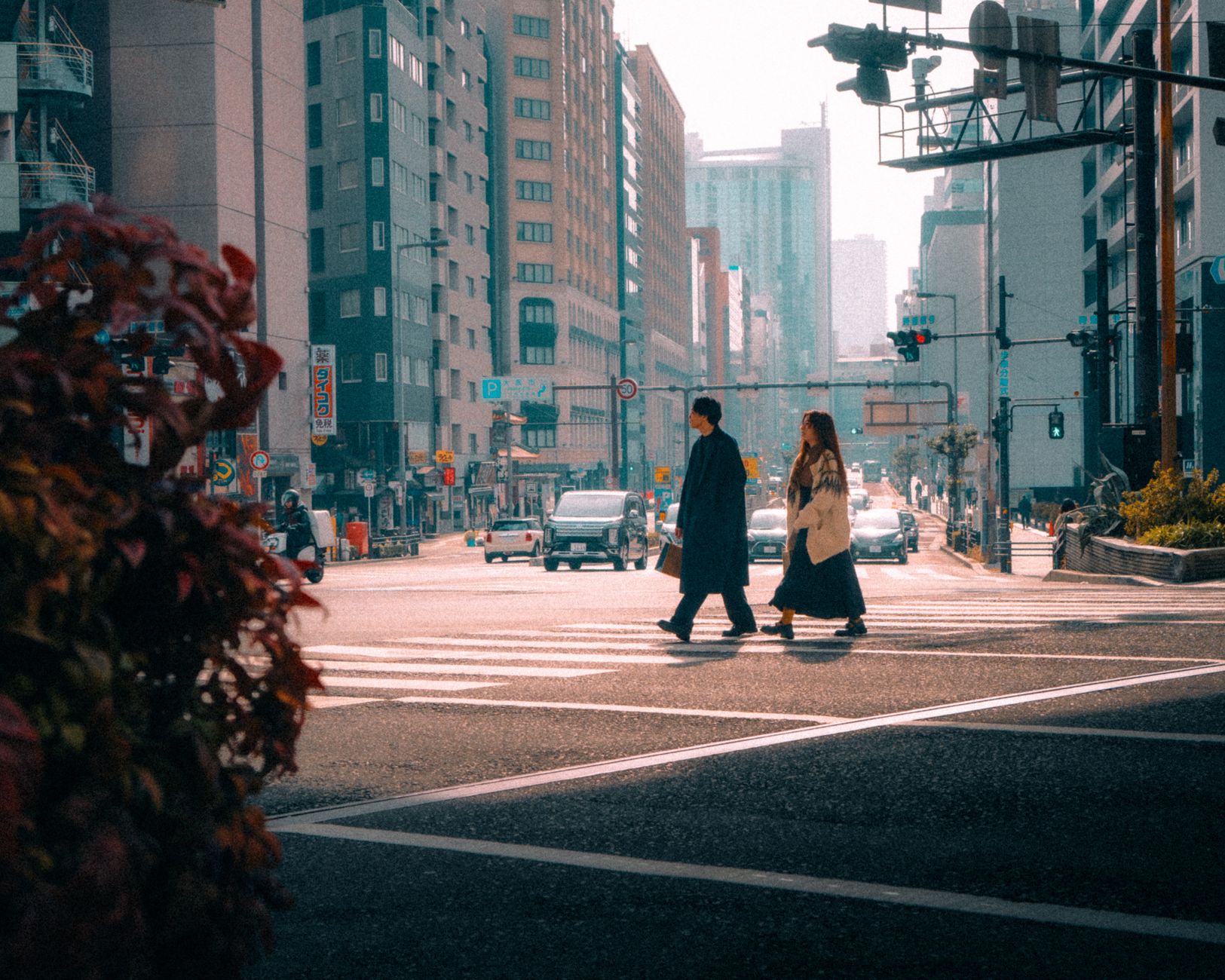
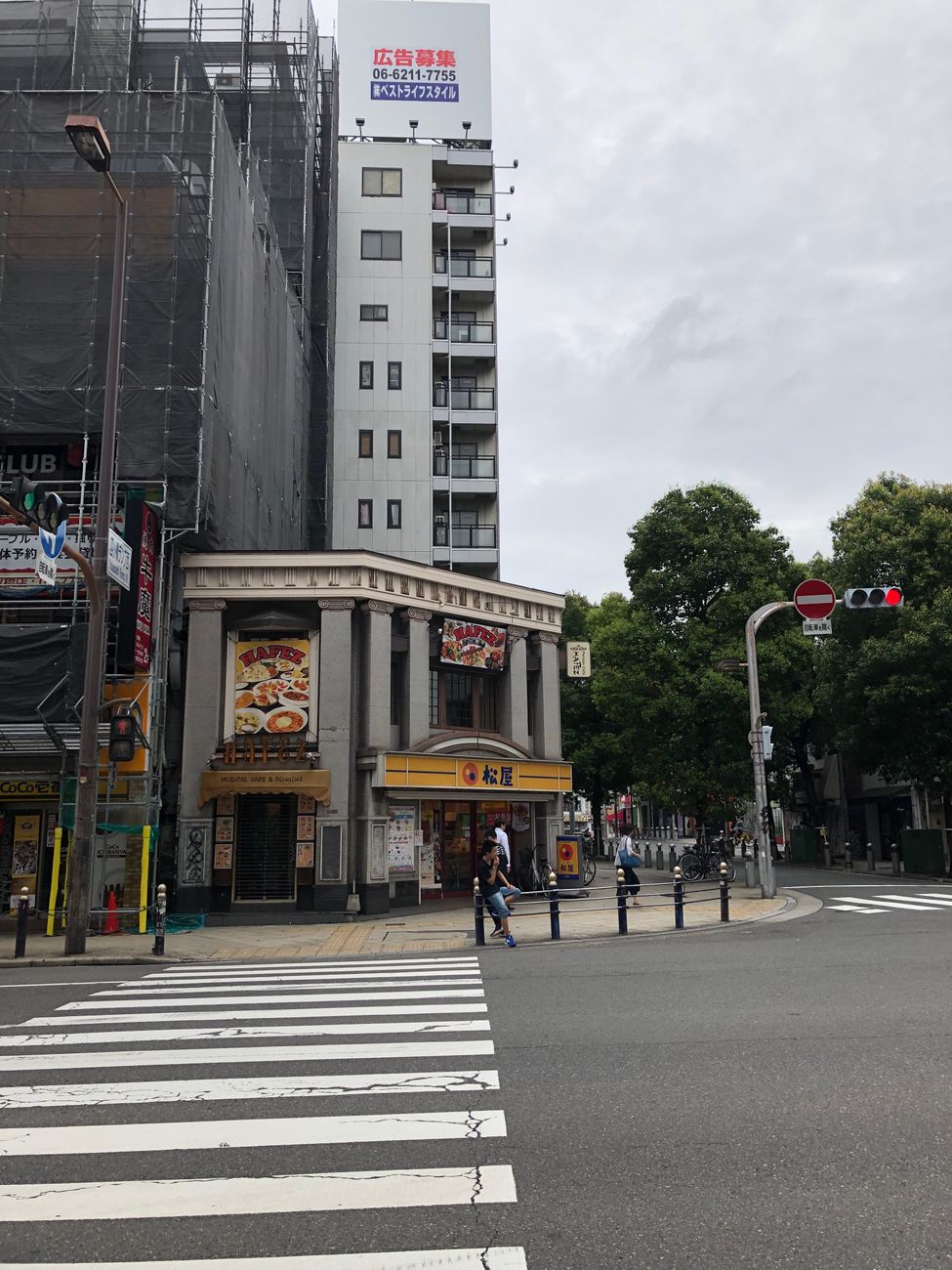
You're standing at a Tokyo crosswalk at 2 a.m. No cars in sight. The signal glows red. And a businessman in a pressed suit waits beside you, perfectly still.
The Invisible Audience
This isn't about traffic safety—at least, not entirely. When Japanese pedestrians wait at an empty intersection in the dead of night, they're participating in something much older than traffic lights. They're performing shakai no me, the "eyes of society," a cultural instinct that assumes you're always being watched. Not by cameras or police, but by the collective conscience of the community.
The person waiting isn't worried about getting hit. They're worried about what their behavior says about who they are.
The Weight of Example
There's a specific term for this: mohan wo shimesu, "showing an example." If a child is anywhere nearby—even across the street, even half a block away—adults feel a visceral responsibility not to model rule-breaking. It's not performative. It's reflexive.
This extends far beyond crosswalks. You'll see it in the way people sort their trash into eight different categories, return dropped wallets with cash intact, and form pristine queues that would make a geometry teacher weep. The assumption is that society only functions when everyone plays their small part, flawlessly, every time.
In Japan, the crossing button isn't a request—it's a ritual of participation.
Order as Aesthetic
But there's another layer. The Japanese aesthetic tradition prizes ma, the concept of negative space and proper intervals. Waiting at a red light—even an unnecessary one—creates a kind of social harmony, a rhythm where everyone moves together rather than in chaotic individual bursts. It's the same principle behind synchronized street crossing in Shibuya, where thousands move as one coordinated wave.
Breaking that rhythm, even when alone, feels like playing the wrong note in a silent concert hall.
The Cracks in the Pattern
Not everyone waits, of course. Late-night delivery cyclists sometimes dart through. Rebellious teenagers test boundaries. And in rural areas where community bonds run deeper but traffic runs lighter, you'll see more flexibility. The rule isn't absolute—it's a cultural default, strongest in urban centers where anonymity makes the performance of social responsibility even more important.
What surprises foreign visitors most isn't that people wait at empty crosswalks. It's that no one seems annoyed about it. There's no foot-tapping impatience, no exasperated sighs. The waiting itself becomes a small meditation, a moment of pause in a culture that has elevated patience from virtue to art form.
What the Red Light Really Means
When you stand at that empty Tokyo intersection, you're not just obeying traffic law. You're acknowledging that your actions ripple outward, that cutting corners—even invisible ones—frays the social fabric everyone depends on. It's the same mindset that makes Japanese trains run with 18-second average delays and strangers bow to empty elevators.
The red light isn't a command. It's an invitation to participate in the collective dream of a society where trust is the infrastructure and consideration is the currency.
Stand there long enough, and you might start to feel it too—that strange, quiet pride in doing the small thing right, even when no one's watching.
Especially when no one's watching.
FAQ
Chaware curates authentic Japanese crafts — straight from the makers in Japan to your table.
Explore the Chaware collection →