Why Japanese Shop Storefronts Greet You With 'Irasshaimase'
On this page
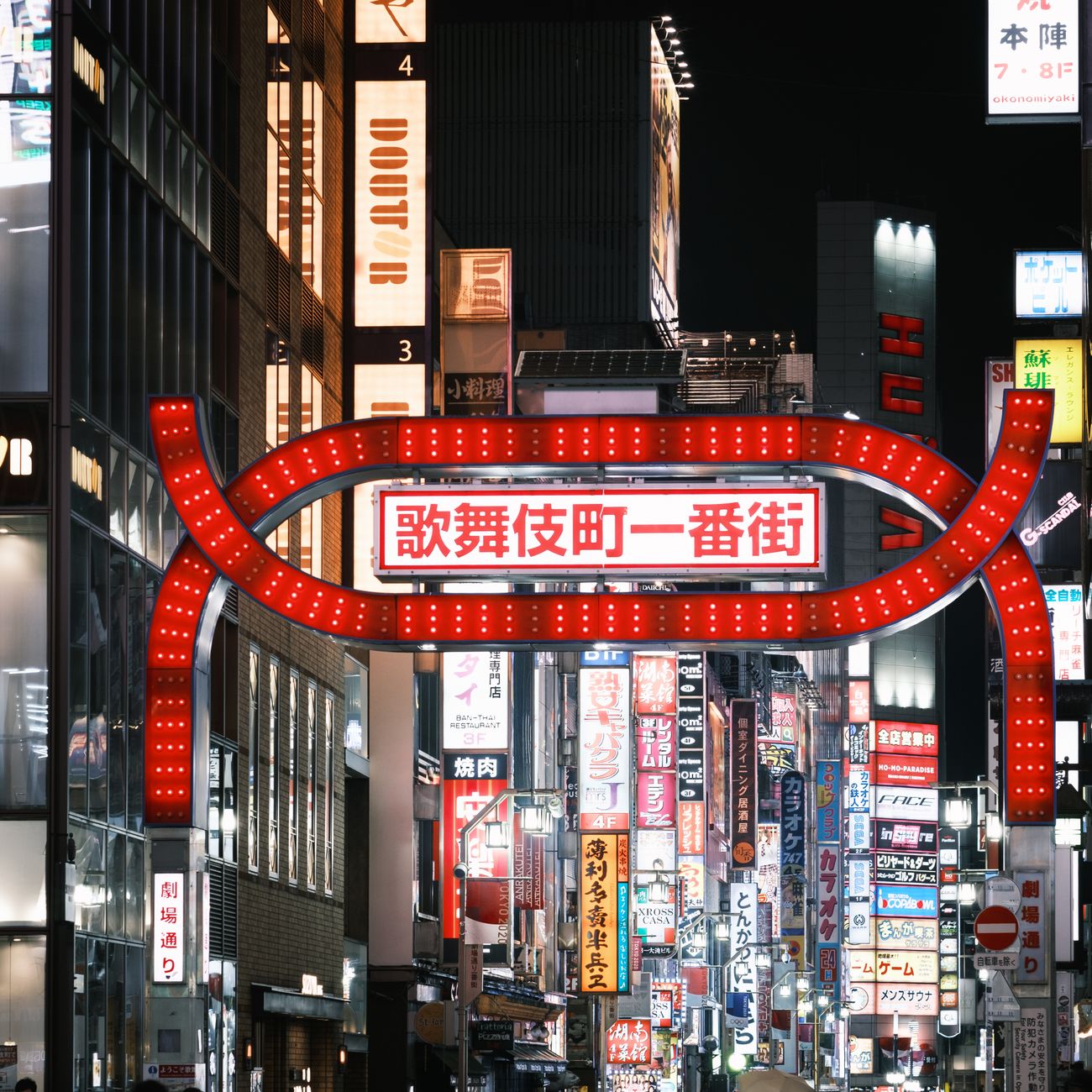
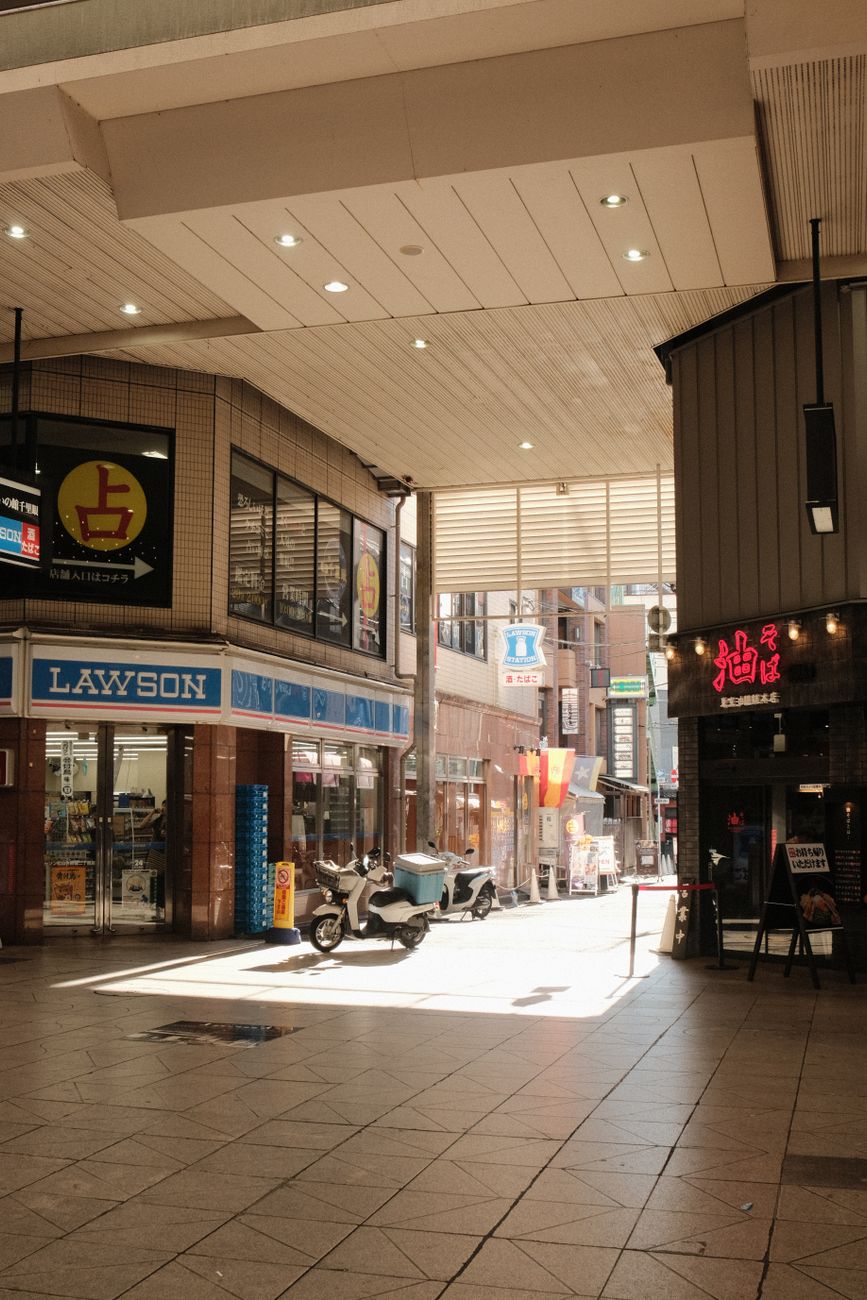
You step into a small shop in Kyoto, and before the door even closes behind you, a chorus hits you like a wave: "Irasshaimase!"
The greeting comes fast, loud, and from every direction—the cashier, the stock clerk, someone you can't even see in the back. If you've never experienced it before, it can feel startling, almost aggressive. But this isn't a sales tactic. It's something older, deeper, and far more Japanese than any customer service training manual could capture.
The word that means "you are welcome here"
Irasshaimase (いらっしゃいませ) is the honorific form of "to come" or "to be." Literally, it acknowledges your arrival. But translation flattens it. There's no possessive "my" shop, no transactional "can I help you." It's closer to: you have honored us by entering this space.
The phrase carries no expectation of response. You don't say it back. You don't even need to nod. It exists to mark a threshold—the moment you cross from public street into a space where someone is paying attention to your presence.
And that's the heart of it: being seen.
Why so loud, why so synchronized?
In many Western shops, silence is professionalism. Staff wait until you approach. Eye contact is an invitation to engage.
Japan flips the script.
The vocal energy of irasshaimase serves multiple purposes. It announces that staff are alert and ready. It reassures other customers that the space is actively attended. And crucially, it creates iki—a kind of spirited liveliness that signals a shop is thriving, not sleepy or indifferent.
The louder the irasshaimase, the more the shop wants you to feel its pulse.
In busy izakayas or ramen joints, the shout becomes almost rhythmic, a call-and-response among the team. One voice triggers the next. It's not about you individually anymore—it's about maintaining the collective energy of the room, a kind of acoustic hospitality that hums beneath everything else.
The etiquette of ignoring it (politely)
Here's the part that confuses newcomers: you're not supposed to react.
No "hello" back. No wave. Certainly no stopping in the doorway to acknowledge each person who shouted. The appropriate response is to continue moving naturally into the space, perhaps with the smallest nod if you make direct eye contact—but even that is optional.
This isn't coldness. It's respect for roles. The staff have performed their duty of acknowledgment. Your duty is to move through the space without disrupting the flow. Anything more creates awkwardness, a little social speed bump neither party wants.
Think of it like theater. They've delivered their line. You don't applaud mid-scene.
What it reveals about Japanese space
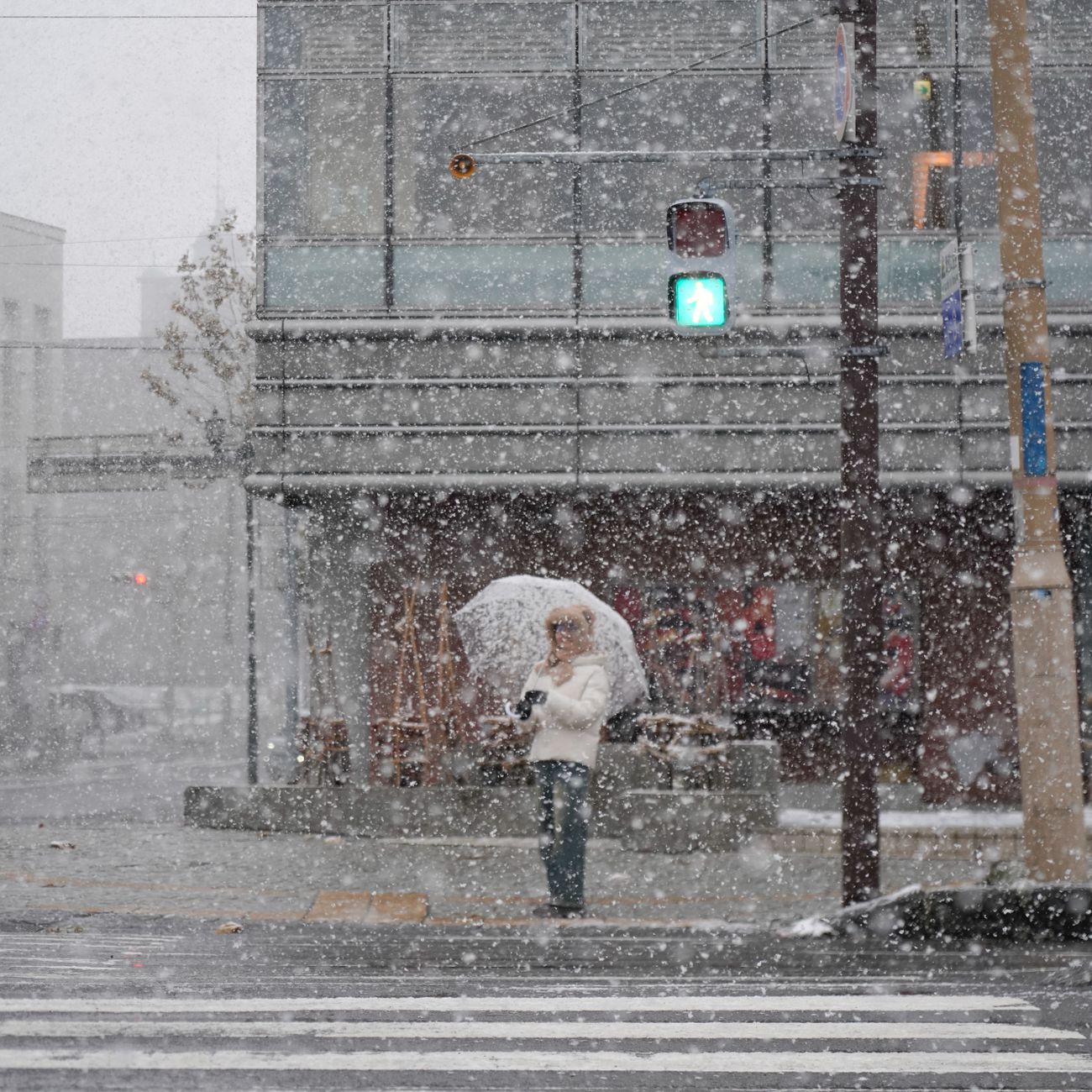
Irasshaimase is a border ritual. It marks the transition from soto (outside, public, anonymous) to uchi (inside, known, cared for). Even in a convenience store you'll never visit again, that threshold matters.
Japanese culture builds countless small ceremonies around transitions—removing shoes, bowing at temple gates, the way you enter a tea room. The welcoming shout is part of that same architecture. It doesn't ask anything of you except awareness: you are no longer outside. You are here. We see you.
And in a society that values harmony and attention to detail, being seen—without being intruded upon—is perhaps the highest form of hospitality.
The door closes behind you. The voices fade. You browse in peace, held in that strange, gentle paradox: alone, but attended.
FAQ
Chaware curates authentic Japanese crafts — straight from the makers in Japan to your table.
Explore the Chaware collection →