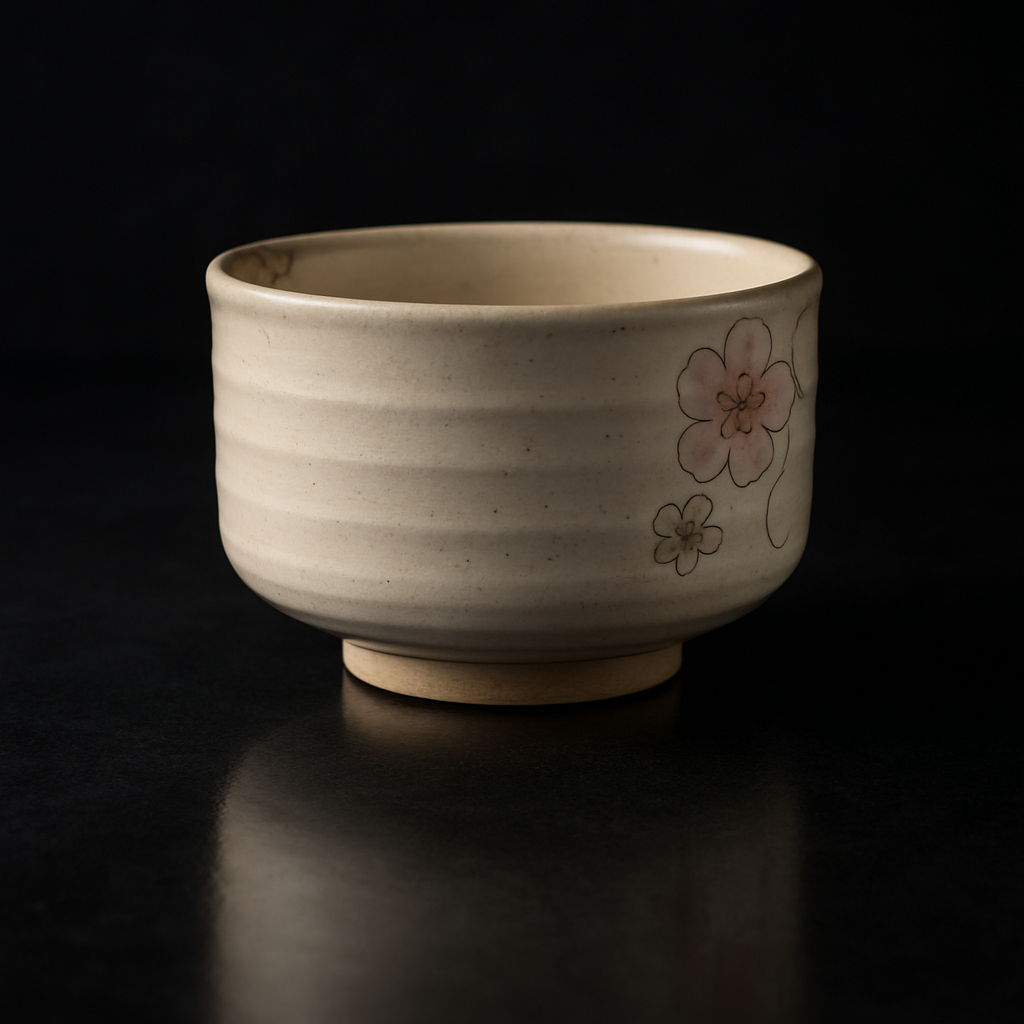
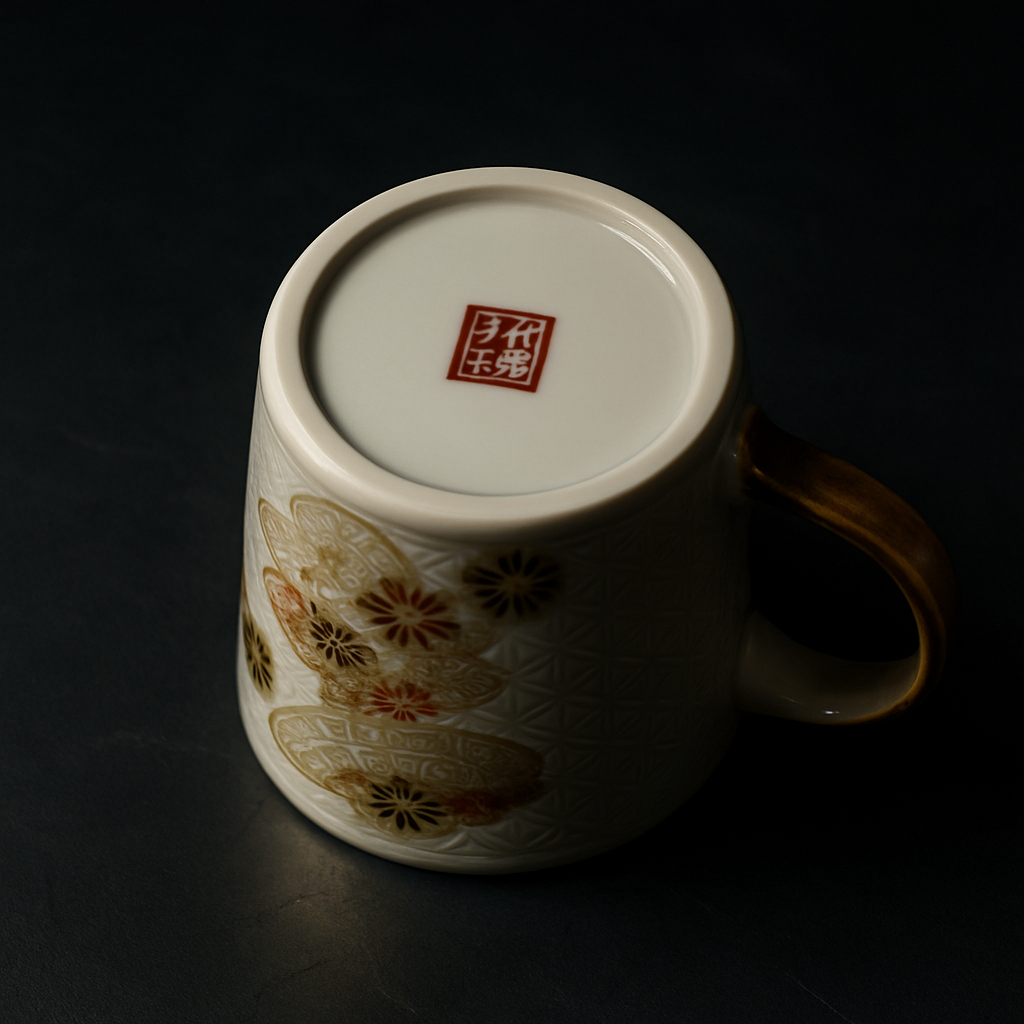
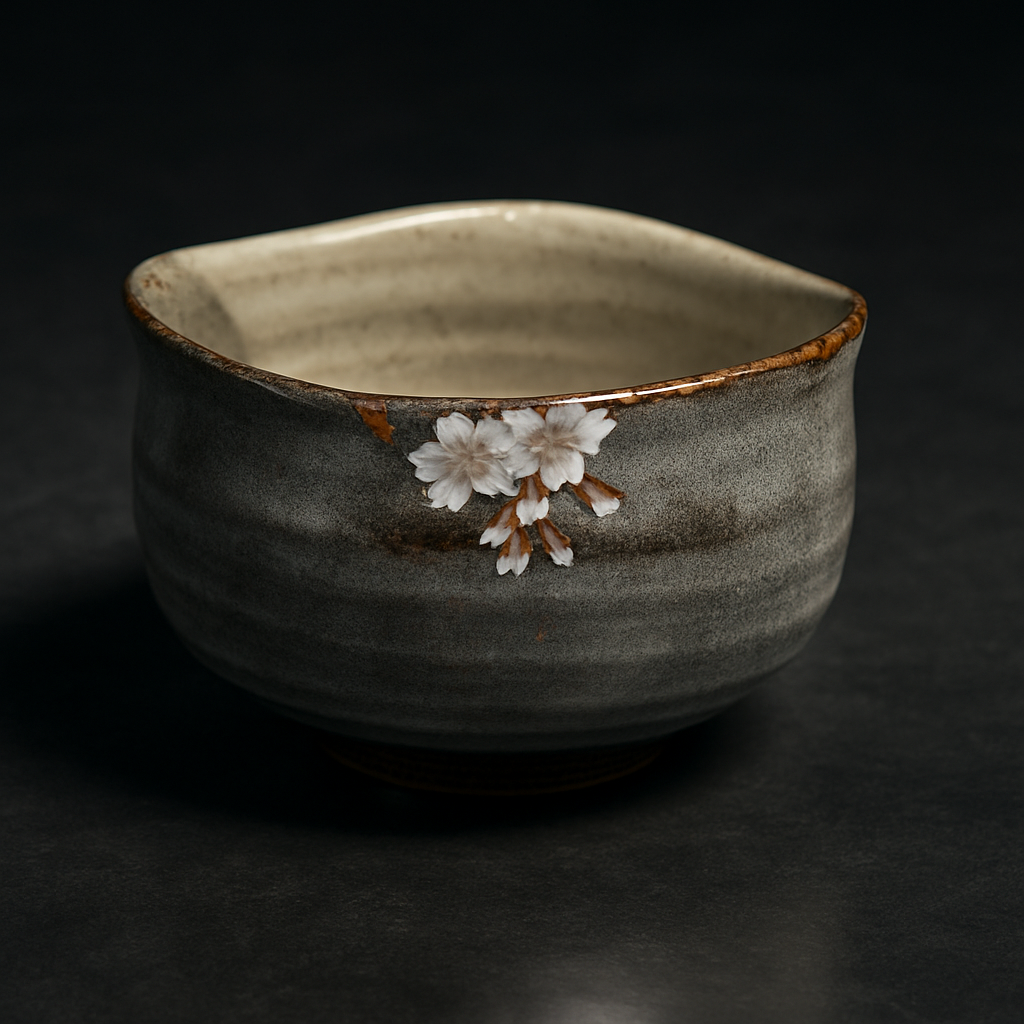
Mashiko Ware and the Mingei Folk Craft Movement: Beauty in Everyday Objects
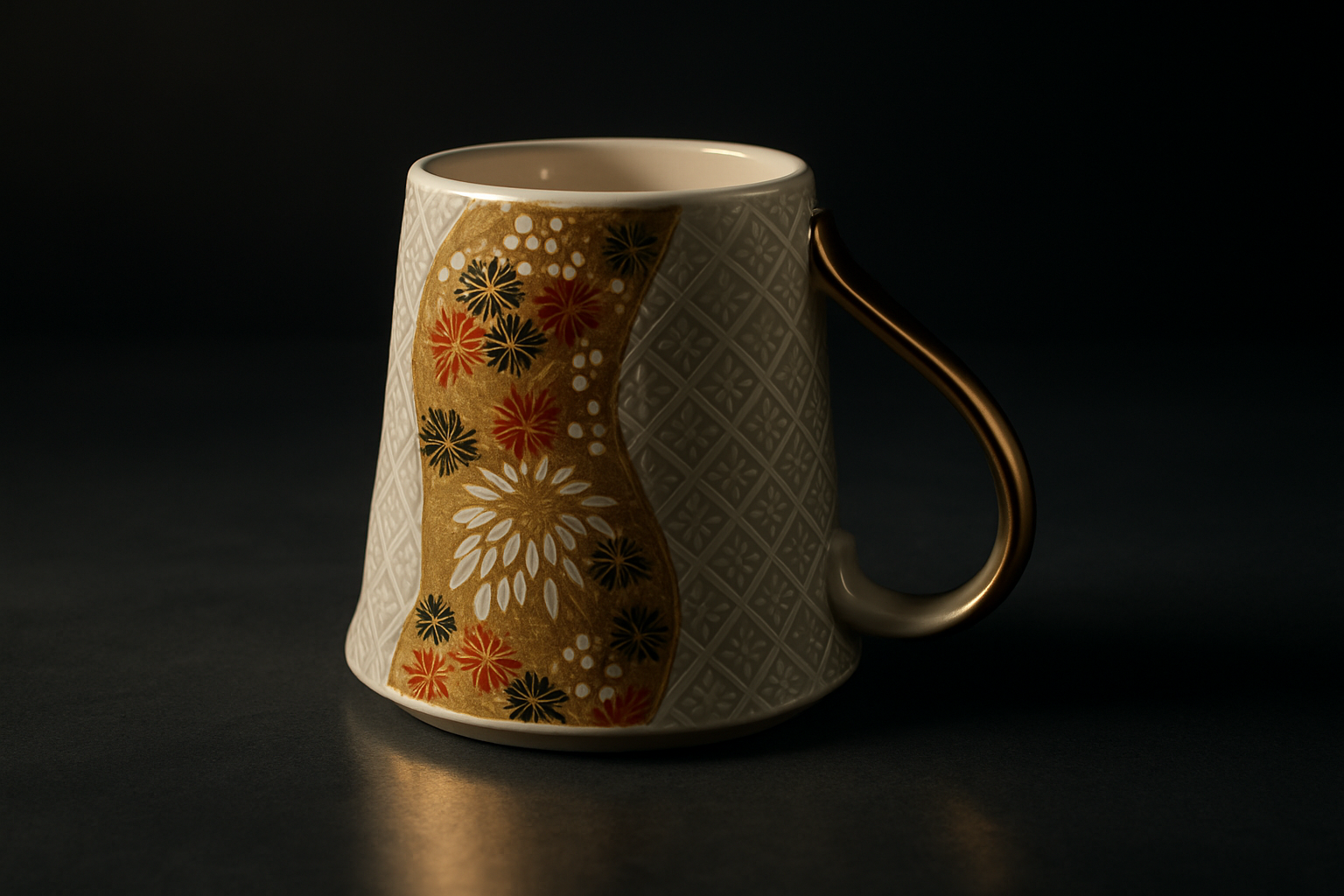
On this page
A potter's hands shape wet clay on a wheel in the town of Mashiko, two hours north of Tokyo. The glaze is thick, earthy, uneven — exactly as intended.
When philosophy met the pottery wheel
In 1924, a young philosopher named Soetsu Yanagi began visiting potters across Japan with a question that would reshape the country's relationship with craft: What if beauty didn't require perfection? He wasn't searching for imperial porcelain or tea ceremony masterpieces. He wanted the rice bowls farmhands ate from. The plates cracked from daily use. The unglazed sake flasks no one thought to preserve.
Yanagi called this beauty mingei — literally "folk craft" — and he argued that anonymous makers working with their hands, guided by tradition rather than ego, created objects with a soul that luxury goods lacked. It wasn't a nostalgic plea to return to the past. It was a radical reframing of what deserved to be called art.
The town that became a movement
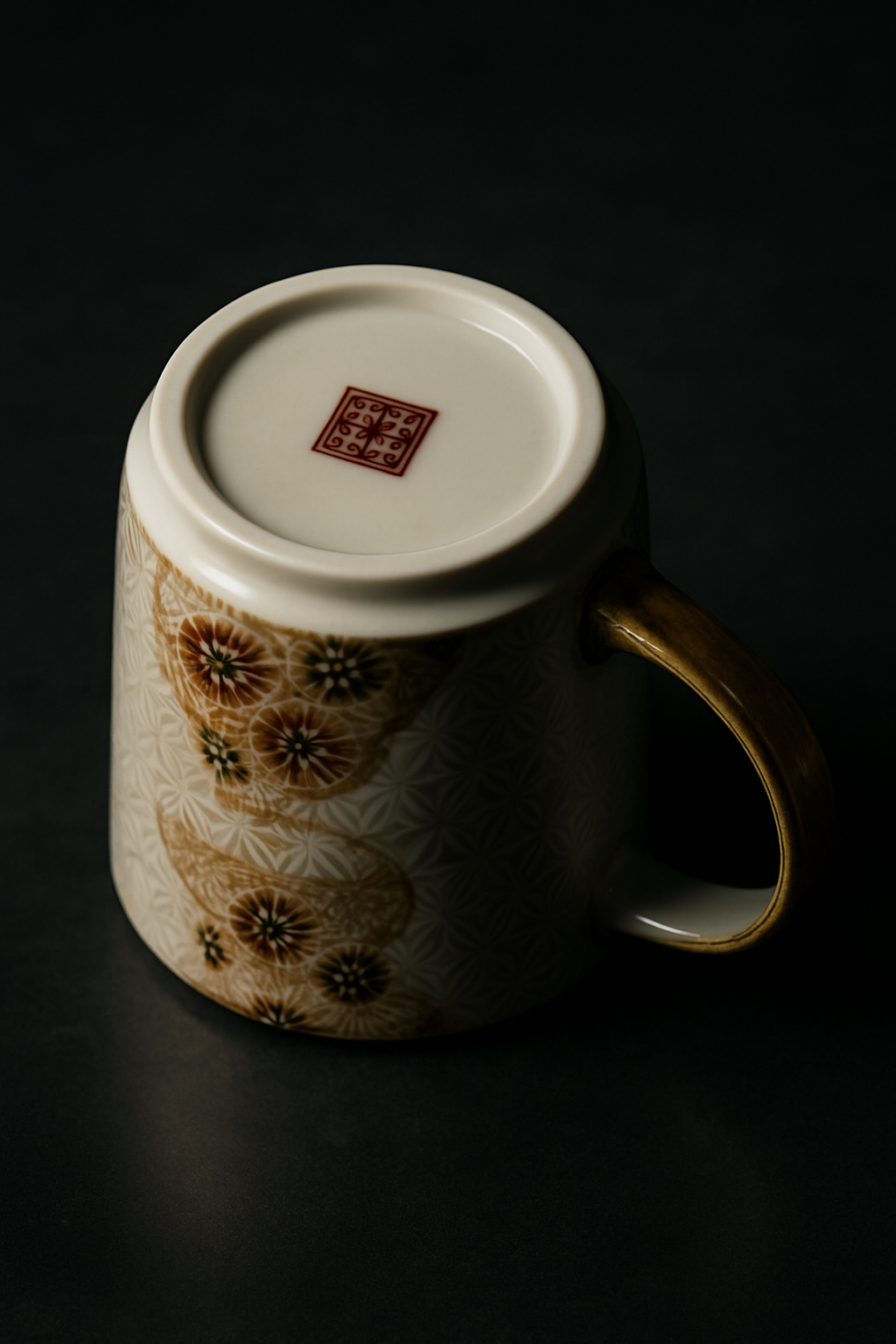
Mashiko ware didn't start as mingei. For over a century, this farming town in Tochigi Prefecture had produced sturdy, inexpensive pottery — storage jars, grinding bowls, everyday dishes glazed in iron-rich browns and muted persimmon. Functional. Forgettable.
Then Shoji Hamada arrived in 1930. Already an established potter who'd exhibited in England alongside Bernard Leach, Hamada chose Mashiko precisely because it wasn't famous. He built his kiln among rice fields and began working in the local style, using Mashiko's coarse clay and traditional ash glazes. But he brought something new: an intentional simplicity that turned rough texture into visual warmth, and glaze drips into calligraphic gestures.
Hamada didn't sign his work — the philosophy of mingei held that the maker's name mattered less than the making itself.
His presence transformed Mashiko from a production town into a pilgrimage site for the folk craft movement. Potters arrived to learn. Collectors followed. What had been invisible became iconic.
Clay that refuses to behave
Walk into a Mashiko pottery studio today and you'll notice the clay itself — grainy, iron-flecked, the color of wet earth. It's not refined porcelain. It contains small stones and impurities that can crack during firing or push through the glaze. Potters don't fight this. They work with the clay's rough honesty.
The classic glazes tell you everything about mingei's values:
- Kaki (persimmon) — a warm amber-orange from iron oxide, often pooling unevenly
- Nuka (rice husk ash) — a soft, milky white that breaks brown over edges
- Ame (candy) — glossy amber that drips and gathers like honey
These aren't pristine surfaces. They're alive with variation, each piece slightly different from the last, carrying the trace of flame and ash and the potter's particular rhythm that day.
What folk craft means now
The mingei movement asked a question Japan is still answering: Can tradition survive without becoming a museum piece? Mashiko's response has been to stay a working town. Over 300 kilns still operate here. Young potters arrive, apprentice, eventually open their own studios. The clay stays local. The philosophy adapts.
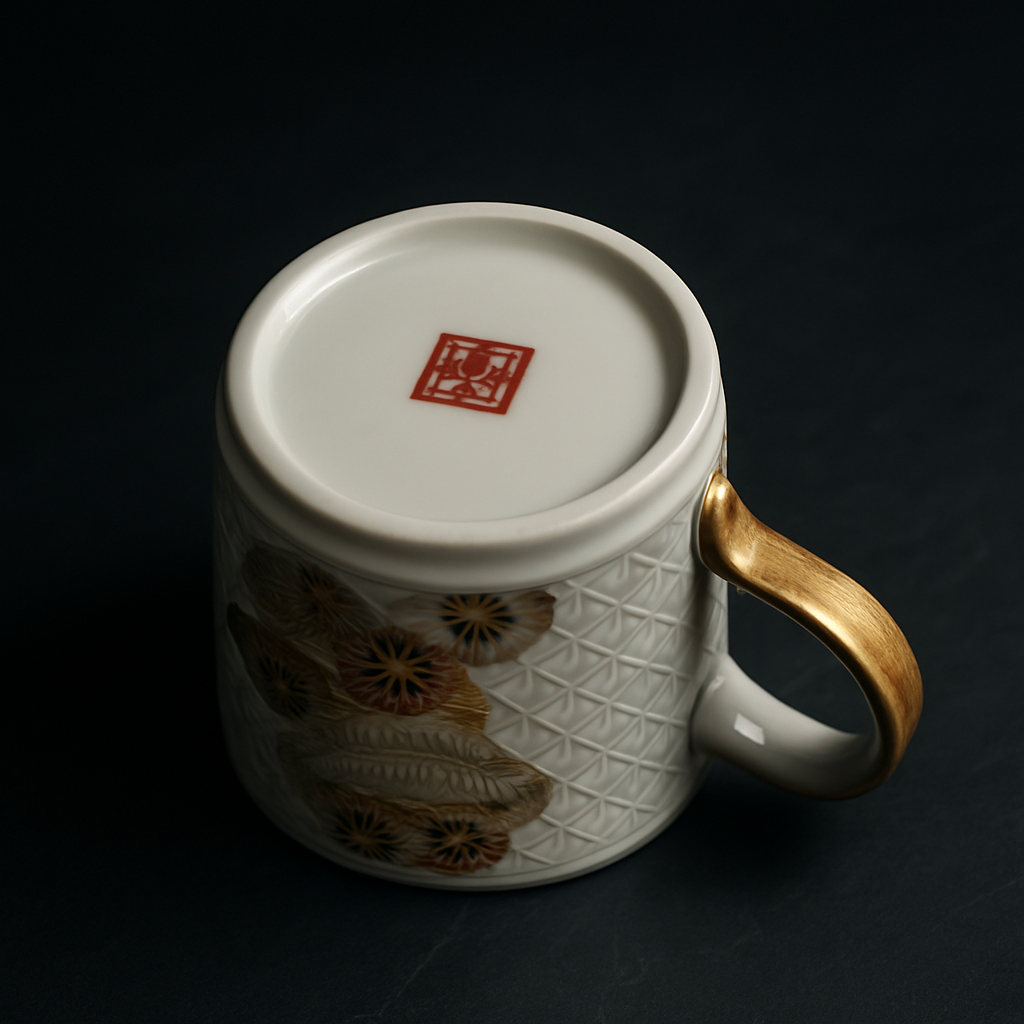
You won't find two identical Mashiko yunomi tea cups. The glaze breaks differently. One rim is slightly thicker. The foot ring sits at a different angle. This isn't carelessness — it's the evidence of human hands repeating a gesture that's never quite the same twice.
Beauty, Yanagi insisted, doesn't live in flawlessness. It lives in the warm weight of a bowl made for your hands, used until it becomes irreplaceable.
FAQ
Chaware curates authentic Japanese crafts — straight from the makers in Japan to your table.
Explore the Chaware collection →