Seto Ware and the Origin of Setomono: How One Kiln Named All Japanese Pottery
On this page
In Japan, when something breaks, people often say it's setomono—whether it's a rice bowl from Kyoto or a teacup from Hokkaido. The word has become synonymous with "ceramics" itself. But here's the thing: it all started in one place.
A small valley town called Seto, just east of Nagoya, gave its name to an entire category of craft.
The valley that fired a thousand kilns
Seto sits in a landscape blessed with the raw material potters dream about: high-quality clay deposits that can withstand extreme heat. By the Kamakura period (late 12th century), potters here were doing something radical for medieval Japan—they were producing glazed stoneware using techniques learned from Chinese ceramics.
While most Japanese pottery at the time remained unglazed earthenware, Seto's kilns roared to temperatures that fused ash glazes into glassy, waterproof surfaces. The result was pottery that didn't just hold water—it transformed it, kept it cool, made tea taste cleaner.
This wasn't just functional. It was alchemy.
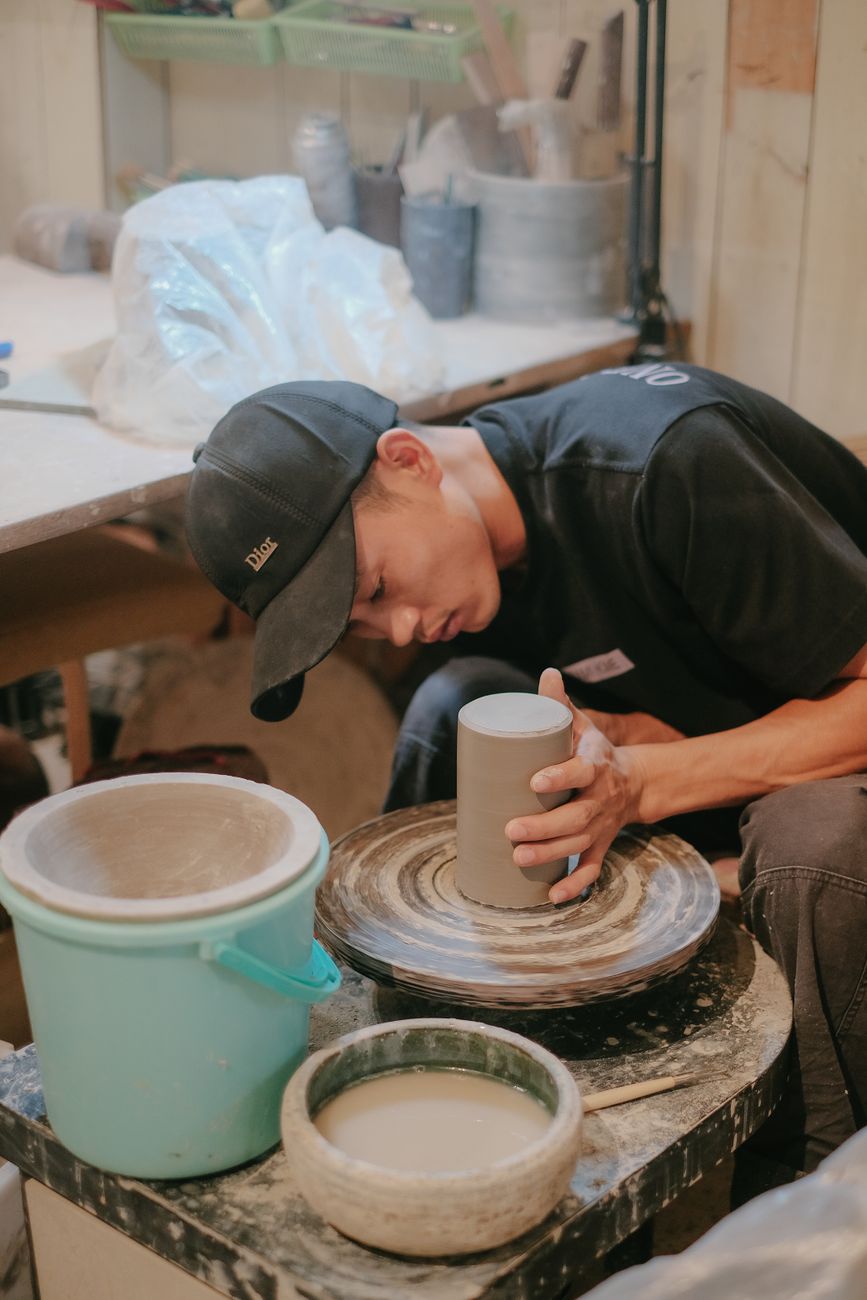
When one town becomes every town
Seto ware became so dominant, so ubiquitous in Japanese households, that the town's name slipped into everyday language. Setomono—literally "things from Seto"—became the word for ceramics in general, regardless of where they were actually made.
It's the kind of linguistic takeover that happens when a place defines a category. Like how "Kleenex" means tissue, Seto meant pottery.
For centuries, if it was glazed and it graced a Japanese table, people assumed it came from Seto.
But the story gets more complex. As other pottery centers emerged—Arita with its porcelain, Mino with its rustic tea wares—the word "setomono" stayed in the language even as Seto's monopoly faded. The name outlived the dominance.
The six ancient kilns (and the one that named them all)
Japan recognizes six historic pottery centers as its "ancient kilns," each with distinct traditions:
- Seto – glazed stonewares that became the generic term
- Tokoname – known for teapots and natural ash effects
- Echizen, Shigaraki, Tamba, Bizen – each with regional clay and firing styles
Seto stands among them not just as an equal, but as the namesake of the entire craft in popular consciousness. Walk into a Japanese home today and ask about a cracked plate, and someone might still say, "Oh, the setomono broke," even if it was made in Hasami or Mashiko.
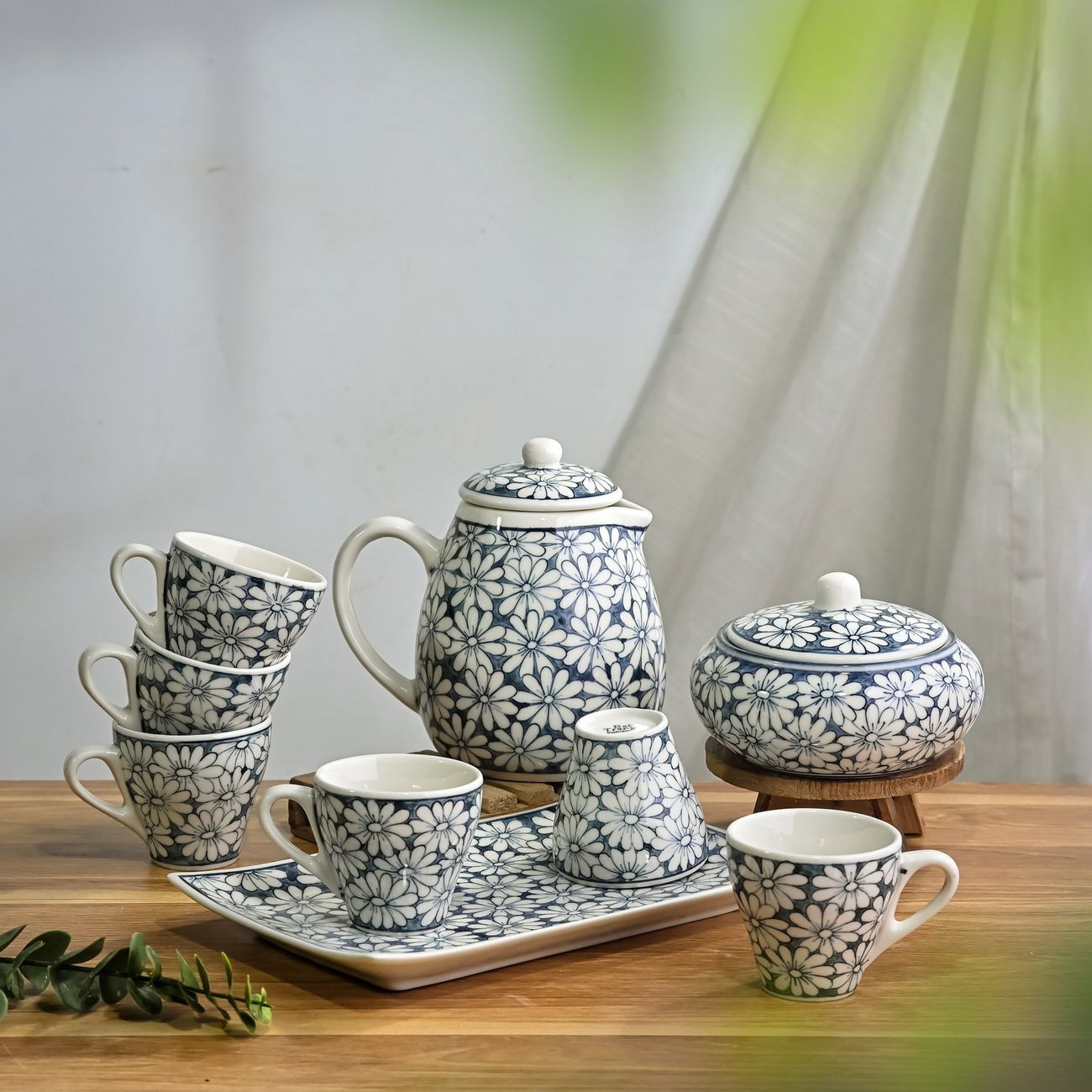
What Seto gave the world
The legacy isn't just linguistic. Seto's medieval potters pioneered Japan's first high-fired glazed ceramics, paving technical ground that later regions would build upon. They proved Japanese clay could rival Chinese sophistication. They created a ceramic culture so embedded in daily life that the town's name became invisible—absorbed into the language like water into clay.
Today, Seto still fires its kilns. The valley still hums with workshops, though the word "setomono" now belongs to everyone.
The place became the word. The word became the thing itself.
FAQ
Chaware curates authentic Japanese crafts — straight from the makers in Japan to your table.
Explore the Chaware collection →