Tobe Ware From Ehime Prefecture Explained: History, Craft, and Indigo Beauty
On this page
The cobalt brushstrokes ripple across white porcelain like indigo waves frozen mid-motion. This is Tobe-yaki (砥部焼), and it carries the creative defiance of a region that refused to follow the rules.
The mountain that changed everything
Ehime Prefecture isn't where you'd expect to find porcelain. Tucked into Shikoku's northwestern corner, far from the famous kilns of Kyushu, the area around Tobe town had something the ceramic world desperately needed in the late 18th century: toseki (陶石), porcelain stone of exceptional quality.
When local lord Kato Yasuoki ordered the establishment of kilns in 1775, he wasn't chasing artistic glory. He was solving an economic problem. The domain needed revenue, and the mountain held white gold.
What emerged was accidental brilliance.
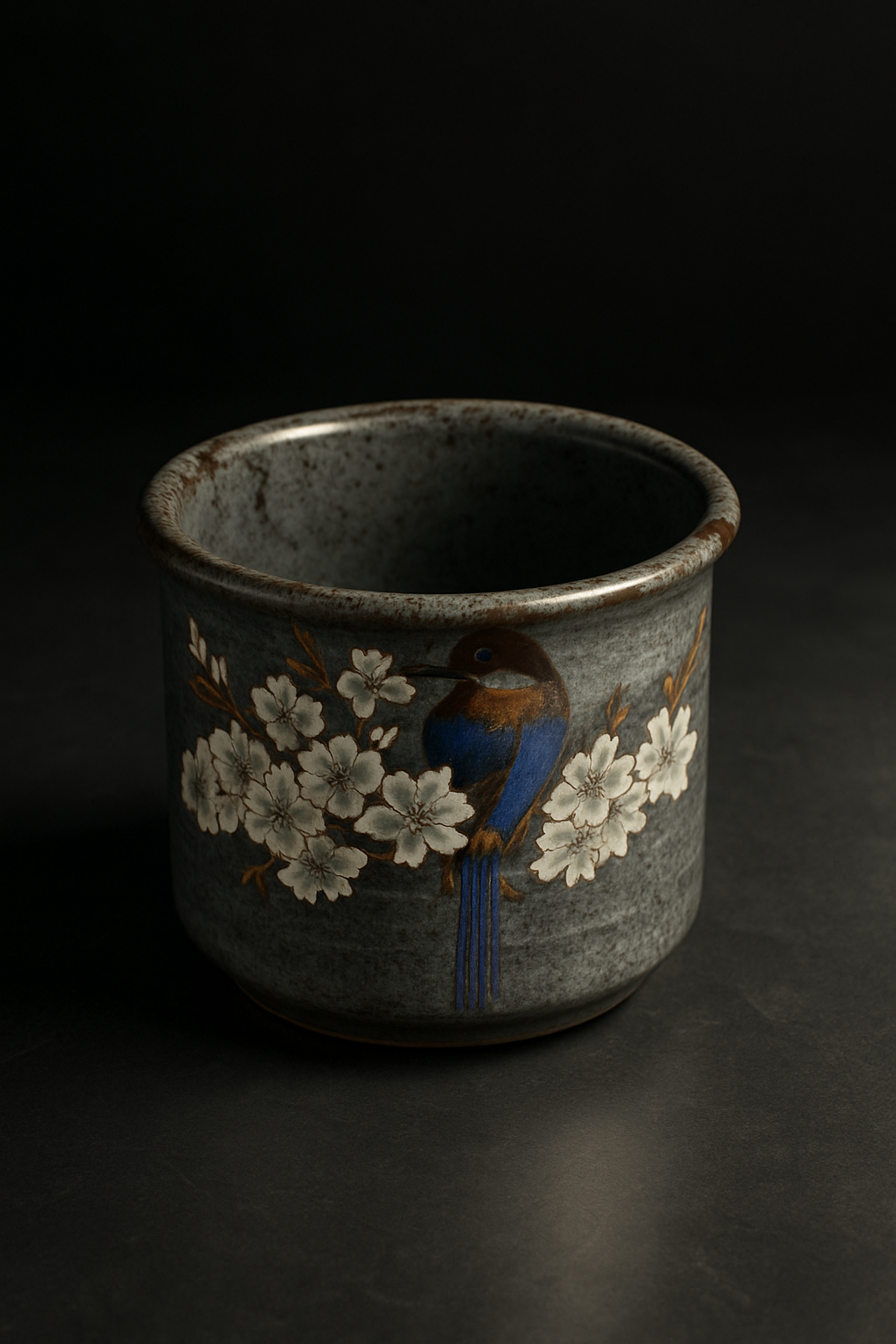
Thick walls, bold strokes
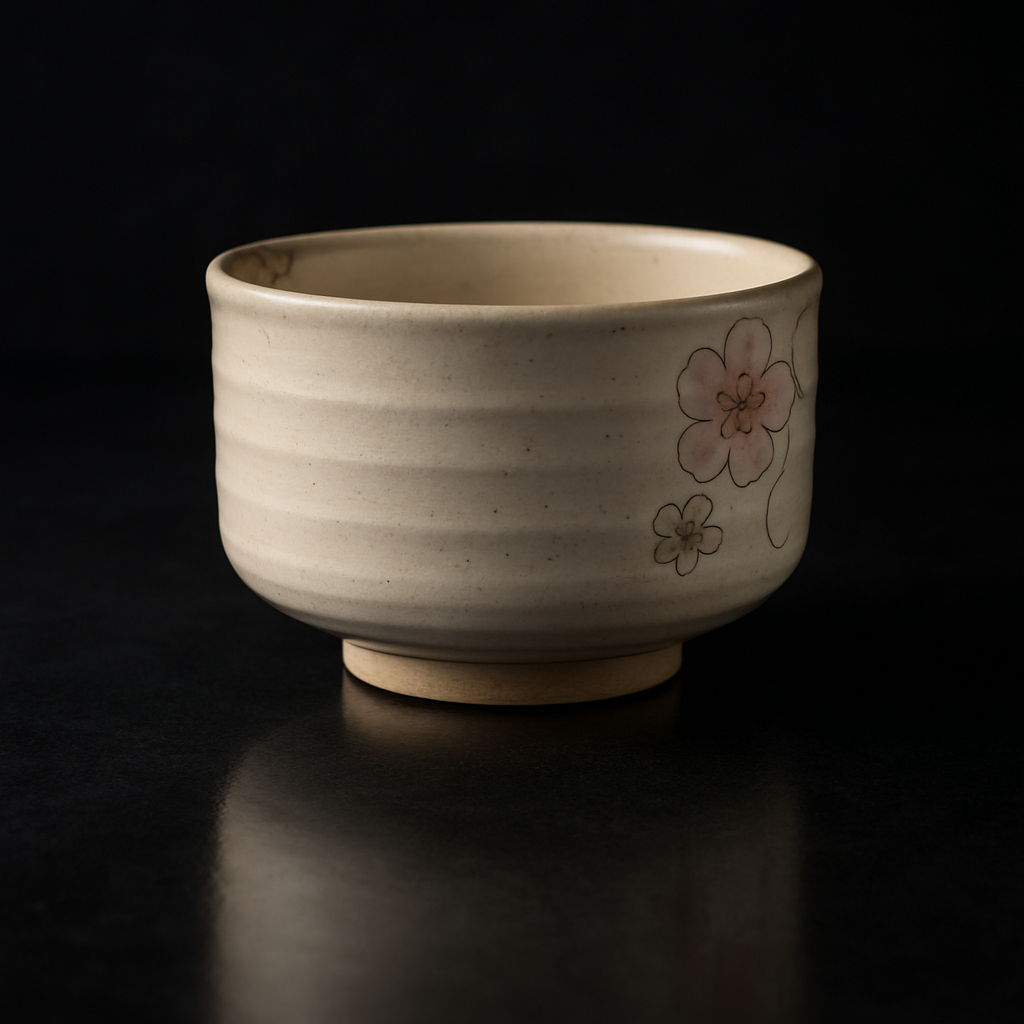
Pick up a piece of Tobe ware and you'll immediately notice the weight. These aren't the precious, translucent teacups of Arita or the refined elegance of Kutani. Tobe potters made their porcelain thick—deliberately, defiantly thick.
The reason was practical. Everyday dishes needed to survive everyday life. But thickness became identity. Those substantial walls could absorb impact, yes, but they also provided the perfect canvas for gosu (呉須), the cobalt blue pigment that would define the tradition.
Tobe ware proves that durability and beauty were never opposites—just waiting for the right hands to unite them.
The brushwork exploded with confidence. Broad, gestural strokes. Simplified floral motifs. Geometric patterns that moved with the eye rather than imprisoning it. Where other porcelain traditions pursued technical perfection, Tobe painters pursued feeling.
The blue that bends but doesn't break
The signature Tobe aesthetic emerged from constraint. Early kilns couldn't achieve the temperature control of established porcelain centers, so they worked within a narrower palette. Cobalt blue on white. Simple.
Except simplicity forced innovation.
Painters developed a vocabulary of strokes that could express seasons, movement, emotion—all within that blue-and-white limitation. A few quick brushstrokes suggested plum blossoms. Concentric circles became rippling water. The negative space mattered as much as the pigment.
And that thickness? It meant pieces could be used, really used, without anxiety. Tobe ware entered daily life in a way more precious porcelain never could.
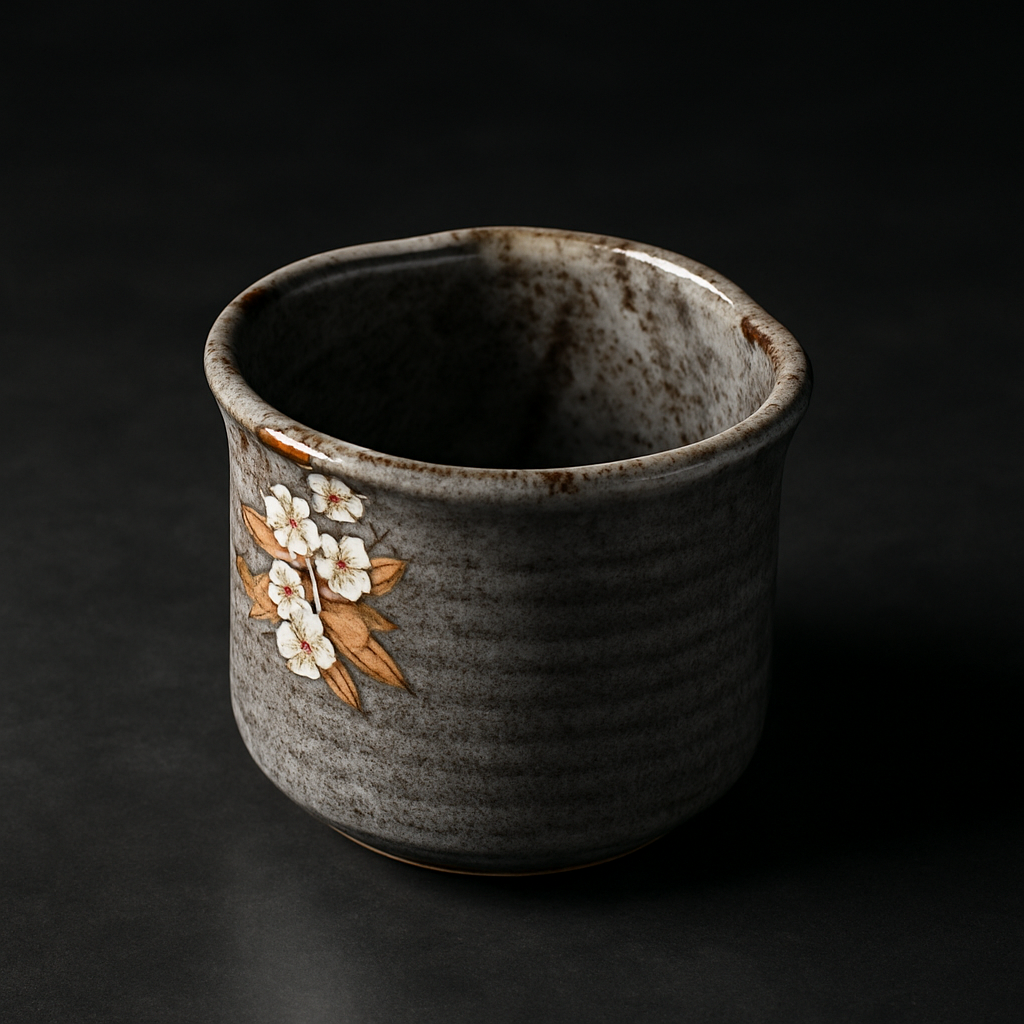
Living tradition in a changing world
Today's Tobe kilns still cluster in the same mountain valleys, though the landscape has shifted dramatically. The tradition nearly vanished during Japan's rapid modernization, when mass-produced tableware flooded the market. But something stubborn persisted.
Contemporary Tobe potters honor the weight, the blue, the gestural confidence—while pushing the vocabulary forward. You'll find traditional floral patterns alongside abstract compositions. The thick walls remain, but forms have diversified beyond rice bowls and teacups into sculptural objects and architectural elements.
The kilns welcome visitors now. You can watch potters throw those characteristically thick walls, see painters load brushes with gosu and commit to strokes that cannot be undone. There's no undo button in underglaze painting. Every mark stays.
The weight of authenticity
What makes Tobe ware matter isn't its place in the porcelain hierarchy—it's its refusal to apologize for being different. While other traditions reached for aristocratic refinement, Tobe reached for honest utility wrapped in confident beauty.
The cobalt still ripples. The walls still carry their reassuring weight. And somewhere in Ehime's mountains, brushes still move with that same defiant grace, proving that the most enduring traditions are often the ones that started by breaking the rules.
FAQ
Chaware curates authentic Japanese crafts — straight from the makers in Japan to your table.
Explore the Chaware collection →