Porcelain vs Stoneware: Understanding the Two Pillars of Japanese Ceramics
On this page
You run your finger along the rim of a tea cup and feel nothing but glass-smooth perfection. Pick up another, and the surface whispers of stone and earth. Same country. Different worlds.
In Japan, the divide between porcelain and stoneware isn't just technical—it's philosophical. It shapes where you drink your tea, how you hold your bowl, even which region's kilns you revere.
One needs a mountain, the other needs a mine
Stoneware came first. Japanese potters have been coaxing clay from riverbeds and hillsides for over a thousand years, firing it hot enough to fuse the particles into something waterproof and strong. Yakishime (unglazed stoneware) and yakimono (general fired ware) were the backbone of daily life—storage jars, cooking vessels, rustic tea bowls that fit the wabi-sabi aesthetic like a hand in a glove.
Porcelain arrived later, in the early 1600s, when Korean potters discovered kaolin-rich stone near Arita. Suddenly Japan could make jiki—true porcelain—that rivaled Chinese imports. But it required specific geology. You can't make porcelain anywhere. You need the right stone, ground fine, mixed with precise ratios of feldspar and quartz, then fired to blistering temperatures that stoneware never sees.
That's why stoneware regions like Bizen and Shigaraki feel earthy and ancient, while Arita and Hasami gleam with technical prowess.
The weight in your hand tells the story
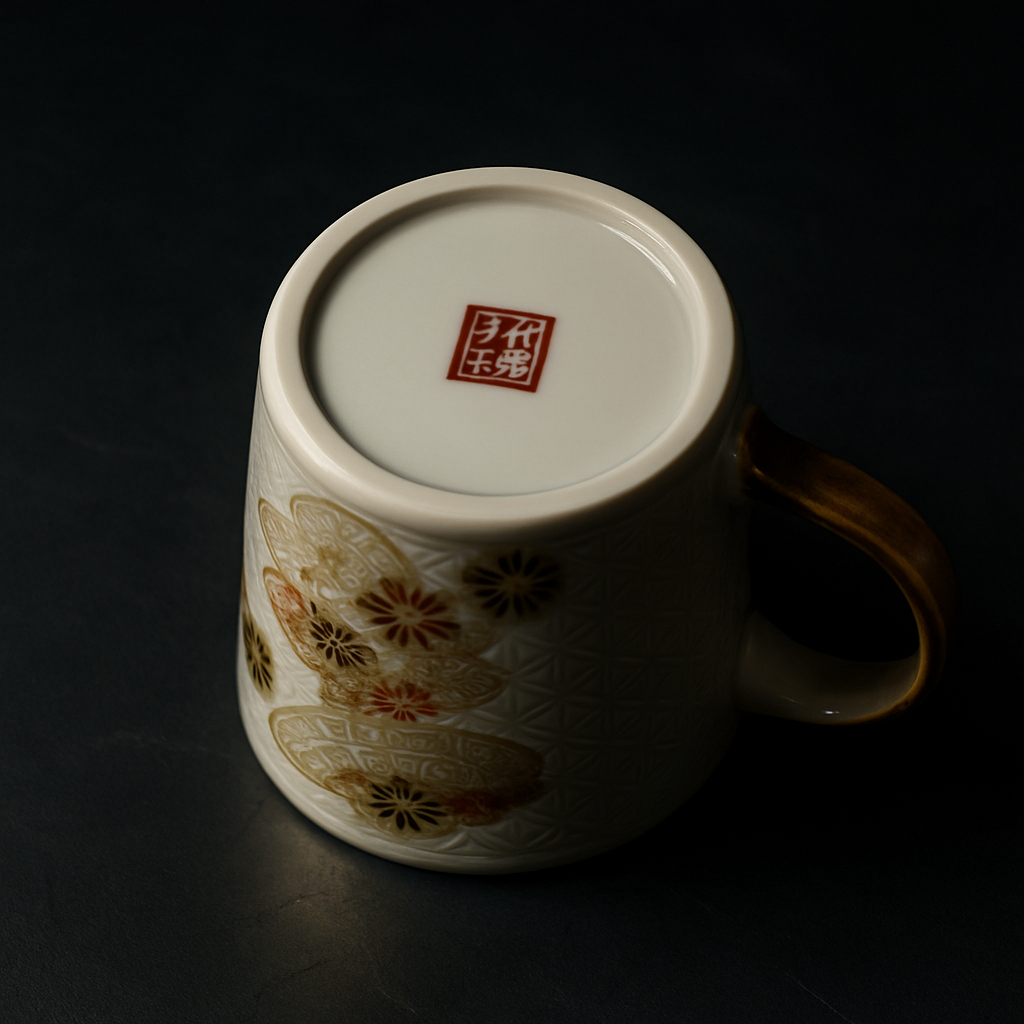
Hold a porcelain cup to the light. See that? The faint glow, the translucency? That's vitrification at its peak—particles melted so completely that light sneaks through. Porcelain rings when you tap it, bright and bell-like. It's thin-walled, surprisingly light, cool to the touch.
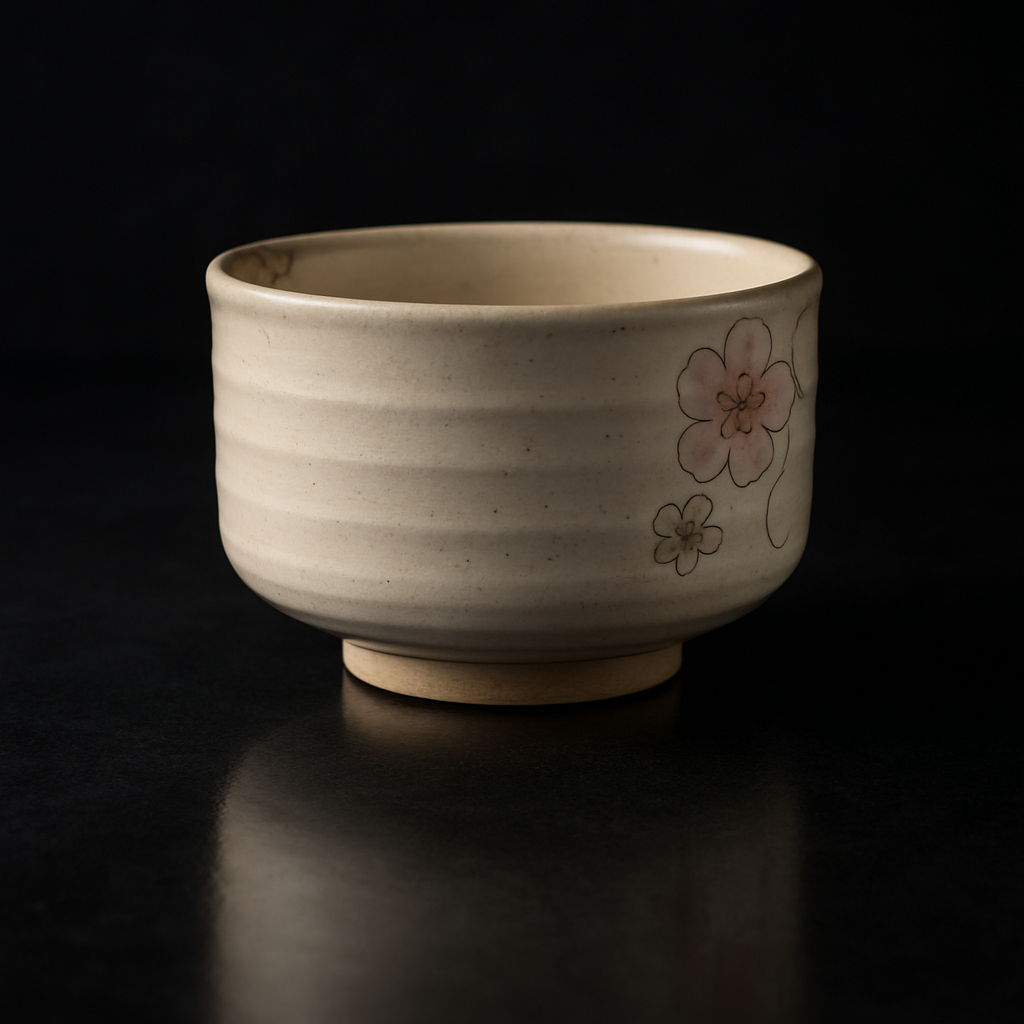
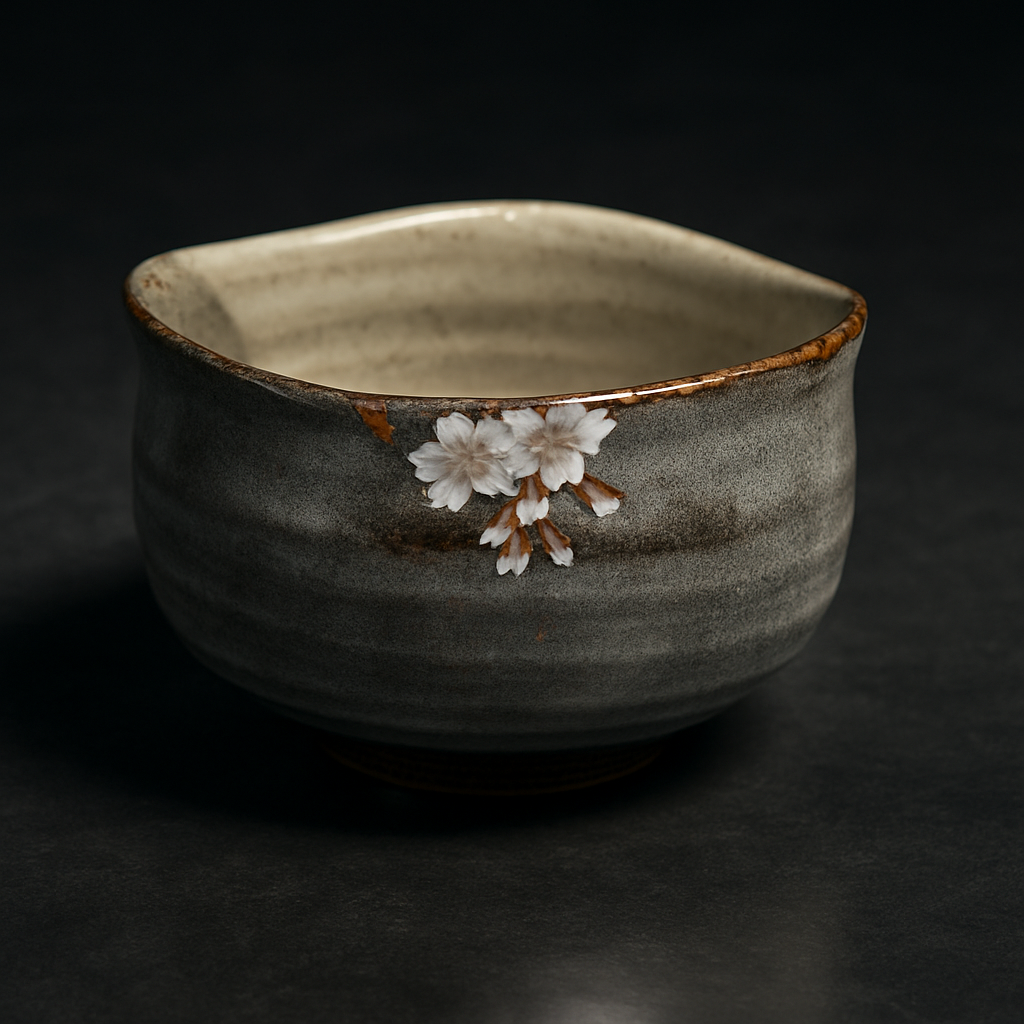
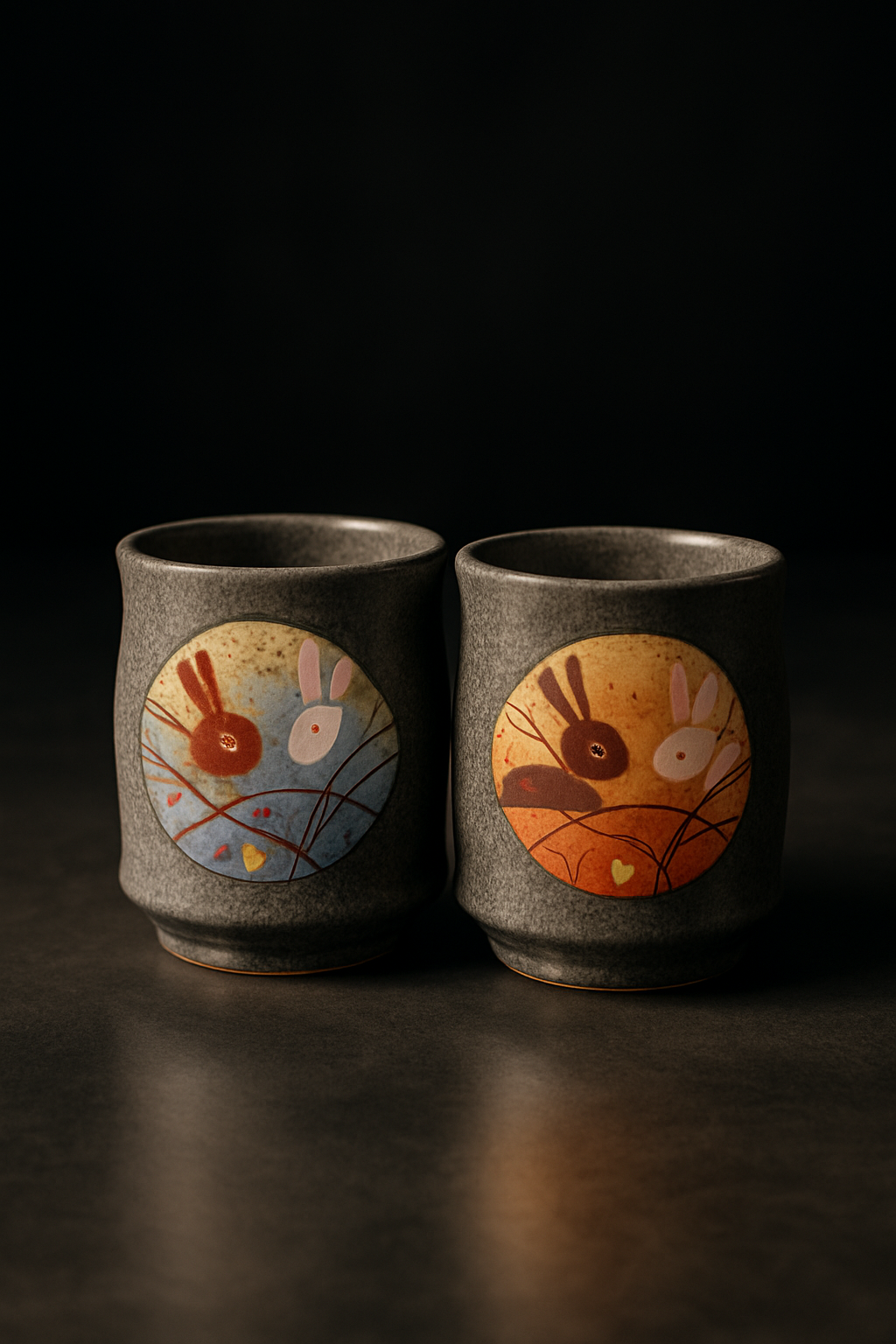
Stoneware sits heavier. The clay body stays opaque, denser, often thicker. Tap it and you hear a dull thud, not a chime. The surface might show the potter's fingerprints, kiln ash melted into natural glaze, or deliberate roughness that invites your hand to linger. It holds heat longer. It feels lived-in from the first use.
Porcelain whispers refinement; stoneware speaks of earth and fire and human touch.
Why tea masters choose one over the other
In the formal tea ceremony, you'll rarely see porcelain for the main tea bowl. That honor goes to stoneware—Raku ware, Hagi ware, Bizen ware—chosen precisely because they're imperfect, warm, humble. The philosophy of wabi-sabi celebrates the irregular, the aged, the quietly beautiful. Stoneware embodies that.
But for serving sweets? For the cold water container in summer? Porcelain appears, crisp and cooling, its painted designs—sometsuke cobalt blue, delicate aka-e overglaze enamels—adding visual refinement without stealing focus from the tea itself.
The choice isn't about better or worse. It's about context, season, intention.
When glaze becomes the great equalizer
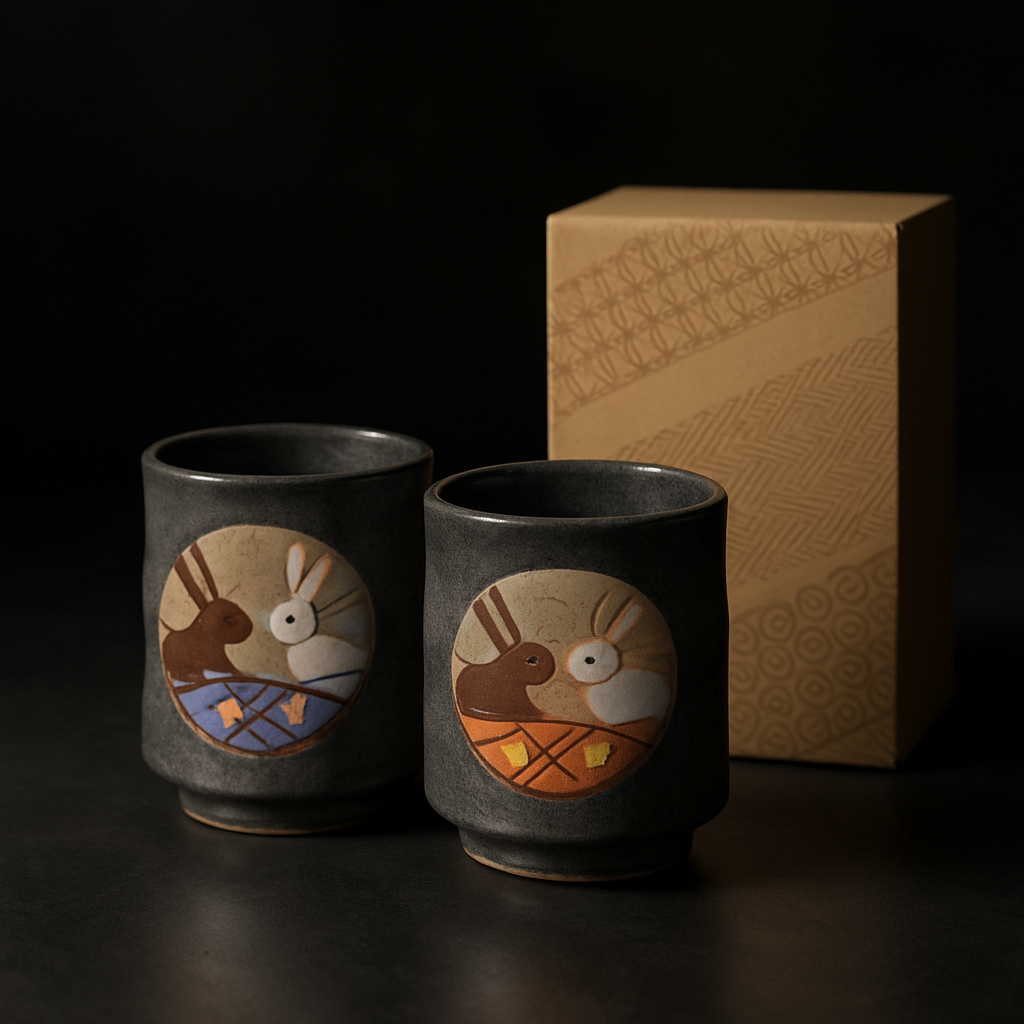
Here's where it gets interesting: many Japanese stonewares wear glazes that blur the line. A Mino ware bowl might be stoneware clay underneath, but covered in a glassy, flowing oribe green glaze that mimics porcelain's smoothness. Conversely, some porcelain pieces embrace matte, textured glazes that feel almost stoneware-like.
What matters most isn't always the clay body—it's the maker's intent and the tradition they're working within. Stoneware tends toward the organic, the varied, the unpredictable beauty of flame and ash. Porcelain leans into precision, luminosity, the painter's canvas.
Both require mastery. Both carry centuries of regional pride.
---
Run your finger along that rim again. Now you know what you're feeling—and why it matters.
FAQ
Chaware curates authentic Japanese crafts — straight from the makers in Japan to your table.
Explore the Chaware collection →