The Six Ancient Kilns of Japan: A Journey Through Rokkoyo's Living Pottery Traditions
On this page
There are places in Japan where kilns have never gone cold—not for seven hundred years.
These aren't museums. They're living workshops, where clay still spins and fire still roars in chambers built when samurai ruled the land. The Japanese call them Rokkoyo, the Six Ancient Kilns, and they represent an unbroken chain of ceramic tradition stretching back to medieval times. Each developed its own voice, its own clay body, its own relationship with flame. Together, they form the backbone of Japanese pottery as we know it.
The ones that refused to die
Most medieval kilns vanished. Wars came. Tastes changed. Cheaper materials arrived from overseas. But six production centers—Bizen, Echizen, Seto, Shigaraki, Tamba, and Tokoname—kept their fires burning through plague, famine, modernization, and war.
What made them survivors? Geography helped. Each sat near exceptional clay deposits and fuel sources. But resilience came from something deeper: an ability to adapt without abandoning identity. Seto pivoted from ash-glazed storage jars to delicate tea ceramics. Tokoname shifted from medieval sutra containers to teapots that revolutionized how Japan drank green tea. They evolved, but they never forgot what their clay could do.
The Six Ancient Kilns didn't preserve the past—they carried it forward, still warm.
Where earth remembers fire
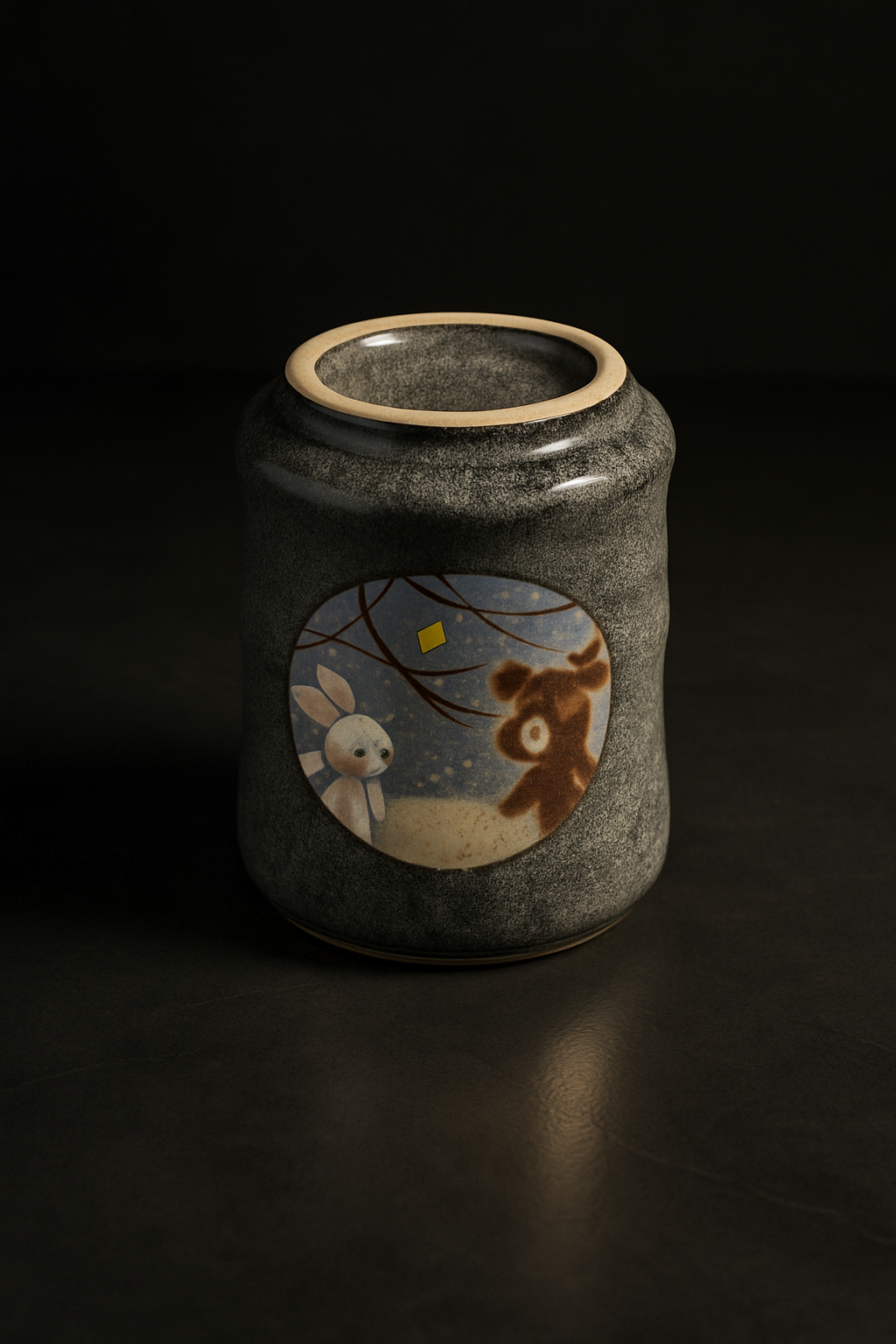
Walk into any of these kiln towns today and you'll notice the air first. It smells different—of wood smoke, of mineral-rich clay drying in open sheds, of ash settling on roof tiles. In Bizen, potters still fire for two weeks straight in massive anagama tunnel kilns, coaxing that signature reddish-brown body that needs no glaze. The markings you see—flashes of orange, ribbons of darker clay, areas kissed by ash—are pure accident and intention braided together.
Shigaraki makes tea jars that seem to hold silence itself, their surfaces rough and almost lunar. Echizen produces work so sturdy it was trusted to store precious miso and sake for castle kitchens. Tamba (also called Tachikui) developed a distinctive glaze that flows like amber honey frozen mid-drip. Tokoname's iron-rich clay turns deep brick-red, perfect for the teapots that wouldn't stain delicate green tea. And Seto—well, Seto became so synonymous with ceramics that "setomono" became the Japanese word for pottery itself.
The weight of seven centuries
These aren't heritage sites frozen in amber. They're working production centers where apprentices still sweep studios at dawn and master potters still argue about firing temperatures. The kilns have been rebuilt, the techniques refined, the customer base transformed from feudal lords to global collectors. But the clay comes from the same hills. The knowledge passes hand to hand, not page to page.
Recognition came officially in 2017, when Rokkoyo was designated a Japan Heritage site. But the potters had already known for centuries what made them different: continuity. Not perfection, not fame—just the quiet insistence on showing up, loading the kiln, and firing again.
What clay carries
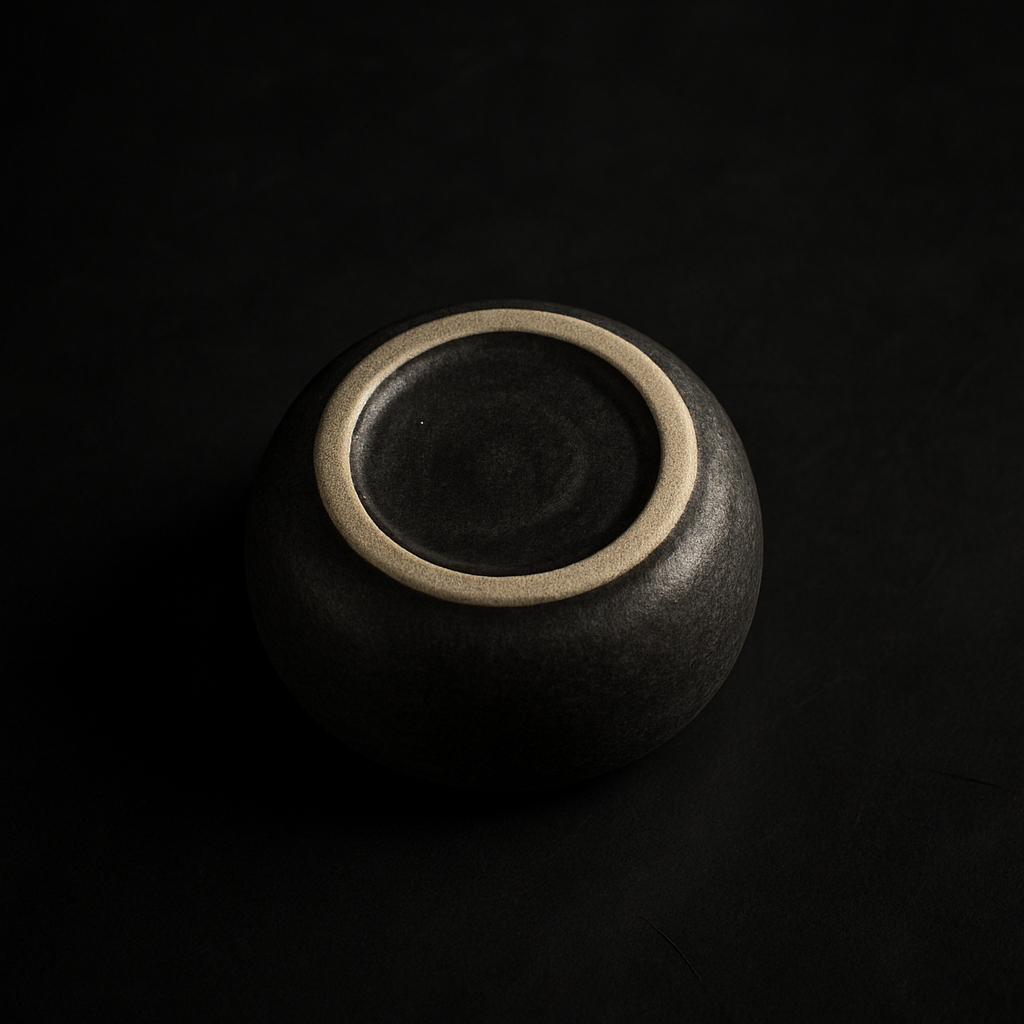
Stand in front of a Bizen water jar or a Shigaraki vase and you're not looking at history. You're looking at geography made visible—the iron content of specific hillsides, the wood species that grew in particular forests, the temperature that ancient builders learned to coax from stone and flame. These objects are arguments in clay about what matters: honest material, patient skill, the beauty of things made to be used.
The Six Ancient Kilns never stopped because stopping would mean forgetting. And some knowledge lives only in the hands.
FAQ
Chaware curates authentic Japanese crafts — straight from the makers in Japan to your table.
Explore the Chaware collection →