How a Noborigama Climbing Kiln Works: Engineering Fire on a Hillside
On this page
The first time you see a noborigama on a hillside, it looks less like a kiln and more like a sleeping dragon—segmented chambers climbing upward through the slope, smoke curling from its spine.
Built into the mountain itself
A noborigama isn't placed on the landscape. It uses the landscape. The kiln follows the natural incline of a hill, typically at an angle between 15 and 30 degrees, with multiple chambers stacked in ascending sequence. Gravity becomes part of the firing equation. Heat doesn't just radiate—it climbs.
The design arrived in Japan from Korea in the late 16th century, brought by potters who understood that controlling fire meant working with its nature, not against it. Each chamber feeds into the next through a small opening called a stoking port, creating a thermal chain reaction that turns geography into engineering.
Fire that thinks ahead
Here's what makes the noborigama brilliant: you don't heat all the chambers at once. You start at the bottom.
The first chamber—the largest, closest to the main firebox—reaches temperature first. As wood burns and heat builds, it naturally rises and flows into the second chamber above. When that chamber is hot enough, potters begin stoking its dedicated firebox. The process repeats, chamber by chamber, climbing the hill. Heat from lower chambers preheats the upper ones. Nothing is wasted.
The kiln doesn't fight the mountain—it borrows its bones.
This sequential firing can take anywhere from 48 to 120 hours of continuous stoking, depending on the kiln's size and the potter's target temperature. Teams work in shifts. Sleep becomes a luxury measured in two-hour intervals.
The chamber decides the surface
Not all chambers are created equal, and potters know this intimately. Placement inside the noborigama determines what happens to the clay.
The lower chambers burn hotter and more intensely—ideal for high-fire stoneware and pieces that need aggressive flashing. The middle chambers offer more stability, better for controlled reduction atmospheres. The upper chambers, furthest from the initial firebox, receive gentler, more oxidized heat.
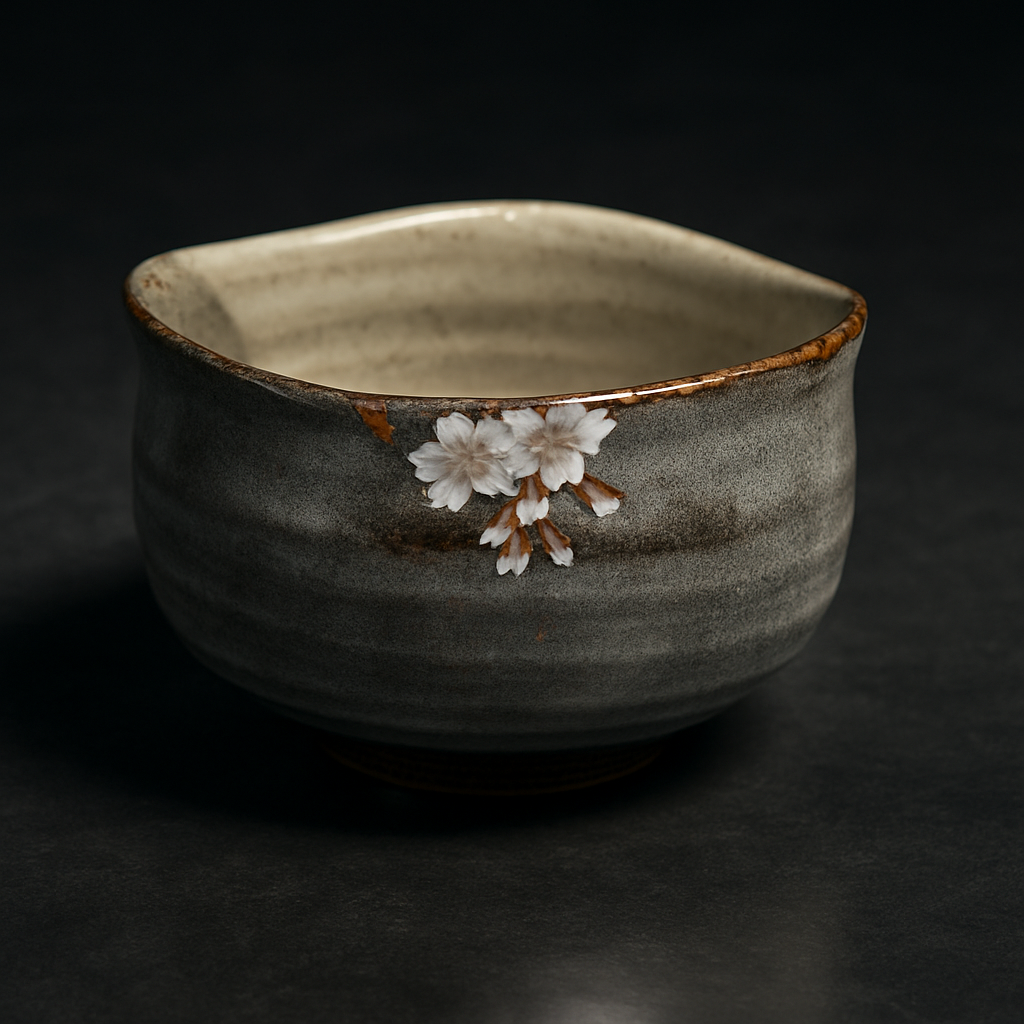
Then there's yohen—the unpredictable color transformation that occurs when wood ash flies through the kiln, lands on molten glaze, and fuses into glassy rivulets and color shifts. You can't control where ash lands. You can only load strategically and hope the fire is generous.
Potters often fire hundreds of pieces at once, stacking bowls inside bowls, separating them with small clay wads. It's organized chaos—a three-dimensional puzzle where every centimeter matters and every decision is a negotiation with heat, ash, and time.
Why it still matters
Most Japanese pottery today is fired in gas or electric kilns—cleaner, faster, infinitely easier to control. But noborigama firings continue, especially in historic pottery towns like Bizen, Shigaraki, and Tamba.
Why? Because certain surfaces only happen in a climbing kiln. The subtle orange blush of hi-iro (fire color). The deep char of koge. The landscape of ash that maps the fire's journey across a bowl's shoulder. These aren't effects. They're records—proof that earth and fire and human attention collided for four days on a hillside and made something unrepeatable.
When you hold a noborigama-fired cup, you're holding a document of that climb.
FAQ
Chaware curates authentic Japanese crafts — straight from the makers in Japan to your table.
Explore the Chaware collection →