Wood Ash Glaze: Ancient Chemistry and theAlchemy of Natural Glazing
On this page
A glaze born from fire, refined by fire, and touched by nothing human hands can replicate. Wood ash glaze carries the forest into the kiln.
For over a millennium, Japanese potters have harnessed one of ceramics' most unpredictable materials—the ash left behind when wood becomes flame. What seems like waste transforms into glass. But this isn't just chemistry. It's an ancient dialogue between potter, kiln, and the trees that fuel it.
The accidental ancestor
No one set out to invent hai-yu (ash glaze). It happened by necessity.
In the climbing kilns of medieval Japan—those long, tunnel-like chambers built into hillsides—wood burned for days. Ash billowed through the firing chamber, settling on raw clay surfaces. At temperatures above 1200°C, something remarkable occurred: the ash didn't just sit there. It melted. Fused. Became glass.
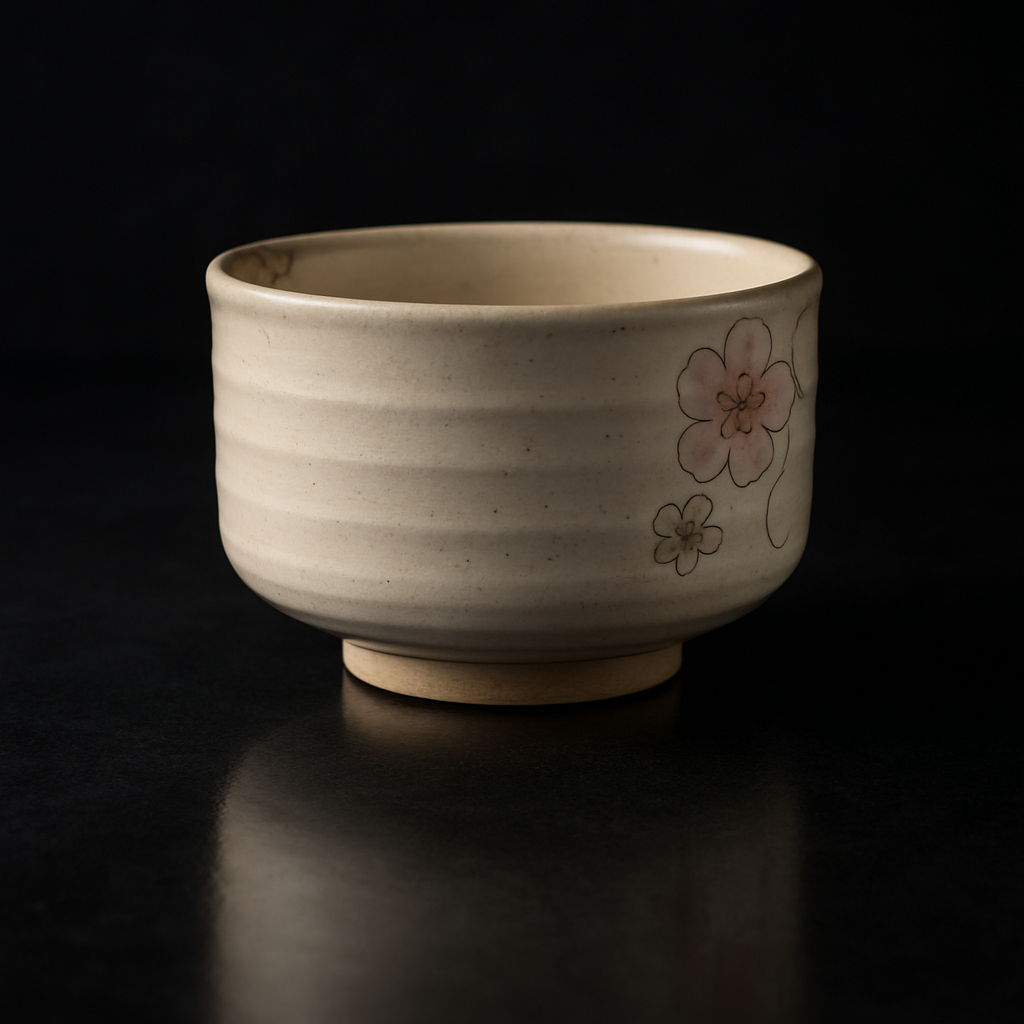
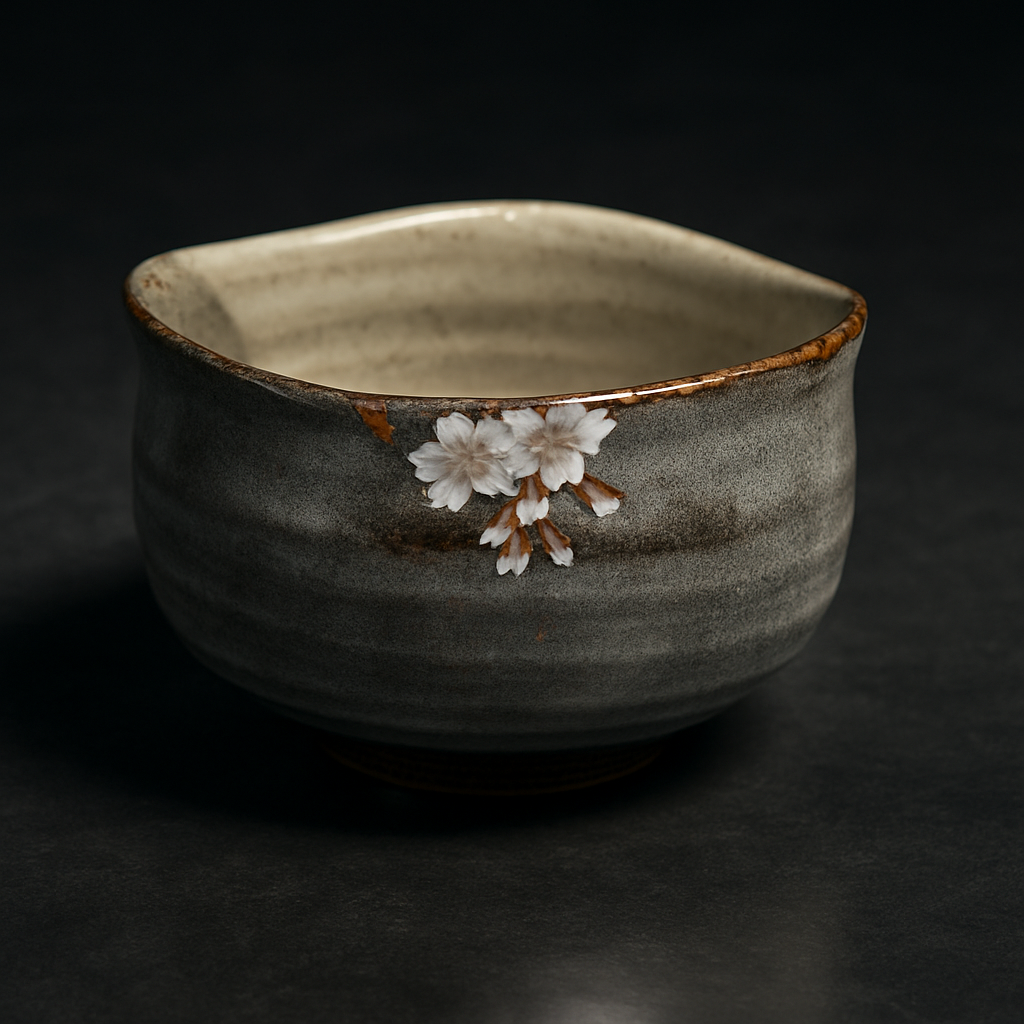
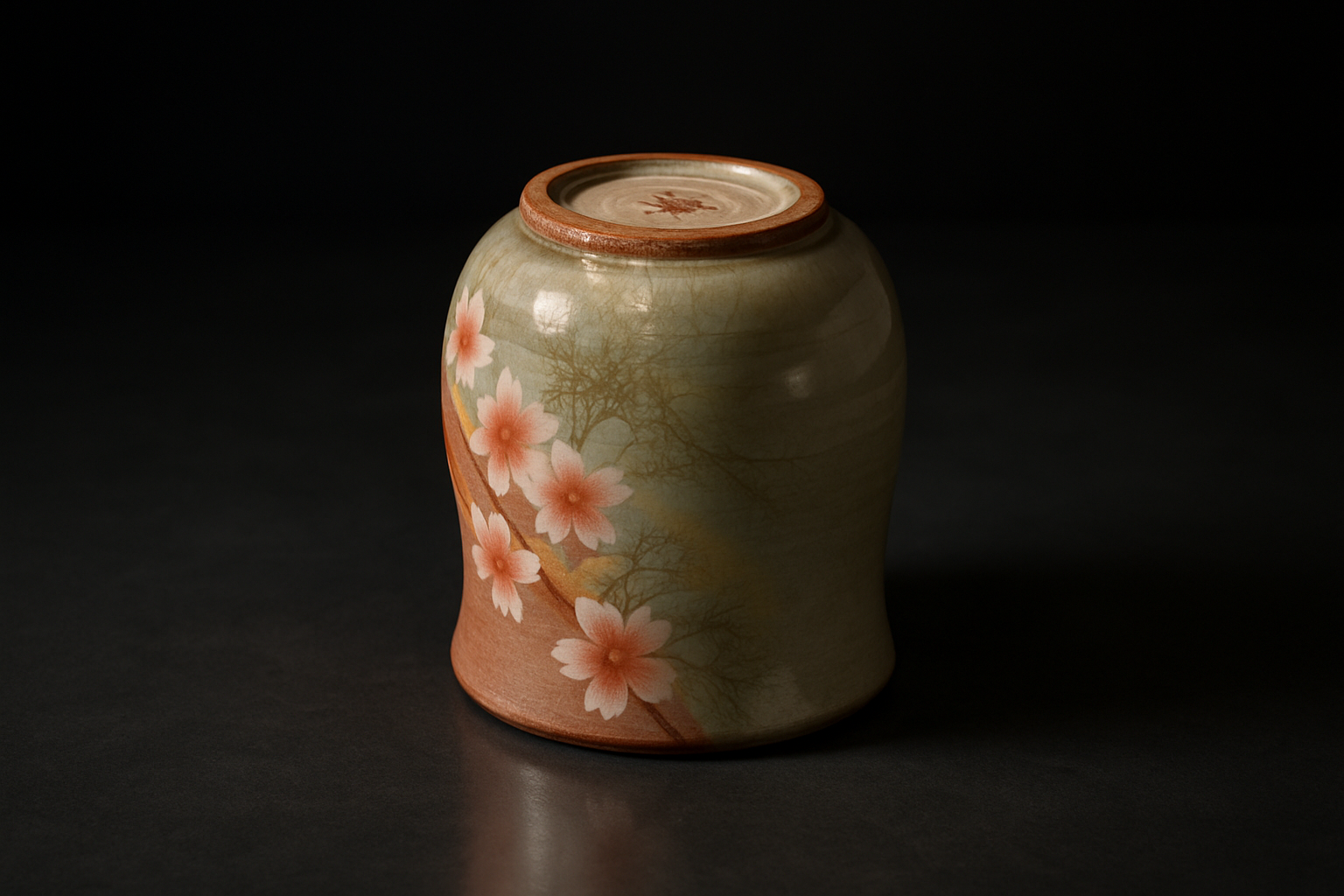
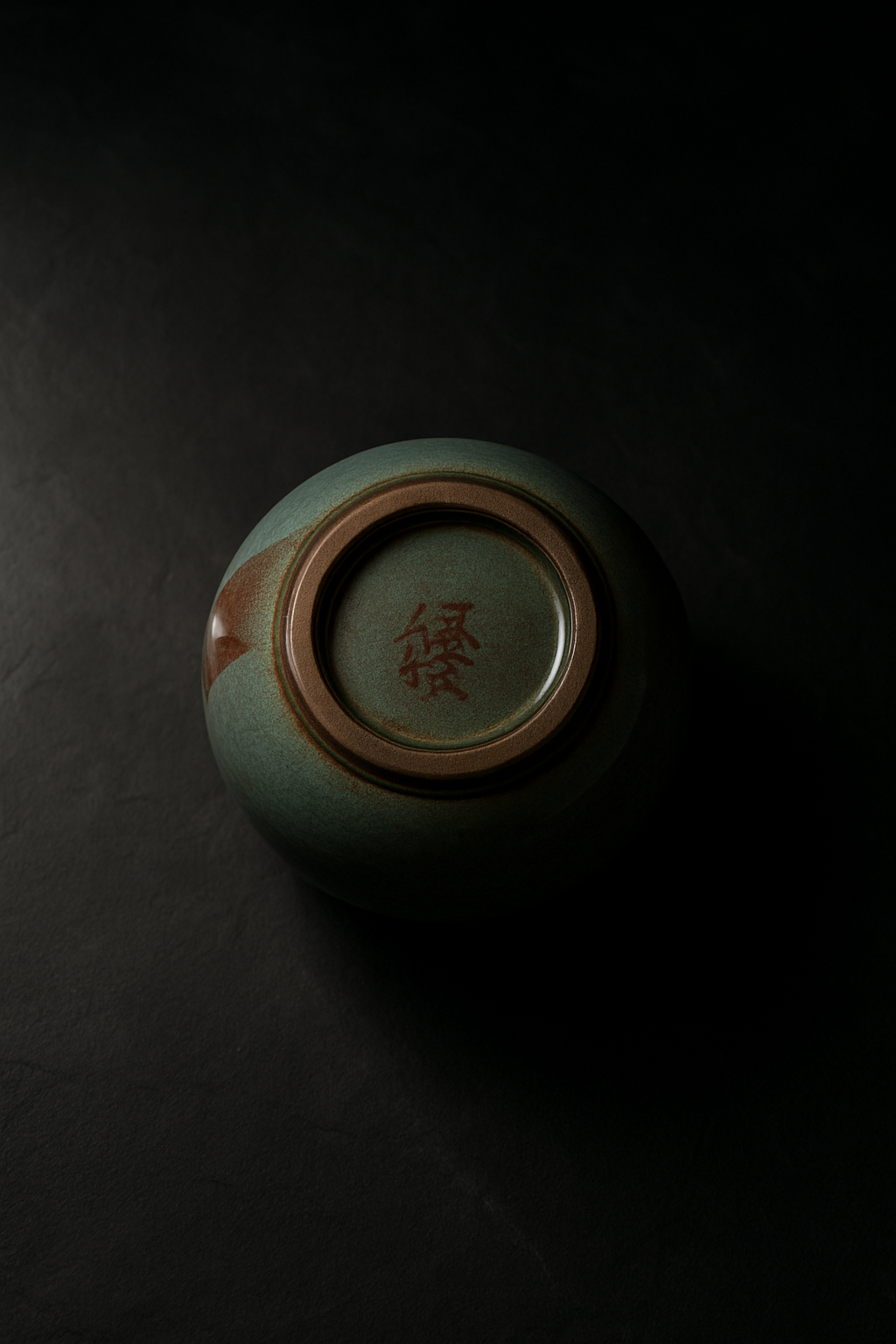
Early potters in the Seto and Tokoname regions noticed these natural deposits created surfaces unlike anything applied by hand. Glossy where ash pooled thickly. Matte where it dusted lightly. The glaze recorded the flame's path like a weather map of the firing.
What ash knows that we don't
The magic lies in flux. Wood ash contains high levels of calcium, potassium, and silica—the exact trio needed to form glass at high temperatures. But the precise ratio shifts with every tree species, every soil type, every season of harvest.
Pine ash fires differently than oak. Bamboo creates effects neither can match. A potter working with koyamaki (Japanese umbrella pine) ash develops an intimate knowledge of that specific tree's character in molten form. The glaze becomes a collaboration with the landscape.
Wood ash glaze doesn't coat a pot—it grows on it, mineral by mineral, in the heat.
This is why two pieces fired side-by-side never match exactly. The ash falls where wind and flame direct it. Thickness varies by millimeter. Iron impurities in the clay body bleed into the glaze differently at different spots. What emerges is unrepeatable.
The potter's calculation
Modern ash glazing is both more controlled and more intentional than those medieval accidents—but only slightly.
Potters today collect ash, soak it, sieve it, mix it with feldspar and clay to create a stable base. They test. Adjust. Fire sample tiles obsessively. Yet even with recipes refined over generations, the kiln still decides the final word. A draft of cool air at the wrong moment changes everything.
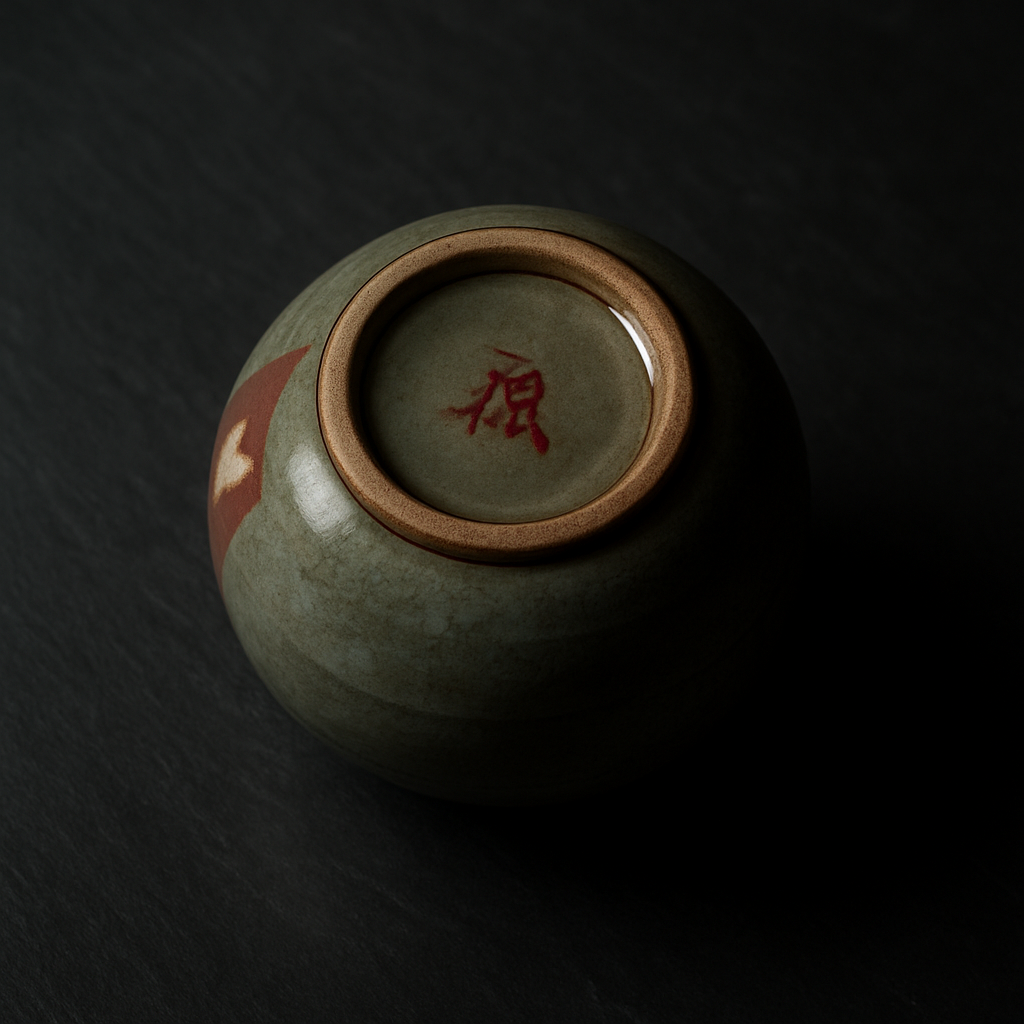
Advanced practitioners layer ash glazes—sometimes three or four applications—to build depth. They manipulate kiln atmosphere, alternating between oxidation and reduction to coax different colors from the same base glaze. They position pieces strategically, knowing exactly where the heaviest ash fall will occur.
The technique demands both precision and surrender.
Why it matters now
In an era of industrial consistency, ash glaze stands as useful resistance. It cannot be mass-produced. Cannot be perfectly duplicated. Each piece carries evidence of its specific firing—the exact curve of flame, the particular load of wood, that singular moment in the kiln's breathing.
This isn't nostalgia. It's a fundamental statement about value: that uniqueness itself holds meaning. That the hand and the flame, working together through uncertainty, create something a factory never will.
The forest enters the kiln as fuel. It leaves as glass, permanently fused to clay, carrying memory forward in mineral form.
FAQ
Chaware curates authentic Japanese crafts — straight from the makers in Japan to your table.
Explore the Chaware collection →