What Is Matcha? The Story Behind Japan's Iconic Powdered Green Tea
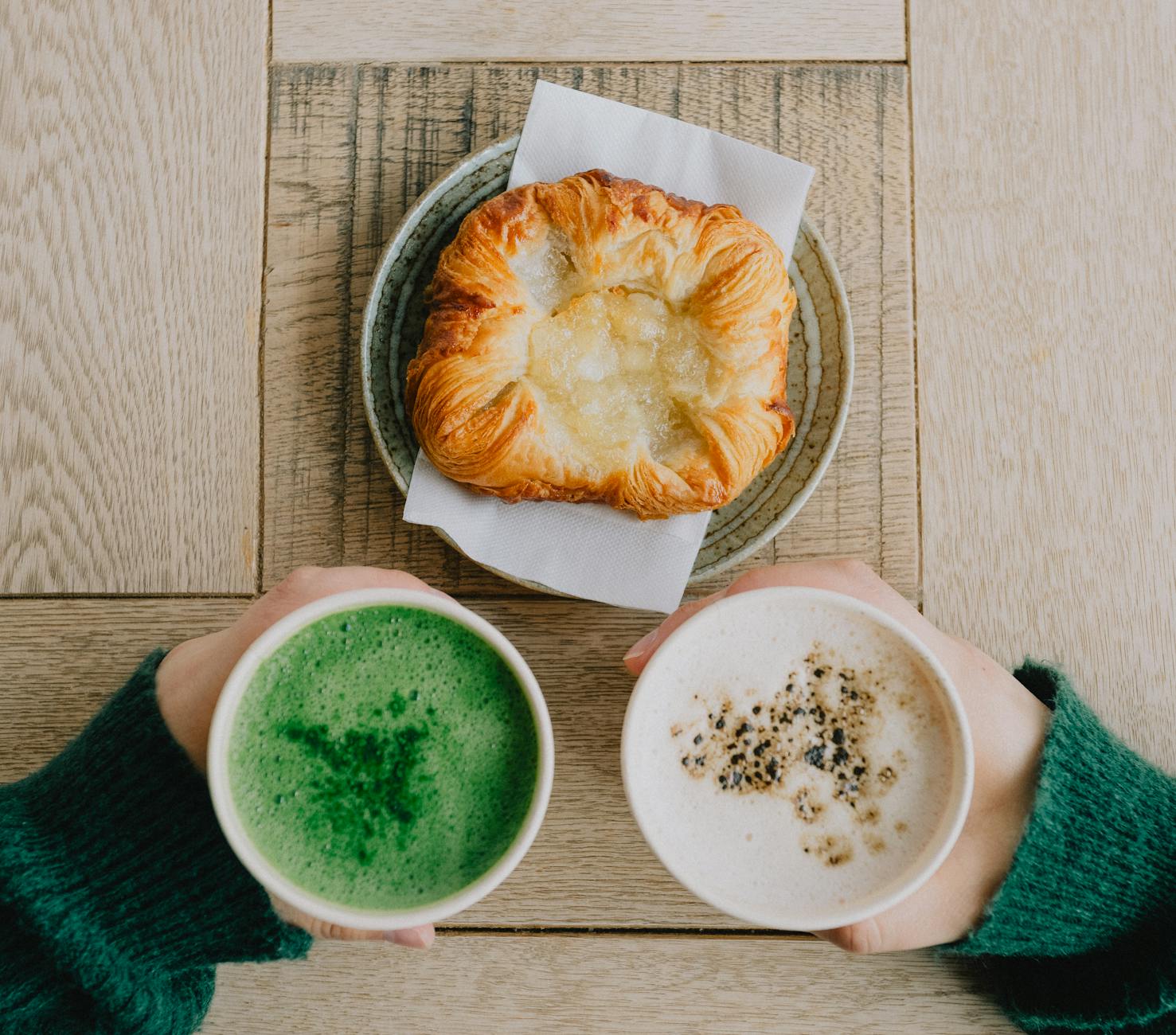
You've seen the bright green powder swirling through cafés from Tokyo to Toronto, dusting lattes and desserts with its unmistakable jade hue. But matcha is far older—and far more intentional—than the trend might suggest.
A powder with a thousand whisks behind it
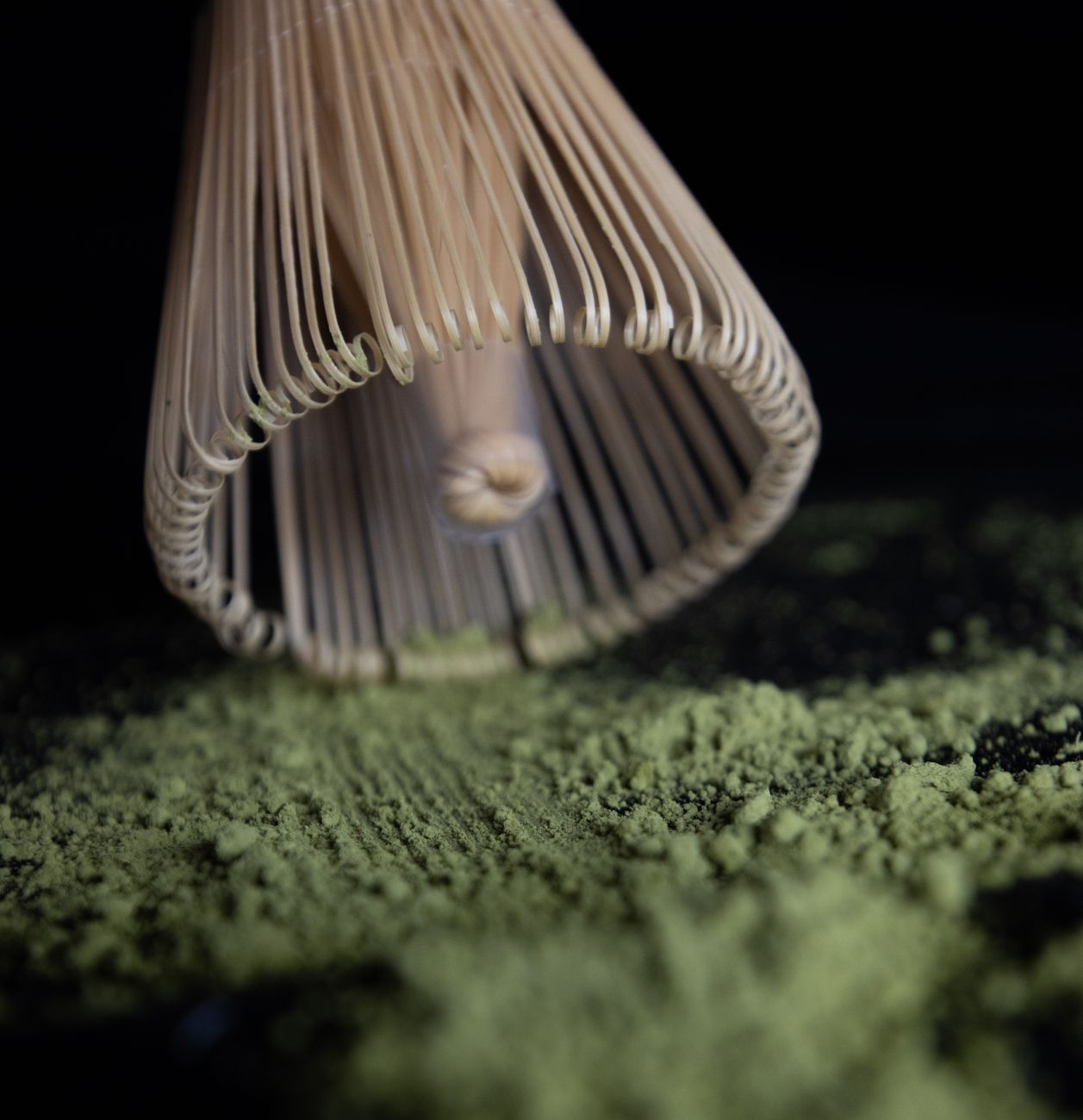
Matcha isn't just green tea that's been ground up. It's an entire leaf, stone-milled into a talc-fine powder so delicate it dissolves completely into water. You're not steeping and discarding—you're drinking the whole thing, which is why a single bowl carries more caffeine, antioxidants, and chlorophyll than any steeped tea could offer.
The leaves destined for matcha live their final weeks in deliberate shade. Farmers drape the tea fields in woven coverings, blocking up to 90% of sunlight. Starved of light, the plants panic beautifully: they flood their leaves with chlorophyll and amino acids, especially L-theanine, which lends matcha its signature creamy sweetness and that peculiar alert-calm feeling.
Zen monks and the art of staying awake
Matcha arrived in Japan from China in the late 12th century, carried home by a Buddhist monk named Eisai who recognized its potential for meditation. Monks needed to stay awake during long stretches of seated practice. Matcha delivered.
But it was the Zen practitioners who transformed drinking into discipline. The tea ceremony—chanoyu—emerged as a spiritual practice where every gesture mattered. The way you turned the bowl. The angle of the whisk. The silence between sips. Matcha became the liquid center of a philosophy: presence, simplicity, respect.
In a tea room, matcha isn't refreshment—it's punctuation in a conversation with stillness.
The difference is in the stone
Traditional matcha is still ground between granite millstones, rotating at an agonizingly slow pace—around 40 grams per hour. The stone stays cool, preserving the volatile aromatics that heat would destroy. It's painstaking, inefficient, and irreplaceable.
You'll find two main grades. Ceremonial matcha is the first harvest of spring, vibrant and sweet enough to drink with just water. Culinary matcha comes from later pickings—slightly more astringent, robust enough to stand up to milk or sugar. Both are real matcha. They simply serve different moments.
What you're actually tasting
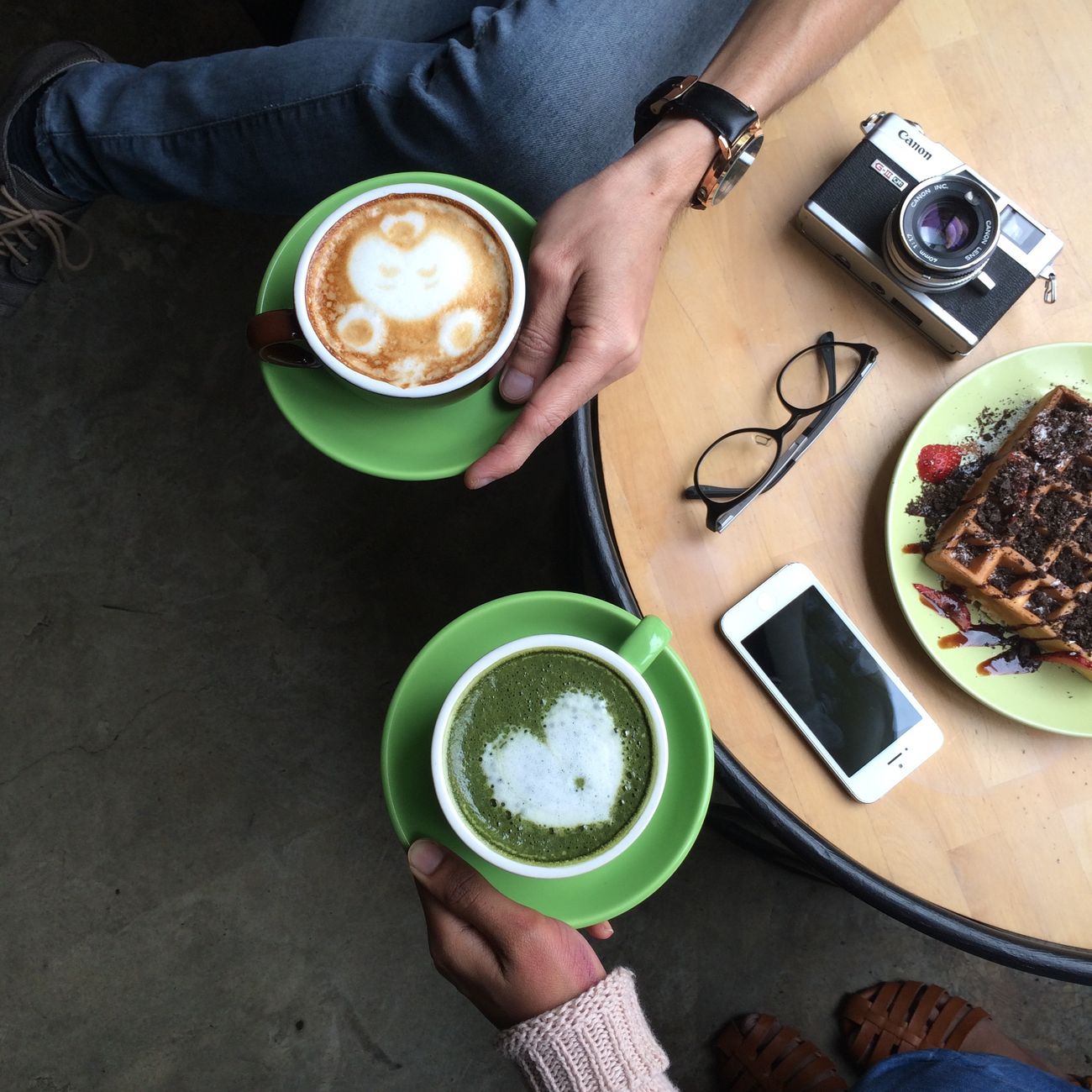
Good matcha shouldn't taste like lawn clippings. It should open with a wave of umami—that savory, almost brothy richness—followed by a natural sweetness and a whisper of bitterness that fades cleanly. The texture should be smooth, almost creamy, never chalky or gritty.
The color tells a story too. Deep, luminous green signals careful shading and freshness. Dull, yellowish powder has likely oxidized or comes from sun-grown leaves. Matcha is fragile. Once the seal breaks, it begins to fade.
Beyond the bowl
Today, matcha powders everything from croissants to face masks, and that's fine—culinary innovation keeps traditions alive in new contexts. But occasionally, it's worth preparing it the old way: a bamboo whisk, a wide bowl, water just below boiling. No milk, no sweetener, no distraction.
Just you and a bright green question mark, whisked into temporary suspension, asking you to pay attention for the three minutes it takes to drink.
FAQ
Chaware curates authentic Japanese crafts — straight from the makers in Japan to your table.
Explore the Chaware collection →