What Is Hojicha? Discover Japan's Roasted Green Tea
The first sip catches you off guard—warm, toasted, almost like drinking autumn itself.
The tea that breaks all the rules
Most Japanese green teas are prized for their vibrant, grassy brightness. Hōjicha goes the opposite direction entirely. This is tea that's been roasted over high heat until the leaves turn reddish-brown and release a fragrance somewhere between coffee, caramel, and woodsmoke. The result? A brew that's gentle, nutty, and almost caffeine-free—the kind of tea grandmothers give to children before bed.
The roasting process transforms everything. What was once astringent and vegetal becomes mellow and sweet, with none of the bitterness that can make green tea intimidating to newcomers.
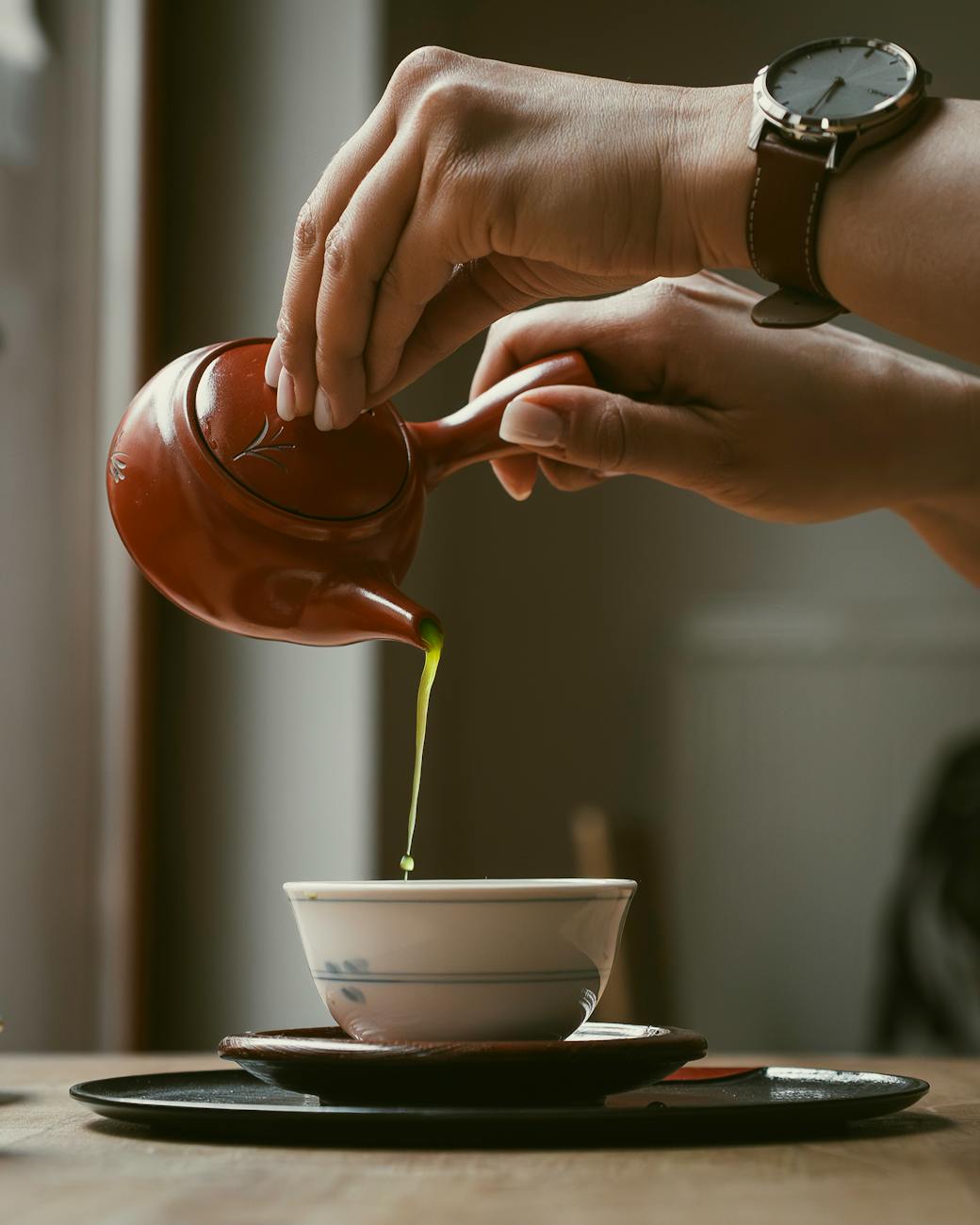
Born from thrift, perfected through craft
Hōjicha emerged in Kyoto during the 1920s, though the exact origin story varies depending on who's telling it. Some say a tea merchant roasted older leaves and stems to avoid waste. Others credit it to an accidental discovery when leaves were exposed to too much heat. Either way, what began as economy became elegance.
The roasting happens quickly—just a few minutes in a heated pan or porcelain pot called a hōroku. The leaves dance and crackle as the heat draws out oils and sugars, filling the air with that distinctive toasted aroma. Timing is everything. Too little and the flavor stays flat; too much and you're drinking charcoal.
The roasting transforms what was once sharp and grassy into something that tastes like warmth itself.
What you're actually tasting
Unlike the umami-rich sencha or the ceremonial matcha, hōjicha offers something simpler and more direct. The flavor profile leans toward toasted rice, roasted nuts, sometimes a whisper of dark chocolate. There's a natural sweetness without any added sugar, and a smoothness that makes it almost impossible to oversteep.
Because the roasting burns off most of the caffeine, hōjicha sits in a different category entirely—a tea you can drink at midnight without consequence. It's also low in tannins, which means no astringency, no bitterness coating your tongue.
How it fits into Japanese life
Walk through a traditional neighborhood in Kyoto or Tokyo in the evening, and you might catch the scent of hōjicha drifting from kitchen windows. It's the everyday tea—unpretentious, comforting, the kind served after dinner or alongside simple sweets.
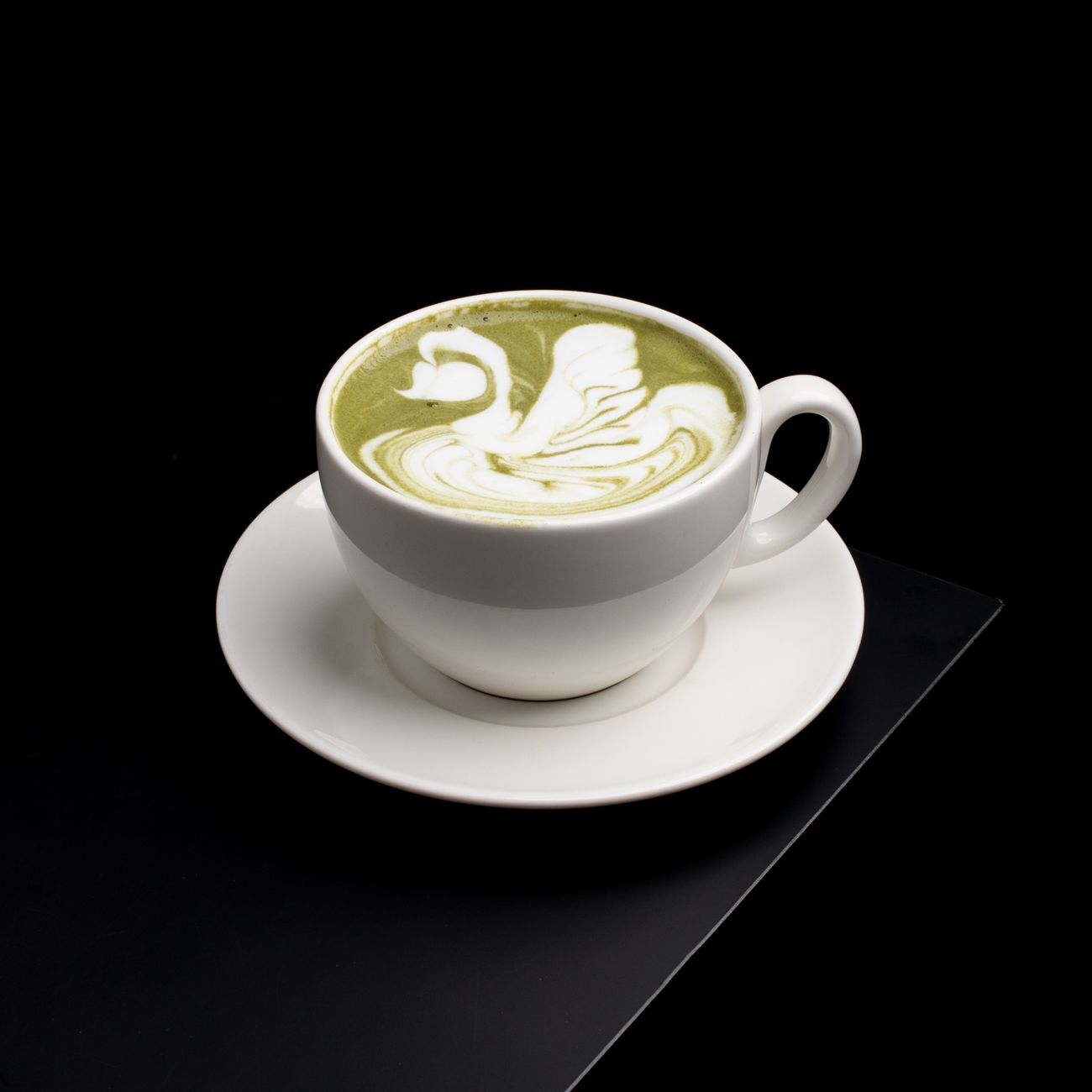
You'll find it cold in vending machines during summer. Whisked into lattes at modern cafés. Infused into ice cream, cookies, even savory dishes where its smokiness adds unexpected depth. But it's just as good—perhaps better—served hot in a simple cup, no ceremony required.
The leaves themselves often include stems and mature leaves that would be considered lower grade in other tea categories. In hōjicha, they're assets. The stems contribute a natural sweetness; the larger leaves carry the roasted flavor beautifully.
The cup that welcomes everyone
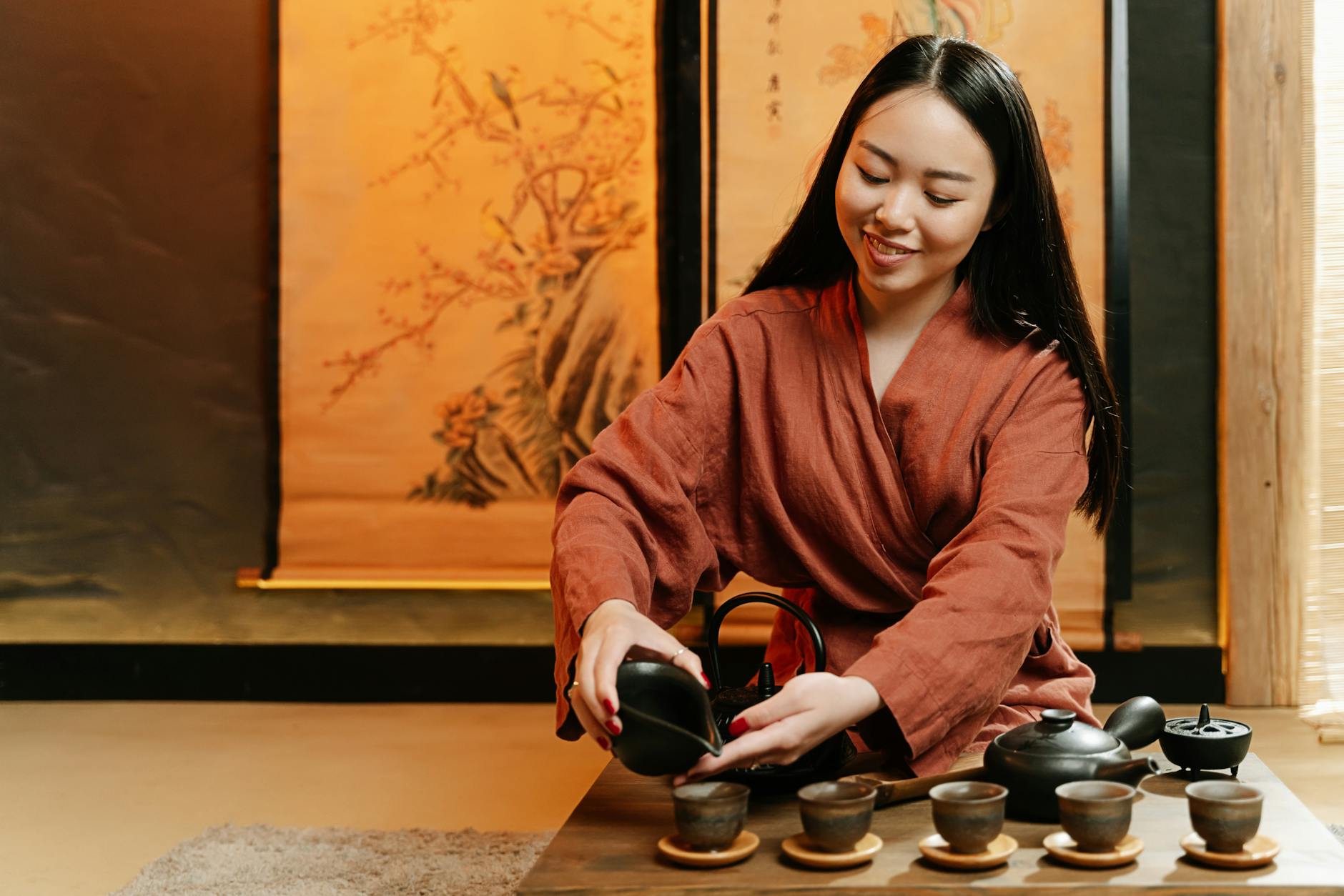
This is the tea that doesn't ask much of you. No precise water temperature to worry about. No complicated steeping ritual. No acquired taste to develop. Just leaves, heat, water, and that unmistakable toasted comfort.
It's tea for people who think they don't like tea—and for devoted tea lovers who want something entirely different at the end of a long day.
A brew that smells like a memory you haven't made yet.
FAQ
Chaware curates authentic Japanese crafts — straight from the makers in Japan to your table.
Explore the Chaware collection →