Shoji Hamada and the Revival of Mashiko Folk Pottery
On this page
A quiet potter's wheel in a small Japanese town. A man who turned his back on fame to rediscover what his hands already knew.
Shoji Hamada didn't invent Mashiko folk pottery—he saved it from obscurity and, in doing so, changed how the world understands the value of the everyday object. His story is less about individual genius and more about listening: to clay, to fire, to the unbroken line of anonymous makers who came before him.
The potter who chose anonymity
In 1924, Hamada was already an accomplished ceramicist with connections to England's studio pottery movement. He'd worked alongside Bernard Leach, exhibited internationally, understood modernism. Yet he chose Mashiko, a rural town north of Tokyo known mainly for its utilitarian wares—storage jars, sake bottles, nothing precious.
Why there? Because Mashiko clay was coarse and honest. Because its kilns were built for function, not refinement. Because in that ordinariness, Hamada sensed something the art world had forgotten: that beauty doesn't require intention, only integrity.
He never signed his work.
Mingei and the revolution of the humble
Hamada became the living embodiment of the mingei (folk craft) philosophy championed by his friend Yanagi Soetsu. The idea was radical for its time: the most profound beauty emerges not from the studio of a famous artist, but from the hands of unknown craftspeople making objects for daily use.
True craft doesn't announce itself—it simply becomes indispensable.
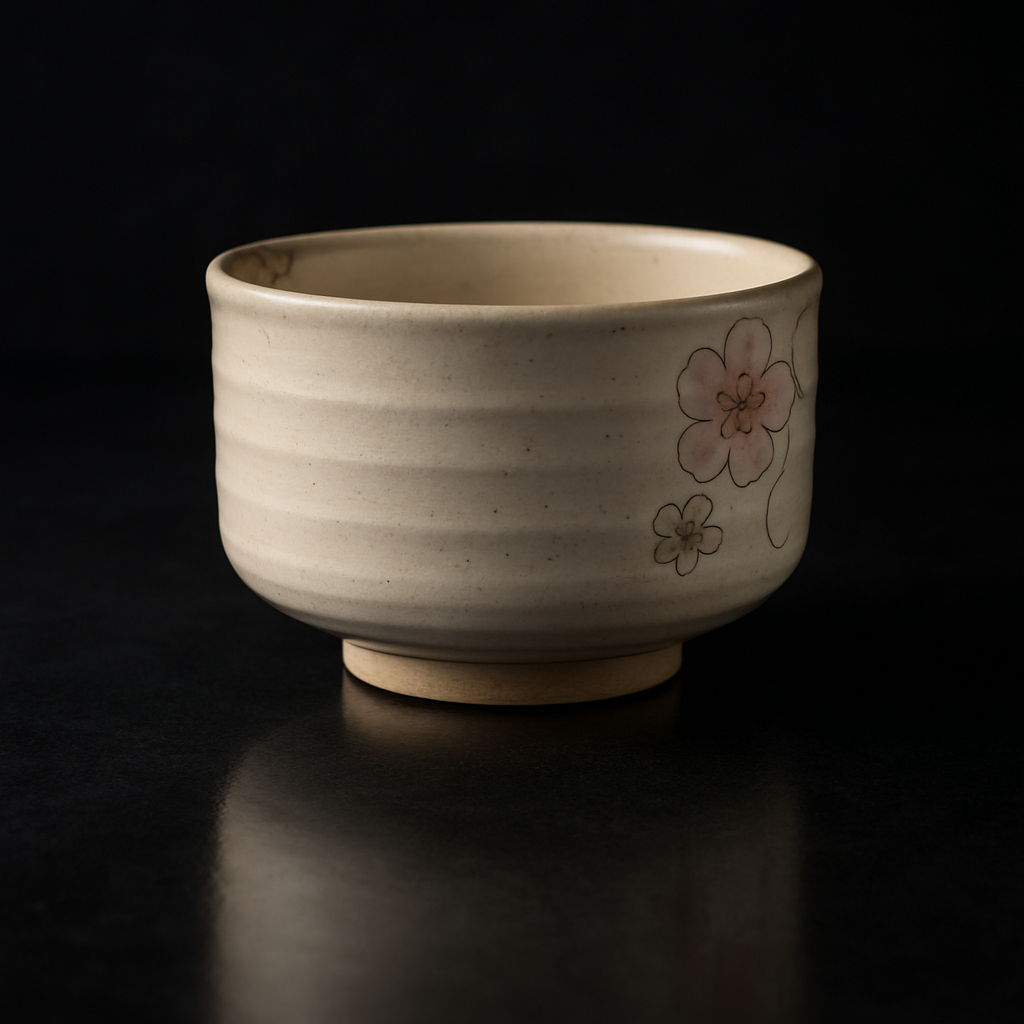
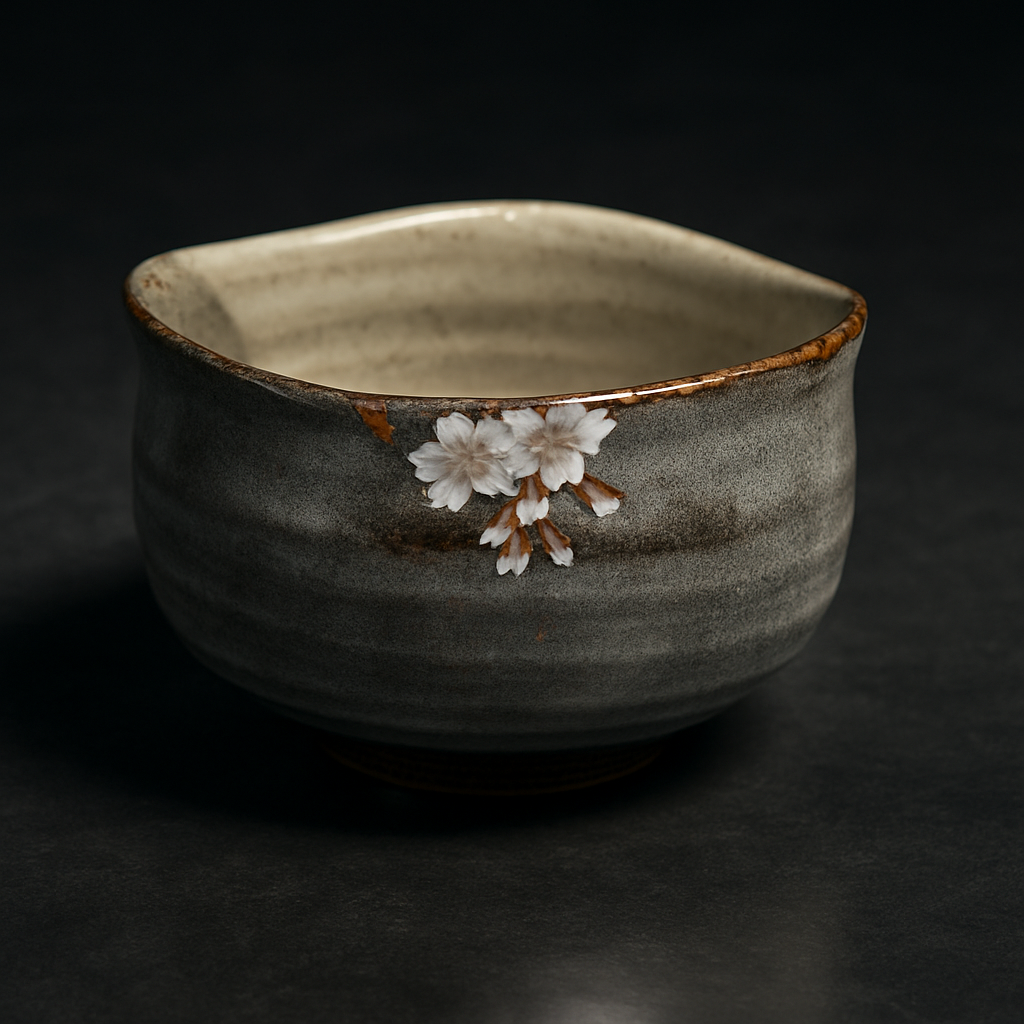
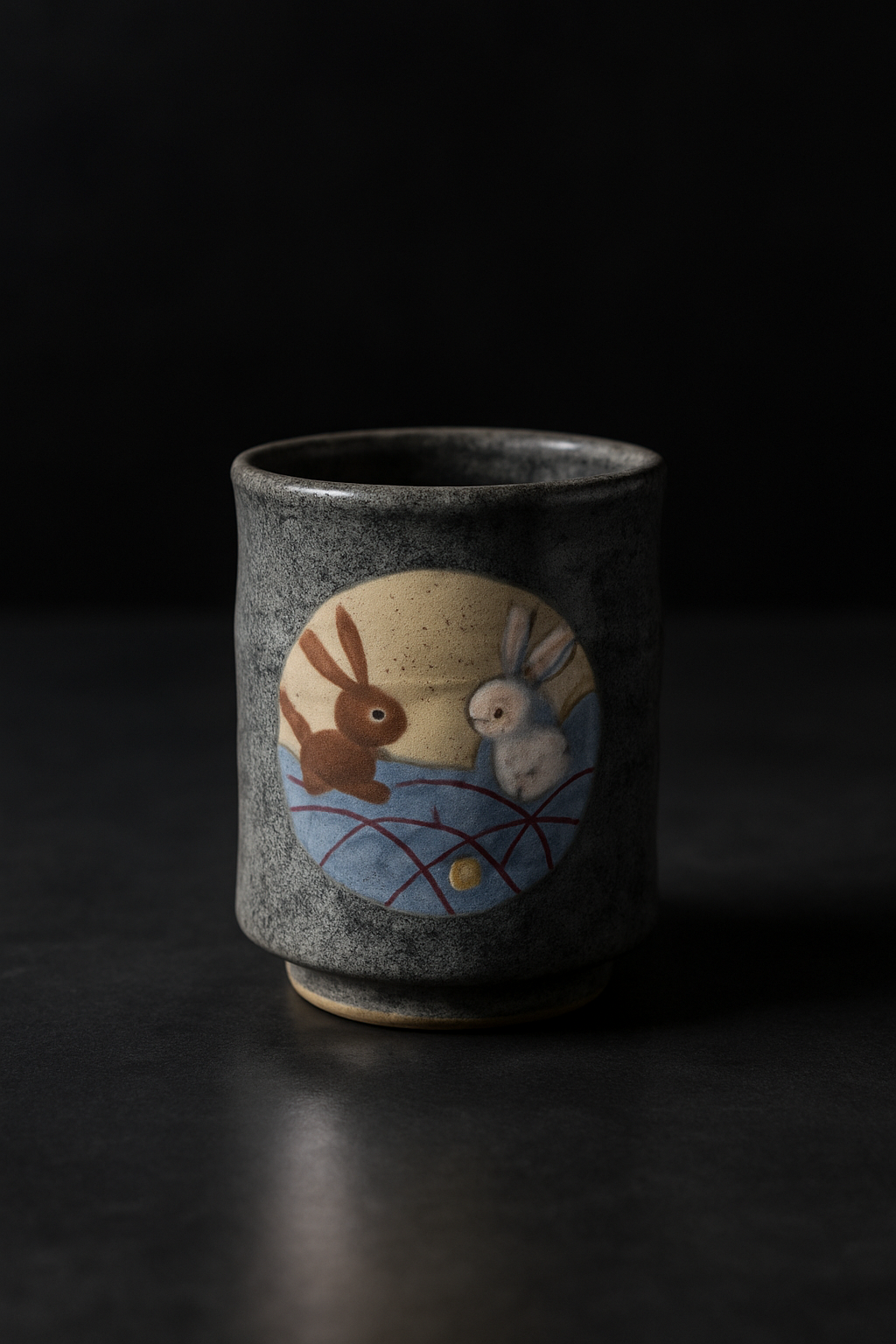
Mashiko ware before Hamada was sturdy, brown-glazed, practical. Farmers used it. No one collected it. Hamada didn't "elevate" these forms—he inhabited them. His teacups, plates, and vases retained the thick walls and casual asymmetry of folk pottery, but his glazes sang: amber persimmon, iron black, nuka (rice-husk ash) white that pooled like morning mist.
He worked without sketches. The wheel, the glaze bucket, the climbing kiln—these were his collaborators.
What Mashiko clay remembers
The clay around Mashiko is grainy, full of iron, difficult. It doesn't cooperate easily. Hamada loved this. He wanted resistance, wanted the material to have a say in the final form. When you hold a Hamada bowl, you feel weight and texture—it sits in your palm with quiet authority.
His technique drew from Korean Joseon-era pottery, from English slipware, from Okinawan tsuboya traditions. But it never felt borrowed. Mashiko became a place where influences dissolved into something unmistakably itself: unpretentious, warm, built to be used and loved into smoothness.
After World War II, as Japan modernized rapidly, Hamada's workshop became a pilgrimage site. Potters from around the world came to watch him work in silence, to understand how someone could be so accomplished yet so egoless.
The lineage that refuses to fade
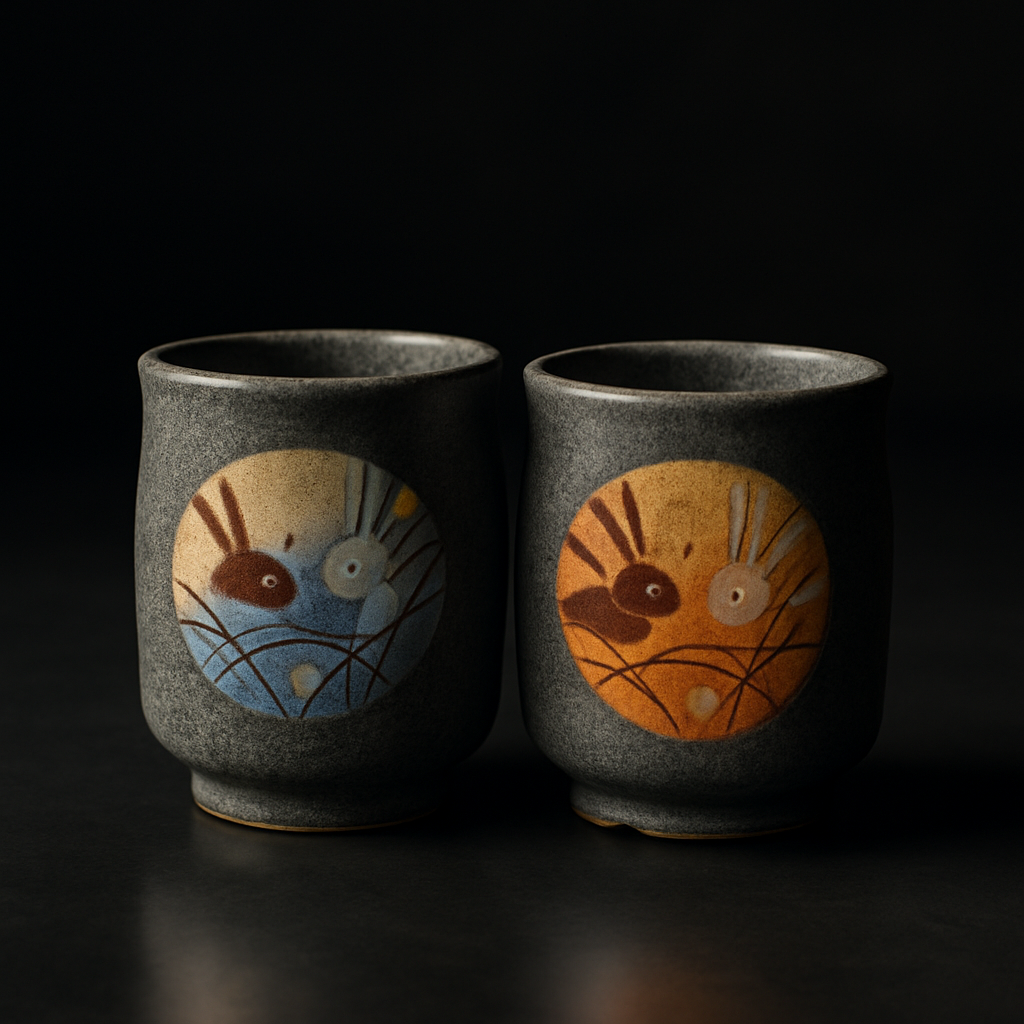
Hamada was designated a Living National Treasure in 1955, an irony he accepted with characteristic humility. He continued working in Mashiko until his death in 1978, and the town remains a pottery center today—over 300 kilns, galleries lining the streets, young makers still wrestling with that stubborn local clay.
His influence extends far beyond technique. He proved that craft could be both humble and profound, that a rice bowl could carry as much meaning as a museum sculpture. Mashiko folk pottery, once destined for obscurity, now represents a philosophy: make things that serve, that endure, that grow more beautiful as they're used.
The wheel still turns in Mashiko, and the clay still remembers his hands.
FAQ
Chaware curates authentic Japanese crafts — straight from the makers in Japan to your table.
Explore the Chaware collection →