How Indigo Dyeing Shapes the Soul of Japanese Textiles
On this page
The first time you hold fabric dyed with true indigo, you understand: this isn't just color. It's depth you can almost taste.
The Blue That Built a Nation
Japan's love affair with indigo—aizome in Japanese—runs so deep that foreign visitors in the 19th century nicknamed the country "the land of blue." Walk through any historical district today and you'll still see it: the faded navy of cotton noren curtains, the midnight saturation of a craftsman's work jacket, the soft chambray of well-worn yukata. Indigo wasn't fashion. It was infrastructure.
The dye came from the leaves of the ai plant, Persicaria tinctoria, cultivated across Japan but perfected in Tokushima on Shikoku island. Farmers would harvest, ferment, and dry the leaves into hardened cakes called sukumo—a process that took a hundred days and the kind of microbial alchemy that modern chemists still study with respect.
The Vat That Never Sleeps
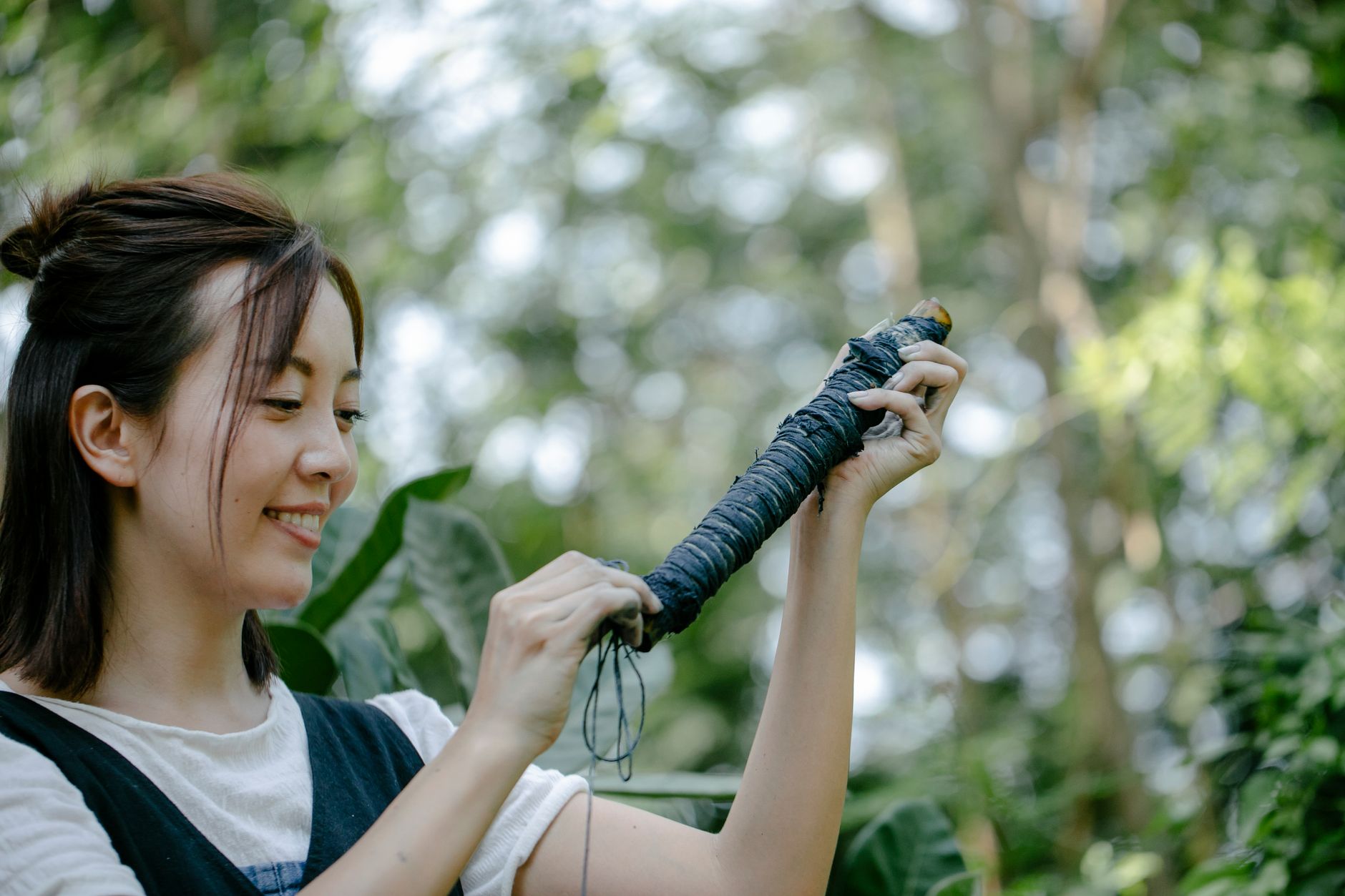
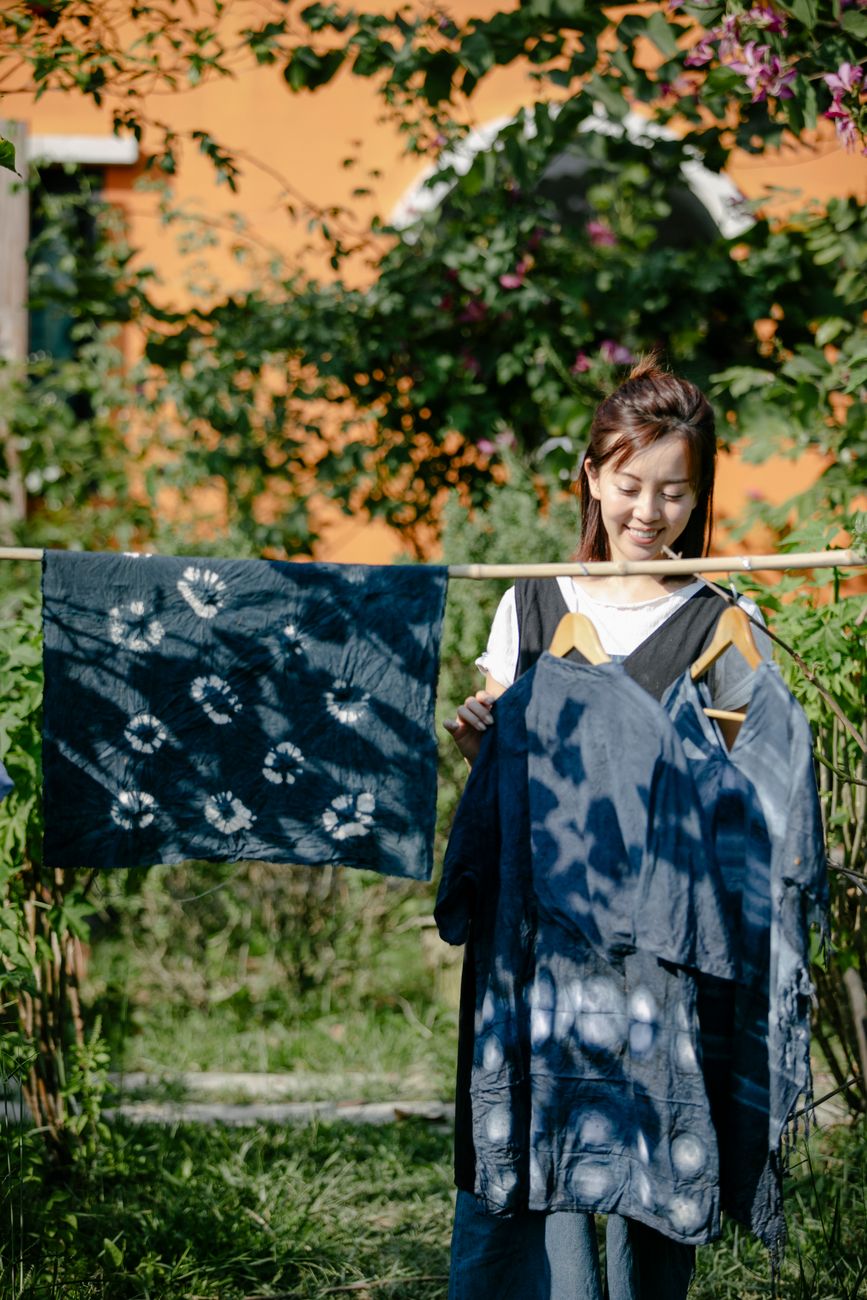
Here's what makes indigo different: it doesn't dissolve in water. To dye anything, you need to coax it into a living fermented vat—a kame—where it exists in a reduced, yellowish state. Dip your cloth in, pull it out into the air, and watch chemistry happen in real time. The fabric blooms from yellow-green to turquoise to deep blue as oxygen hits the fibers.
The deeper the blue, the more times the cloth has been baptized in the vat.
Traditional dyers tend their vats like gardeners. They adjust pH with wood ash. They feed the fermentation with wheat bran and sake. They learn to read the surface foam—the ai no hana, "indigo flowers"—to know when the vat is ready. Some vats have been maintained for generations, their microbial cultures inherited like heirlooms.
More Than Beauty
Indigo's dominance in Japanese textiles wasn't purely aesthetic. The dye had practical magic: it repelled insects, resisted flame, and grew softer with age instead of degrading. Fishermen wore indigo because it protected against jellyfish stings. Firemen layered indigo-dyed cotton for heat resistance. Farmers chose it because the fabric could withstand endless washing in rivers.
This is why sashiko—that distinctive white-stitched reinforcement pattern—appears almost exclusively on indigo cloth. You mended what was precious. And indigo work clothes were precious precisely because they lasted.
The color also carried symbolic weight. Samurai wore indigo under their armor. It didn't show blood. Merchants adopted it during sumptuary laws that forbade them from wearing bright colors—indigo's "sober" appearance masked its expense and the pride they took in subtle gradations of shade.
The Hand of Repetition
What strikes you most about aizome textiles isn't uniformity—it's variation. No two pieces wear the same way. Indigo fades where friction occurs: elbows, knees, the edges that hands touch most. The Japanese have a word for this: aji, the flavor that emerges through use.
Modern synthetic indigo can replicate the color in one dip. But it can't replicate the layered translucency of natural indigo, the way light seems to sit inside the fiber rather than on top of it. Natural indigo creates what dyers call Japan Blue—a color that somehow looks both ancient and impossibly contemporary.
The vats still bubble in Tokushima. Artisans still dip and oxidize, dip and oxidize, building blue the old way. Not because it's efficient, but because some depths can't be rushed.
And that blue—that particular, irreplaceable blue—still shapes how Japan sees itself.
FAQ
Chaware curates authentic Japanese crafts — straight from the makers in Japan to your table.
Explore the Chaware collection →