The Hidden Meaning of Tea Room Architecture: Reading Space as Philosophy
On this page
You step through a doorway so low you must bow. The gesture is not an accident.
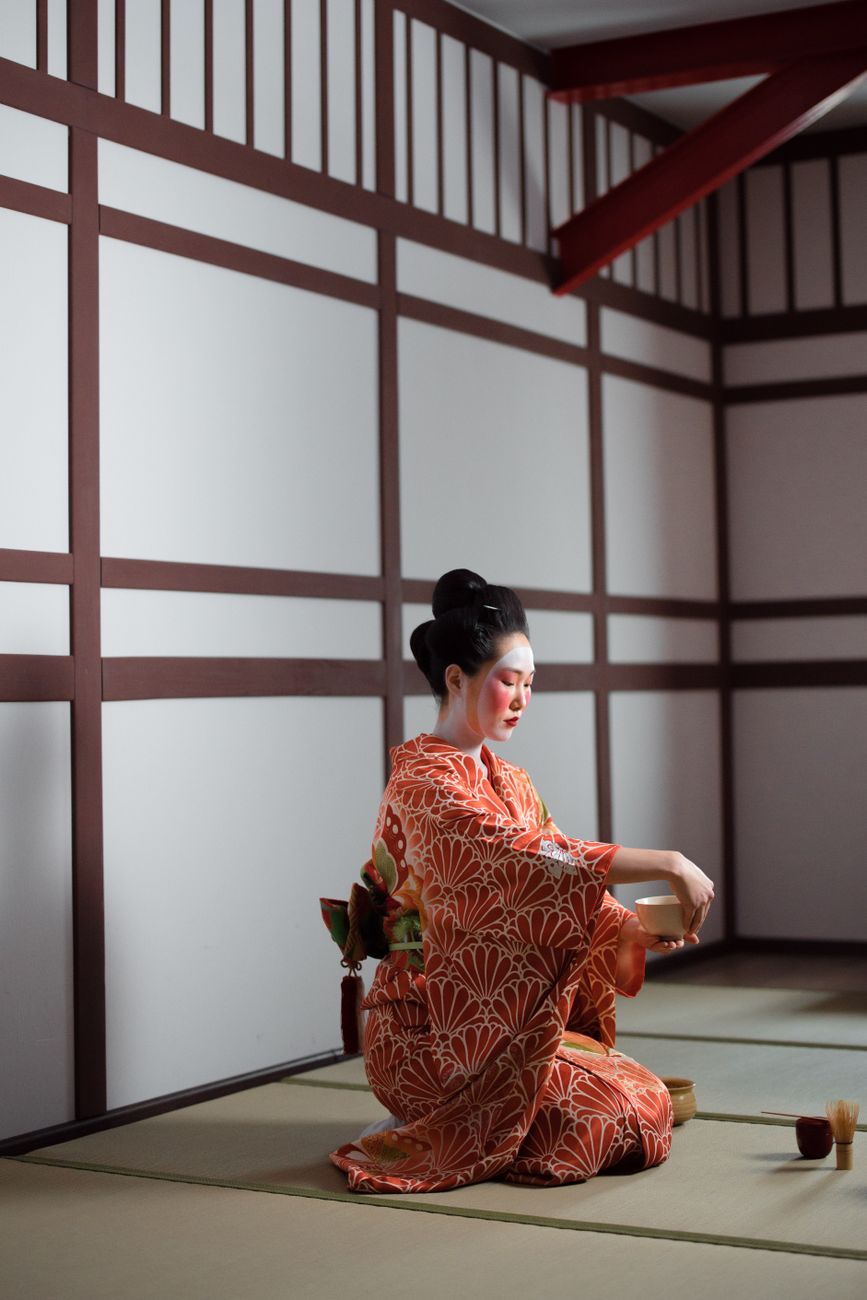
Every dimension, every material, every sightline in a Japanese tea room is a sentence in a larger argument about what it means to be human. Sukiya architecture—the design language of tea spaces—doesn't just house the ceremony. It is the ceremony, written in wood and shadow and negative space.
The Door That Makes You Small
The nijiriguchi, that famously diminutive entrance, forces even the most powerful guest onto hands and knees. Samurai left their swords outside. Merchants shed their wealth at the threshold.
You enter as nothing but yourself.
This compression is intentional humility, yes—but it's also theatrical contrast. The crawl through darkness makes the room's dim, carefully measured light feel like emergence. Birth. The architecture manipulates your body to prepare your mind.
Imperfection as Honesty
Look closely at the alcove post, the tokobashira. It's often a branch with bark still attached, a curve that defies the right angle. In a culture capable of extraordinary precision, this roughness is a choice.
The aesthetic principle of wabi-sabi doesn't celebrate flaws—it recognizes that perfection is a kind of lie. The unfinished pillar, the deliberately asymmetric window, the clay wall that shows the mark of the plasterer's hand: these elements reject the idea that beauty requires dominance over material. Instead, they propose collaboration with impermanence.
The tea room teaches through what it withholds as much as what it offers.
The ceiling height shifts. One corner drops lower, creating intimacy. Materials change mid-surface—bamboo gives way to reed, then rush. Your eye never settles. You remain alert, present, unable to glaze into habit.
Light as Language
Western architecture often floods spaces with light, as if brightness equals truth. The tea room disagrees.
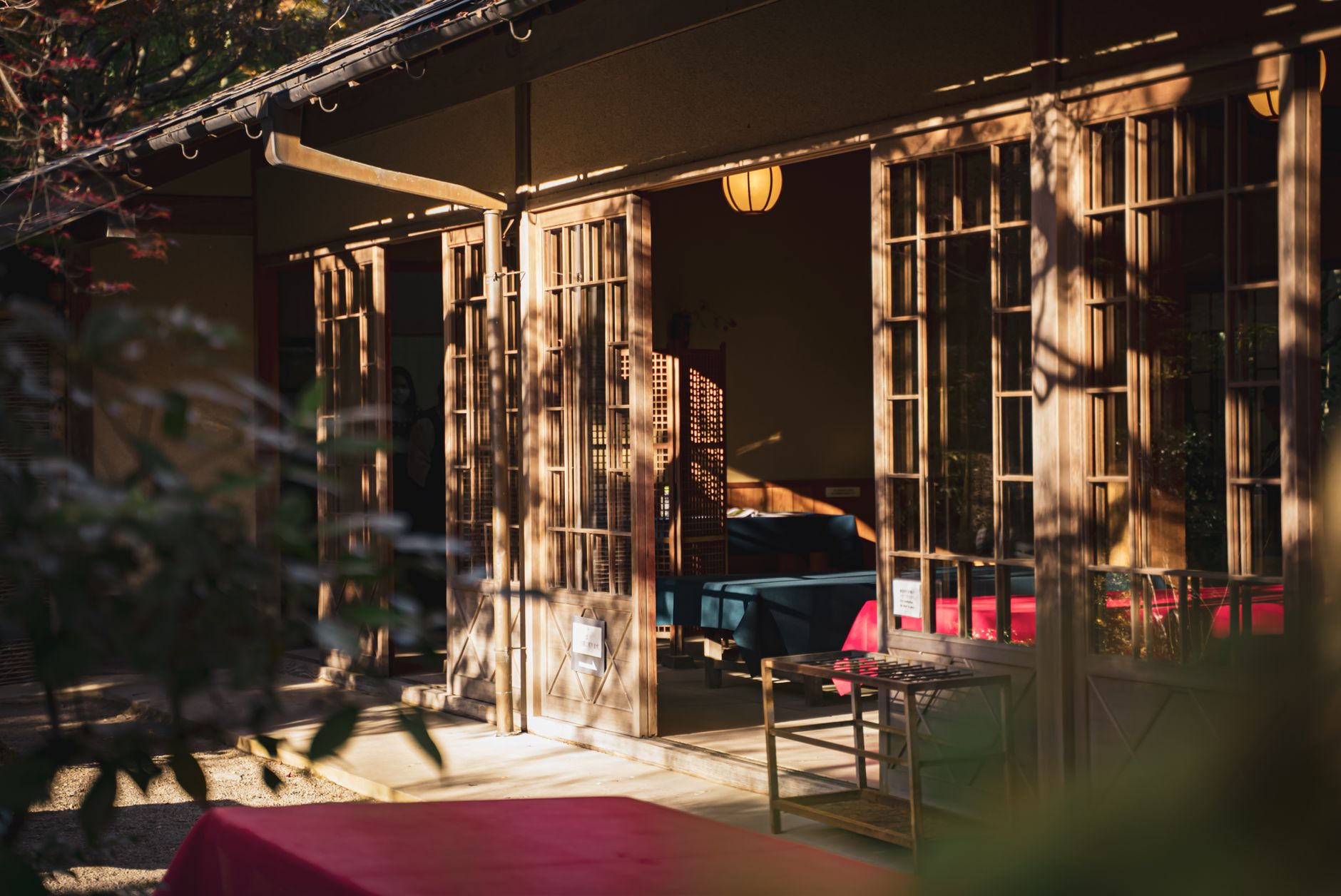
Shoji screens filter sunlight into something softer, almost tangible. Shadows pool in corners. A single flower in the alcove catches just enough illumination to glow without shouting. The novelist Tanizaki Jun'ichirō wrote that traditional Japanese aesthetics find beauty in shadows, in the suggestion rather than the declaration.
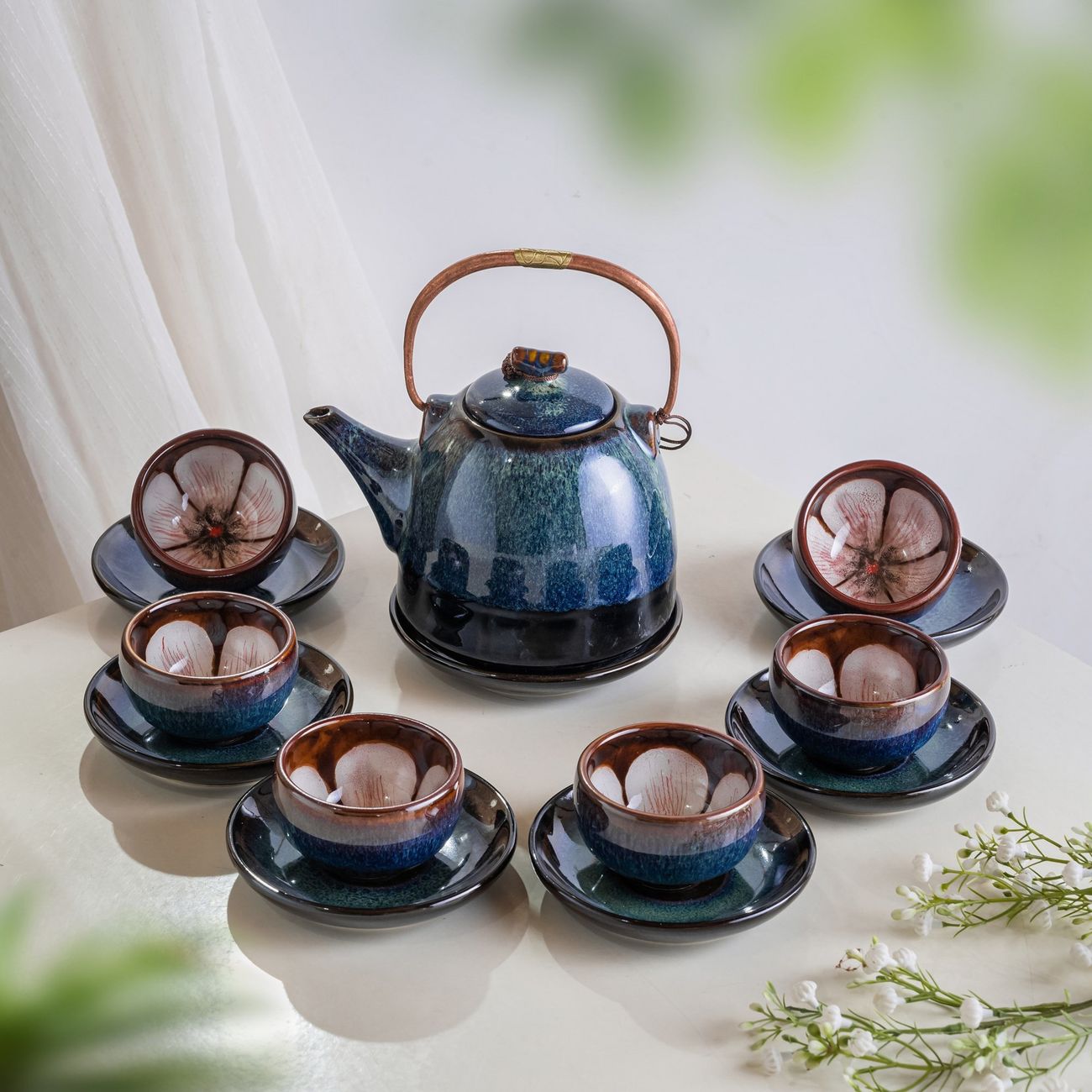
In this calculated dimness, a black raku tea bowl becomes a universe. The minimal light forces you to lean in, to focus, to notice the subtle. The room is teaching you how to see.
The View You Cannot Keep
Many tea rooms include a window strategically placed to frame a fragment of garden—a stone, a branch, moss after rain. But the view is always partial, often deliberately obscured by an interior wall that blocks half the sightline.
You must shift, crane, imagine the rest. The architecture refuses to give you the whole picture at once. It's training in acceptance: beauty exists whether or not you possess it completely. The garden doesn't perform for you. You've been invited to witness a moment of its ongoing life.
The four-and-a-half mat room—yojohan—became the standard not because of mysticism, but because that size creates productive tension. Close enough to share silence. Not so close that comfort disappears.
##
Walk out through that low door and the ordinary world feels different. Larger. Louder. The tea room's architecture is a controlled experiment in consciousness, a proposition that space can shape spirit. The building asked you a question. Whether you heard it depends on how carefully you learned to listen in the dark.
FAQ
Chaware curates authentic Japanese crafts — straight from the makers in Japan to your table.
Explore the Chaware collection →