Understanding the 72 Ko: Japan's Poetic Micro-Seasons
On this page
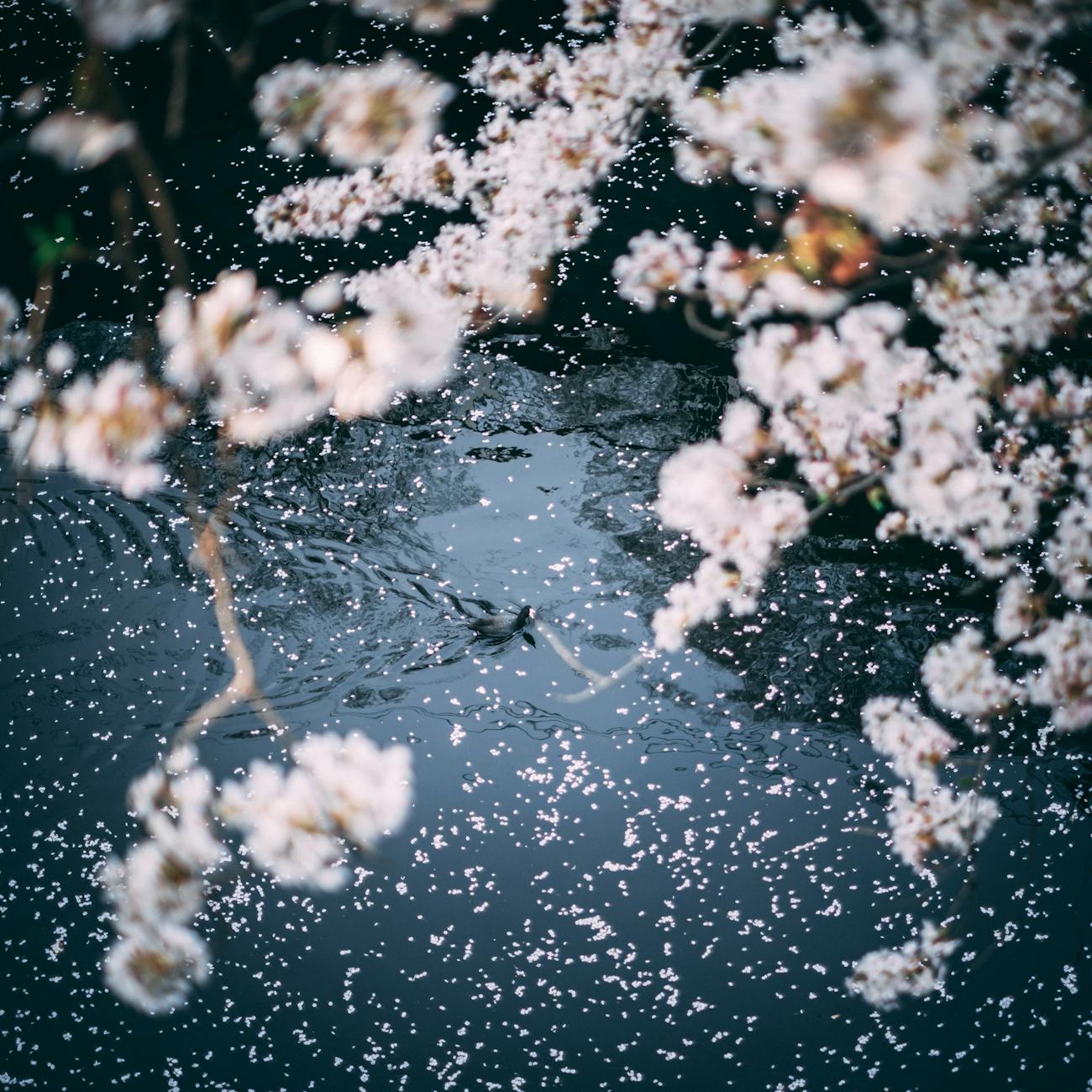
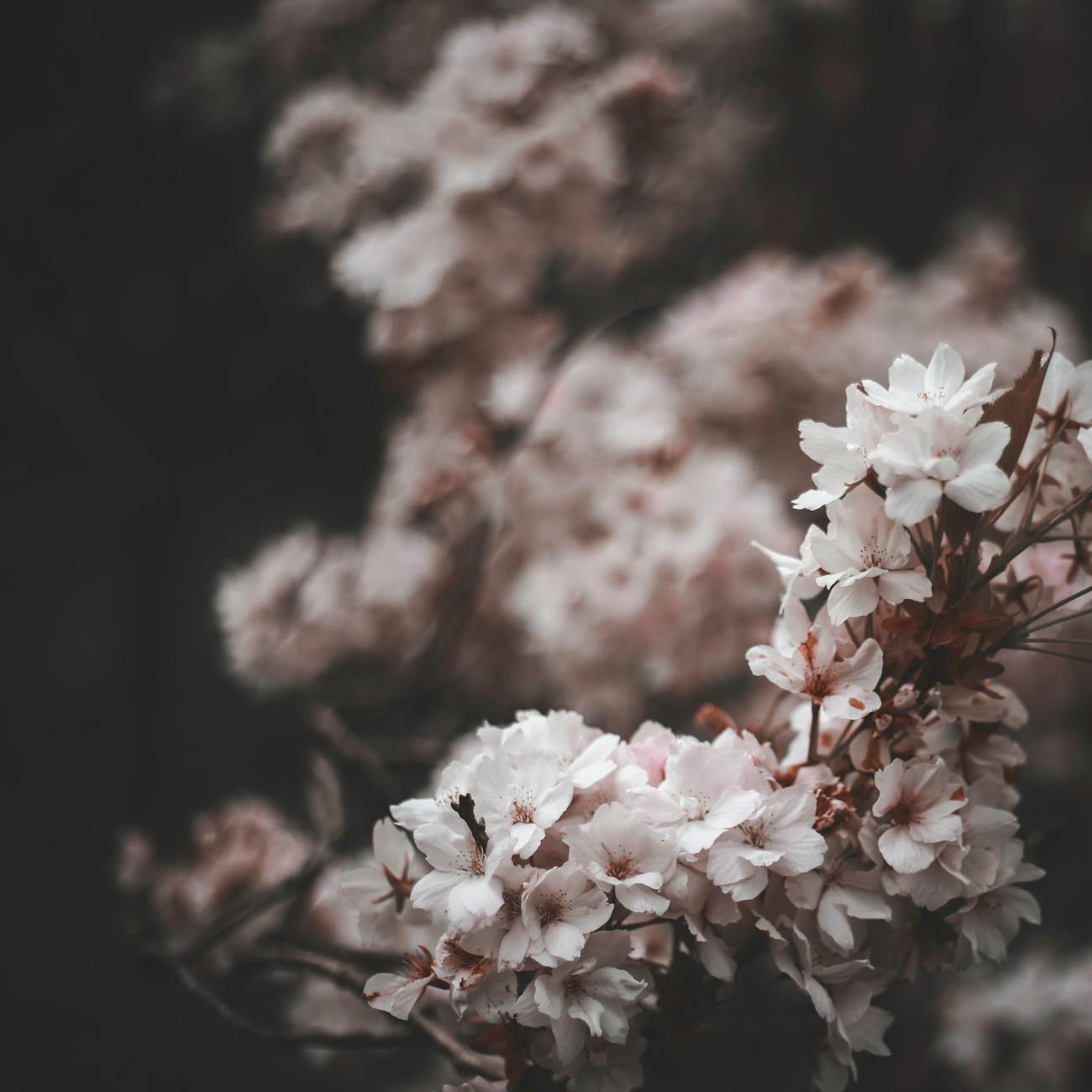
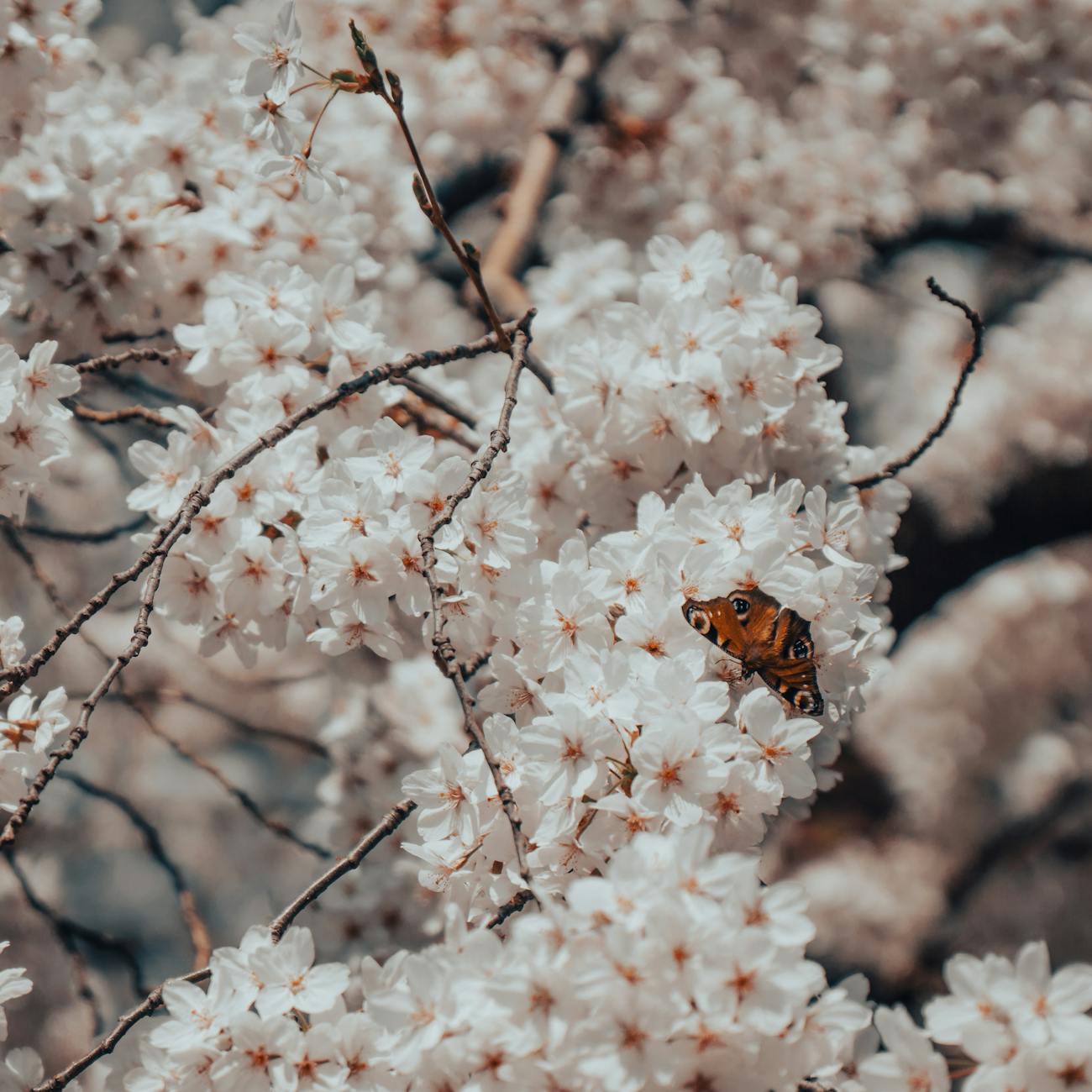
The calendar says spring arrived three weeks ago, but step outside in Kyoto and you'll notice something else entirely: the east wind has shifted, carrying the scent of plum blossoms that weren't there yesterday.
Welcome to the world of 72 ko (七十二候), Japan's ancient system of micro-seasons that divides the year not into four broad strokes, but into seventy-two precise, five-day whispers of change.
When five days is a lifetime
Most of us mark time in months, maybe weeks. The 72 ko system asks you to slow down further—way further. Every five days, nature crosses an invisible threshold. Sparrows start building nests. Peach blossoms bloom. The first cicadas call. Each micro-season has a name, a three-to-five character phrase that reads like a haiku: "Mist starts to linger." "Crickets chirp around the door." "Rainbows hide away."
This isn't poetic whimsy. For over a thousand years, these observations guided farming, fishing, and daily life across Japan.
Borrowed from China, rewritten in Japanese soil
The system originated in ancient China as part of a lunisolar calendar, but when it arrived in Japan during the Asako period, something interesting happened. The original 72 micro-seasons didn't quite fit. Chinese bamboo shoots emerged at different times than Japanese ones. Swallows migrated on different schedules.
So Japan rewrote them.
The current Japanese version was refined during the Edo period, grounded in the specific rhythms of the archipelago's climate, flora, and fauna. The result feels intimately local—these aren't abstract seasons that could describe anywhere. They describe here.
The 72 ko don't tell you what month it is; they tell you what the world is doing right now.
Reading the invisible calendar
Each micro-season sits within a larger framework. The year begins with sekki (節気), 24 solar terms that mark major shifts like the spring equinox or summer solstice. Each sekki contains three ko, creating that 72-part division.
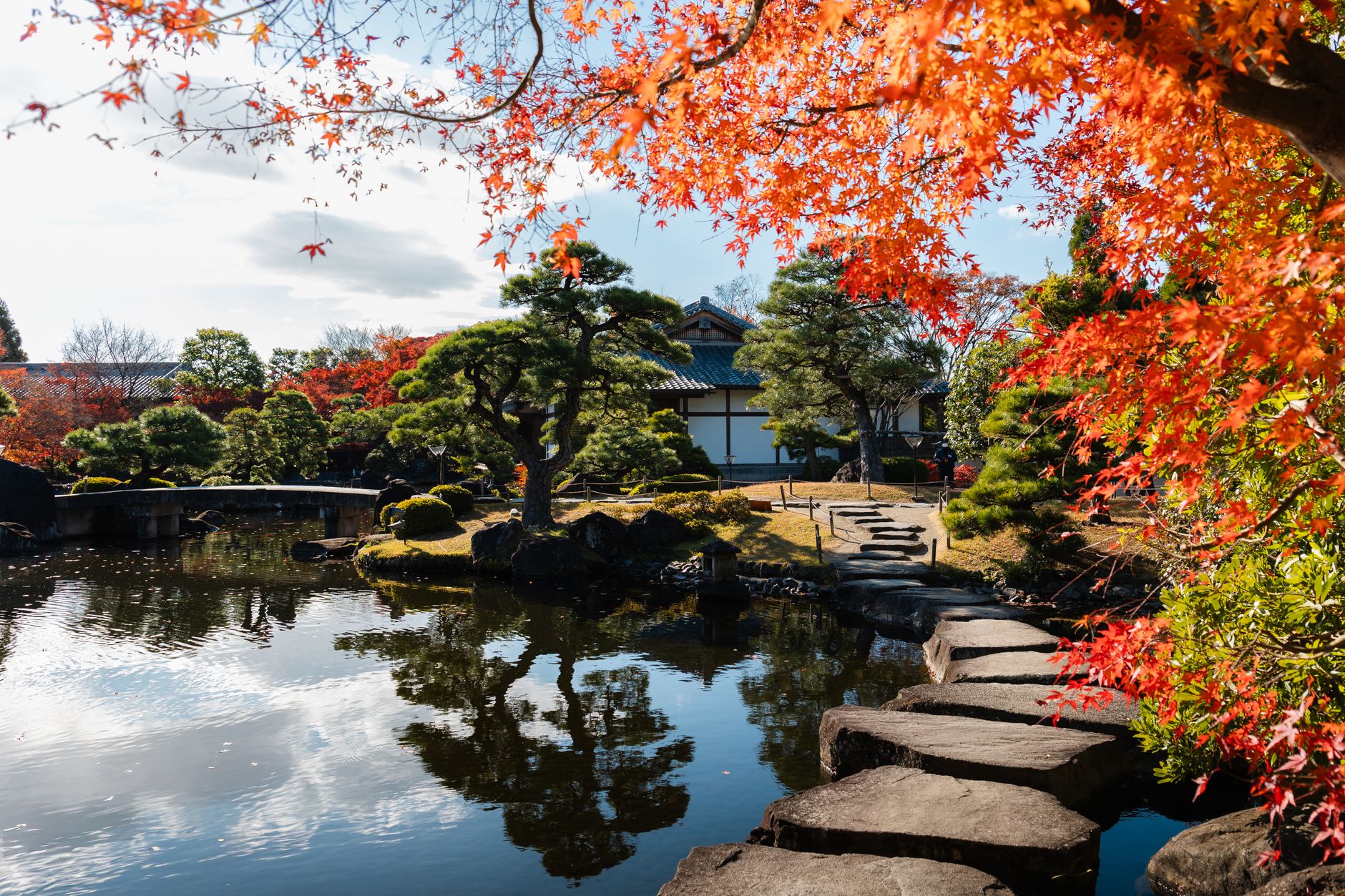
Right now, as I write this in late November, we're in the micro-season called "Tachibana始黄" (tachibana hajimete kibamu)—"citrus leaves begin to yellow." Five days from now, we'll enter "閉塞成冬" (sora samuku fuyu to naru)—"the sky closes and winter becomes complete."
Notice the precision. Not "winter arrives" but "winter becomes complete." The language acknowledges process, gradual transformation.

Living by five-day increments
You don't need to be a farmer to feel the 72 ko at work. Visit a traditional wagashi (和菓子) shop and you'll see it in the sweets: each design shifts subtly every few days to mirror the current micro-season. Tea ceremony practitioners adjust their chabana (茶花) flower arrangements to match. Even department store window displays in Japan sometimes reference the current ko.
It's a different relationship with time—less about controlling it, more about noticing it. The 72 ko assume you're paying attention, that you've developed the kind of peripheral awareness that catches the first frost on a leaf or recognizes when the quality of evening light has fundamentally changed.
The season you're standing in
Learning the 72 ko won't make your life more efficient. It will, however, make it richer. You start noticing things: that the birds outside your window have changed their song. That there's a moment in late summer when the air texture shifts from thick to crisp, usually overnight.
The micro-seasons remind us that change isn't a quarterly business metric or a New Year's resolution. It's constant, granular, and already happening—whether we're paying attention or not.
Right now, somewhere in Japan, someone is noting that the wild geese have begun their journey north, right on schedule, just as they have for seventy-two five-day seasons every single year.
FAQ
Chaware curates authentic Japanese crafts — straight from the makers in Japan to your table.
Explore the Chaware collection →