What Is an Ochaya? Inside Japan's Traditional Tea House Culture
On this page
You slip off your shoes at the threshold, and the world outside—its noise, its haste—stays behind. Inside an ochaya, time moves differently.
Not the tea house you think it is
When most people hear "traditional tea house," they picture the serene world of chanoyu—the formal tea ceremony with its whisked matcha and choreographed grace. But an ochaya is something else entirely. It's a private entertainment house, most famously found in Kyoto's Gion and Tokyo's Asakusa, where geiko and maiko (Kyoto's terms for geisha and apprentice geisha) perform, converse, and pour sake for invited guests.
These are not restaurants you can simply walk into. Ochaya operate on a referral system called ichigen-san okotowari—"first-timers politely declined." You need an introduction from an existing patron, a practice that has preserved their exclusivity and intimacy for centuries.
Behind the latticed door
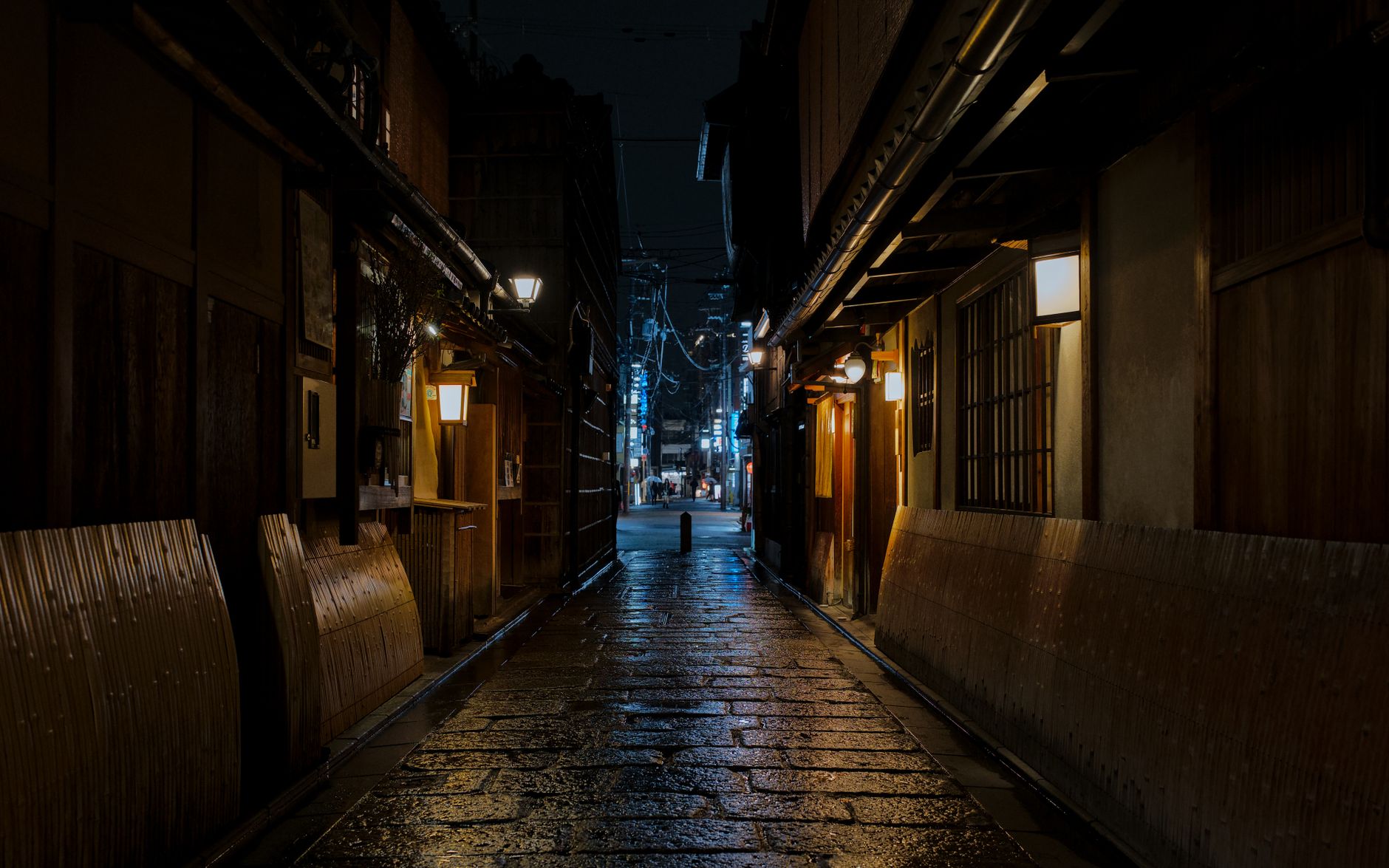
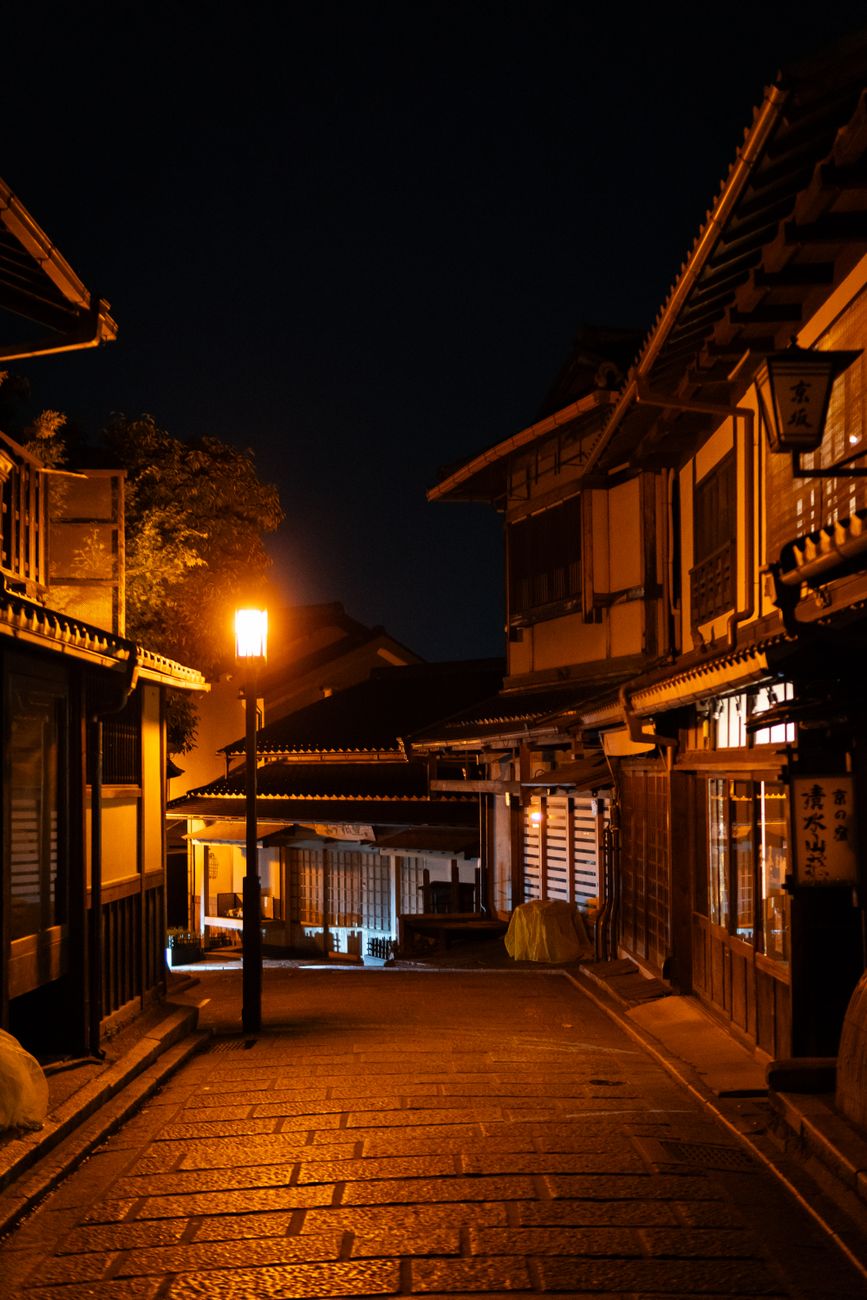
The architecture itself whispers discretion. Ochaya are typically two-story wooden machiya townhouses with koshi lattice windows that let you see out but keep prying eyes from seeing in. The entrance is narrow, almost hidden. Inside, tatami rooms glow with soft lamplight, their tokonoma alcoves displaying a single scroll or seasonal flower arrangement.
Every element is considered. The lacquerware gleams. The sake cups are museum-quality ceramics. Even the zabuton cushions are positioned just so.
In an ochaya, luxury is never loud—it's in the weight of the cup in your hand and the rustle of silk as a maiko kneels to pour your tea.
The art of being a guest
What happens inside is equally choreographed. Guests—usually businessmen, politicians, or artists—recline on cushions while geiko and maiko entertain with traditional dance, shamisen music, and refined conversation. There are drinking games, laughter, seasonal kaiseki meals delivered from nearby restaurants.
But this isn't a performance you watch passively. The magic of an ochaya is in the exchange: witty banter, the reading of subtle social cues, the pleasure of being in the presence of women who have trained for years in classical arts. It's intimate theater where you're part of the scene.
The cost? Staggering by any measure, often running into thousands of dollars for a single evening. Payment happens later, billed through a complex system of trust and long-standing relationships.
Why they endure
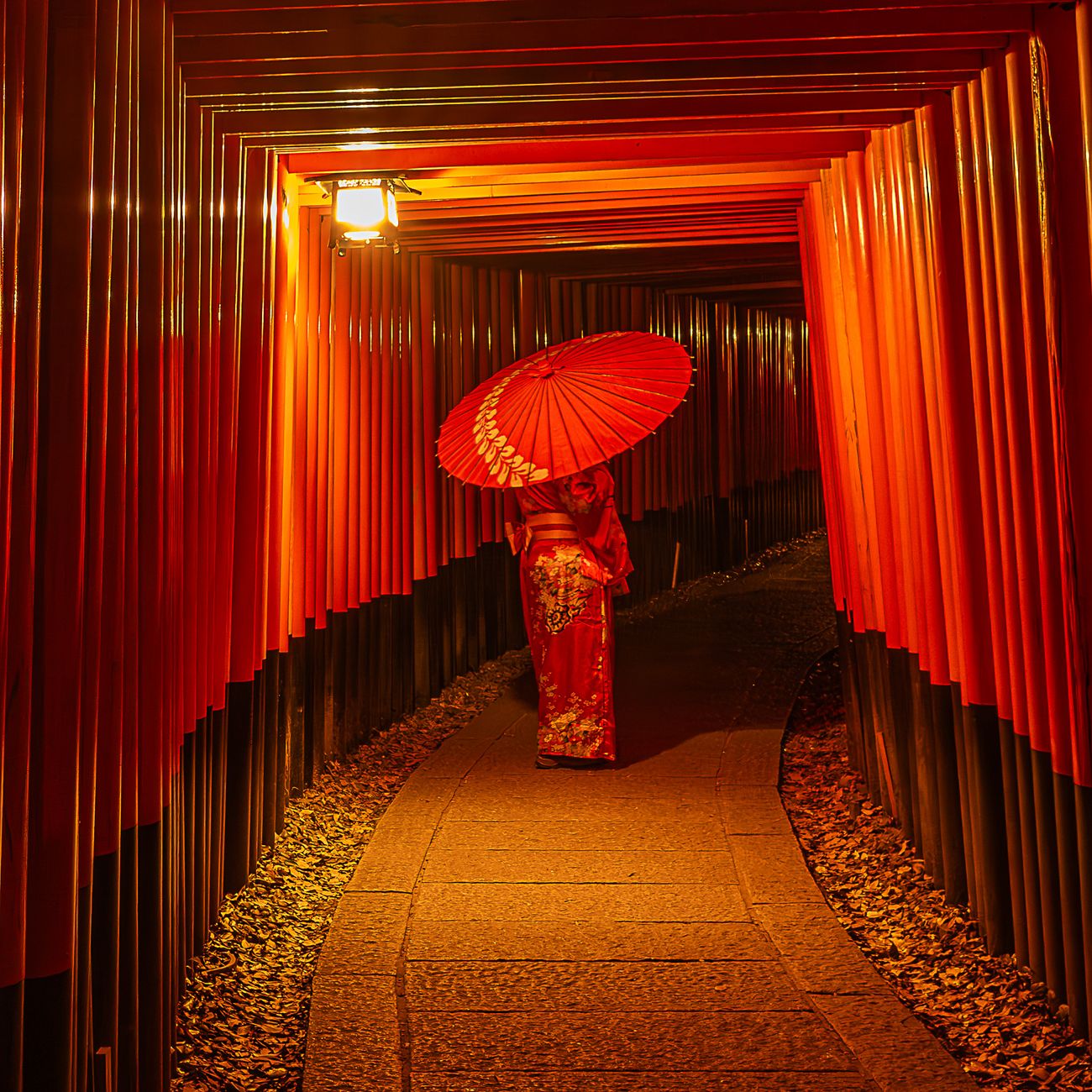
In our age of instant access and online reservations, the ochaya system feels almost defiant. And yet dozens still operate in Kyoto's hanamachi (geisha districts), preserving not just a business model but an entire aesthetic philosophy.
They're time capsules, yes. But they're also living spaces where centuries-old arts remain relevant because they're practiced, not merely preserved. The shamisen isn't behind glass—it's in a maiko's hands, its notes filling a room where people laugh and drink and forget, for a few hours, the world beyond the lattice.
You likely won't enter one unless you're remarkably well-connected. But knowing they exist—that behind certain wooden doors in certain narrow streets, this rarefied world continues—adds a layer of depth to any walk through Kyoto's old quarters.
The best secrets are the ones you don't need to possess, only to know are kept.
FAQ
Chaware curates authentic Japanese crafts — straight from the makers in Japan to your table.
Explore the Chaware collection →