How the Japanese Tea Ceremony Teaches Mindfulness Through Every Movement
On this page
You're sitting cross-legged on tatami. The room is quiet except for the whisper of hot water. And suddenly, you notice your own breathing.
This is chanoyu — the Japanese tea ceremony — and it's not really about tea at all.
The art of doing one thing
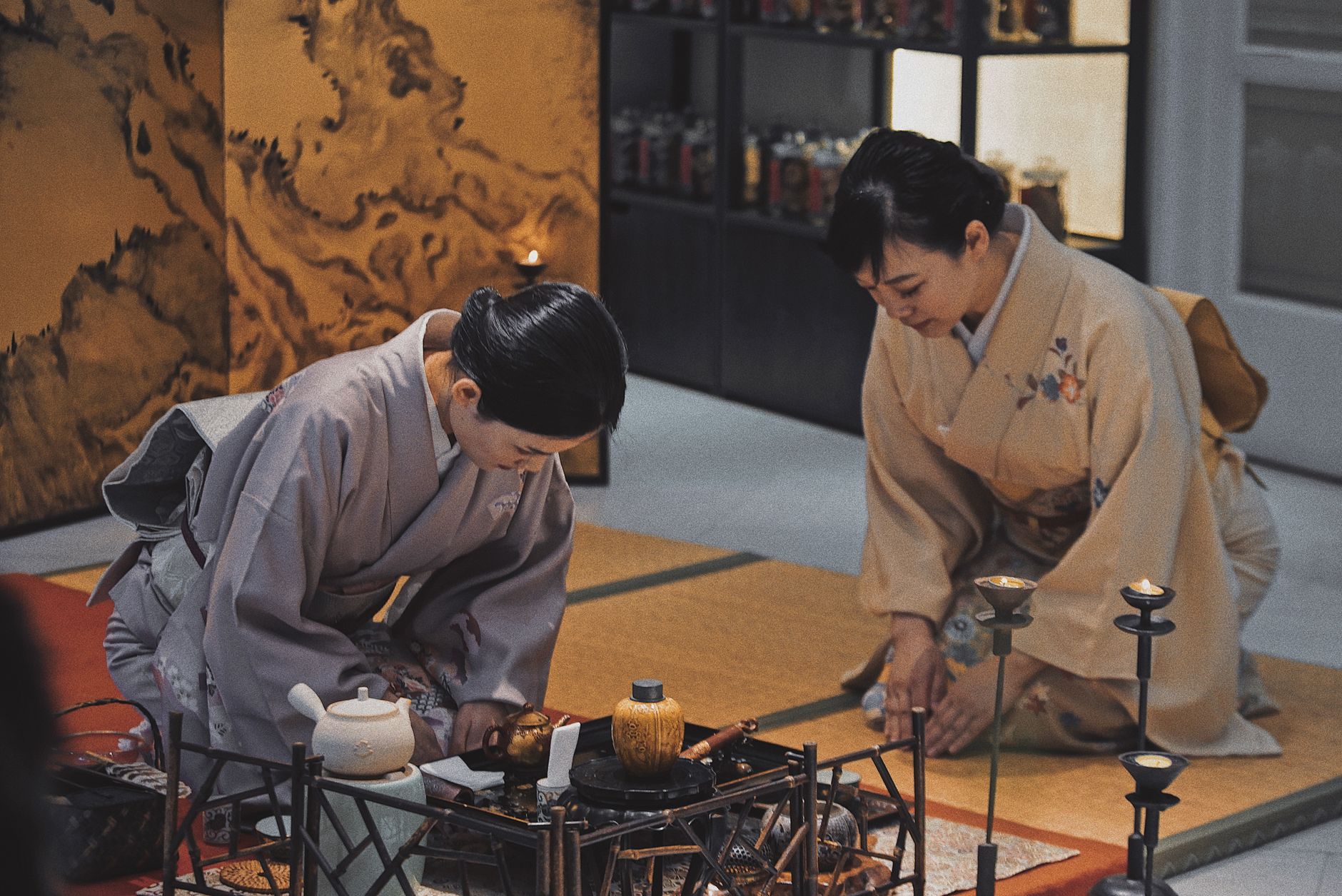
In a tea ceremony, every movement has a purpose. The host wipes the tea bowl. Scoops matcha powder. Pours water at a precise angle. Each gesture is deliberate, unhurried, complete.
There's no multitasking here. No phone in your pocket. No mental grocery list running in the background. You fold the silk cloth. You place the scoop. You turn the bowl exactly twice.
One action. Then the next.
The weight of a bowl in your hands
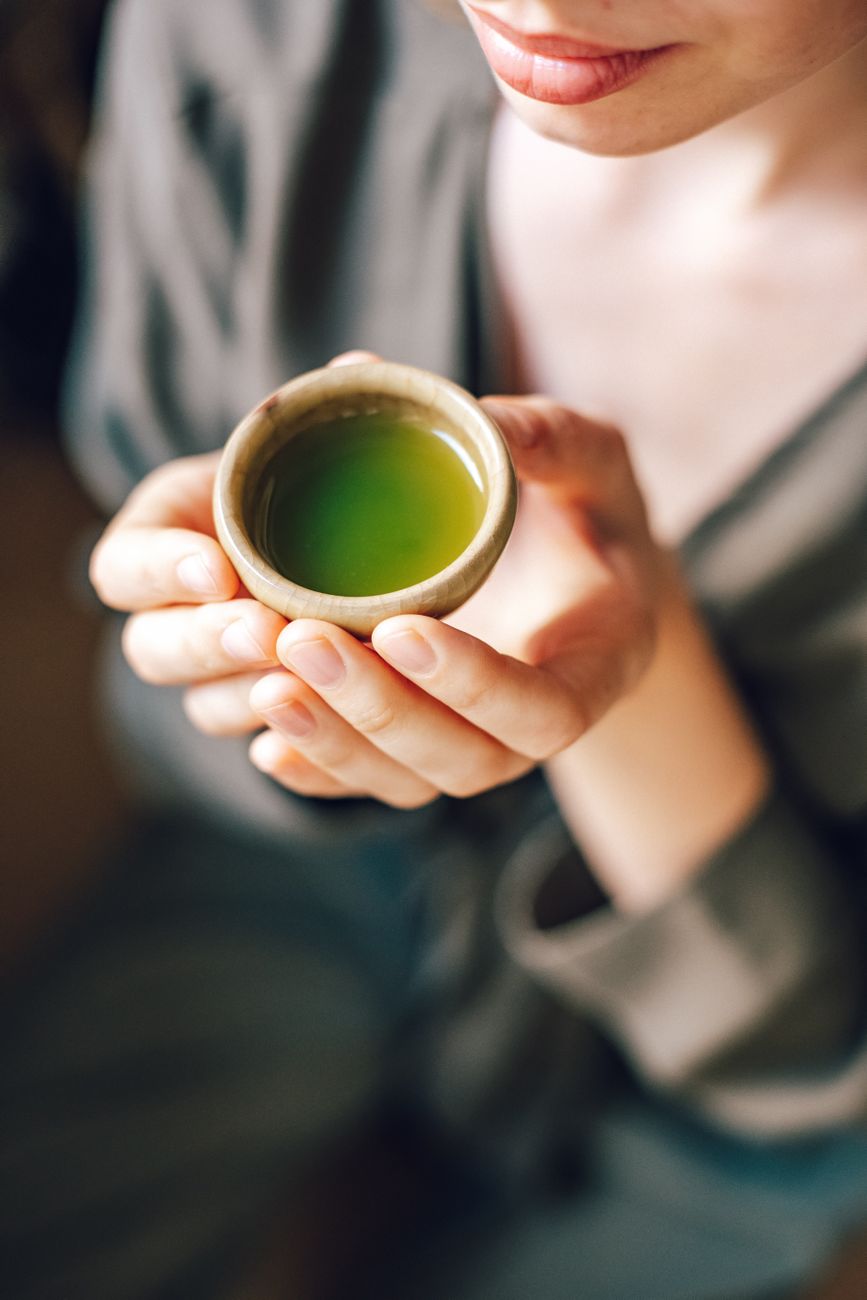
When the host passes you the tea bowl, you receive it with both hands. You feel its texture — rough clay, smooth glaze, the warmth radiating through ceramic. You rotate it, admiring the side the maker intended you to see first.
This isn't politeness for show. It's ichigo ichie: this moment, this meeting, will never happen again exactly this way.
The tea ceremony teaches you that attention itself is a form of respect.
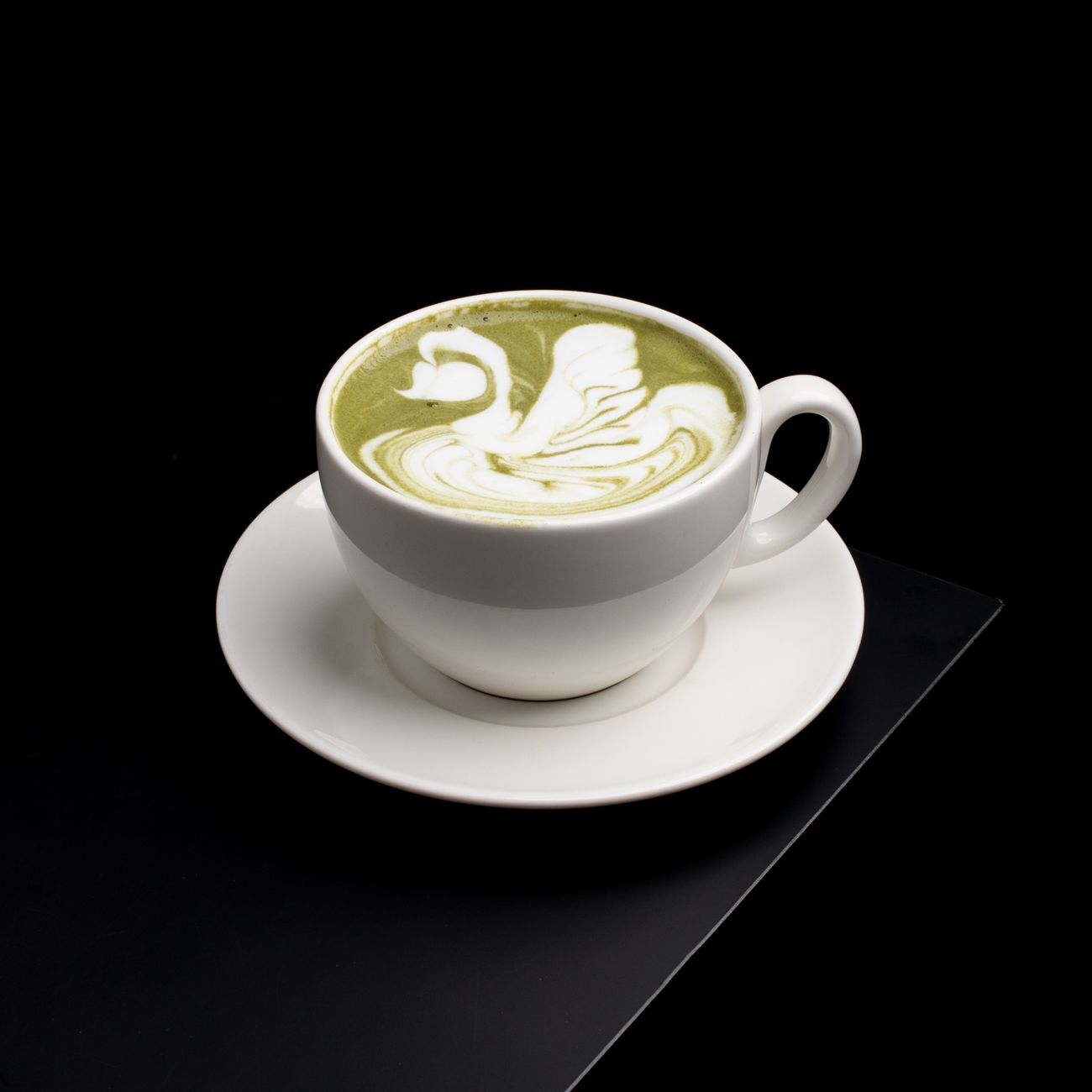
You notice the green of the matcha against the dark interior. The slight foam on the surface. The earthy scent rising with the steam. Every sense is awake, focused on what's directly in front of you.
What silence makes room for
A traditional tea room is small — often just four and a half tatami mats. The entrance is low, so everyone must bow to enter, regardless of status. Inside, decoration is minimal: a single scroll, a seasonal flower arrangement, nothing more.
The aesthetic is called wabi-sabi — finding beauty in simplicity and imperfection. A cracked tea bowl isn't discarded; its repair with gold lacquer becomes part of its story.
This simplicity isn't accidental. It removes distraction. When there's less to look at, you see more clearly. When there's less noise, you hear the water boil, the whisk against ceramic, your own thoughts settling like sediment in a cup.
The practice you take home
You don't need a tea room to practice what the ceremony teaches. The principles translate.
When you wash dishes, wash dishes. Feel the water temperature. Notice the weight of each plate. When you drink your morning coffee, taste it — don't just consume caffeine while scrolling.
The tea ceremony is radical because it insists that ordinary actions deserve your full presence. That beauty lives in repetition, in ritual, in the space between movements.
It asks: what if this simple thing you're doing right now is enough?
The lesson isn't in the matcha. It's in the pause before you drink, the breath you take, the moment you choose to be exactly where you are.
FAQ
Chaware curates authentic Japanese crafts — straight from the makers in Japan to your table.
Explore the Chaware collection →