Why Matcha Is Stone Ground Into Powder: The Ancient Craft Behind Every Sip
On this page
You can hear it before you see it—the slow, patient scrape of granite on granite, a sound that's been shaping Japanese tea culture for centuries.
The millstone that made matcha possible
Long before matcha bowls appeared on café menus worldwide, Buddhist monks in medieval Japan faced a practical problem: how to consume the entire tea leaf, not just its brewed essence. The solution wasn't a blade or a mortar. It was a pair of massive granite stones, rotating at barely perceptible speed.
Tencha—the shade-grown tea leaves destined to become matcha—are too delicate for metal grinders. Heat destroys their vivid chlorophyll and volatile aromatics within seconds. Stone grinding generates almost no friction heat, preserving what centuries of cultivation worked to concentrate: that brilliant green, that umami depth, that slight natural sweetness.
The stones themselves matter. Most authentic matcha comes from ishiusu, granite millstones quarried specifically for their fine, even grain. As the upper stone rotates—traditionally at about 30 to 60 rotations per minute—it can take a full hour to produce just 40 grams of powder.
What slowness preserves
Speed is the enemy here. Industrial blade grinders can pulverize tea in seconds, but the result is a different substance entirely: browner, bitter, coarse enough that you can feel the grittiness on your tongue.
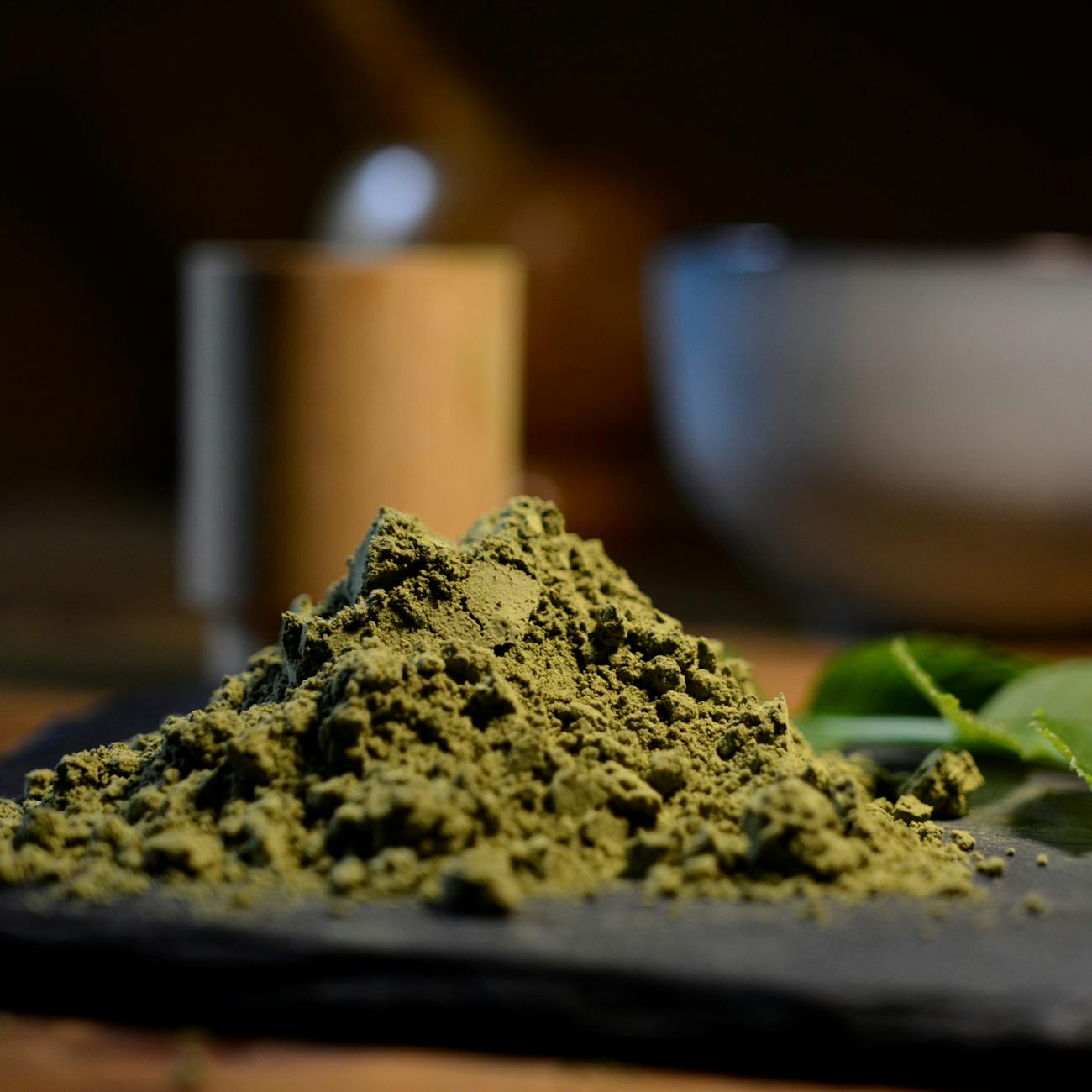
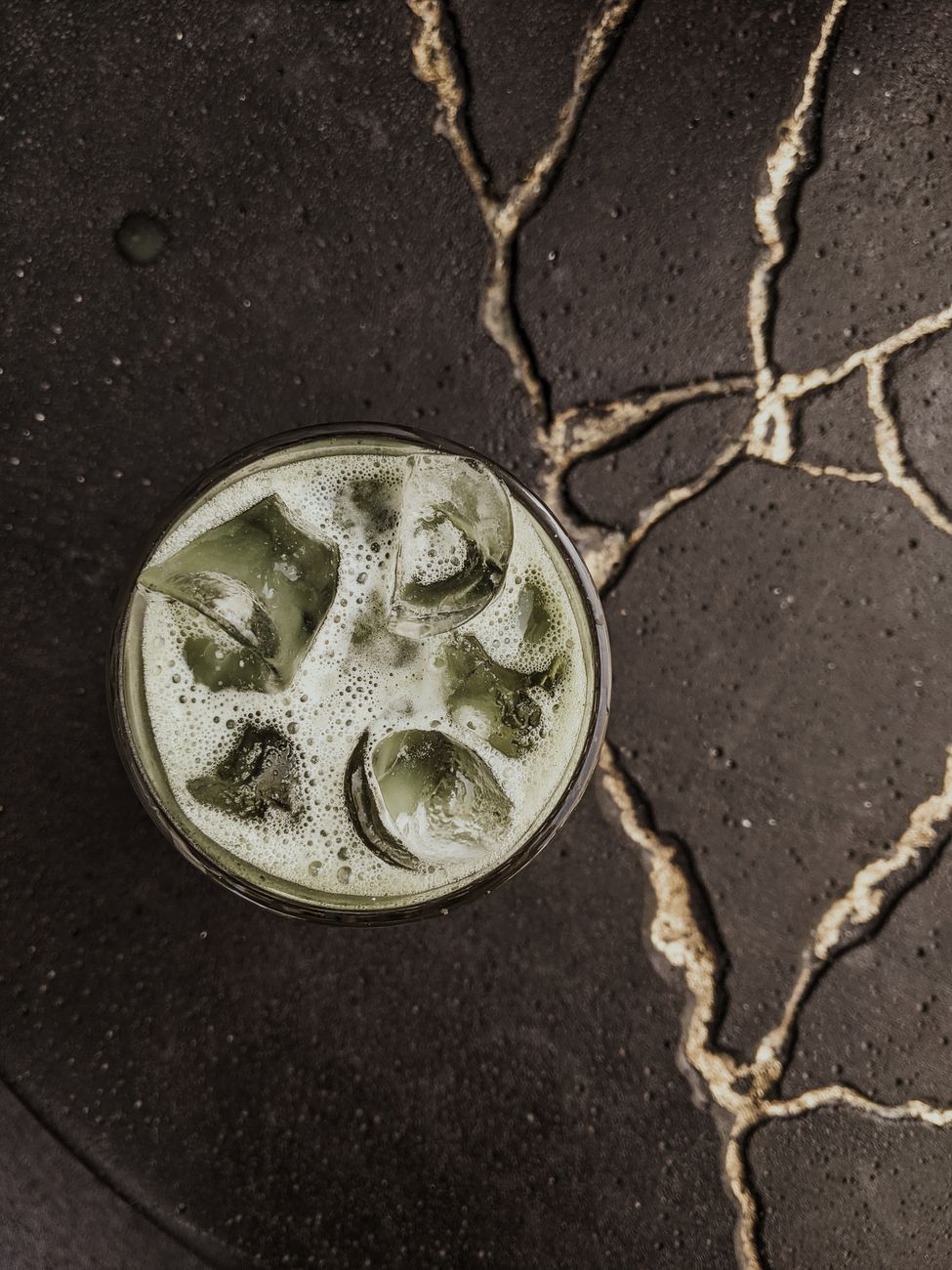
Stone-ground matcha feels like silk. The particles measure between 5 and 20 microns—small enough to stay suspended in water rather than settling into sludge at the bottom of your bowl. This isn't just texture. It's drinkability. It's the reason matcha can be whisked into that signature foam, each microscopic particle coated in water, creating a jade-green suspension that tastes as smooth as it looks.
The granite doesn't crush the leaf—it coaxes it into surrender.
The process also protects what makes matcha nutritionally distinct. L-theanine, catechins, chlorophyll—all the compounds tea enthusiasts treasure—remain intact when ground slowly and cool. Heat them even slightly, and you're drinking something closer to green dust than ceremonial-grade powder.
Why tradition resists shortcuts
You'd think modern technology could replicate this. It can't, not quite. Cryogenic grinding exists—freezing leaves with liquid nitrogen before pulverizing them—but it changes the flavor profile in ways purists notice immediately. The cold mutes certain aromatics. The violence of high-speed blades, even frozen ones, creates a different structural breakdown at the cellular level.
Traditional stone mills are astonishingly inefficient by contemporary standards:
- One mill produces roughly 40 grams per hour
- Each stone set requires periodic re-grooving by hand
- Skilled operators monitor by sound, adjusting pressure by ear
This is why authentic stone-ground matcha costs what it does. You're not paying for tea. You're paying for time itself, for the refusal to rush a process that only works when measured in hours instead of seconds.

The powder that waits for no one
Once ground, matcha begins its slow decline. Oxygen, light, and time erode those carefully preserved compounds. The brightest greens fade. The sweetness turns vegetal, then bitter.
This is why the stone's work matters so profoundly—it creates something almost impossibly ephemeral. A powder ground slowly, meant to be whisked soon, drunk immediately, appreciated in the moment it exists at its peak.
The granite doesn't just grind tea. It measures out patience in microns.
FAQ
Chaware curates authentic Japanese crafts — straight from the makers in Japan to your table.
Explore the Chaware collection →