Understanding Matcha Grades: From First to Last Harvest
On this page
The frothy green tea in your bowl didn't start its journey the day you whisked it. It began months earlier, when farmers decided which leaves would become ceremony-grade powder—and which would end up in your afternoon latte.
The spring that sets everything in motion
In Japanese tea estates, the first flush of spring—ichibancha—arrives like opening night at the theater. These are the leaves that spent winter storing nutrients, developing complexity, building anticipation. Farmers shade the plants with black mesh or reed screens for up to four weeks before harvest, a technique called oshita-saibai that transforms ordinary tea into something ceremonial.
The darkness does something remarkable. Deprived of full sunlight, the plants flood their leaves with chlorophyll and L-theanine, that amino acid responsible for matcha's characteristic sweetness and calm alertness. The result? Leaves so tender they practically dissolve on your tongue, so green they look almost unreal, so umami-rich they need no sweetener.
This first harvest yields ceremonial grade matcha—the powder whisked in tea ceremonies, the one that costs as much per gram as good chocolate. It's not marketing. It's biology and timing.
What happens when summer arrives
Spring's tenderness doesn't last; by summer, tea leaves have learned to defend themselves.
The second harvest—nibancha—comes roughly 45 days after the first. These leaves grew faster, under full sun, developing tannins and catechins as natural protection against heat and insects. They're still good leaves. They're just different.
The flavor shifts from sweet and delicate to more astringent, more vegetal. The color dulls slightly. This is your premium grade matcha—still vibrant, still delicious, but with sharper edges. It holds up beautifully in lattes where milk softens its bitterness. It's what most people drink daily without ceremony or fuss.
The late summer gamble
Some estates push for a third harvest—sanbancha—in late summer. By now, the plants are tired. The leaves are tougher, more fibrous, higher in caffeine and lower in those sweet amino acids that made spring so special.
This becomes culinary grade matcha. The name isn't an insult. These leaves simply work better when paired with other ingredients:
- Baked into cookies where butter rounds out bitterness
- Blended into smoothies with banana's natural sweetness
- Mixed into ice cream where cream and sugar provide balance
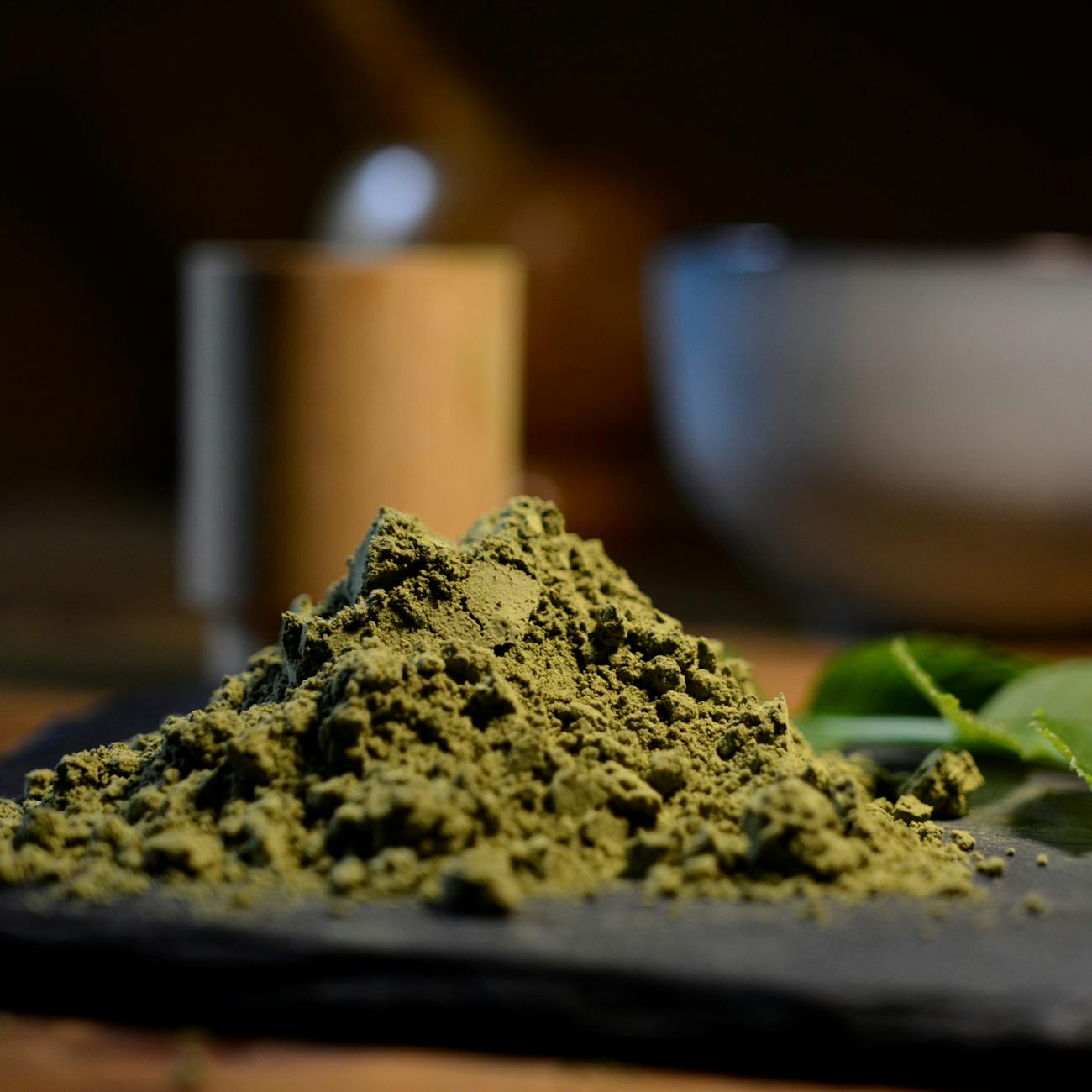
The powder often looks olive rather than emerald. It clumps more readily. But it still carries the essence of tea, and in the right context, it shines.

Why grade matters less than you think
Here's what the tea industry won't advertise: a "culinary grade" matcha from a respected Uji estate might outperform a "ceremonial grade" powder from a lesser farm. Grade describes harvest timing and intended use—not an absolute hierarchy of worth.
The best matcha for you depends entirely on what you're making. Using first-harvest powder in banana bread is like cooking with vintage wine—technically possible, wastefully expensive. Using third-harvest powder in a traditional ceremony is like wearing hiking boots to a wedding—it'll work, but you'll feel the mismatch.
Understanding grades isn't about snobbery. It's about matching the leaf to the moment, the harvest to the purpose, the powder to the ritual—or lack thereof.
The tea plant doesn't judge which leaves matter most. It simply grows, season after season, offering different versions of itself to anyone paying attention.
FAQ
Chaware curates authentic Japanese crafts — straight from the makers in Japan to your table.
Explore the Chaware collection →