Why Uji Matcha Became Japan's Most Celebrated Green Tea
On this page
The best matcha doesn't just come from anywhere in Japan. It comes from a single river valley southwest of Kyoto, where fog lingers and tradition runs as deep as the roots of the tea plants themselves.
The river that built a reputation
Uji sits along the Uji River, a short distance from Kyoto's ancient capital. The geography here isn't dramatic—no towering peaks or dramatic coastlines—but it's precisely calibrated for tea. The river creates pockets of morning mist that blanket the hillsides, softening the sunlight and slowing the growth of tea leaves. Slower growth means more umami, that savory, almost brothy sweetness that defines exceptional matcha.
But mist alone doesn't explain why Uji became synonymous with Japan's finest powdered green tea. The region's clay-rich soil, mild temperatures, and consistent rainfall created ideal conditions. By the 13th century, a monk named Eisai returned from China with tea seeds and cultivation knowledge. Some of those seeds found their way to Uji, where they thrived in ways they didn't elsewhere.
The invention that changed everything
For centuries, tea in Japan meant steeping leaves. Then, in the 16th century, everything shifted.
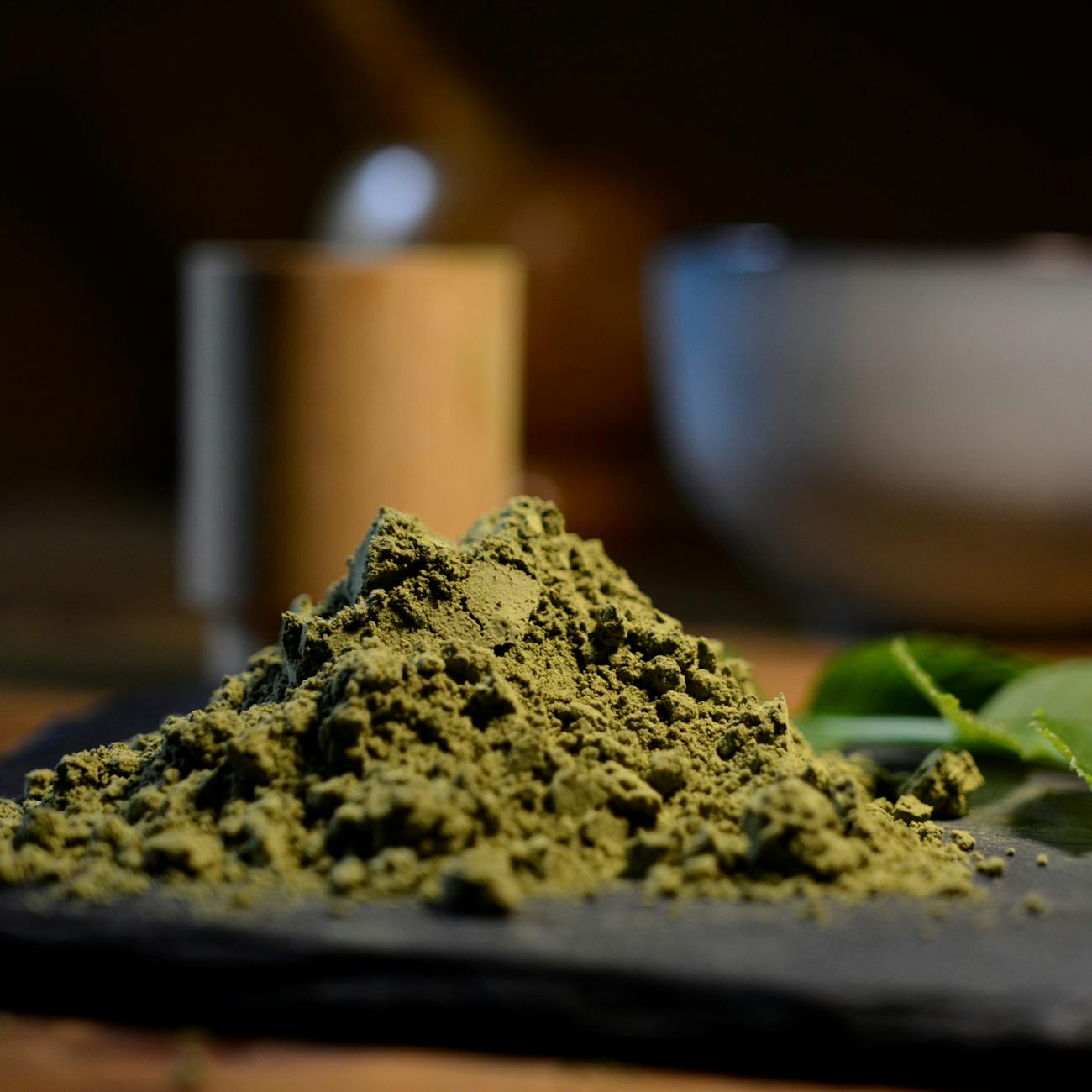
Tea masters serving the aristocracy and samurai class wanted something beyond simple brewed tea. They needed a tea befitting the formality and philosophy of chanoyu—the Japanese tea ceremony. Uji's tea farmers responded by developing tencha, shade-grown tea leaves specifically intended to be stone-ground into powder. The shading technique, using rice straw canopies to block sunlight weeks before harvest, forced the plants to produce more chlorophyll and amino acids. The result was a powder that suspended in water rather than steeping, creating a thick, jade-green tea with profound depth.
Uji didn't just grow tea—it engineered an entirely new relationship between leaf and cup.
This wasn't incremental improvement. It was innovation rooted in centuries of observation, failure, and refinement.
Why the reputation stuck
Other regions tried to replicate Uji's methods. Some succeeded technically. But Uji had momentum, imperial patronage, and something harder to quantify: generational knowledge passed from farmer to farmer, refining techniques with each harvest.
The Tokugawa shogunate designated Uji tea as tribute worthy of the ruling class. By the Edo period, "Uji tea" meant the highest grade available. The region's farmers didn't rest on that reputation—they guarded it. Families developed proprietary shading methods, blending techniques, and stone-grinding practices. They understood that reputation is built harvest by harvest, and one mediocre year could undo decades of trust.
Even today, when matcha is grown across Japan and around the world, Uji remains the benchmark. The region produces only a fraction of Japan's total tea output, but it claims an outsized share of the premium matcha market.
What remains
Walk through Uji now and you'll still see tea fields stretched across hillsides, though many are smaller than they once were. The stone mills still turn, though some are now electric rather than hand-powered. The knowledge hasn't disappeared—it's adapted.
Uji's fame rests on a simple truth: the right plant, in the right place, tended by people who refused to settle for good enough. Geography gave Uji an advantage. Generations of farmers turned that advantage into legacy.
The mist still rolls in each morning, just as it always has.
FAQ
Chaware curates authentic Japanese crafts — straight from the makers in Japan to your table.
Explore the Chaware collection →