Where Matcha Umami Actually Comes From: The Science Behind the Savory Sweetness
On this page
You've tasted it. That savory, almost brothy depth that lingers after the sweetness fades—the whisper that makes matcha taste like more than just green tea.
That's umami. And it doesn't come from nowhere.
The shade does the work
Matcha's signature savoriness begins weeks before harvest, when farmers drape their tea fields in darkness. Kabusecha and tencha—the leaves destined to become matcha—spend their final 20 to 30 days under shade structures, blocked from direct sunlight.
The plant panics, gently. Starved of light, it floods its leaves with chlorophyll to absorb every possible photon. But it also ramps up production of amino acids, especially one called L-theanine. This compound is matcha's secret weapon: the molecule responsible for that round, savory sweetness you can't quite name.
Without shade, there's no umami. It's that simple.
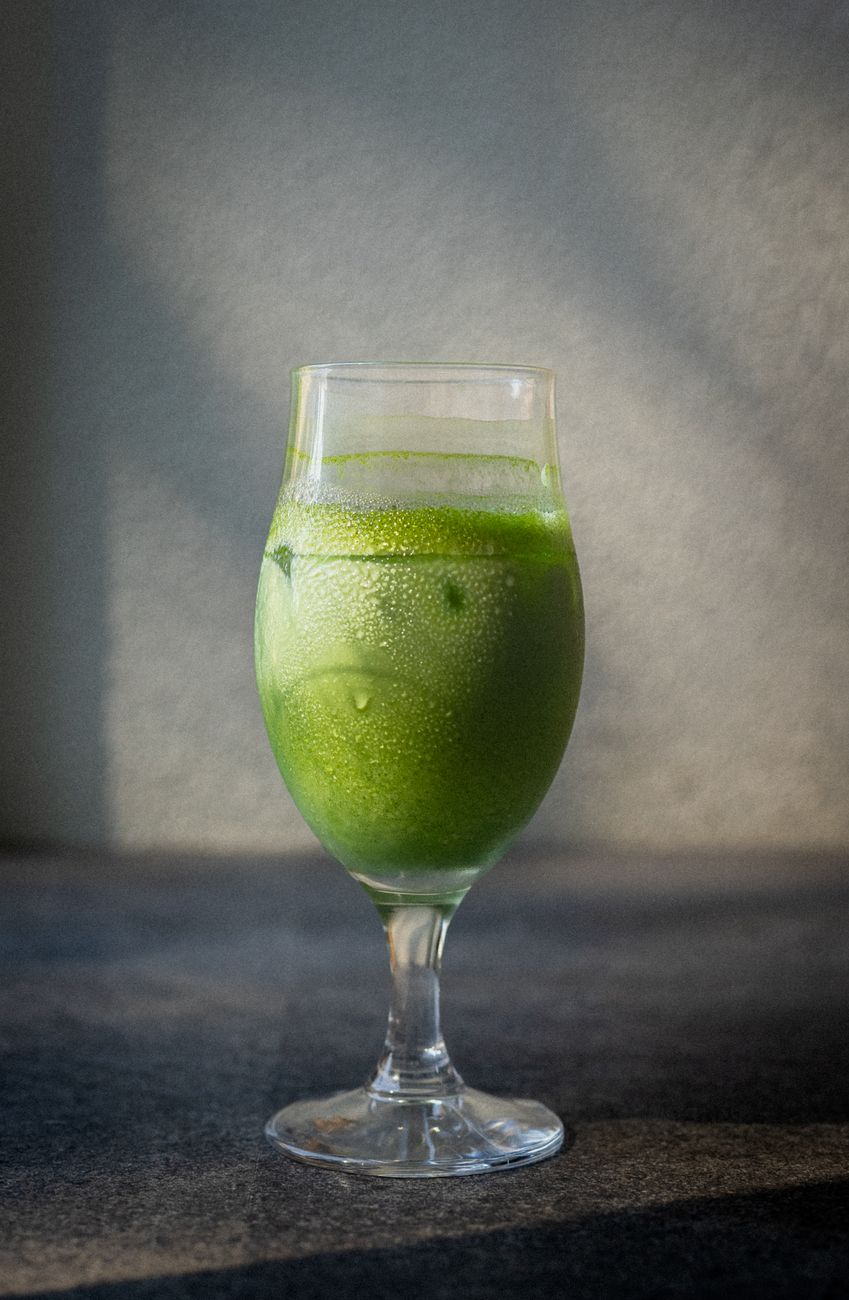
L-theanine isn't just flavor
L-theanine does double duty. It delivers umami—that elusive fifth taste your tongue registers alongside sweet, sour, salty, and bitter. But it's also why matcha feels different from coffee, why the energy arrives smooth and stays steady.
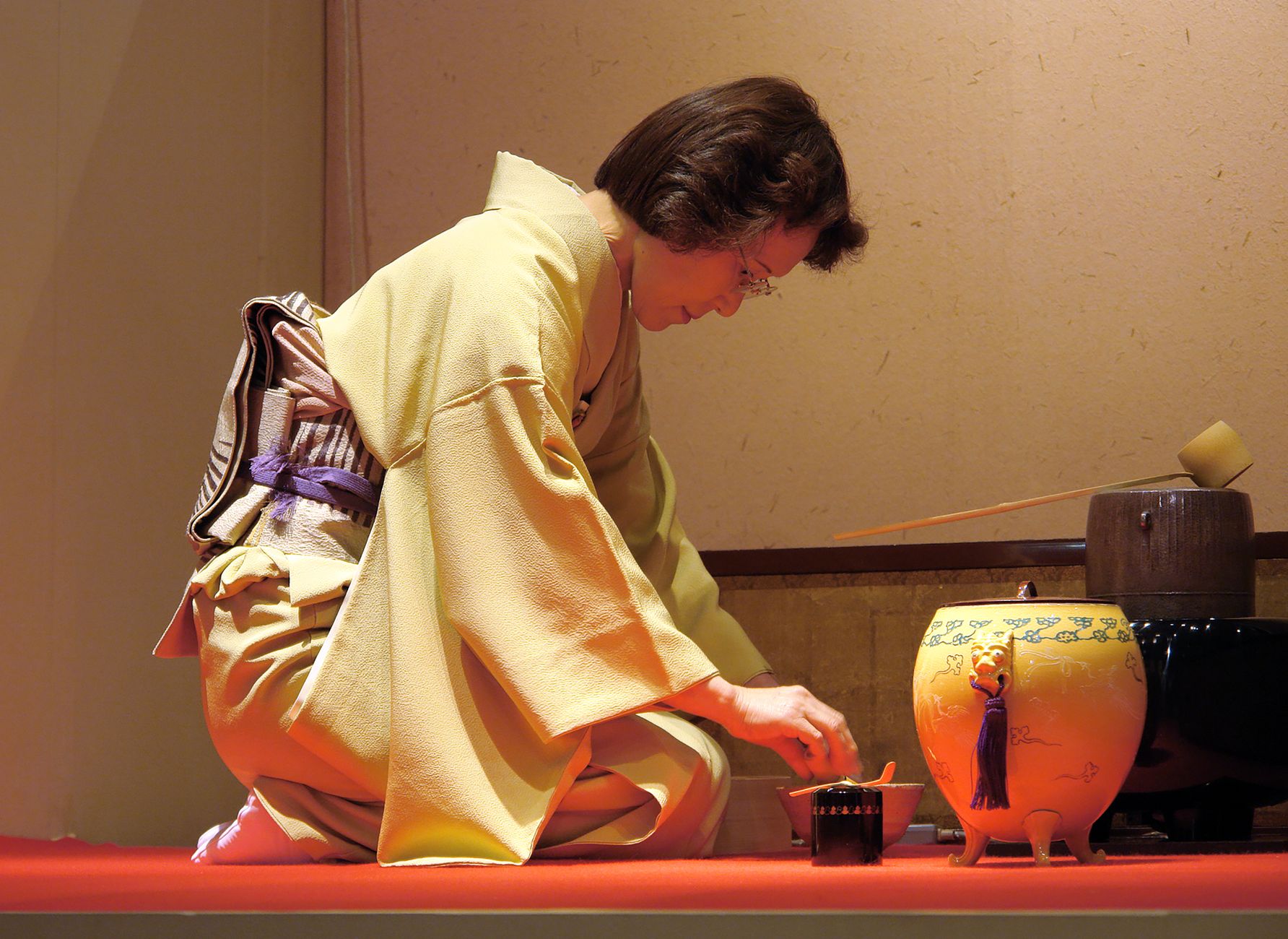
In your body, L-theanine promotes alpha brain wave activity. It tempers caffeine's jittery edge, creating what Zen monks have known for centuries: calm focus. Chanoyu, the Japanese tea ceremony, was never about a caffeine jolt. It was about presence.
Umami in matcha isn't an accident—it's the plant's response to stress, transformed into ritual.
The younger the leaf, the higher the L-theanine content. That's why ceremonial-grade matcha—made only from the top two leaves and bud—tastes rounder, sweeter, more complex than culinary grades. You're tasting youth, care, and timing.
Terroir whispers through the cup
Not all umami tastes the same. Matcha from Uji in Kyoto carries a different savory note than matcha from Nishio in Aichi or Yame in Fukuoka. Soil composition, altitude, morning mist, the angle of spring sun—they all leave fingerprints.
Some matcha leans vegetal, almost like steamed edamame. Others taste faintly marine, reminiscent of nori seaweed. The best examples balance umami with a natural sweetness (amai) and a clean, pleasant astringency that doesn't pucker but refreshes.
This is why serious tea practitioners pay attention to origin. Terroir isn't wine snobbery translated to tea—it's acknowledging that place matters, that the land speaks.
What you taste is what was protected
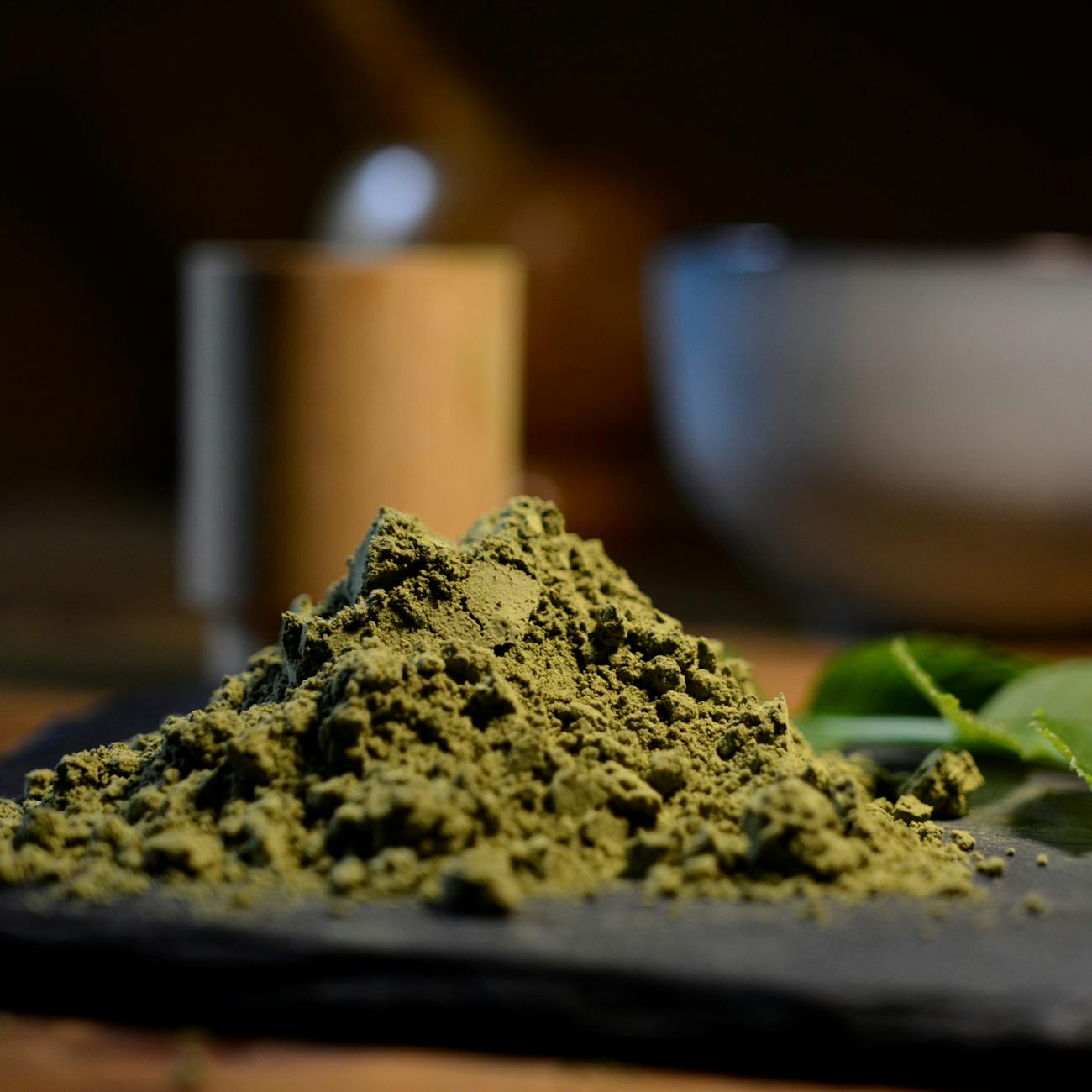
When you whisk matcha and that grassy-sweet cloud blooms in the bowl, you're tasting a plant's survival strategy. The shade forced it inward. The farmer's timing caught it at peak tenderness. The stone mill ground it slowly enough to preserve what sun would have destroyed.
Umami is the flavor of protection. Of patience. Of leaves that grew strong in the dark and were honored for it.
It's why matcha never tastes quite like anything else—and why, once you learn to recognize that savory undercurrent, you'll notice it missing in teas that were rushed or grown carelessly under open sky.
The depth you're tasting was earned in shadow.
FAQ
Chaware curates authentic Japanese crafts — straight from the makers in Japan to your table.
Explore the Chaware collection →