How Zen Monks Brought Matcha to Japan: The Sacred Journey of Powdered Tea
On this page
A single monk steps off a boat from Song Dynasty China, carrying tea seeds wrapped in silk. He doesn't know it yet, but he's about to change the way an entire nation drinks, thinks, and sits in silence.
The monk who defied sleep
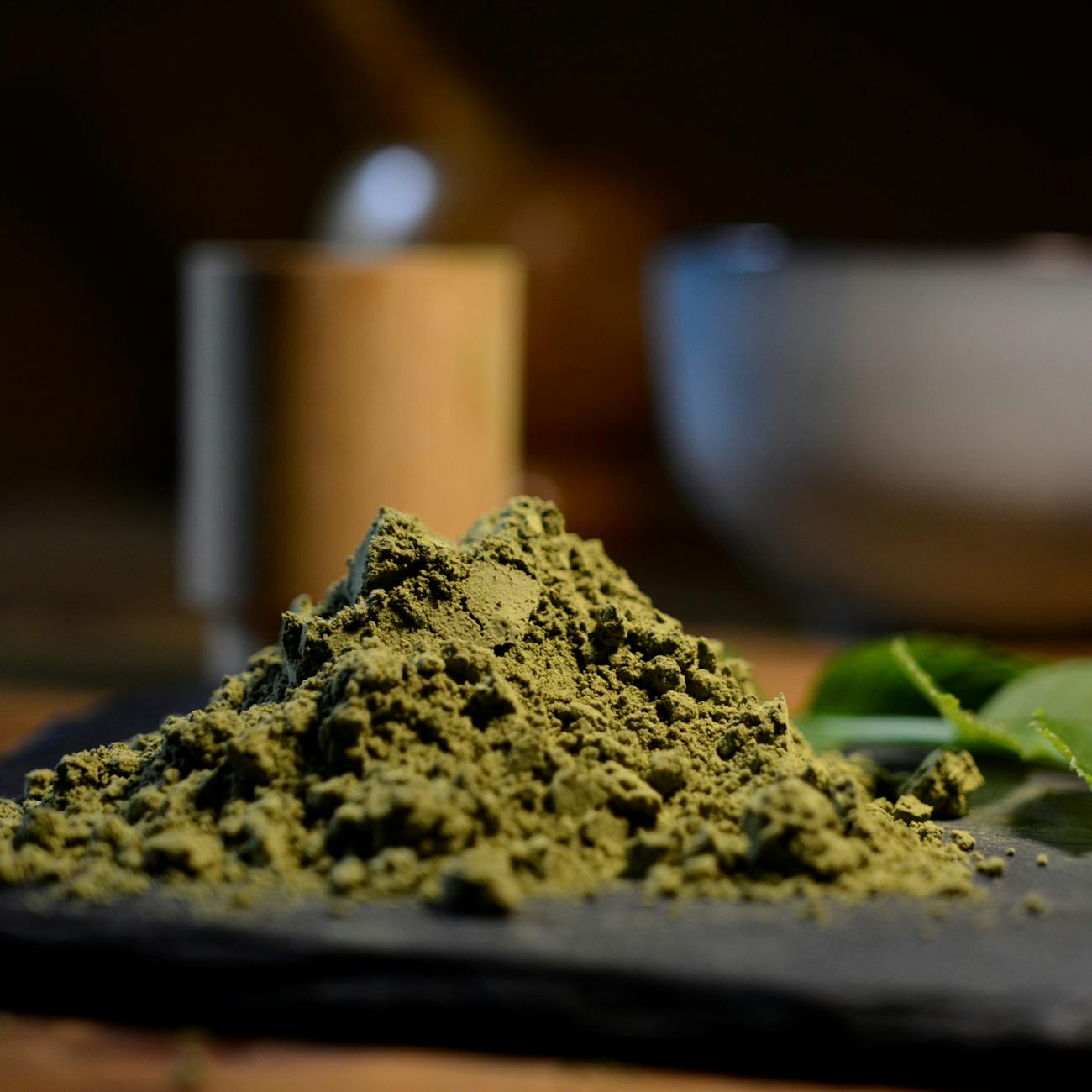
Eisai wasn't looking to start a revolution when he sailed to China in 1168. He went seeking deeper Buddhist truths. What he found instead were monasteries filled with monks drinking a vibrant green powder whisked into hot water—matcha—to stay alert during marathon meditation sessions.
The logic was elegant: Zen demanded total presence. Sleep was the enemy. And this tea, ground from shade-grown leaves, delivered a calm, sustained focus that coffee's jittery punch could never match.
When Eisai returned to Japan in 1191, he brought more than scriptures. Tucked among his belongings were tea seeds and the knowledge of how Chinese monks cultivated, ground, and whisked them into froth.
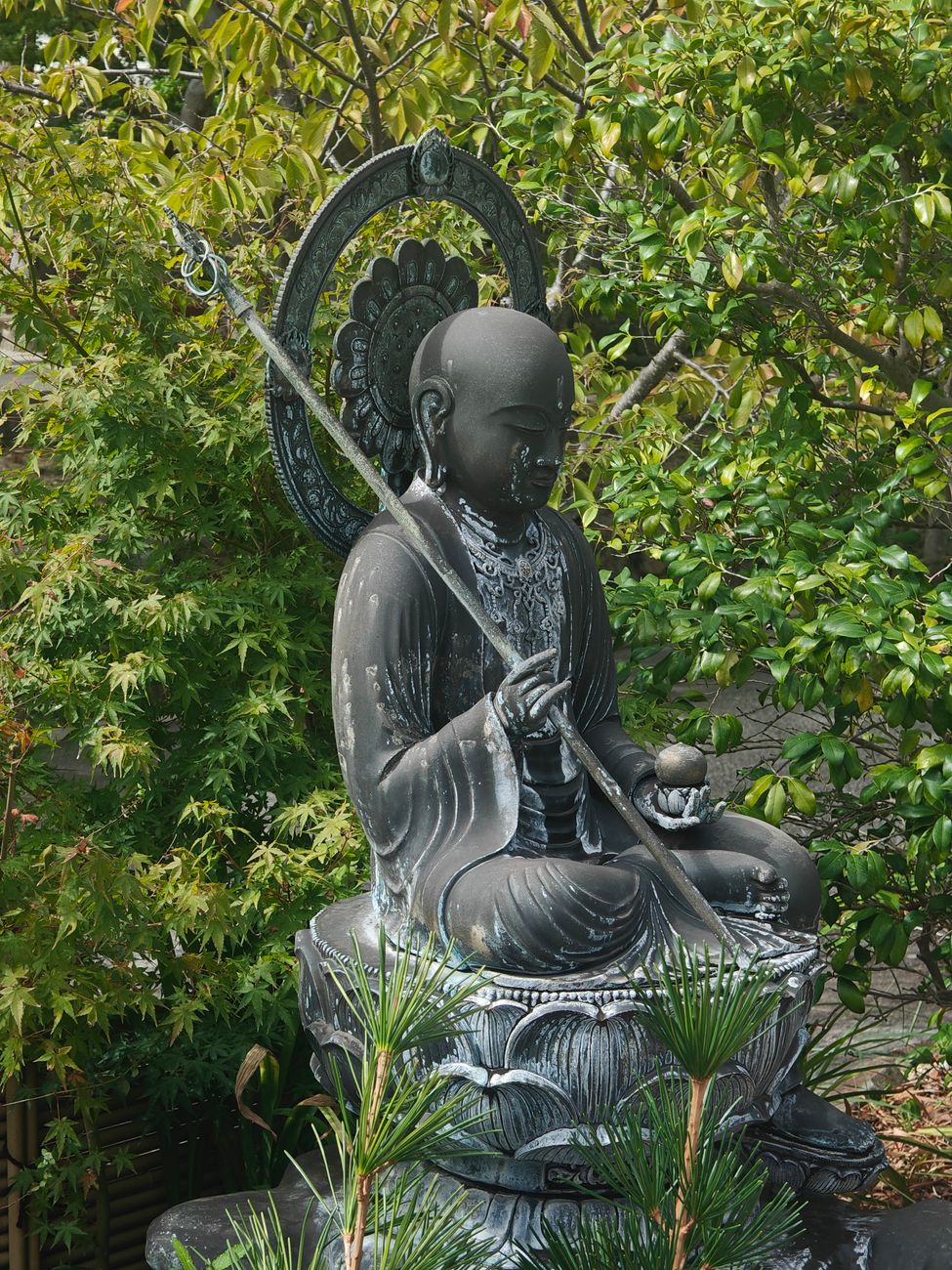
A gift for a shogun's headache
Matcha might have remained a monastic secret if not for timing and a well-placed migraine. In 1214, the shogun Minamoto no Sanetomo suffered from the effects of too much sake. Eisai offered him a bowl of whisked matcha and presented him with a treatise: Kissa Yōjōki (Drinking Tea for Health).
The shogun's headache faded. His interest grew.
In Eisai's hands, matcha became both medicine and meditation—a bridge between body and spirit.
Suddenly, tea wasn't just for monks. It was for warriors, for the elite, for anyone seeking clarity in turbulent times. But Eisai's vision was never about status. He saw matcha as a tool for discipline, a way to sharpen the mind while calming the heart.
From temple to tearoom
The monks who followed Eisai wove matcha into the fabric of Zen practice. Temples in Kyoto began cultivating tea gardens. The ritual of preparing matcha—measuring, whisking, offering—became a form of moving meditation. Every gesture mattered. Every bowl was a lesson in presence.
It's here, in these early temple rituals, that the seeds of chanoyu (the Japanese tea ceremony) took root. What started as a monk's practical solution to drowsiness evolved into one of Japan's most refined art forms.
The transformation wasn't instant. It took centuries for the tea ceremony to develop its formal structure under masters like Sen no Rikyū. But the foundation—the deliberate slowness, the attention to detail, the reverence for simplicity—was already there in those first monastic tea gatherings.
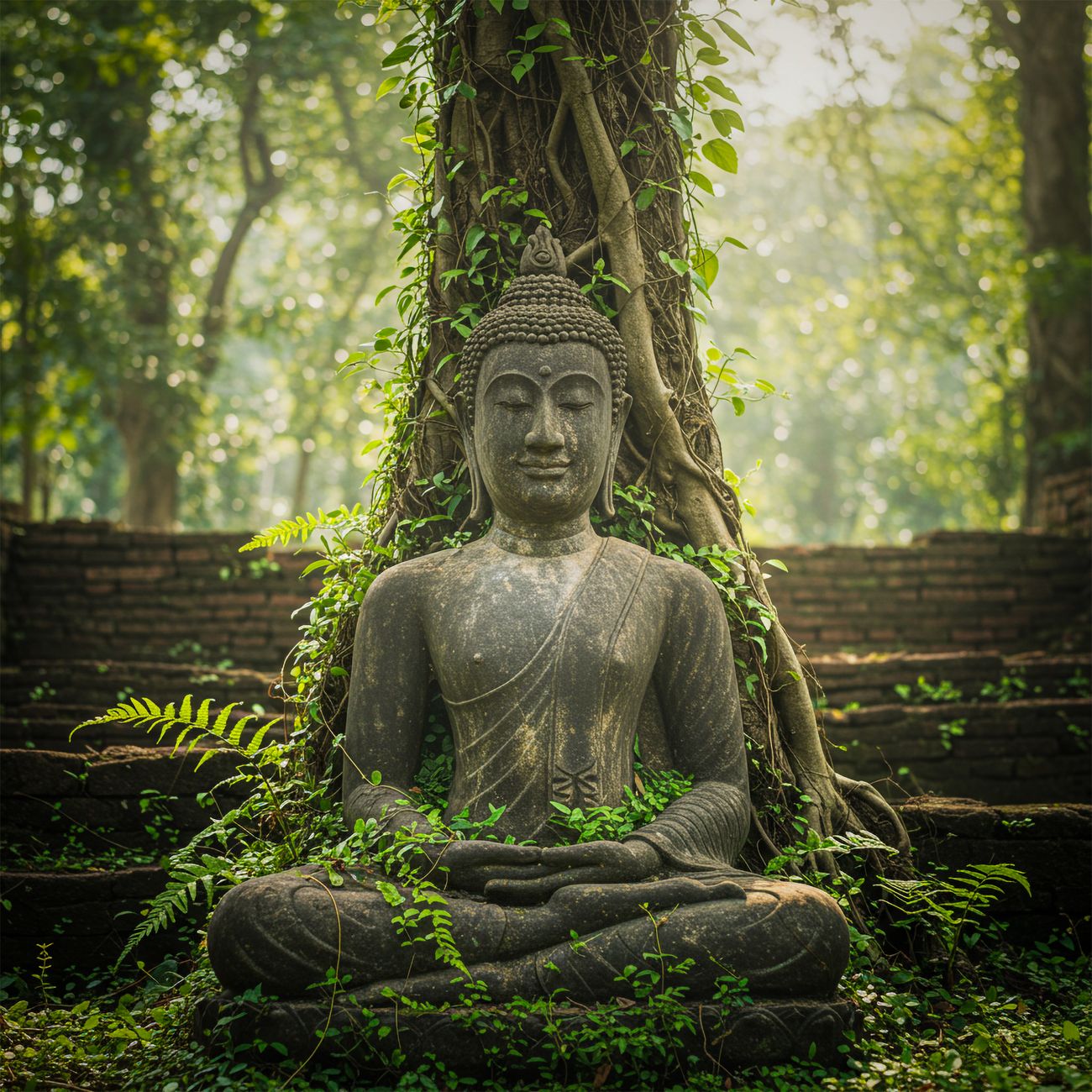
The powder that changed everything
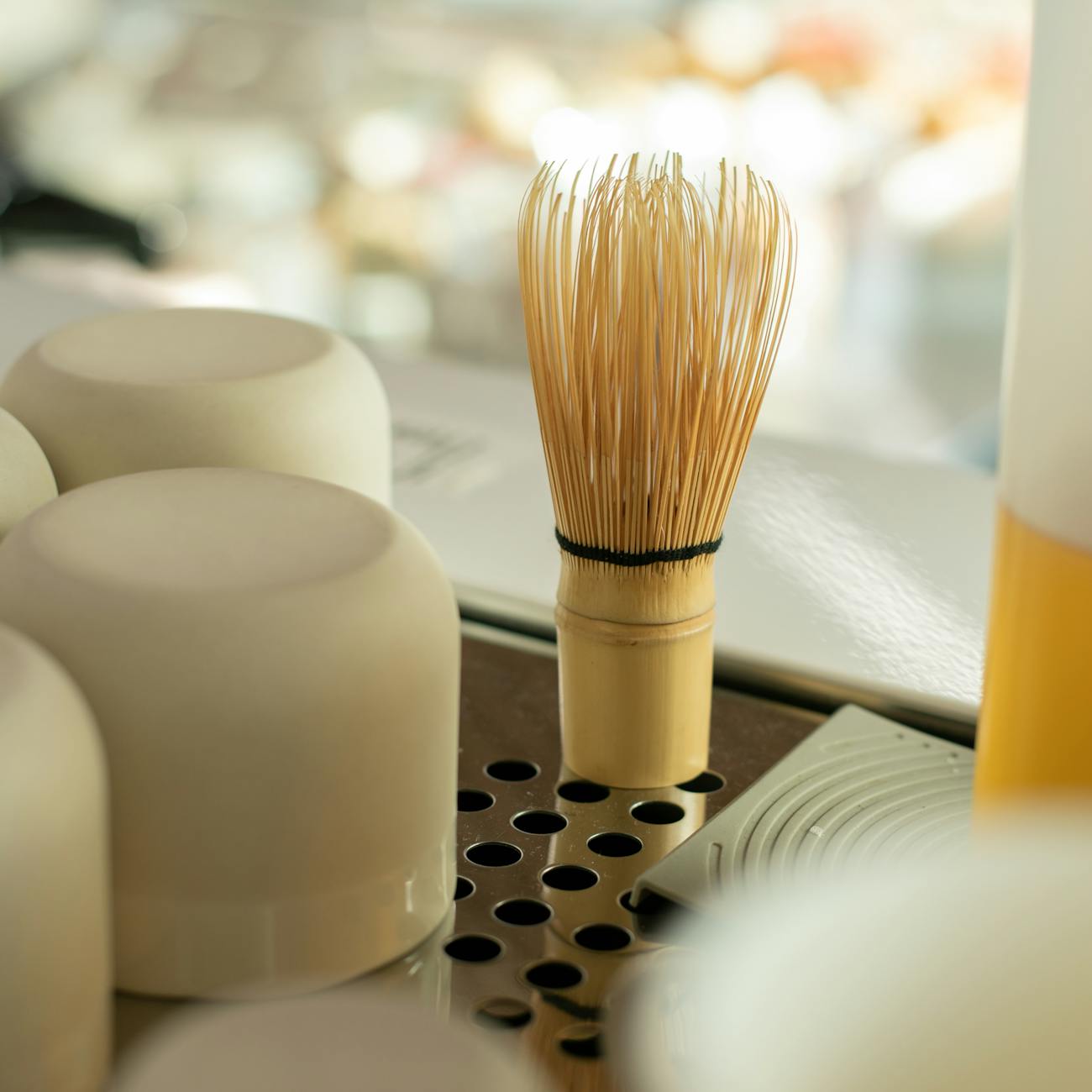
Eisai didn't just import a beverage. He imported a philosophy. Matcha's preparation demands patience: the careful whisking, the precise temperature, the moment of stillness before the first sip. You can't rush it. You can't multitask through it.
That's the point.
In a culture increasingly drawn to Zen's teachings—the beauty of impermanence, the power of mindfulness, the art of doing one thing completely—matcha became the perfect metaphor. It was Buddhism you could taste.
Today, when you whisk matcha in a chawan (tea bowl), you're participating in a tradition that began with monks fighting sleep in dim temple halls. The bright green powder in your bowl traveled across centuries, carried by people who believed that how you prepare tea matters as much as why you drink it.
Eisai's seeds grew into forests.
FAQ
Chaware curates authentic Japanese crafts — straight from the makers in Japan to your table.
Explore the Chaware collection →