Soy Sauce History: The 2,500-Year Journey of Japan's Essential Seasoning
On this page
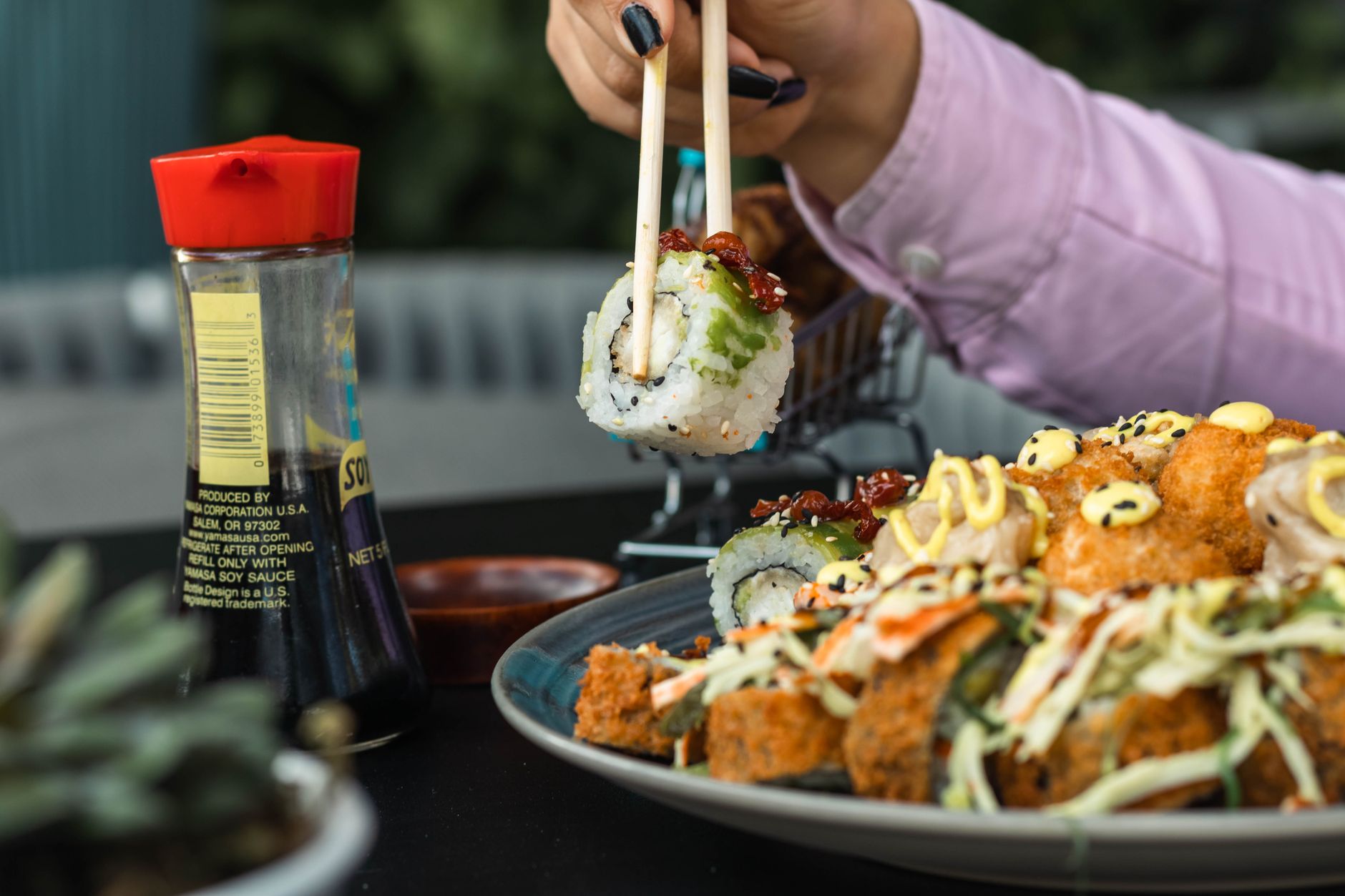
You crack an egg into a bowl, reach for the bottle with the red cap, and tilt. That dark ribbon changes everything.
Shoyu—what the world calls soy sauce—didn't start as the ubiquitous tabletop companion it is today. It began centuries ago as something far stranger: a happy accident born from preserving fish.
The fermentation that launched a thousand flavors
Long before soy sauce, there was hishio, a fermented paste the Japanese adapted from Chinese traditions around the 7th century. Originally made from fish, meat, or grain mixed with salt and left to transform in wooden barrels, hishio was pungent, thick, intensely savory. But sometime during the Kamakura period (1185–1333), Buddhist monks experimenting with miso noticed something curious. The liquid pooling at the bottom of their soybean and wheat mash tasted remarkable on its own.
They'd stumbled onto tamari, the precursor to modern shoyu.
This wasn't refined seasoning yet—it was murky, inconsistent, regional. But it carried that deep umami pull, the taste Japanese cooks would spend the next several centuries perfecting. By the Edo period (1603–1868), shoyu production had become an art form, with brewers in regions like Chiba developing the balanced, clear koikuchi style that now dominates Japanese kitchens worldwide.
Five types, infinite nuance
Walk into a Japanese supermarket and you'll find an entire aisle devoted to soy sauce variations. The differences aren't trivial.
Koikuchi is the everyday workhorse—dark, rounded, versatile. Usukuchi, lighter in color but saltier, lets delicate ingredients shine without staining them brown. Tamari, that original discovery, remains wheat-free and intense, beloved in central Japan. Saishikomi gets double-brewed for a complexity that borders on syrupy. And shiro, the palest of all, tastes almost sweet, used sparingly in refined Kyoto cuisine where color matters as much as flavor.
Each type exists not for variety's sake, but because Japanese cooking demands that level of specificity.
The method hasn't changed fundamentally in centuries. Soybeans, wheat, salt, water, and time. The magic happens in enormous cedar barrels called kioke, some over a century old, where wild yeasts and koji mold (Aspergillus oryzae) do their slow work. Six months minimum. Often a year. Sometimes three.
The bottle that traveled everywhere
Soy sauce went global long before sushi bars colonized every city. Dutch traders carried it from Nagasaki in the 1600s. By the 1700s, it appeared in English cookbooks as "India soy." Louis XIV supposedly kept it in his pantry.
But the shoyu that spread worldwide often bore little resemblance to what Japanese brewers were making. Faster. Cheaper. Chemically hydrolyzed rather than fermented. The difference between these industrial versions and traditionally brewed shoyu is the difference between grape juice and wine.
In Japan, the distinction matters. Honjozo indicates naturally brewed. The label will list only four ingredients. The liquid will smell faintly sweet, almost floral, with layers beyond simple saltiness. It's the kind of shoyu that makes plain rice feel like a meal, that turns a few slices of raw fish into something transcendent.
What fermentation teaches
Stand inside a century-old brewery in winter—dim light, the scent of fermentation thick as fog, wooden barrels taller than you stretching into shadow—and you understand why shoyu became essential. It's preservation and transformation. Patience made edible.
You can't rush it. You can only tend it, trust the process, and wait for time to do what only time can do.
That dark ribbon you pour over your rice carries all of that.
FAQ
Chaware curates authentic Japanese crafts — straight from the makers in Japan to your table.
Explore the Chaware collection →