Koicha vs Usucha: Understanding Thick and Thin Matcha in Japanese Tea Ceremony
On this page
You're watching the tea master's hands move in slow, deliberate circles. The whisk blurs. The tea thickens into something that doesn't quite look like liquid anymore.
This is koicha — thick matcha — and it plays by completely different rules.
Two teas, two philosophies
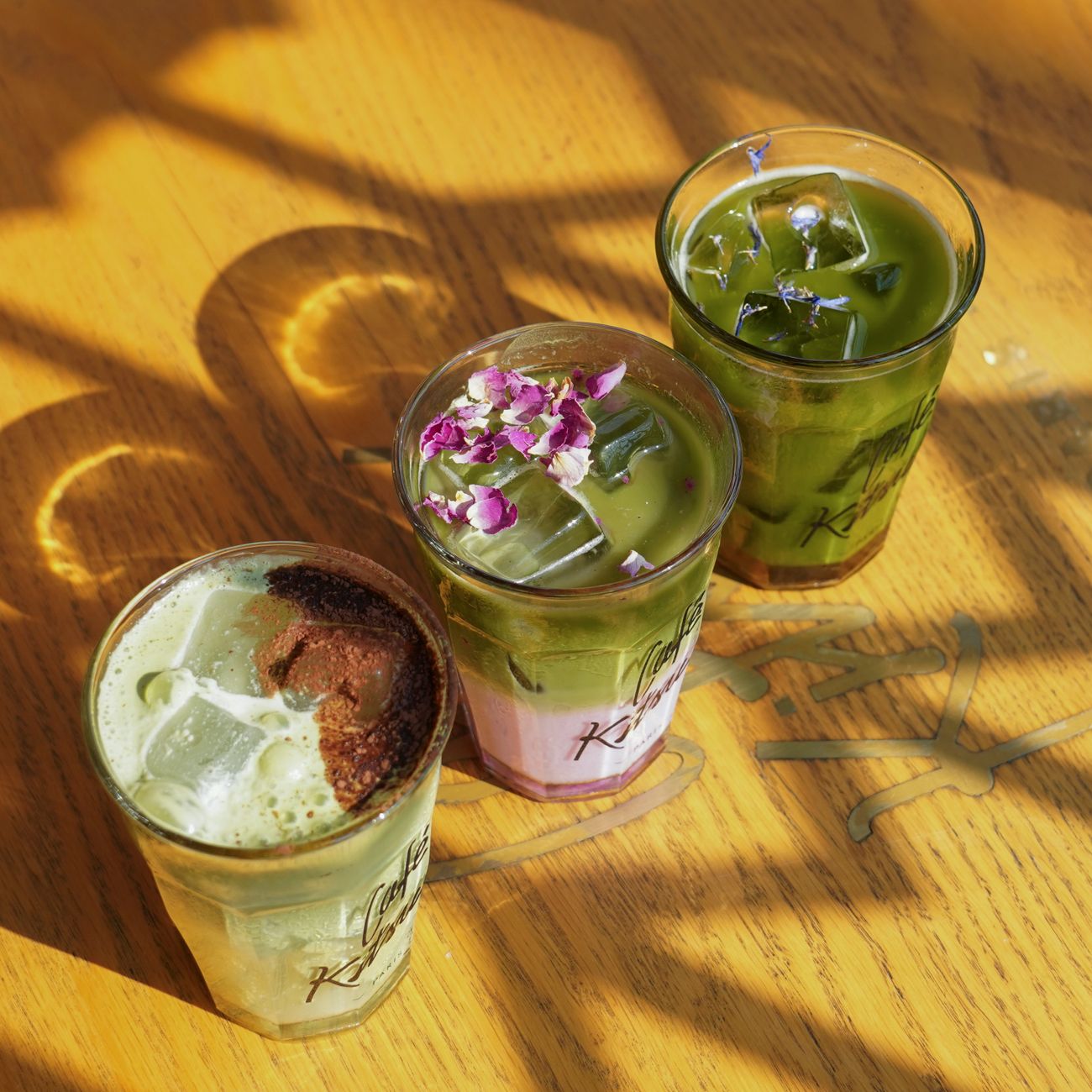
Most people know matcha as that bright green foam in a wide bowl. That's usucha, thin matcha, whisked airy and light. It's the approachable face of tea ceremony, the one guests meet first.
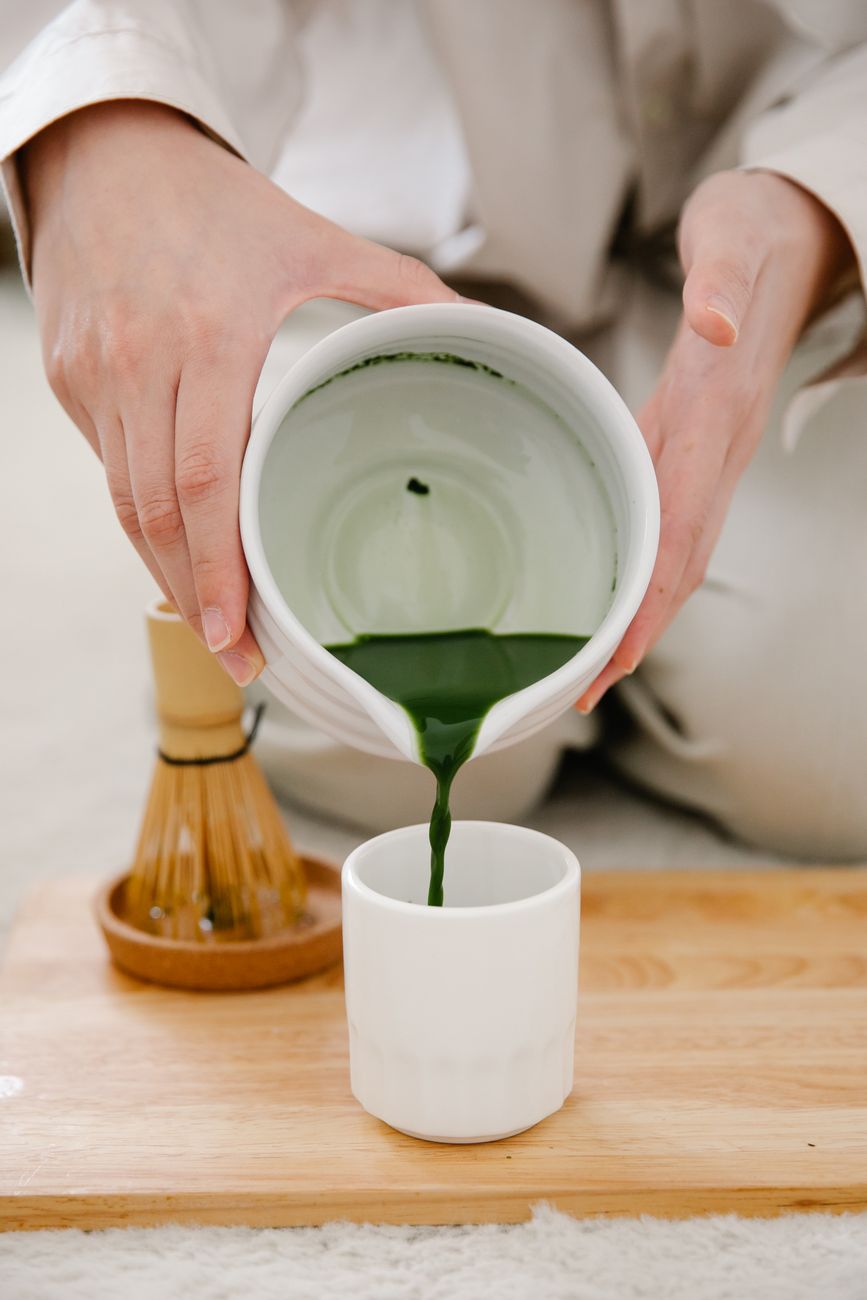
But koicha is something else entirely. Three times the powder. A fraction of the water. The consistency of melted jade, slow and glossy. Where usucha dances, koicha flows. It's not whisked into foam — it's kneaded, folded, coaxed into a thick suspension that clings to the bowl.
The difference isn't just aesthetic. It's philosophical.
The tea you share from one bowl
Koicha appears only in formal tea gatherings, and only among a small group. The host prepares a single bowl, thick and intensely green. Each guest drinks from the same bowl, rotating it carefully before passing it on.
This shared bowl carries weight. It's an act of trust, of intimacy, of temporary equality. The CEO and the student drink from the same rim.
Usucha, by contrast, is individual. Each guest receives their own bowl, whisked fresh. It's lighter in every sense — less intense, less formal, less laden with ceremony. You can breathe a little easier with usucha.
Koicha asks you to slow down and meet the tea on its own terms.
What your tongue actually tastes
The flavor gap is dramatic. Usucha is bright, grassy, sometimes brisk — a quick green shout. Koicha is deep, almost savory, with a sweetness that builds slowly and lingers for minutes after you've swallowed. Some describe it as oceanic. Others taste roasted nuts, dark chocolate, umami.
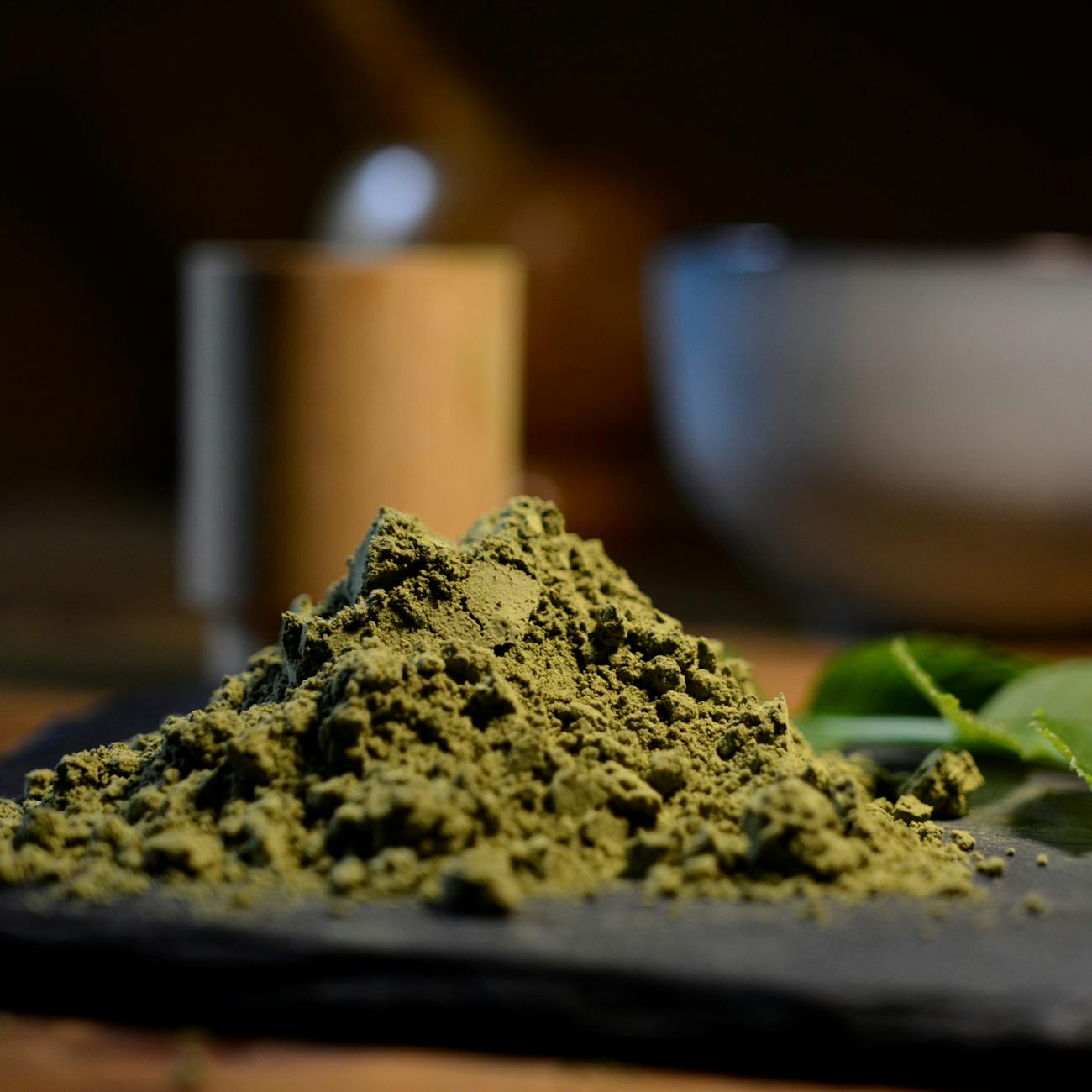
The powder matters intensely for koicha. Only the highest grades work — young leaves, stone-ground, impeccably fresh. Usucha forgives more. A slight bitterness, a little astringency? The foam softens it. Koicha hides nothing.
That's why koicha rarely leaves the formal tea room. It demands excellent matcha, skilled preparation, and the kind of attention most of us don't bring to our morning routine.
The technique behind the thickness
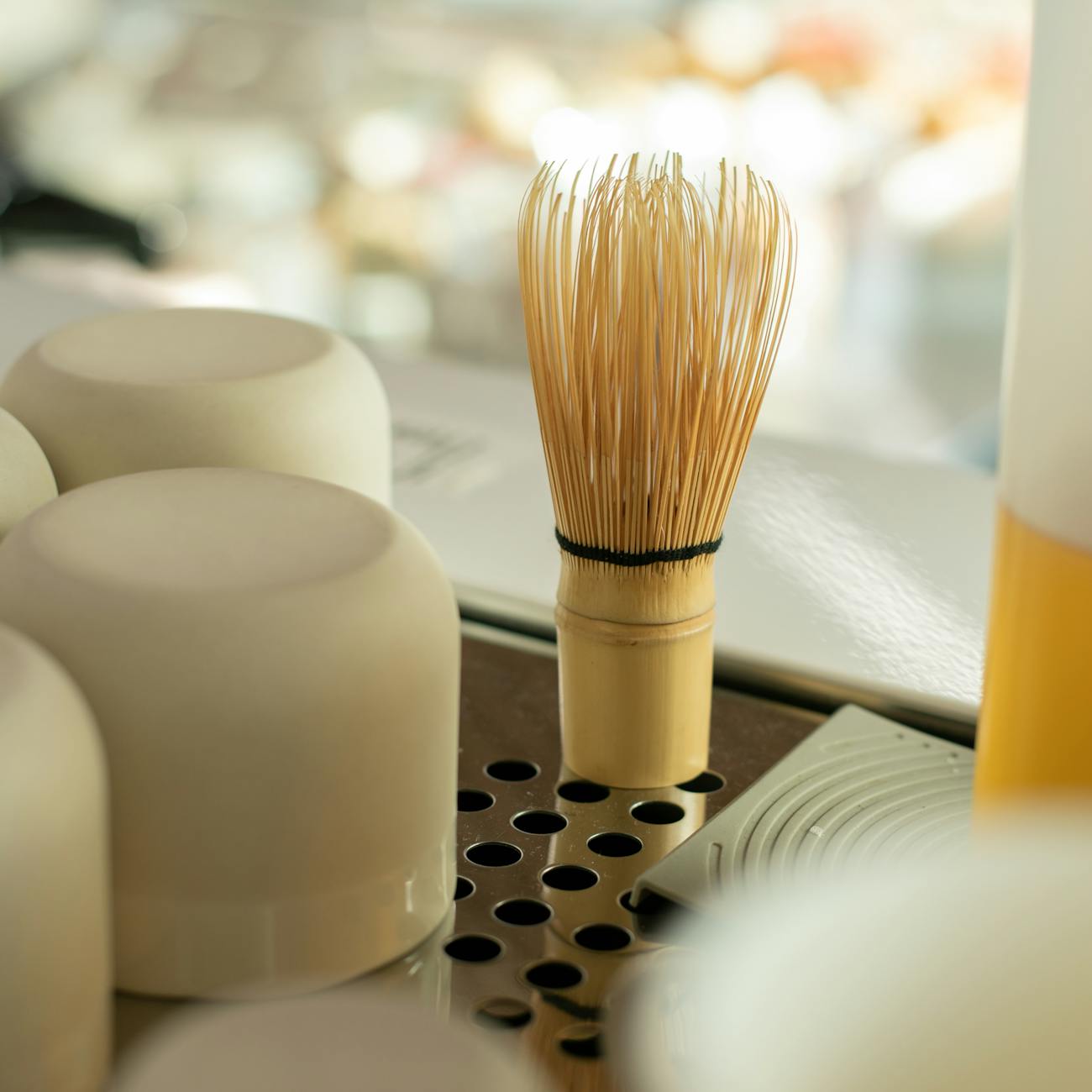
Whisking usucha is rhythmic, almost vigorous — a quick M or W pattern that builds foam in seconds. Koicha is the opposite. The bamboo whisk moves slowly, pressing and folding the paste against the bowl's curve. No foam forms. No air gets trapped.
It's closer to kneading dough than making a drink.
The water temperature drops slightly too. Boiling water would scorch koicha's concentrated punch. Instead, it's cooled to around 80°C, just off the boil, hot enough to release flavor without turning it harsh.
And the bowl itself changes. Koicha appears in smaller, deeper bowls — something you can cradle in both hands, something that holds heat and focuses your attention downward into that dark green pool.
Where you'll actually encounter each
Unless you're studying tea ceremony seriously, you'll likely only ever drink usucha. It's what cafes serve, what home practitioners make, what most Japanese people mean when they say "matcha."
Koicha remains reserved. Formal gatherings. Advanced study. Moments when tea isn't a drink but a shared meditation.
But knowing it exists changes how you taste even thin matcha. You realize the whisked foam is a choice, not the default. That matcha is a spectrum, not a single experience.
The thick tea waits in the bowl, patient and dark, for those rare moments when fast isn't the point.
FAQ
Chaware curates authentic Japanese crafts — straight from the makers in Japan to your table.
Explore the Chaware collection →