Koicha Matcha: The Sacred Thick Tea of the Japanese Tea Ceremony
On this page
You don't whisk this matcha. You fold it.
Koicha — literally "thick tea" — is the slower, quieter heart of the Japanese tea ceremony. While usucha (thin tea) froths bright green and drinkable in seconds, koicha demands patience. The powder-to-water ratio climbs so high the result is less beverage, more paste. Thick as honey. Dark as forest moss. Shared from a single bowl, passed hand to hand in silence.
This is not everyday tea.
The weight of ceremony
Koicha appears only in formal tea gatherings — the kind that unfold over hours in a tatami room, where every gesture has been refined across centuries. It's served in the first half of a chaji, the full tea ceremony, after a multi-course kaiseki meal and before the lighter usucha that closes the event. The timing is deliberate. Stomachs are calm. Minds are settled. Now the host offers koicha: the spiritual anchor of the gathering.
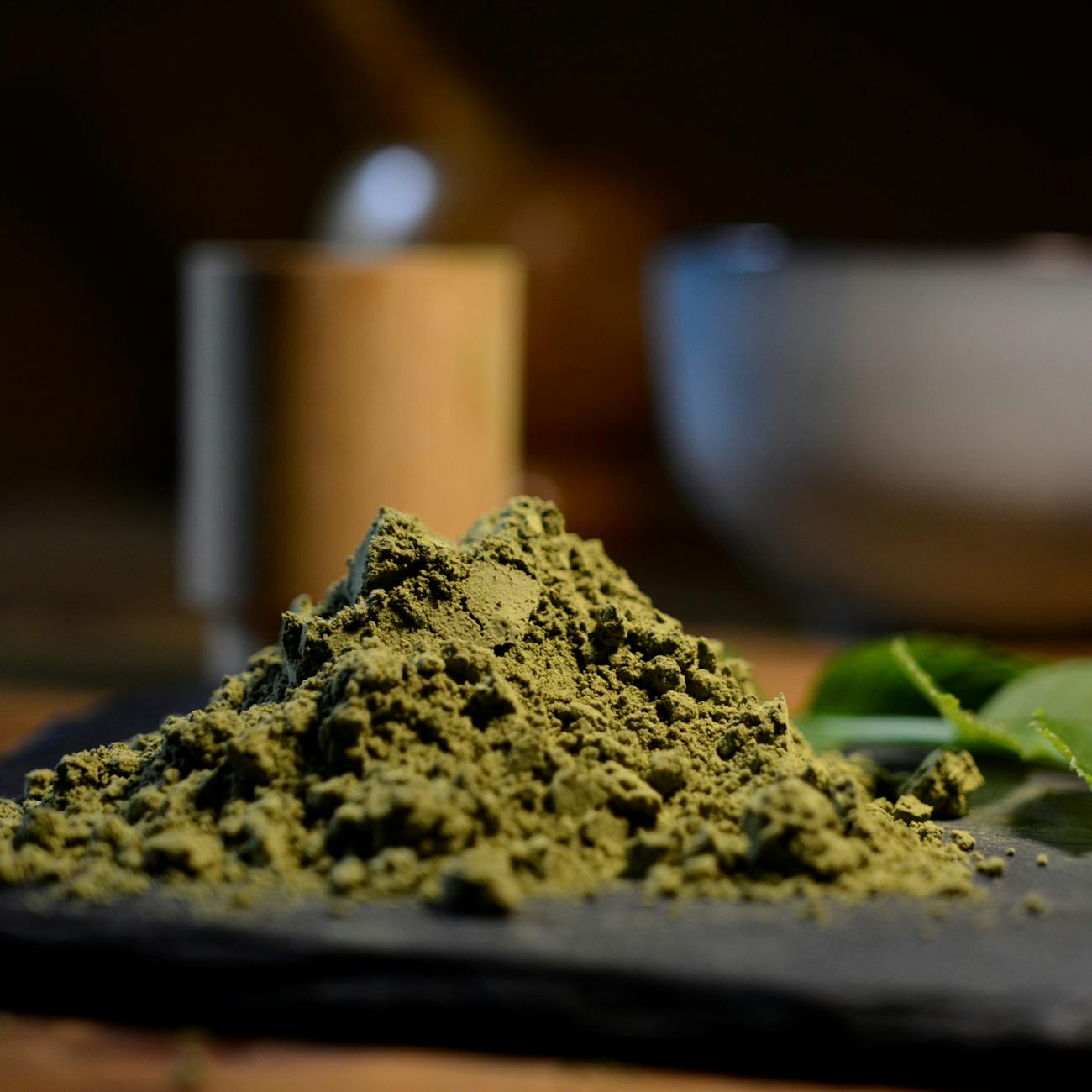
The tea itself is made from the finest tencha leaves, often from plants over thirty years old, stone-ground slowly to preserve sweetness and depth. The flavor is intensely vegetal, almost oceanic — umami floods the palate, with none of the bitterness that would make such thickness unbearable.
One bowl, many hands
In koicha, the bowl becomes a vessel of connection, not just refreshment.
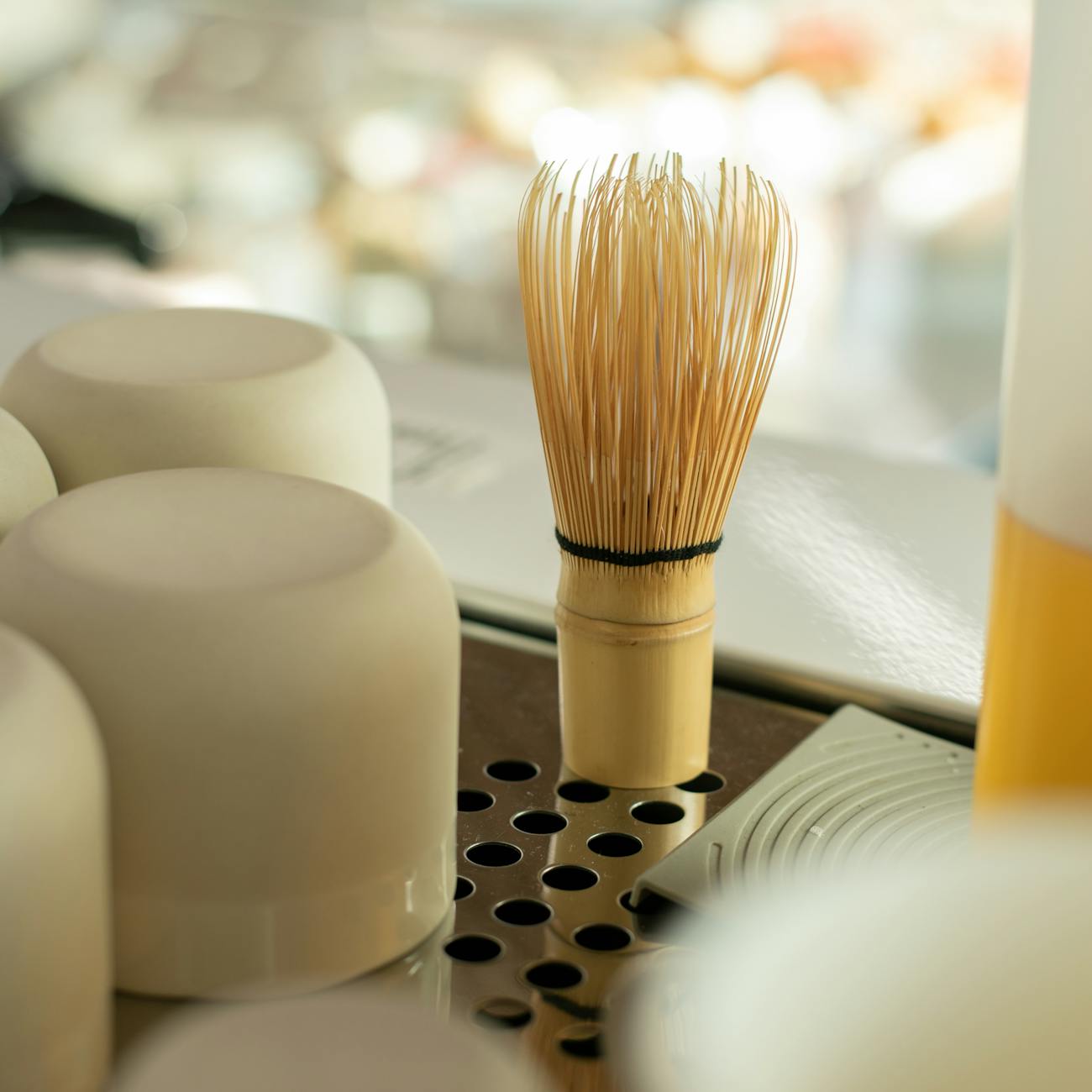
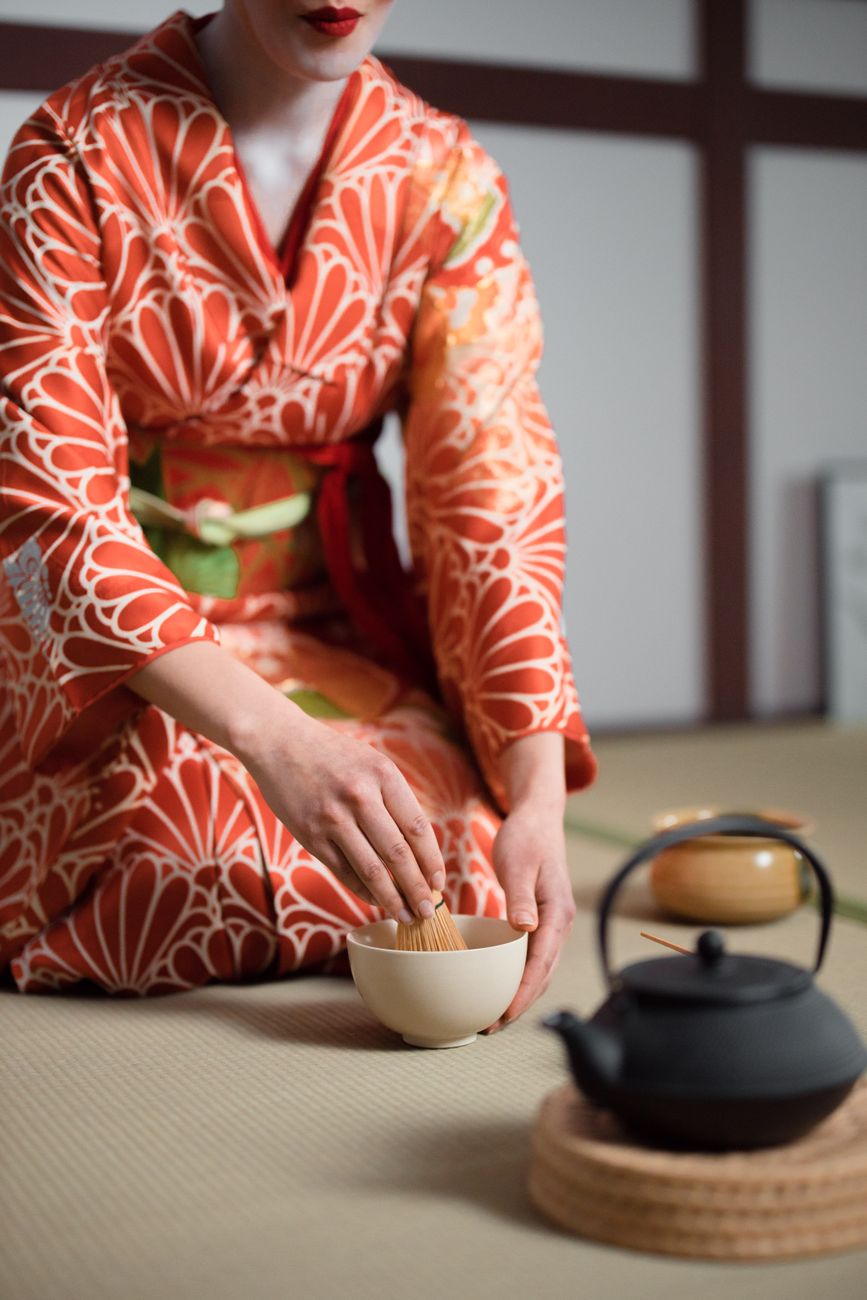
The host prepares koicha in front of the guests, folding — not whisking — the powder into hot water with a bamboo chasen using slow, circular motions. No foam forms. The consistency should be smooth and molten. The first guest receives the bowl, rotates it respectfully, takes two or three sips, wipes the rim with a kaishi paper, and passes it to the next person.
Everyone drinks from the same bowl. This shared intimacy is rare in Japanese culture, which typically avoids such direct contact. But koicha breaks that boundary intentionally. It's an act of trust. Of presence.
Why thickness matters
The viscosity isn't theatrics. It's functional meditation.
Koicha forces you to slow down. You can't gulp it. You can't rush through the motions. The texture coats your mouth, lingers on your tongue, demands your full attention. The high concentration of matcha — sometimes 1:1 powder to water by volume — also means a potent hit of L-theanine and caffeine, the combination that Zen monks have used for centuries to stay alert yet calm during long meditation sessions.
But more than chemistry, koicha teaches a kind of focus. The host must judge water temperature by intuition, adjust the fold based on how the paste behaves, read the room's energy. The guests must synchronize their movements, their breathing, their silence.

When you'll encounter it
Unless you study tea ceremony formally or attend a traditional chaji, you may never taste koicha. It doesn't appear in casual tea settings. Cafés don't serve it. Even dedicated matcha enthusiasts often go years without experiencing it, because it belongs to a specific ritual context — one that requires training, space, time, and a particular quality of attention most modern life doesn't accommodate.
Some tea schools hold public demonstrations. Some temples offer seasonal tea gatherings open to visitors. These are rare windows.
If you do find yourself holding that warm, heavy bowl, remember: you're not just drinking tea. You're participating in a conversation that's been unfolding, one careful sip at a time, for five hundred years.
FAQ
Chaware curates authentic Japanese crafts — straight from the makers in Japan to your table.
Explore the Chaware collection →