How Usucha Became Everyday Matcha: The Evolution of Thin Tea in Japanese Culture
On this page
You whisk a bowl of matcha and it blooms into jade-green foam in seconds. That ease? It's newer than you think.
The tea that wasn't meant to be simple
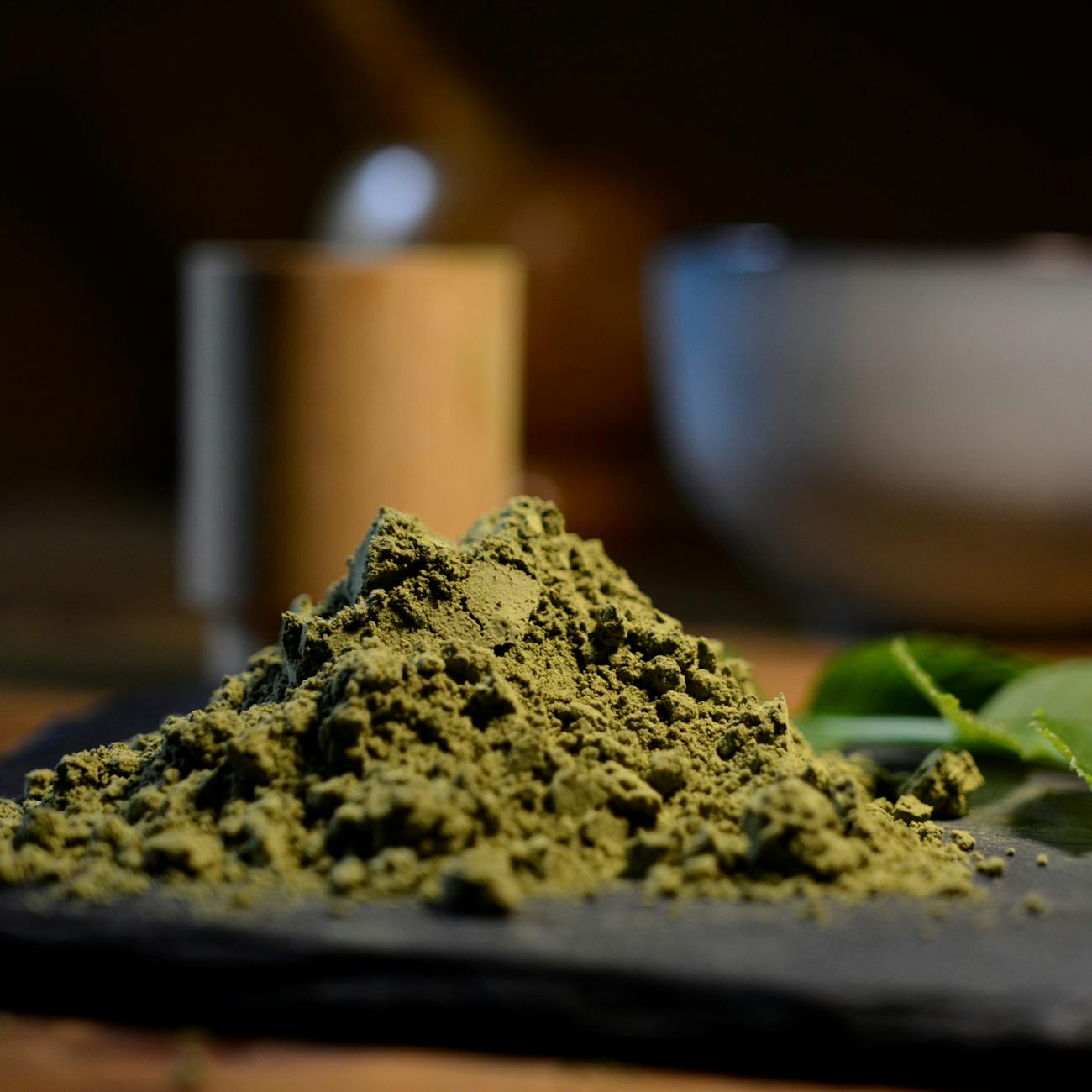
For centuries, matcha in Japan meant koicha — thick tea. Dense as melted chocolate, prepared with twice the powder and half the water, koicha was the soul of formal tea ceremony. It demanded precision, patience, and a kind of reverence that filled the room with silence. Guests shared a single bowl, passed hand to hand, each sip a meditation.
Usucha, thin tea, existed in the shadows. Lighter, quicker, whisked into a froth that caught the light. It was the palate cleanser, the closing act, the tea you drank after the serious business was done.
But somewhere along the way, the roles reversed.
When lightness became the point
Usucha's transformation didn't happen overnight. As tea culture spread beyond the formal tearoom in the Edo period, everyday people wanted matcha without the ceremony's weight. Usucha offered that opening — a bowl you could prepare in minutes, drink alone, enjoy without a teacher hovering over your shoulder.
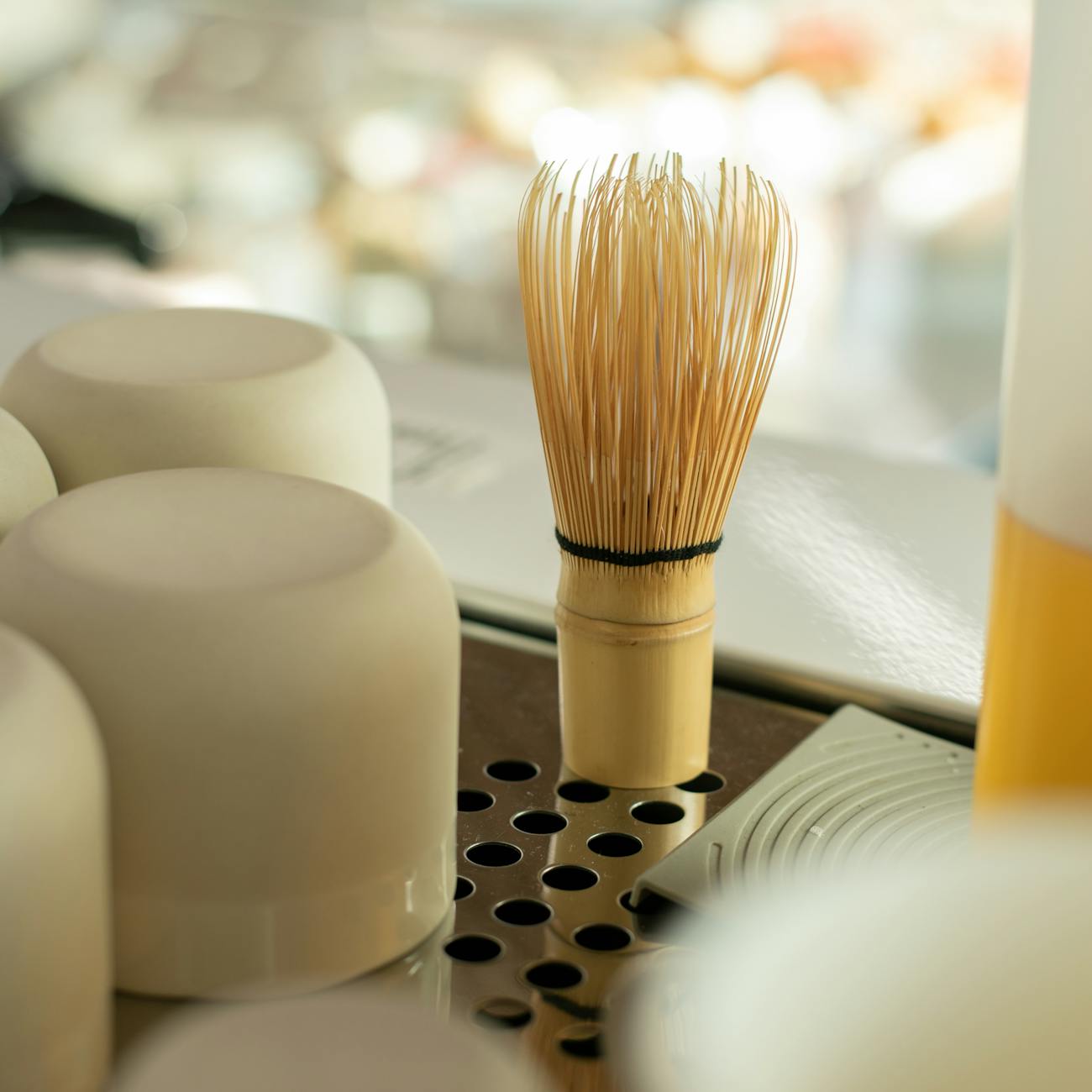
The whisking itself became a pleasure. Unlike koicha's slow, deliberate kneading motion, usucha invited speed and vigor. The chasen danced across the bowl in quick M-shaped strokes, building foam that felt almost playful. You could hear the difference: the sharp whisper of bamboo against ceramic, the soft crackle of forming bubbles.
Usucha turned matcha from a shared ritual into a personal moment — still mindful, but newly yours.
The bowl, the body, the everyday
Part of usucha's appeal lives in the body. Koicha sits heavy and sweet on the tongue, coating your mouth with umami that lingers for minutes. It's a tea that asks you to stop everything else. Usucha, by contrast, feels bright and awake. The bitterness is softer, the texture airy, the finish clean. It refreshes rather than envelops.
This made it perfect for the rhythms of daily life. A bowl before work. A moment of focus in the afternoon. A quiet end to a meal. Usucha slipped into the cracks of the day where ceremony couldn't fit.
And unlike koicha, which demanded the finest tencha leaves and flawless technique, usucha forgave small imperfections. Your water a few degrees off? Your whisking a bit uneven? The tea still tasted good. It still gave you that green jolt of presence.

What we inherited
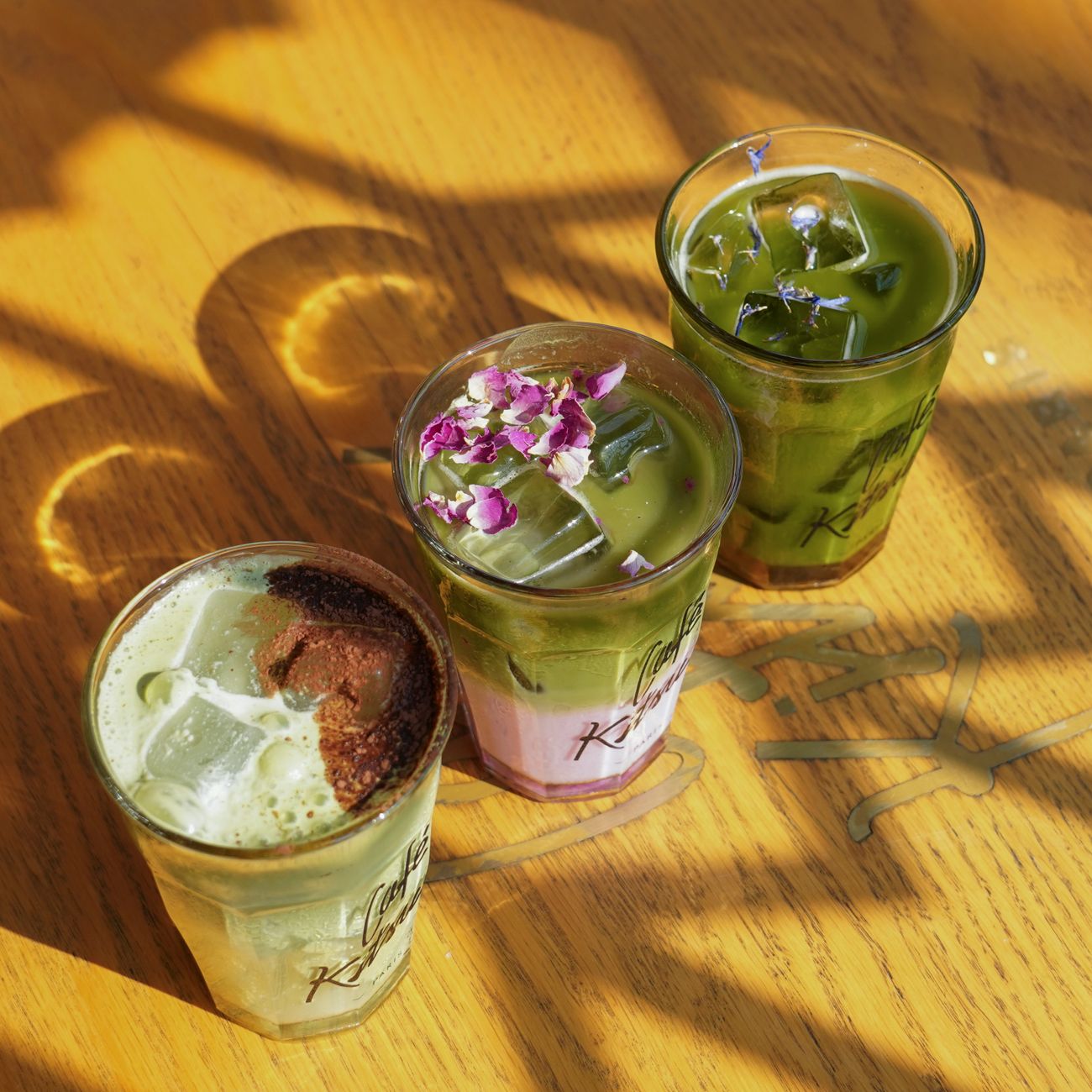
Walk into a café in Tokyo, New York, or Melbourne today, and the matcha latte in your hand descends directly from usucha's practicality. The ratio, the whisk, the idea that matcha can be quick and still meaningful — all usucha.
Even in traditional tea practice, usucha now dominates. Most tea gatherings serve it exclusively. Koicha appears only in the most formal settings, a rare and precious encounter. The everyday tea became the tea.
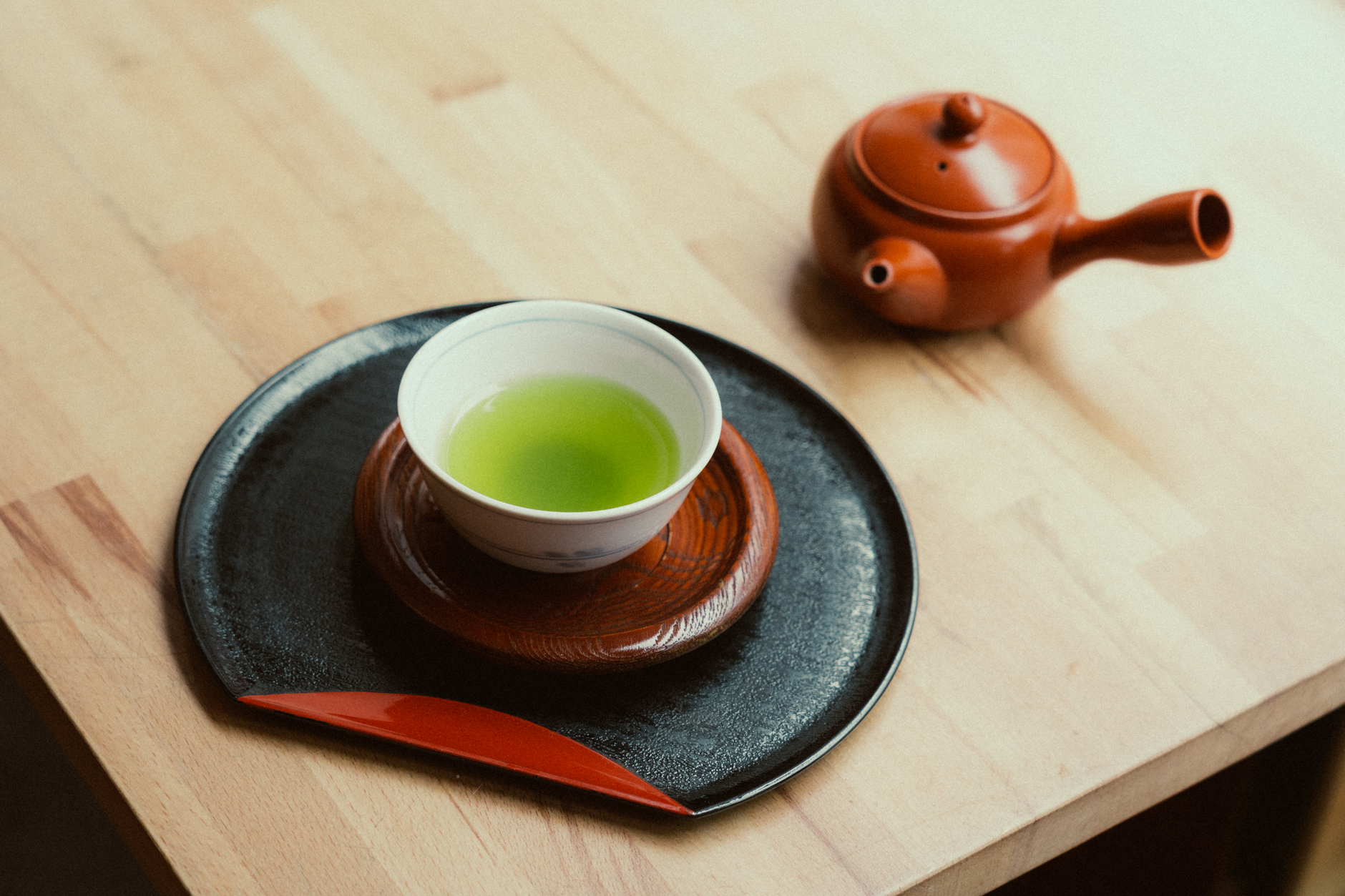
But here's what didn't change: that moment when you lift the bowl with both hands, feel its warmth, and breathe in the grassy-sweet steam before the first sip. Usucha kept that. It just made room for you to do it on a Tuesday morning, alone at your kitchen counter, with sunlight slanting through the window and the rest of your life waiting on the other side of the bowl.
FAQ
Chaware curates authentic Japanese crafts — straight from the makers in Japan to your table.
Explore the Chaware collection →