Why Matcha Color Reveals Its Quality: Reading the Green
On this page
You pour the matcha. One bowl glows vivid, electric green. The other? Dull, yellowish, tired. They're both matcha—but only one tells the truth about what's inside.
Color is matcha's first language. Before you taste, before you smell, before the whisk even touches water, the powder speaks. And what it says reveals everything: how it was grown, when it was picked, how carefully it was stored, and whether it's destined for ceremony or convenience.
The shade makes the green
True matcha doesn't just grow green—it's made green. Weeks before harvest, tea farmers drape their fields in darkness, covering the plants with bamboo screens or modern shade cloths in a practice called tana (canopy shading). This isn't tradition for tradition's sake. It's biochemistry.
Starved of sunlight, the tea plant panics. It floods its leaves with chlorophyll, desperately trying to capture every photon. At the same time, it produces L-theanine and amino acids while limiting the bitter catechins that develop in full sun. The result? Leaves so intensely green they look almost unreal when ground—and a flavor profile that balances sweetness with that signature umami depth.
The best ceremonial matcha comes from leaves shaded for 20 to 30 days. Less time, less chlorophyll. Less green, less quality.
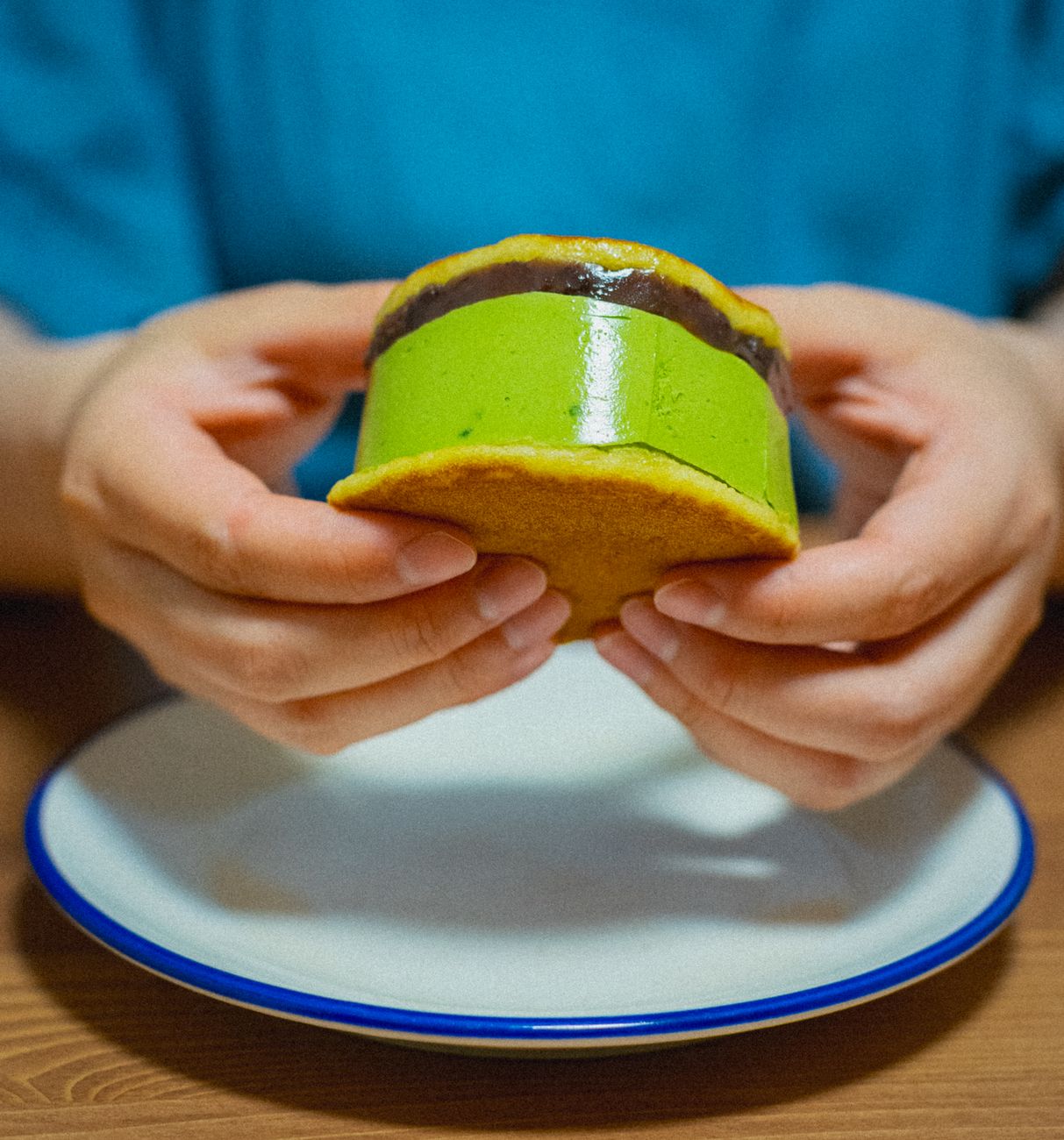
When the harvest happens, color follows
Timing is everything. The youngest, smallest leaves at the very top of the plant—picked during the first spring flush called ichibancha—hold the most concentrated chlorophyll and the fewest tannins. They produce matcha in shades of brilliant jade.
Later harvests? The leaves grow larger, tougher, more exposed to sun. The green fades toward olive, then khaki, then a yellowish brown. These become lower grades—perfectly fine for lattes or baking, but lacking the luminous vibrancy that marks ceremonial quality.
The brightest matcha comes from leaves that saw the least light.
Oxidation steals the glow
Even perfect leaves can lose their color after harvest. Matcha's enemy is oxygen. The moment the powder is exposed to air, oxidation begins its slow work—breaking down chlorophyll, shifting the color from neon to muted, from fresh to stale.
This is why traditional matcha comes in small tins, sealed tight, sometimes flushed with nitrogen. Once opened, the clock starts ticking. A month, maybe two, and even premium matcha begins to fade. That dull, brownish tint isn't just ugly—it signals degraded flavor, lost sweetness, and increased bitterness.
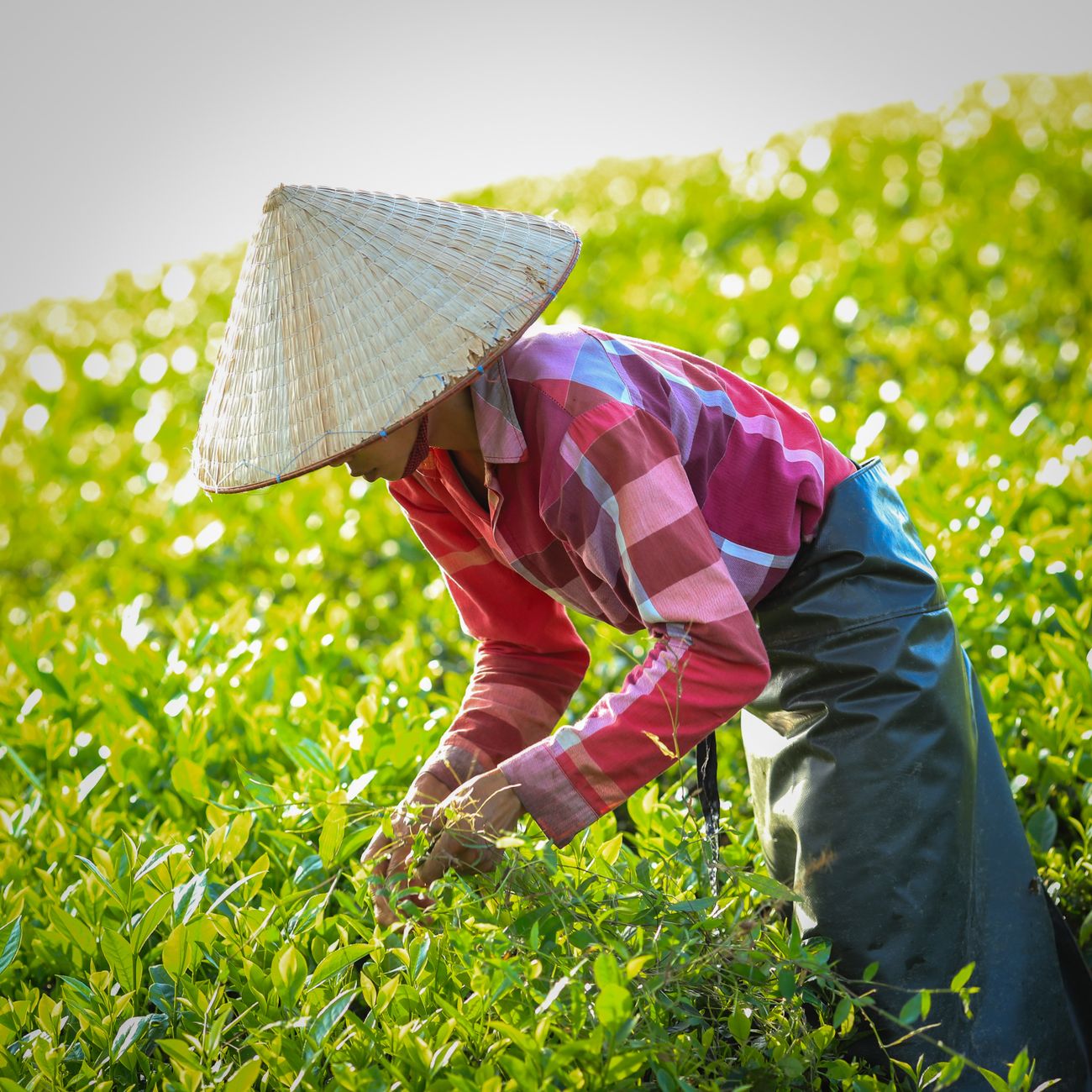
What you see in the bowl
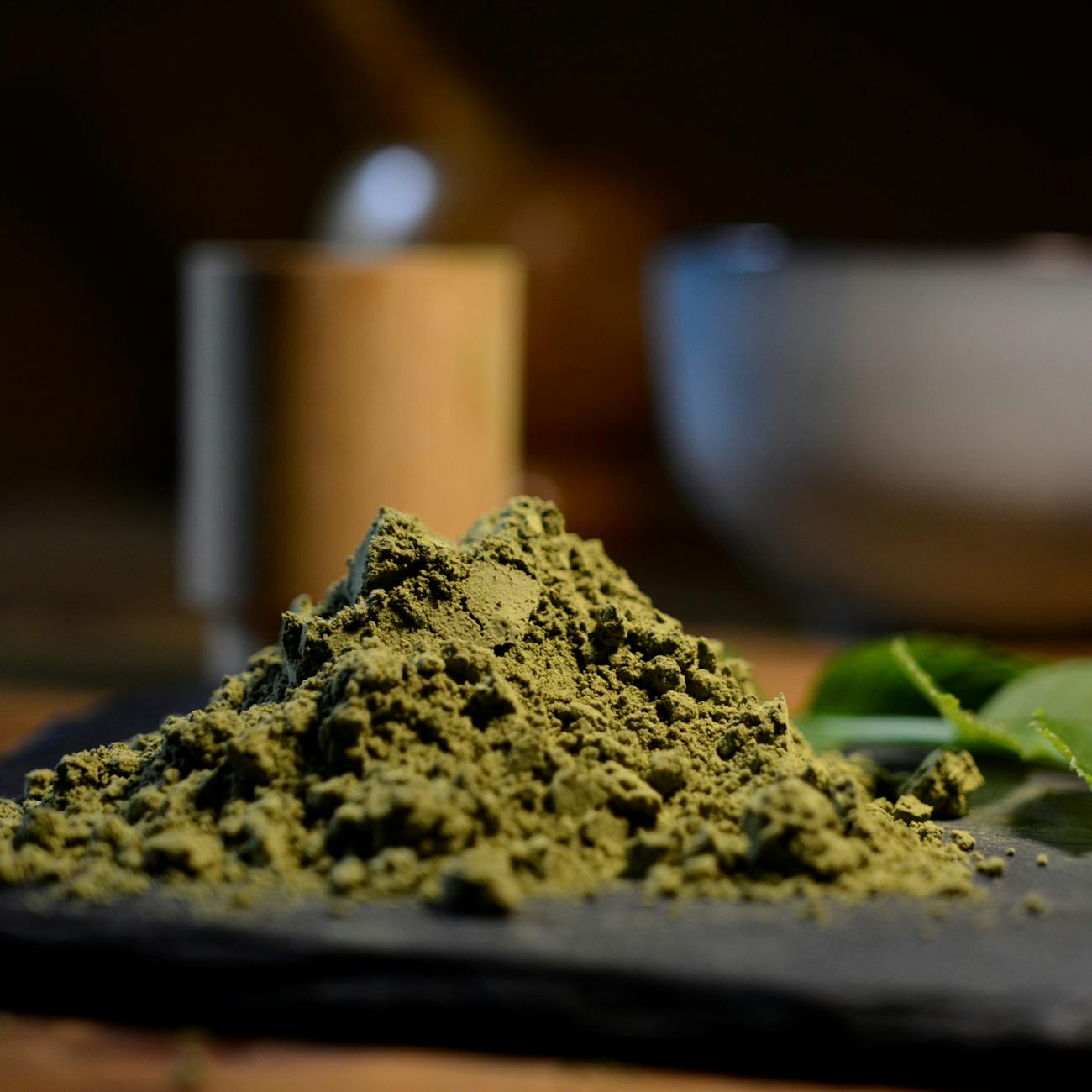
When you sift matcha into your bowl, look closely. Bright, vibrant green with a slight blue undertone? That's high chlorophyll content, careful processing, fresh powder. Yellow-green or brown-tinged? That's either lower-grade leaves, old stock, or both.
The froth tells a story too. Quality matcha whisked properly creates foam that's pale, almost white-green, fine-textured, and stable. Poor matcha struggles to foam at all—its larger particle size and oxidized oils resist the aeration.
- Ceremonial grade: Deep jade to bright spring green, fine powder, fresh aroma
- Premium grade: Vibrant green, slight vegetal scent, smooth texture
- Culinary grade: Yellow-green to olive, coarser, more astringent
The color you can't fake
Some producers try to cheat the spectrum—adding food-grade colorants or mixing in other green powders. But real matcha green has a specific luminosity, a depth that comes only from shade-grown chlorophyll. It doesn't look artificial. It looks alive.
Because that's exactly what it is: concentrated leaf, ground to micrometers, holding onto the green it fought so hard to create in the darkness.
Next time you open a tin, pause. Let the color speak first. It's already told you most of what you need to know.
FAQ
Chaware curates authentic Japanese crafts — straight from the makers in Japan to your table.
Explore the Chaware collection →