Why Seasonality Guides Seasonal Matcha Selection in the Tea Room
On this page
The tea master's hand hovers over the shelf. Four identical caddies, four grades of matcha — and the choice hinges entirely on what month it is.
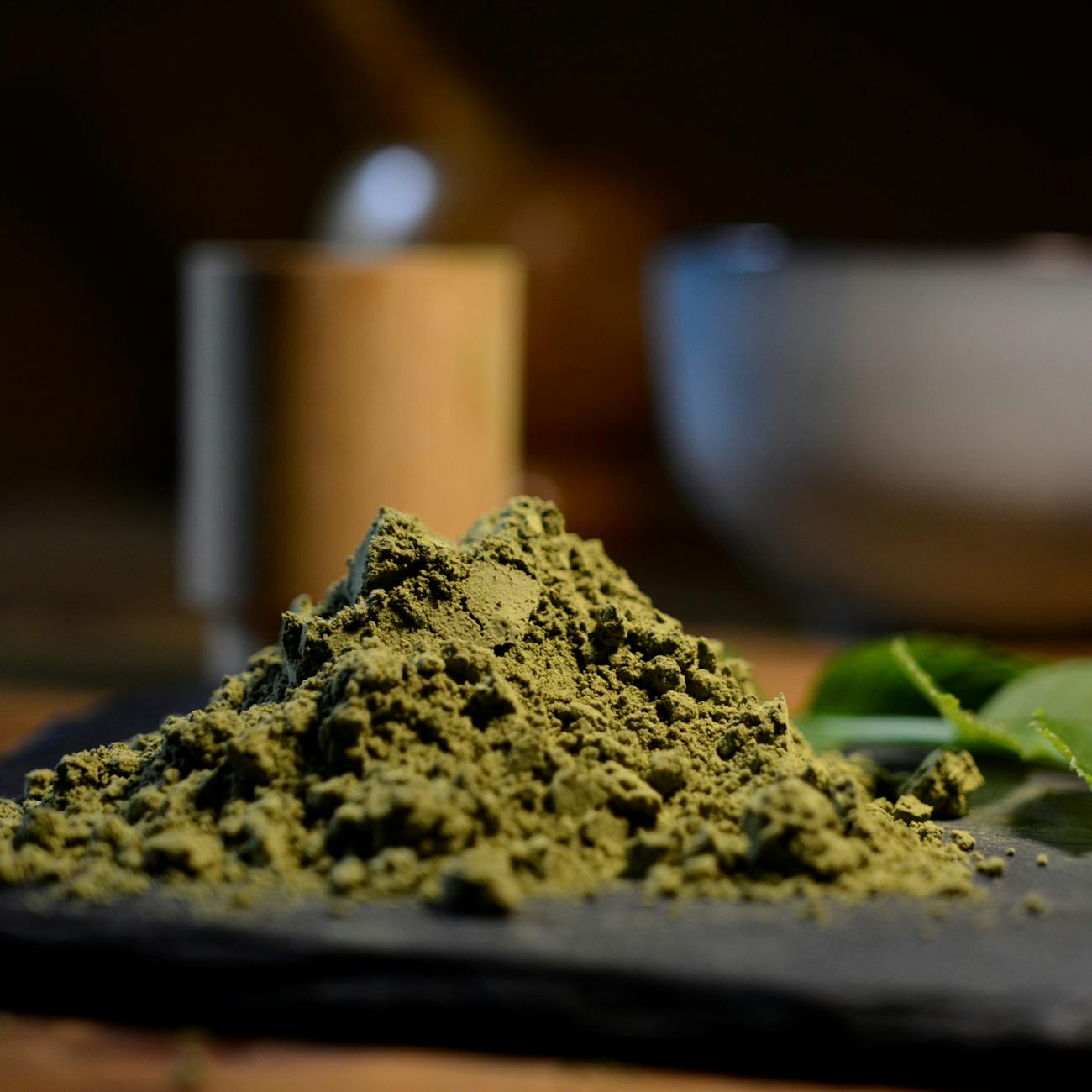
The powder remembers spring
Matcha doesn't age like wine. It fades. The moment tea leaves are stone-ground into that luminous green dust, a slow countdown begins. The finest grade — usucha reserved for formal gatherings — reaches its peak flavor within months of grinding, typically in late spring when the first flush leaves are processed. By summer's heat, those same bright, grassy notes begin to mellow. By autumn, they've softened further still.
This isn't a flaw. It's the entire point.
In the tea room, seasonality isn't about decoration or theme nights. It's metabolic. The tea itself transforms month by month, and the practitioner's role is to meet it where it lives. A May matcha, vivid and almost sharp with chlorophyll, wants a completely different whisking speed, water temperature, and vessel than the same tea revisited in October, now rounder and more subdued.

What the calendar tells the caddy
Traditional tea practice divides matcha use into koicha (thick tea) and usucha (thin tea), but it also divides by time. Freshly milled spring matcha gets saved for the most important gatherings — the kind where silence matters and every gesture counts. This isn't precious snobbery. It's practical. That powder won't wait.
As months pass, tea masters rotate their stock with surgical precision:
- Late spring to early summer: Peak freshness, reserved for formal chaji ceremonies
- Mid-summer to autumn: Slightly aged matcha for daily practice and teaching students
- Winter: Older reserves for koicha, where thickness and body matter more than bright aromatics
The tea room operates on vegetal time — not the clock, but the leaf's own memory of harvest.
By winter, some schools intentionally reach for matcha ground six months prior. The flavor has darkened, yes, but it's gained weight. That density makes it ideal for the thicker, paste-like consistency of koicha, where you're not chasing top notes but building a slow, enveloping bitterness that lingers long after the bowl is empty.
The temperature of patience
Water temperature shifts with the tea's age. Young matcha, still crackling with amino acids, can handle slightly cooler water — around 70-75°C — to preserve its sweetness and prevent astringency from flaring. Older matcha, mellowed and less volatile, benefits from a touch more heat to coax out what brightness remains.
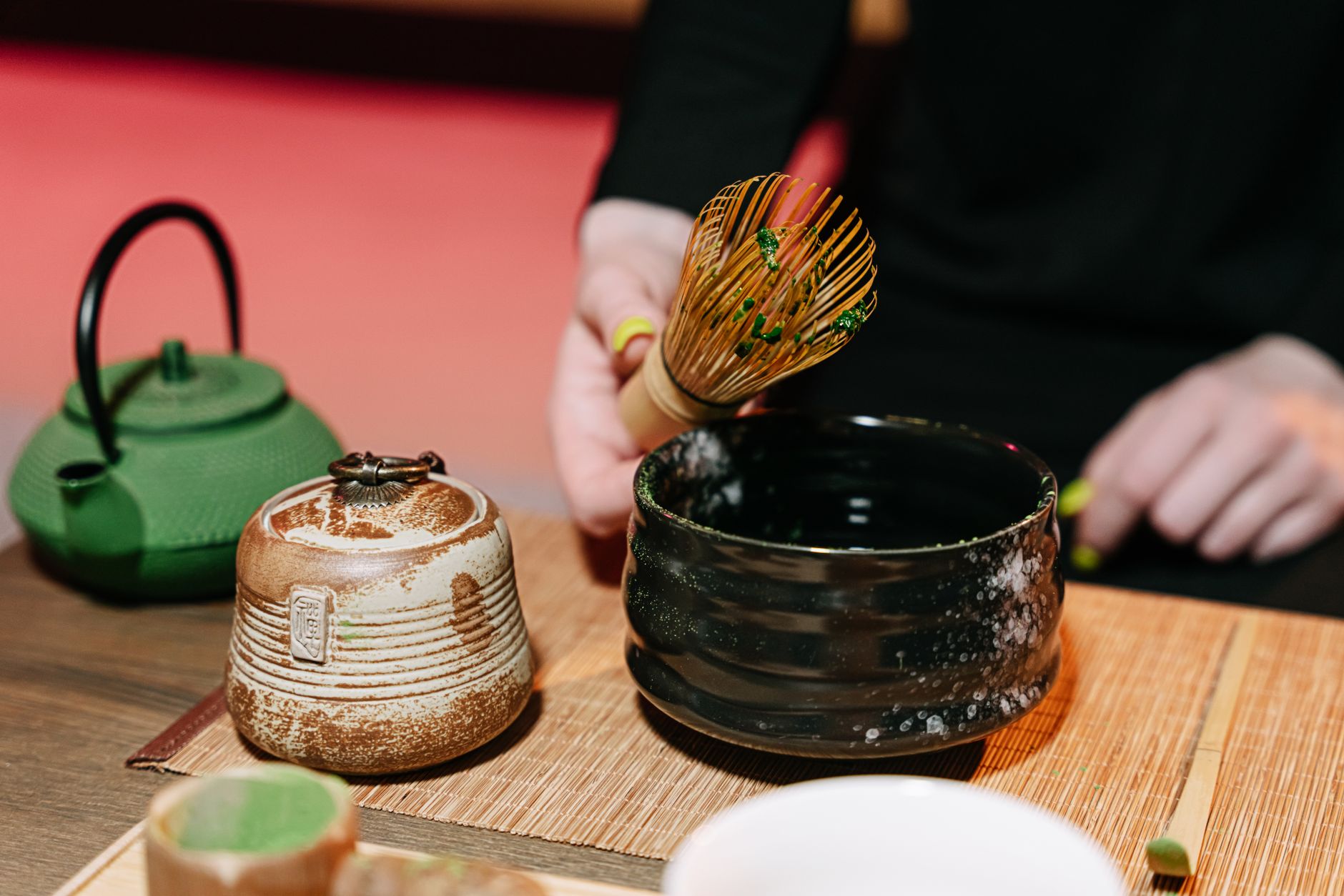
You adjust the whisk angle too. The speed. Even the number of strokes.
This is what sets the tea room apart from casual matcha drinking. It's not ritual for ritual's sake. It's a practiced ear listening to what the powder is trying to say right now, in this humidity, in this month, in this single morning that will never come again.

What fades, what deepens
There's a quiet lesson in watching matcha age. The culture around it doesn't fight impermanence — it choreographs around it. Nothing is frozen at peak. Everything is used at its moment, then released.
The tea master who chooses November's caddy over April's isn't settling for second-best. She's honoring what November tastes like.
FAQ
Chaware curates authentic Japanese crafts — straight from the makers in Japan to your table.
Explore the Chaware collection →