Why The Tokonoma Alcove Sets The Mood For Matcha
On this page
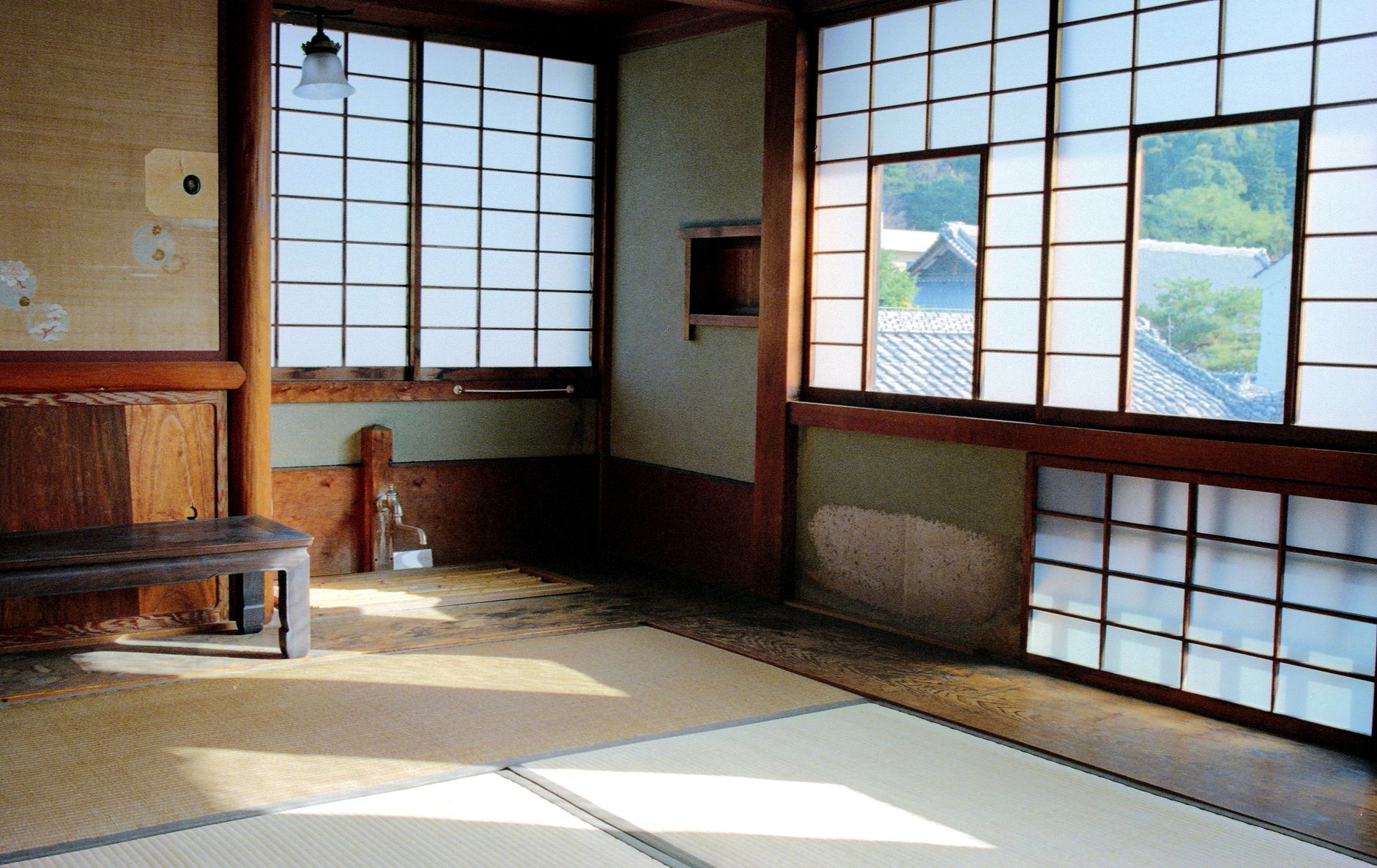
You step into the tea room, and before the water boils, before the whisk touches the bowl, your eyes find the alcove. A scroll hangs in shadow. A single flower leans. The room has already begun to speak.
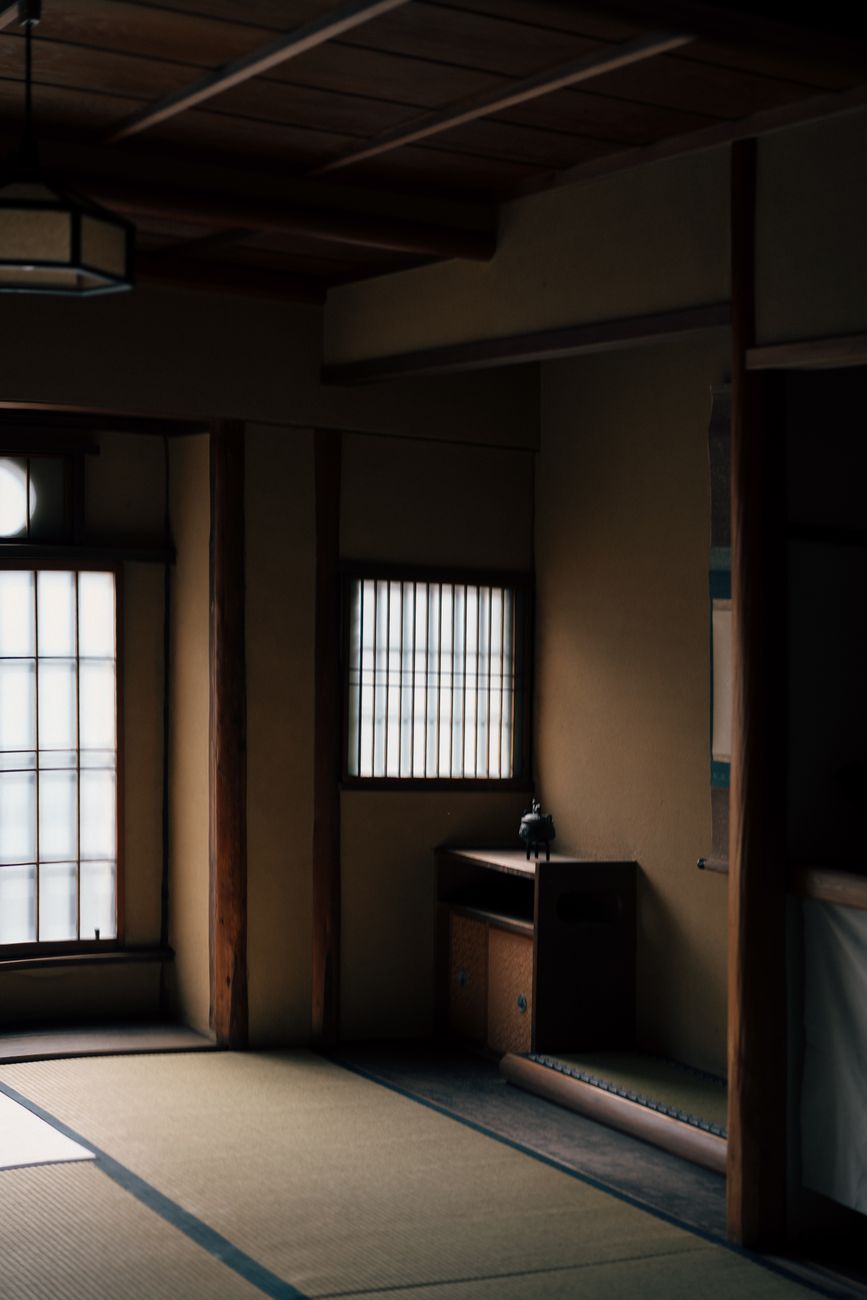
The tokonoma — that raised, recessed alcove in the corner of a traditional tea room — is not decoration. It's the spiritual anchor of the entire gathering, the quiet stage where the host whispers the theme of your encounter through image and object alone. In the formal language of chanoyu, the tea ceremony, everything orbits this small, sacred space.
The room bows to one corner
Walk into a chashitsu (tea room) and you'll notice: the tokonoma occupies the seat of honor. Guests are positioned so they face it naturally, never turning their backs. It's elevated slightly, framed in plain wood or soft plaster, intentionally minimal. This restraint is the point. The alcove doesn't compete for attention — it commands it through absence.
Historically, the tokonoma evolved from the shoin study rooms of Zen monasteries, where a scroll or Buddhist image hung as a focus for contemplation. By the time Sen no Rikyū formalized wabi-cha in the 16th century, the alcove had become the beating heart of tea aesthetics: a place to set the season, the mood, the unspoken question of the day.
The scroll that sets the season
Inside the tokonoma, the kakemono — the hanging scroll — does most of the talking. It might be calligraphy brushed by a Zen monk, a single character like 無 (mu, emptiness) or 和 (wa, harmony). It might be a painted landscape, mist-soaked mountains, a branch of plum blossoms in early spring.
The scroll is never random. A skilled host chooses it to echo the time of year, the occasion, even the temperament of the guest. The imagery becomes a kind of koan, something to sit with quietly while the tea is prepared. You're meant to read it, feel it, let it shape your inner state before the first sip.
In summer, you might see flowing water or a breeze through bamboo — visual coolness. In winter, perhaps a lone crow on a bare branch, stark and grounding.
The tokonoma holds the question; the tea offers the answer.
Flowers that aren't arrangements
Beside or below the scroll, often in a simple bamboo or ceramic vase, sits chabana — tea flowers. This is not ikebana in the formal sense. Chabana follows a different logic: natural, unforced, as if the stem had just been plucked from the roadside and placed with barely a thought.
One peony nodding heavy. Three stalks of wild grass. A single camellia in a cracked vessel.
The rule, if there is one, is honesty. The flower should look alive, seasonal, humble. It gestures toward the world outside the tea room — the garden, the mountain, the passing moment — and pulls that world gently inside. You're reminded: this tea, this room, this breath — all of it is temporary.
Why it still matters
Even in contemporary tea practice, even when the room is a repurposed studio or a minimalist urban space, the tokonoma principle holds. It teaches focus. It teaches that atmosphere is authored, that mood is a material you can shape with intention and restraint.
The alcove asks you to pause, to notice, to enter the room not with your schedule but with your senses.
Before the matcha is whisked, before hands warm on the bowl, the tokonoma has already set the terms. The rest is just listening.
FAQ
Chaware curates authentic Japanese crafts — straight from the makers in Japan to your table.
Explore the Chaware collection →