What Is the Shibui Aesthetic? Understanding Japan's Philosophy of Subtle Beauty
On this page
You've likely felt it without knowing the word for it—that quiet pull toward the unassuming cup, the unvarnished wood, the color that doesn't shout.
The beauty that doesn't try
Shibui (渋い) is one of Japan's most elusive aesthetic concepts, and perhaps its most misunderstood. It's not minimalism, though Western design often mistakes it for such. It's not rustic simplicity, though it shares that quality. Shibui describes a kind of beauty that reveals itself slowly—restrained, subtle, mature. The word itself comes from the astringent taste of unripe persimmon: a slight bitterness that lingers, deepens, becomes more complex the longer you sit with it.
Where Western aesthetics have historically celebrated the grand, the ornate, the immediately impressive, shibui turns inward. It prizes the understated over the obvious. A shibui object doesn't announce itself when you enter a room—it waits for you to notice.
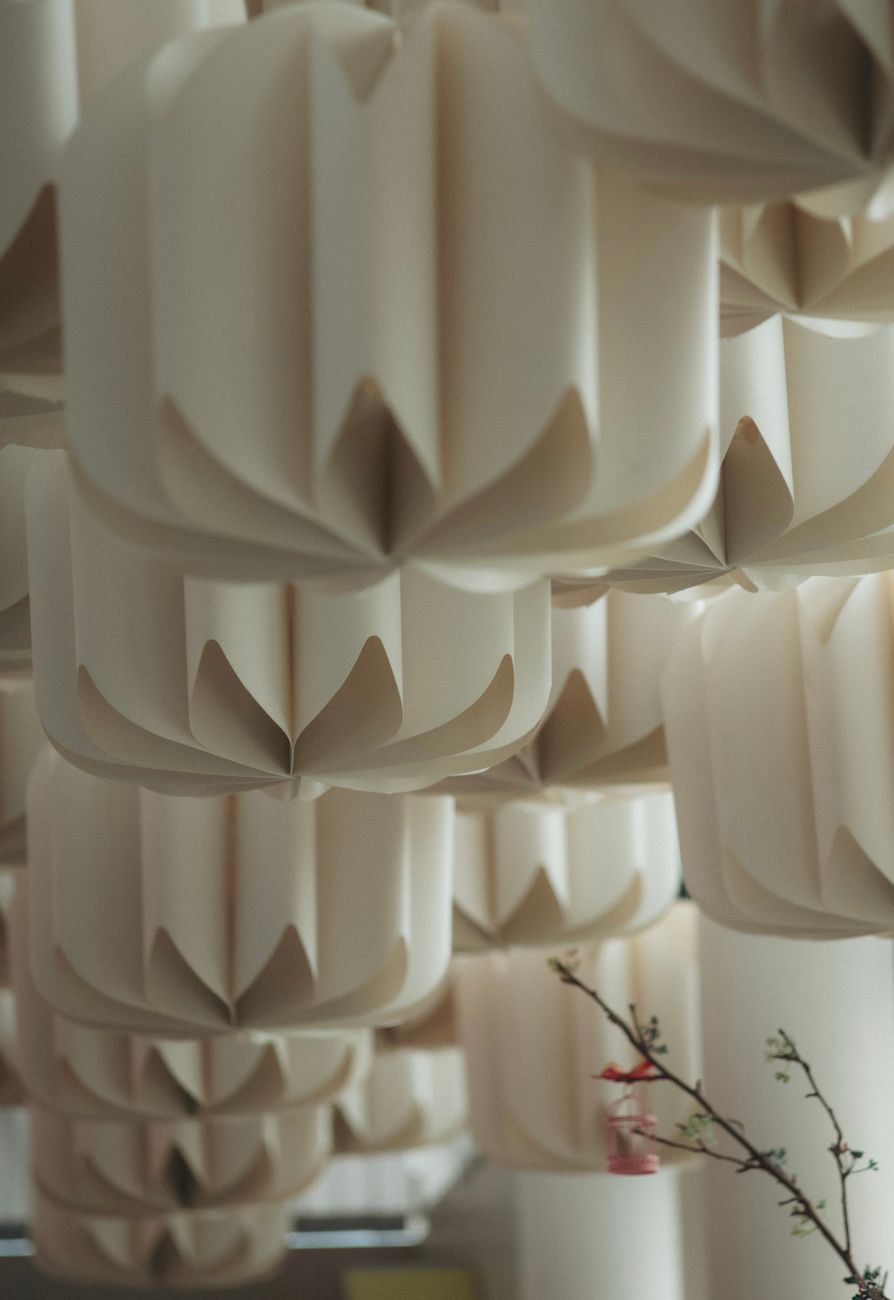
The tension beneath the surface
Here's what makes shibui fascinating: it's not about plainness. A shibui aesthetic requires complexity hidden beneath apparent simplicity. Think of it as richness wearing humble clothes.
The grain in a piece of aged keyaki wood. The irregular lip of a tea bowl where the glaze pooled thicker on one side. The way natural linen wrinkles and softens with use, creating its own topography. These aren't flaws—they're the quiet details that reward sustained attention. Shibui objects grow more interesting over time, not less.
Shibui beauty doesn't fade with familiarity—it deepens.
This is fundamentally different from novelty or flash. A shibui aesthetic resists trends because it was never trying to be current in the first place. It exists in a different temporal register entirely.
What shibui looks like in practice
In color, shibui gravitates toward muted, complex tones: persimmon brown, charcoal gray, the blue-green of weathered copper, the warm beige of raw silk. These aren't colors that photograph well under harsh light—they need shadow, context, the shifting quality of natural daylight.
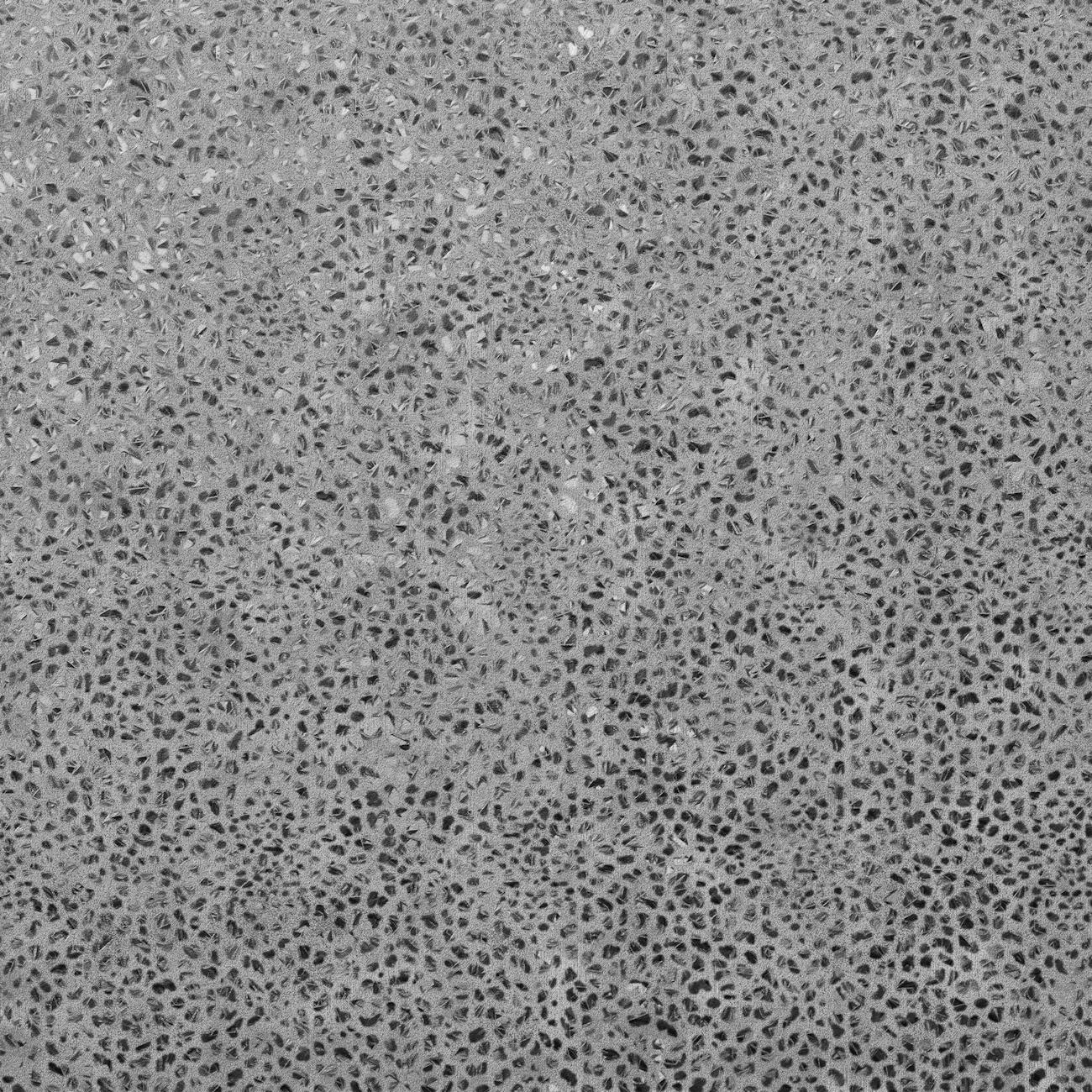
In form, shibui objects often show their making. The potter's hand. The woodworker's plane marks. Not as affectation, but as honest record. There's a particular kind of texture here—neither perfectly smooth nor deliberately rough, but somewhere in between. Tactile. Meant to be touched.
In Japanese crafts, you see shibui in the unglazed foot of a Bizen ware sake cup, in the subtle irregularities of hand-forged iron, in the quiet geometry of a wooden tray whose proportions somehow feel exactly right without announcing why. These objects don't perform their beauty—they simply possess it.
Living with the astringent
The challenge of shibui for contemporary life is that it requires patience. You can't scroll past it and "get it." You can't consume it quickly. This aesthetic asks you to slow down, to return, to notice what changes when you live with something day after day.
It's an aesthetic for the second glance, the tenth glance, the thousandth. For the moment when you realize the bowl you've been drinking from every morning has been teaching your hands its shape. When the linen you thought was merely beige reveals itself as containing five different shades of brown and gray depending on the light.
Shibui doesn't age—it seasons.
FAQ
Chaware curates authentic Japanese crafts — straight from the makers in Japan to your table.
Explore the Chaware collection →