Where To See Traditional Tea Houses In Kyoto: A Guide to Authentic Chashitsu
On this page
The best tea houses in Kyoto don't advertise. They wait behind bamboo fences and moss-covered gates, unchanged for centuries, serving tea exactly as they did when samurai knelt on their tatami.
Gardens you enter through whispers
Finding authentic chashitsu (tea houses) in Kyoto requires knowing where to look—and understanding that many operate by reservation only, preserving the intimate scale tea ceremony demands. Start with Urasenke, the largest of Kyoto's tea schools, where their grounds include historic tea houses open for viewing during specific cultural events. The architecture alone teaches: low doorways forcing every guest to bow, alcoves positioned to frame a single seasonal scroll, windows cut to capture one branch of maple.
But the most accessible window into tea house culture sits inside Kōdai-ji Temple. Their Kasatei and Shiguretei tea houses, designed by the legendary tea master Sen no Rikyū's students, rest beside a pond that mirrors the sky. You can view them without ceremony experience, walking the garden path that connects these jewel-box structures to the temple proper.
Where ceremony meets the everyday
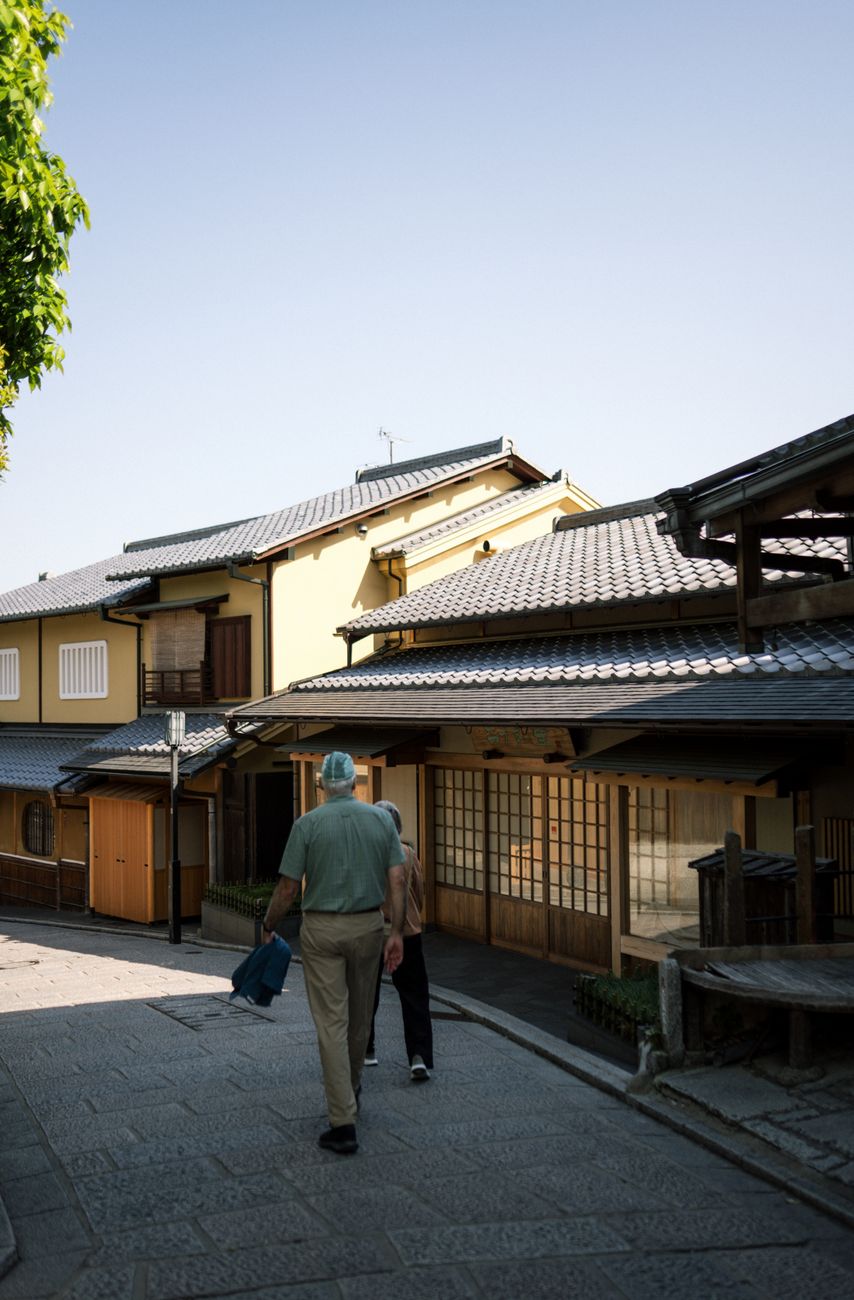
Camellia Tea Experience near Kiyomizu-dera offers something rare: tea ceremony in a machiya (traditional townhouse) where the host explains each gesture in English. The house itself, over a century old, shows how tea aesthetics shaped domestic architecture—the tokonoma alcove, the shoji screens calibrated for soft light, floors that whisper under silk-socked feet.
For a tea house still embedded in its original context, reserve ahead at Jukō-in, a sub-temple of Daitoku-ji. Their tea room faces a garden untouched since the 16th century. The experience isn't performative; it's devotional. You'll sit where monks sat, drinking matcha whisked in the same silence.
The doorway measures exactly two shaku three sun—designed so that samurai had to remove their swords to enter.
The museums that remember
Fushin-an, the headquarters of the Omotesenke tea tradition, occasionally opens its historic tea houses to visitors during special exhibitions. These aren't reconstructions—they're the actual rooms where tea ceremony crystallized into its current form. The wood has darkened with age and incense; the tatami holds the memory of ten thousand bowls lifted and lowered.
Meanwhile, Nomura Art Museum displays tea house architecture through rotating exhibits of tea utensils and scrolls, but also maintains a working tea room where you can observe ceremony on weekends. The museum understands that you can't separate the bowl from the room, the room from the garden, the garden from the season.
What the architecture teaches
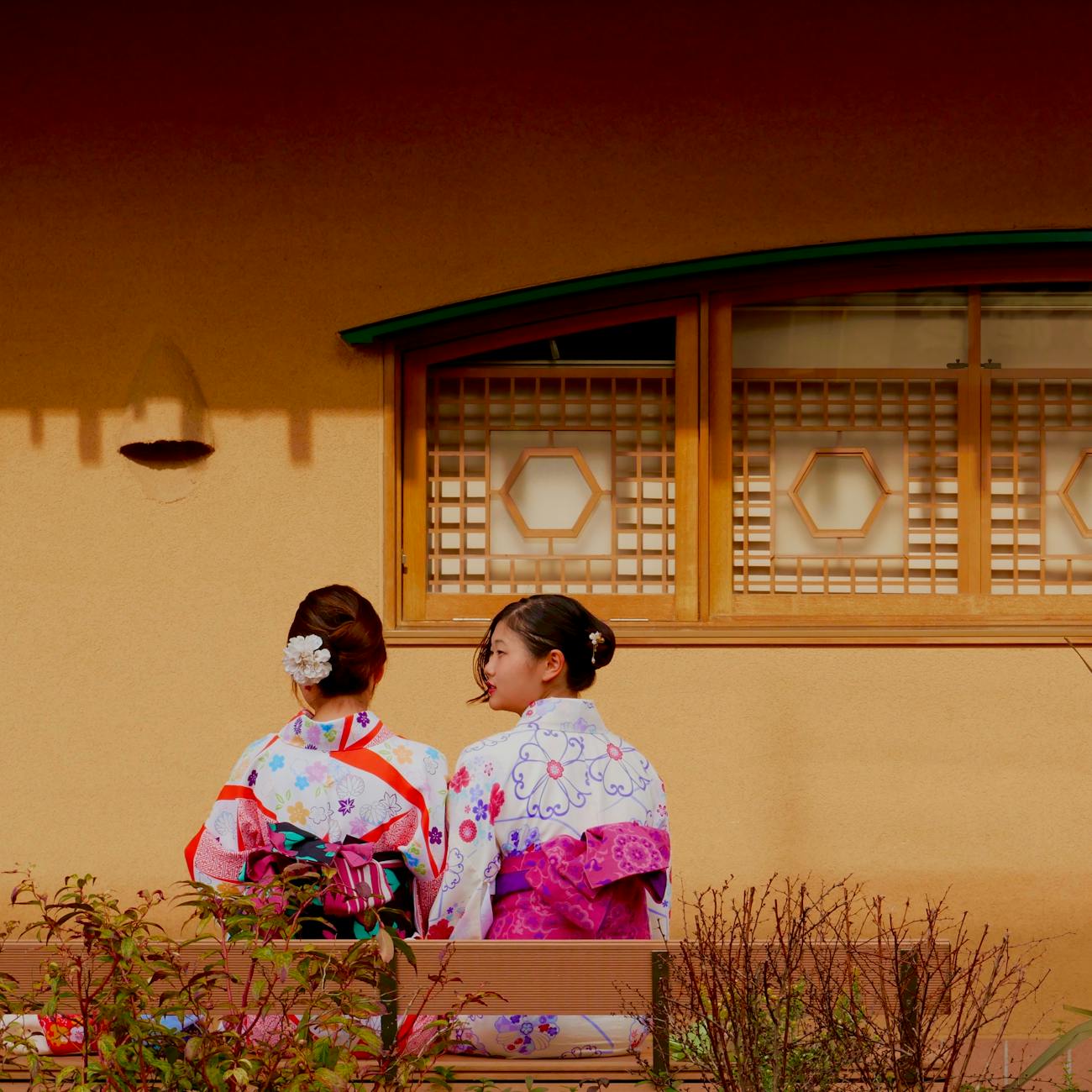
Tea houses speak a language of reduction. Four and a half tatami mats. One flower. A kettle's whisper. Wabi-sabi isn't a decorating trend—it's a spatial philosophy you feel in your body when you crouch through a nijiriguchi (crawling-in entrance) and find yourself suddenly, completely present.
The Kyoto Imperial Palace grounds include Shusui-tei, a tea house overlooking a pond, accessible during public openings. Its design shows how tea aesthetics influenced imperial taste—rustic materials elevated to refinement, studied carelessness that took generations to perfect.
---
The city holds dozens more, tucked behind temple walls and private gates, many still used by tea practitioners who learned from teachers who learned from teachers in an unbroken line. The ones you can visit are invitations, not destinations. They ask you to sit still long enough to notice how light moves across plaster, how a room can hold centuries in its corners.
FAQ
Chaware curates authentic Japanese crafts — straight from the makers in Japan to your table.
Explore the Chaware collection →