The Cultural Meaning of Visiting a Shrine: Understanding Japan's Sacred Spaces
On this page
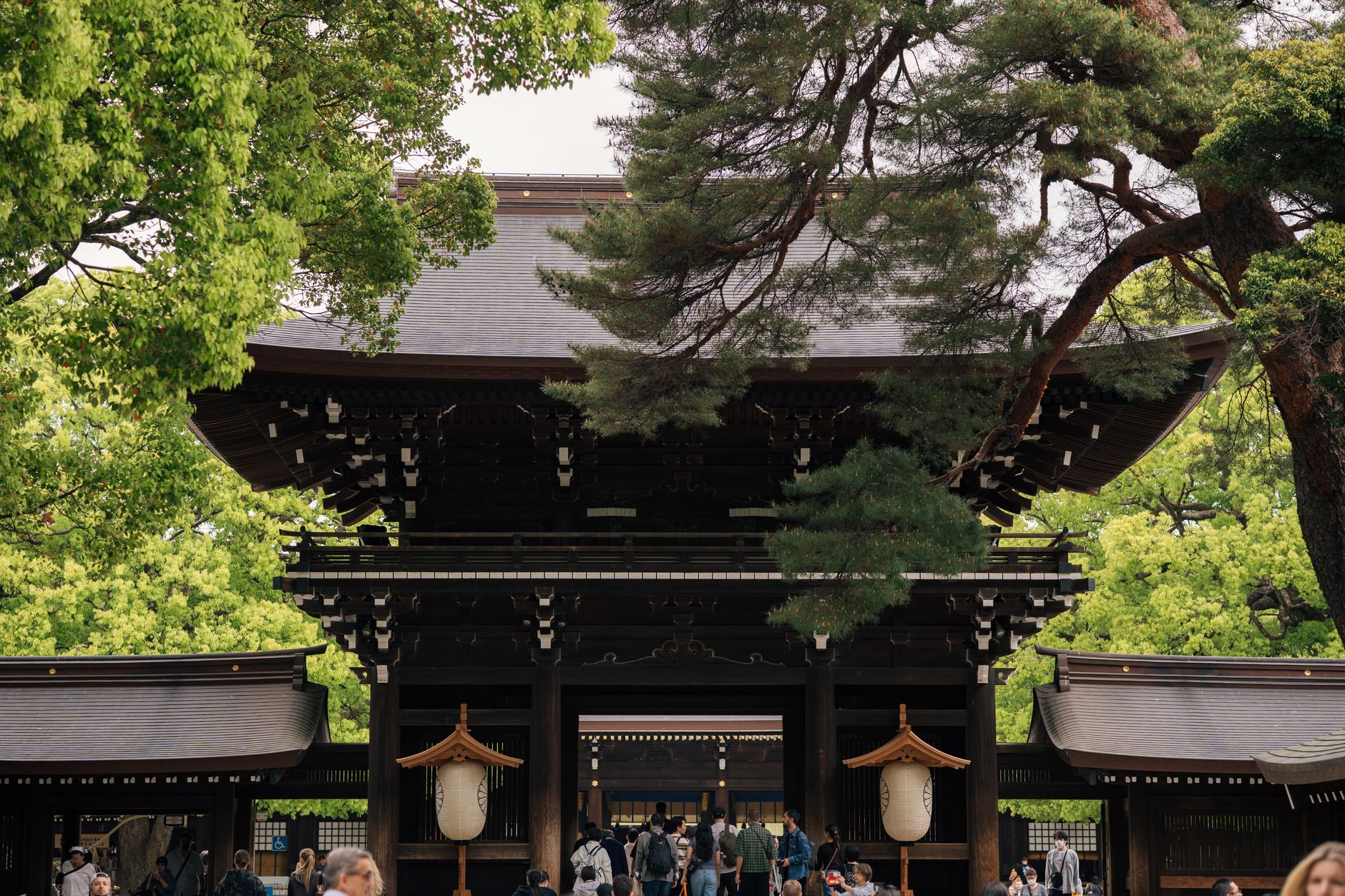
The moment you pass beneath the torii gate, something shifts. You've crossed an invisible threshold between the everyday world and a space where time moves differently.
What You're Really Doing When You Visit
Visiting a shrine isn't sightseeing in the Western sense. You're not there to observe—you're there to participate in a living exchange that's been happening for centuries. The Japanese word sanpai means "to worship" or "to pay respects," but it's less about prayer in the Abrahamic sense and more about acknowledgment. You're acknowledging the kami, the spirits that inhabit everything from mountains to rivers to the rice harvest itself.
This isn't about believing in gods. It's about recognizing presence.
Many Japanese people visit shrines without considering themselves religious. They go for New Year's wishes, for safe childbirth, before exams, after loss. The shrine doesn't ask what you believe—only that you approach with sincerity.
The Architecture of Purification
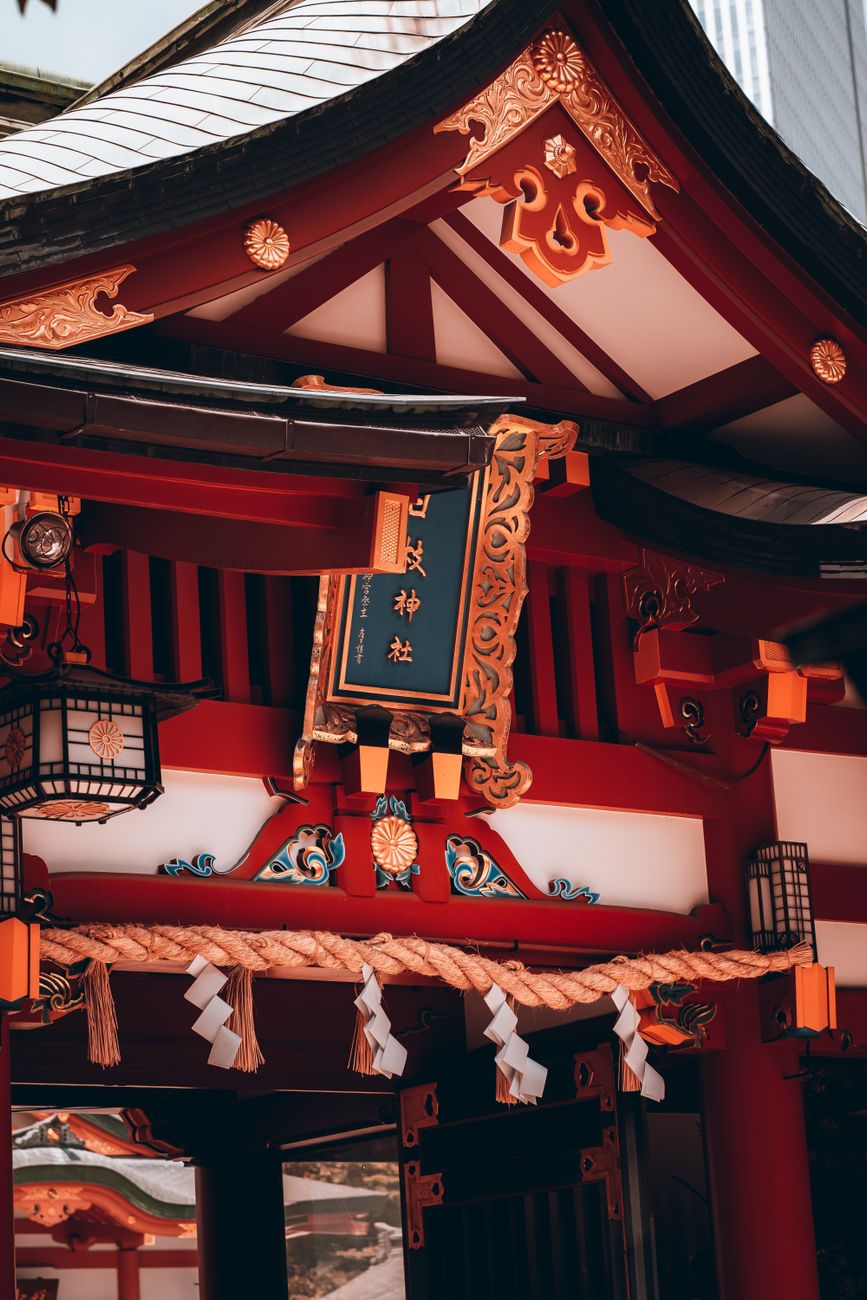
Everything at a shrine is designed to prepare you.
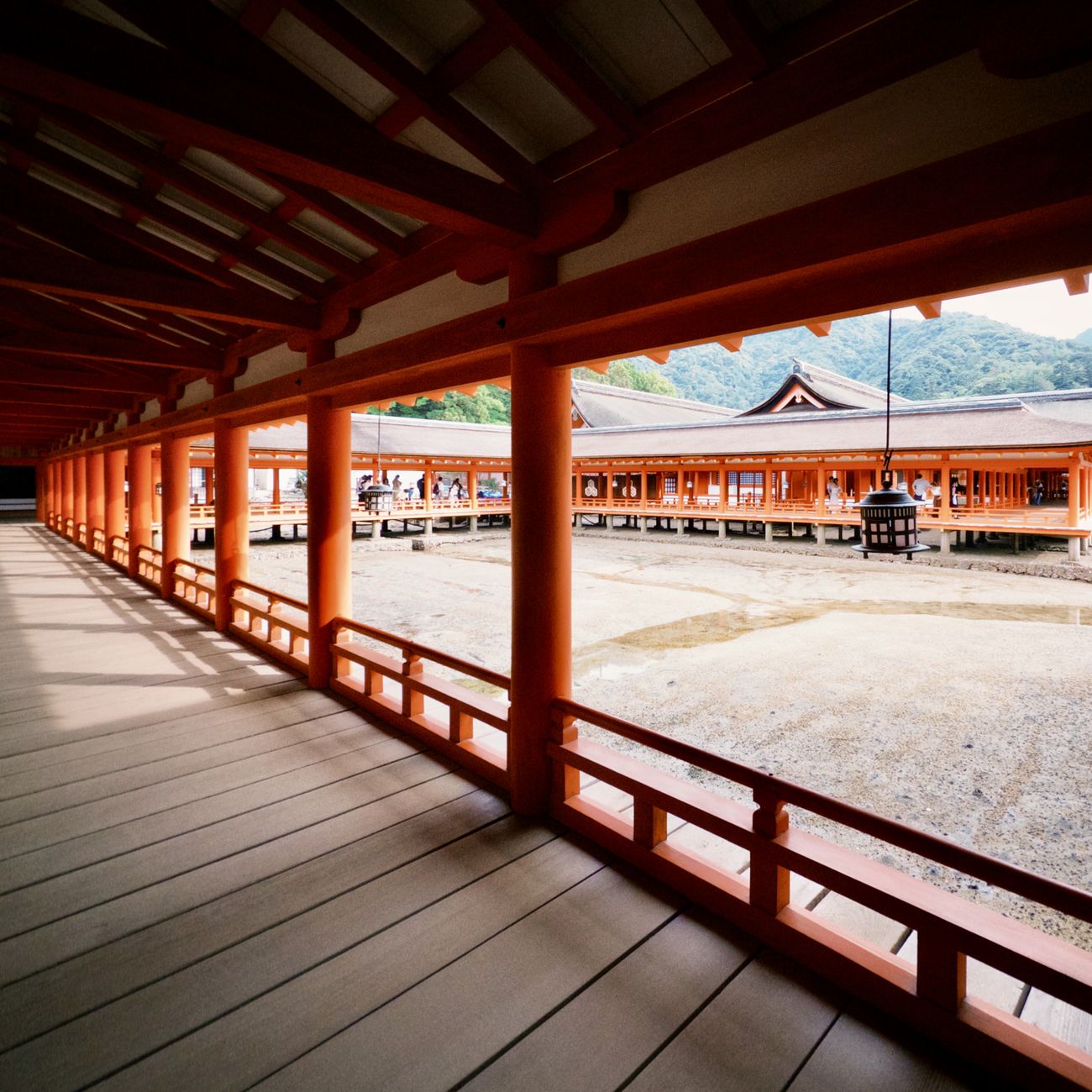
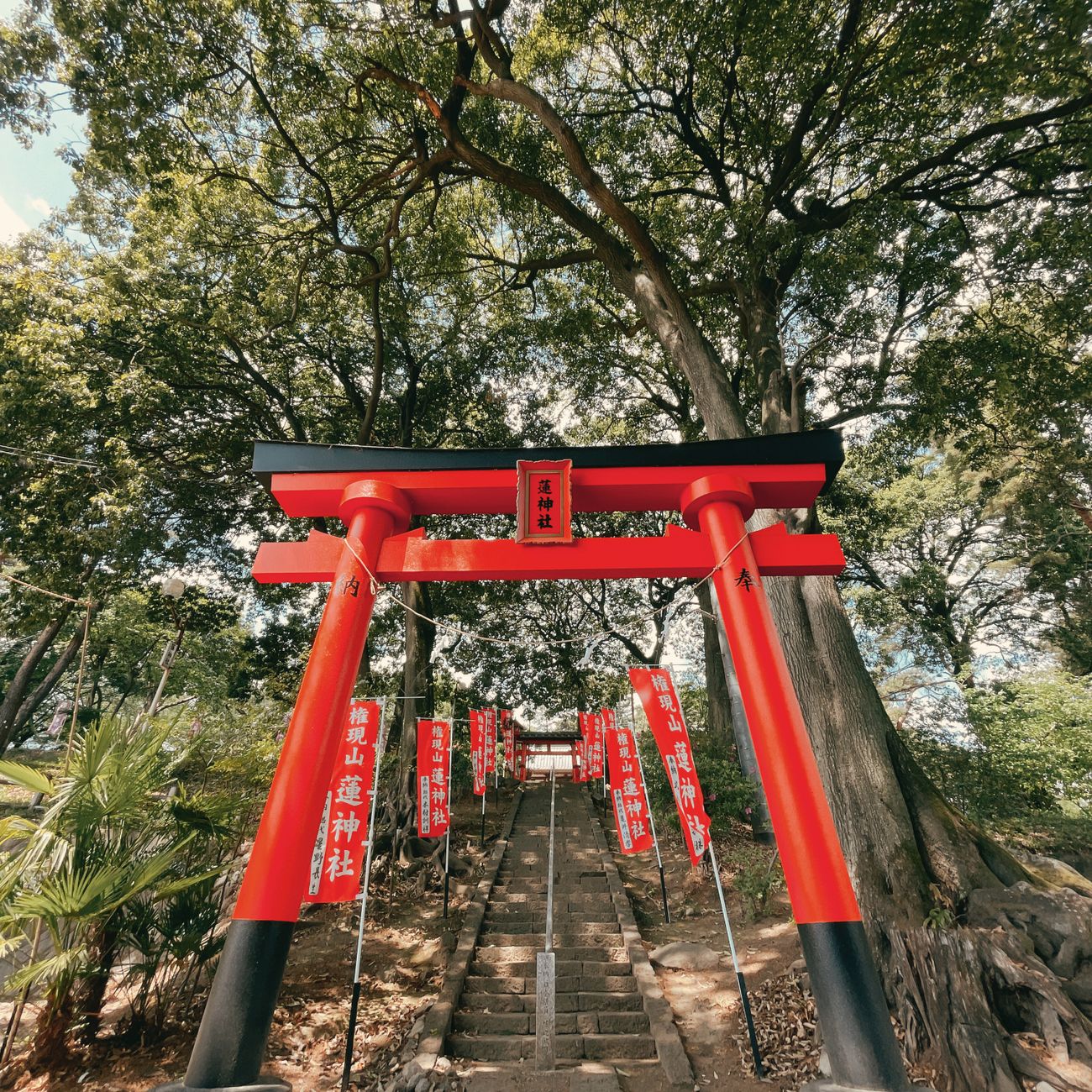
The torii marks the boundary. Its bright vermilion color—though not all shrines use it—was historically believed to ward off evil. You walk through, and the path begins. Notice how shrine paths rarely run straight. They curve, they climb, they force you to slow down. This isn't accidental. The winding approach gives you time to shed the noise of the outside world.
Before the main hall, you'll find the chōzuya, the purification fountain. Here's where you rinse your hands and mouth with water from a bamboo ladle. Left hand, right hand, left hand again to pour water into your palm for your mouth, then tilt the ladle upright so the remaining water cleanses the handle. The sequence matters less than the intention—you're washing away the dust of the ordinary.
The shrine doesn't demand faith; it invites you to pause and acknowledge something larger than yourself.
The Silent Conversation
At the haiden, the worship hall, you'll see people bow twice, clap twice, bow once more. This isn't just ritual—it's language. The claps announce your presence to the kami. The bows show respect. What happens in the silence between is yours alone.
Some people make wishes. Others offer gratitude. Some simply stand in the quiet.
You might see people buying omamori, small brocade amulets for protection or luck, or drawing omikuji, paper fortunes tied to trees when the luck is bad and taken home when it's good. These aren't souvenirs. They're threads connecting daily life to sacred space, small reminders that the boundary you crossed can be carried with you.
Why It Still Matters
In a country where bullet trains run on 30-second precision and neon floods the night, shrines remain pockets of slowness. They don't exist to preserve the past like museums—they exist because the relationship between people and place, between human and nature, still needs tending.
When you visit a shrine, you're not watching Japanese culture from the outside. You're briefly stepping into a way of being where gratitude comes before asking, where cleansing happens before approach, where silence carries meaning.
The torii will still be standing when you leave, marking the threshold back to the world of schedules and screens. But something in you might move a little differently now.
FAQ
Chaware curates authentic Japanese crafts — straight from the makers in Japan to your table.
Explore the Chaware collection →