Exploring Arita: The Porcelain Town That Birthed Japanese Ceramics
On this page
The first porcelain ever made in Japan came from a small town in Kyushu that most travelers have never heard of.
The Korean potter who changed everything
In the early 1600s, a Korean potter named Ri Sampei discovered kaolin clay in the mountains near Arita. This wasn't just any clay—it was the raw material that had made Chinese porcelain legendary for centuries. Japan had produced earthenware and stoneware for generations, but true porcelain, with its translucent white body and glassy surface, had remained beyond reach.
Ri Sampei's discovery changed the course of Japanese ceramics forever. Within decades, Arita's kilns were producing porcelain that rivaled anything from the continent, and by the mid-1600s, Dutch traders were carrying it to Europe, where it astonished aristocrats who had never seen such delicate, colorful wares.
Walking through a town shaped by fire
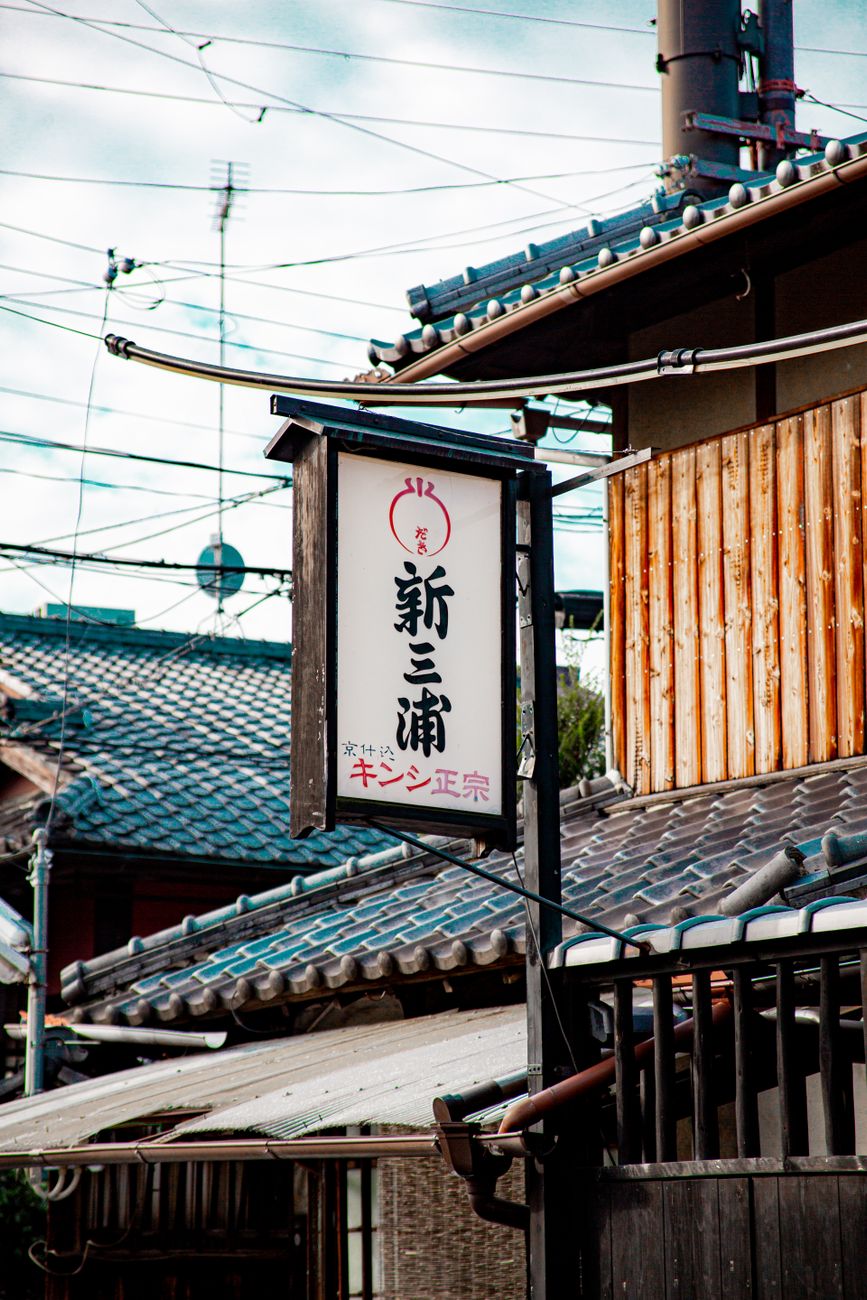
Today, Arita feels less like a museum and more like a working archive. The town stretches along a narrow valley, and everywhere you look, the past and present of porcelain-making overlap.
Kilns still operate in family workshops that have been firing clay for twelve or fifteen generations. Chimneys rise above tile rooftops. The local train station platform is decorated with porcelain panels. Even the streetlights and public toilets are adorned with ceramic details—not as kitsch, but as quiet pride.
You can walk the old kiln district and feel the weight of tradition without any of the precious staging that sometimes accompanies craft tourism. This is a town that makes things, daily, and has for four centuries.
What makes Arita ware distinct
Arita-yaki is known for its bright white porcelain body and its vivid painted decoration. The most famous style is sometsuke—cobalt blue designs painted under a clear glaze—though Arita potters also developed the richly colored Kakiemon and Imari styles that became wildly popular in Europe.
The porcelain itself is remarkably thin and light, yet strong. Hold an Arita piece up to the light, and you'll often see a faint glow through the clay—a hallmark of true porcelain.
In Arita, porcelain isn't precious—it's practical, meant to be used and lived with.
What surprises many visitors is how contemporary much of Arita's output is. Yes, there are workshops preserving Edo-period techniques, but just as many are experimenting with minimalist forms, matte glazes, and collaborations with designers from Tokyo and beyond.
What to see when you visit
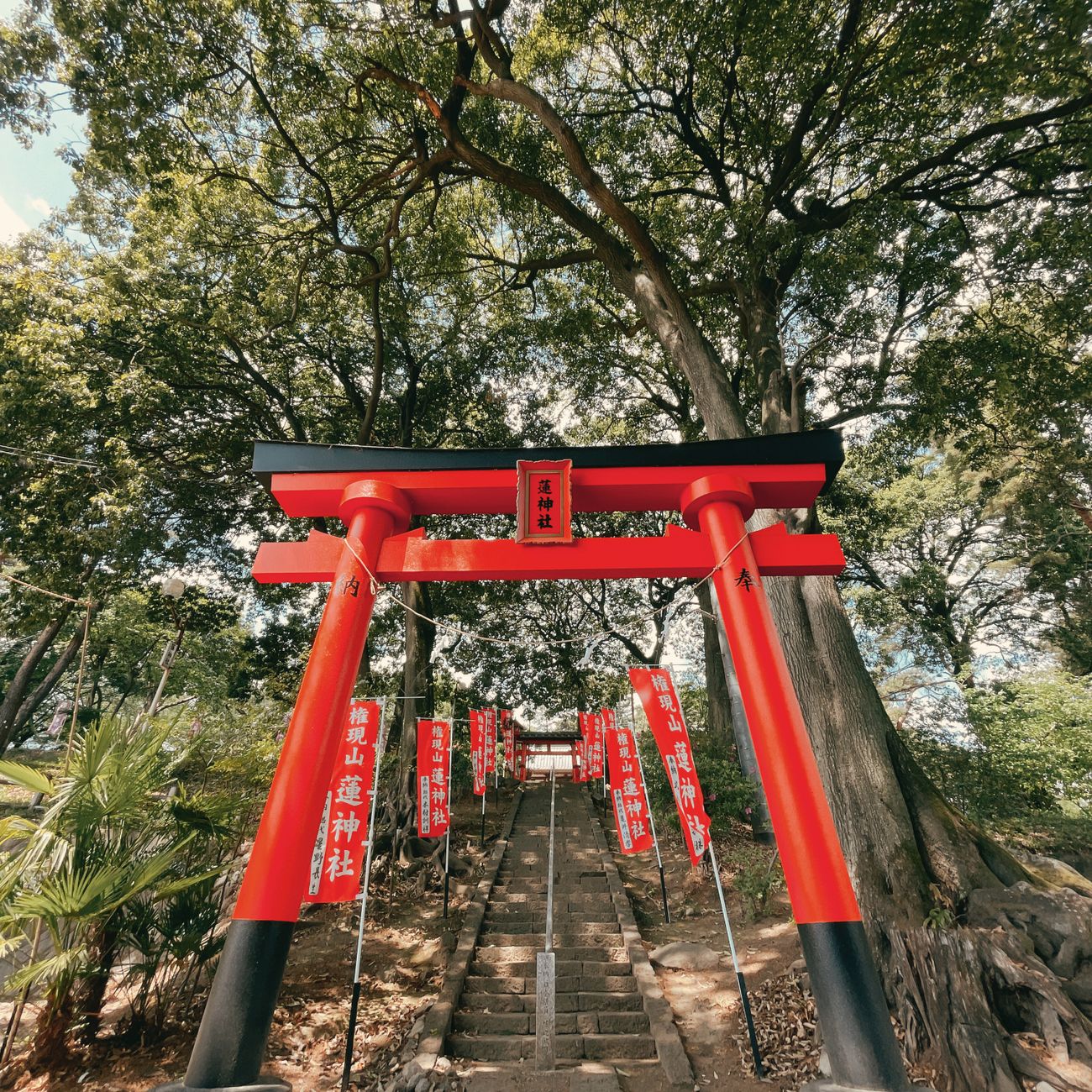
The Kyushu Ceramic Museum offers context without overwhelming you—clear displays of historical pieces alongside contemporary work. The Tozan Shrine, whose torii gate is made entirely of porcelain, honors Ri Sampei and remains a pilgrimage site for potters.
But the real experience is wandering. Stop into workshops that open their showrooms to visitors. Watch an artisan paint intricate patterns freehand, without sketches or hesitation. Visit during the annual Arita Ceramic Fair each spring, when the entire town becomes an open-air market and hundreds of kilns sell directly to the public.
Arita doesn't announce itself loudly. It simply continues, generation after generation, shaping clay and fire into objects that outlast us all.
FAQ
Chaware curates authentic Japanese crafts — straight from the makers in Japan to your table.
Explore the Chaware collection →