Japan Pottery Towns: The Best Regions to Experience Living Ceramic Traditions
On this page
The best way to understand Japanese pottery isn't through a museum case. It's by walking through a town where the clay dust still settles on windowsills and kiln smoke drifts past century-old workshops.
Where the earth speaks through fire
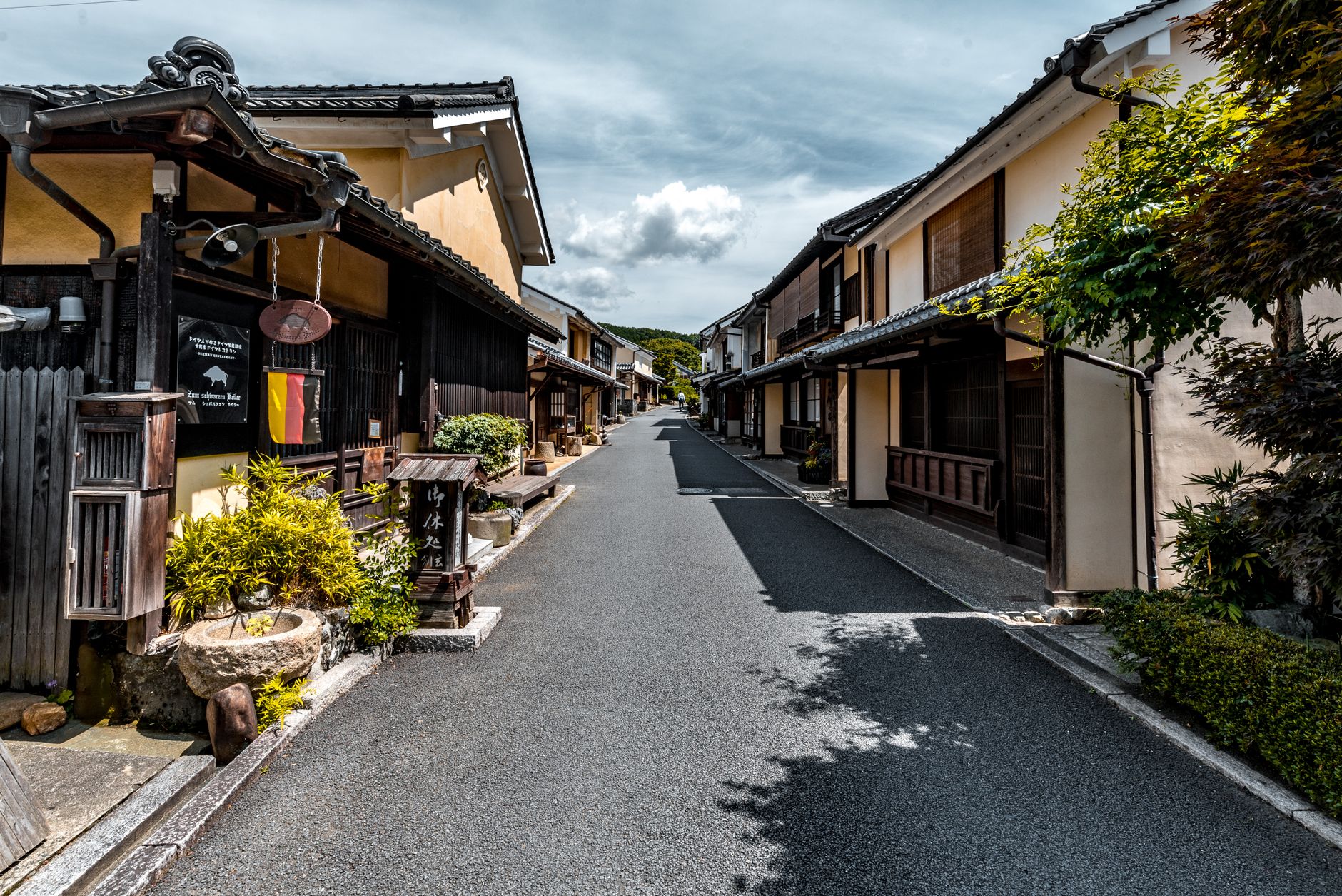
Japan's pottery towns aren't tourist reconstructions. They're living places where craft and daily life remain inseparable. In Arita, Saga Prefecture, you'll find over 400 years of porcelain-making compressed into narrow streets lined with climbing kilns and family workshops that have operated since the Edo period. The town itself is a kind of museum without walls—fragments of centuries-old ceramics pave garden paths, and the local shrine's torii gate is made entirely of porcelain.
Mashiko in Tochigi Prefecture offers something different: the warmth of folk craft. Here, the mingei philosophy—beauty in everyday objects made by unknown hands—still guides many potters. The clay from nearby hills fires to earthy browns and warm creams, and the town maintains a quiet, working rhythm. You can watch potters at their wheels through open studio doors, their hands shaping the same forms their teachers shaped decades before.
The geography of glaze
Pottery towns cluster where three elements converge: suitable clay, fuel for kilns, and water. Seto in Aichi Prefecture had all three in abundance, which is why the Japanese word for ceramics—setomono—literally means "things from Seto." The city has been producing pottery for over a thousand years, and its archaeological layers read like a timeline of Japanese ceramic development.
In Japan's pottery towns, geography becomes destiny—the local clay determines not just what potters make, but how entire communities organize their lives.
Travel west to Bizen in Okayama, and you'll encounter pottery with no glaze at all. The distinctive red-brown Bizen-yaki gets its subtle surface variations entirely from wood-firing techniques and the position of pieces in the kiln. Walking through Bizen's Pottery District, past the preserved Edo-period kilns and contemporary galleries, you begin to understand how a single town can refine one approach to clay for nearly a millennium.
Beyond the famous names
The lesser-known towns often reward deeper exploration. Tobe in Ehime Prefecture, on Shikoku island, produces delicate porcelain with distinctive cobalt-blue brushwork. Kasama in Ibaraki combines traditional and contemporary approaches, hosting one of Japan's largest pottery festivals each spring.
Then there's Hasami in Nagasaki Prefecture, where practical tableware has been made since the 1600s. The town's output was historically enormous—simple, sturdy pieces for everyday use rather than ceremonial objects. Today, that utilitarian tradition continues, though contemporary designers have brought renewed attention to Hasami's clean, modernist aesthetic.
The rhythm of the wheel
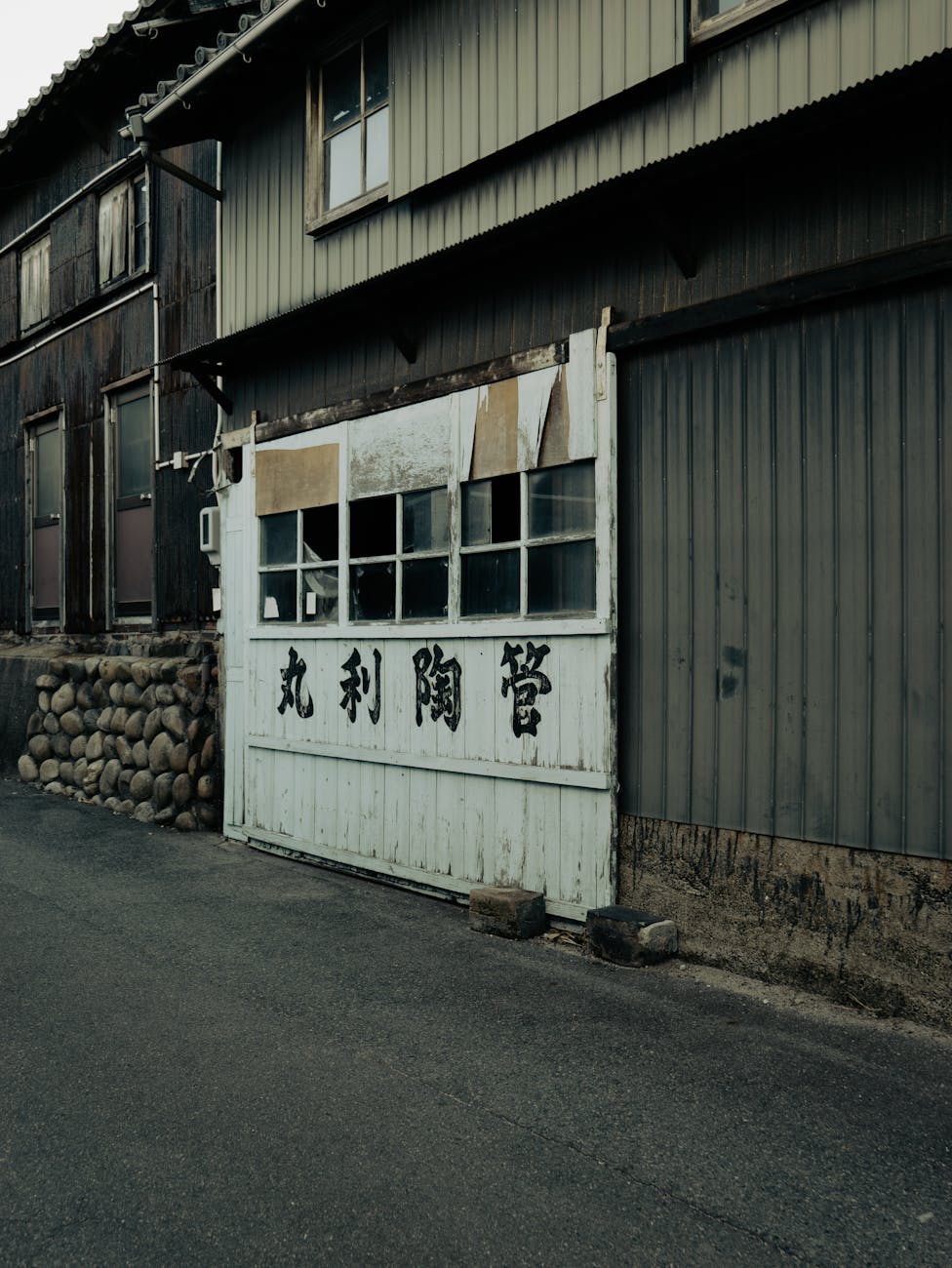
Visit during weekdays if you can. You'll see the towns as they actually function: delivery trucks navigating narrow streets, clay being unloaded at workshop doors, potters eating lunch at the same small restaurants their predecessors frequented. Many workshops welcome quiet observers—just a respectful nod at the door is often enough.
The pottery towns teach you to read a landscape differently. That forested hillside isn't just scenic—it's fuel. That stream isn't picturesque—it's the water source that determined where the first kiln was built. The town's entire layout becomes legible once you understand the craft.
In these places, pottery isn't heritage preserved in amber. It's Tuesday morning's work.
FAQ
Chaware curates authentic Japanese crafts — straight from the makers in Japan to your table.
Explore the Chaware collection →