Why Cherry Blossom Season Inspires Matcha Rituals in Japan
On this page
The first cherry blossoms open, and Japan reaches for the whisk.
It's not coincidence. For centuries, the fleeting bloom of sakura has triggered something deeper than admiration—a collective impulse to gather, to pause, and to prepare matcha with unusual care. The pink petals and green powder share more than a calendar date. They share a philosophy.
When impermanence demands ceremony
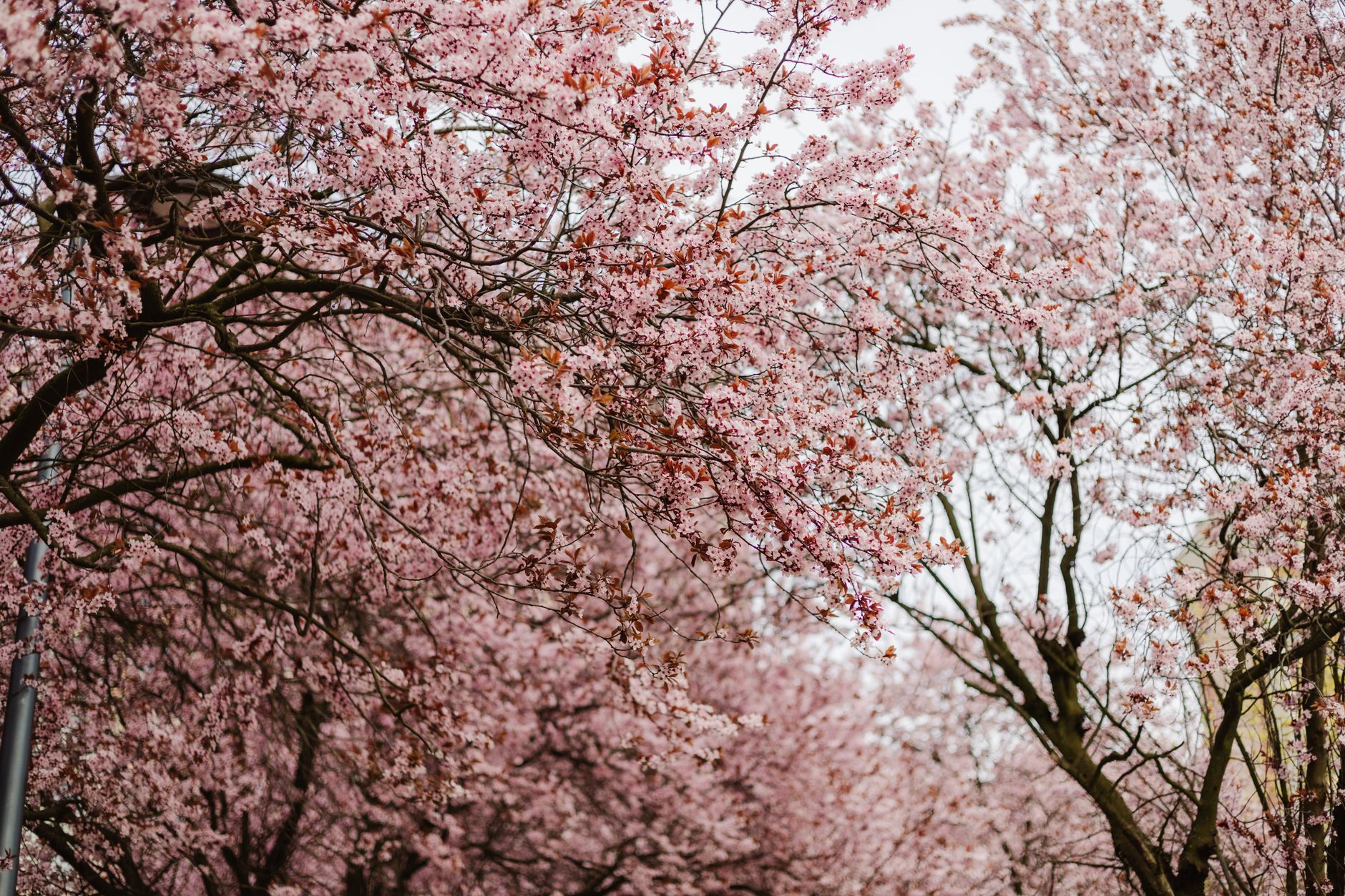
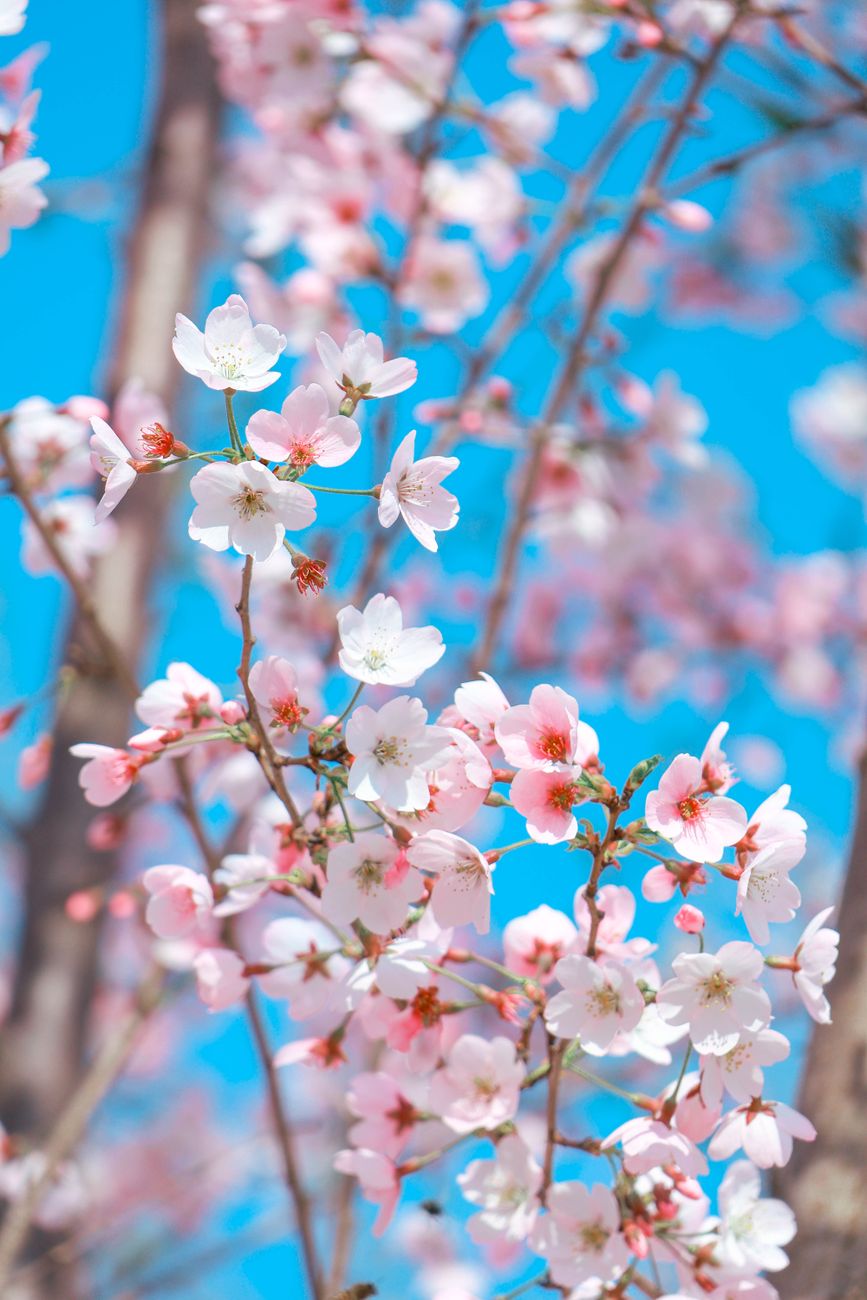
Hanami—the practice of flower viewing—isn't passive. You don't simply glance at cherry trees; you sit beneath them, often for hours, acknowledging their brief perfection. This same awareness of transience saturates the tea ceremony. Matcha, whisked fresh for each guest, exists fully only in the moment it's prepared. The foam settles. The temperature drops. Like blossoms, it cannot wait.
During Edo period spring gatherings, tea masters would time outdoor tea ceremonies to coincide with peak bloom. The practice wasn't about backdrop—it was about alignment. Both acts required presence, both celebrated what couldn't be kept.
The color that connects them
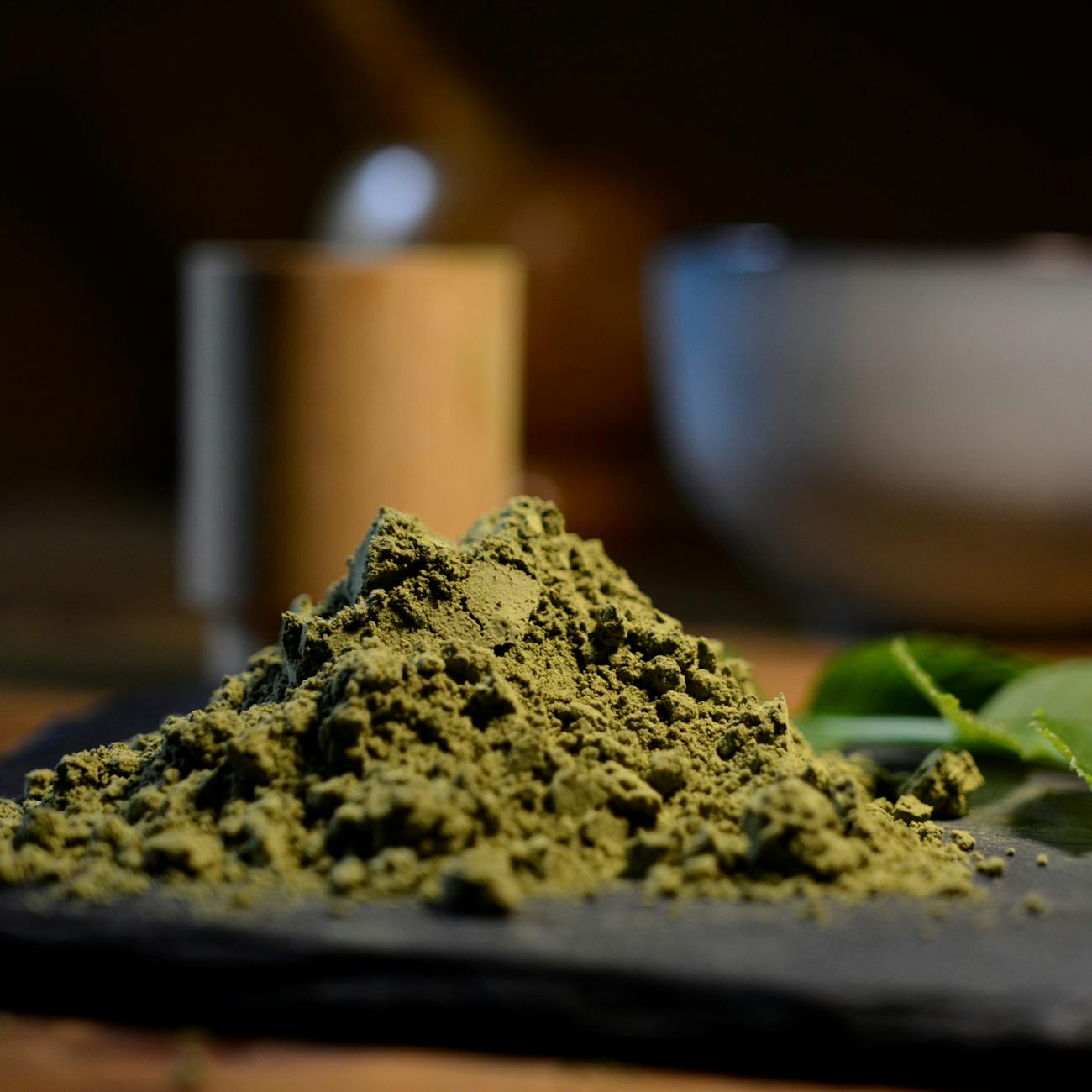
There's a visual conversation happening. The brilliant green of ceremonial-grade matcha—that almost unnatural chlorophyll intensity—creates a striking contrast against pale pink petals. Traditional confections served alongside spring matcha often incorporate sakura mochi or cherry leaf-wrapped sweets, deepening the sensory dialogue.
The Japanese aesthetic principle of shun celebrates ingredients at their seasonal peak—matcha tastes different in spring, brighter and more vegetal, because the first harvest leaves carry winter's concentrated energy.
This isn't metaphor. The shincha (new tea) harvested in late April and early May genuinely tastes more vibrant, its amino acid content higher, its astringency softer. Cherry blossom season marks the anticipation of this harvest.
What the ritual actually does
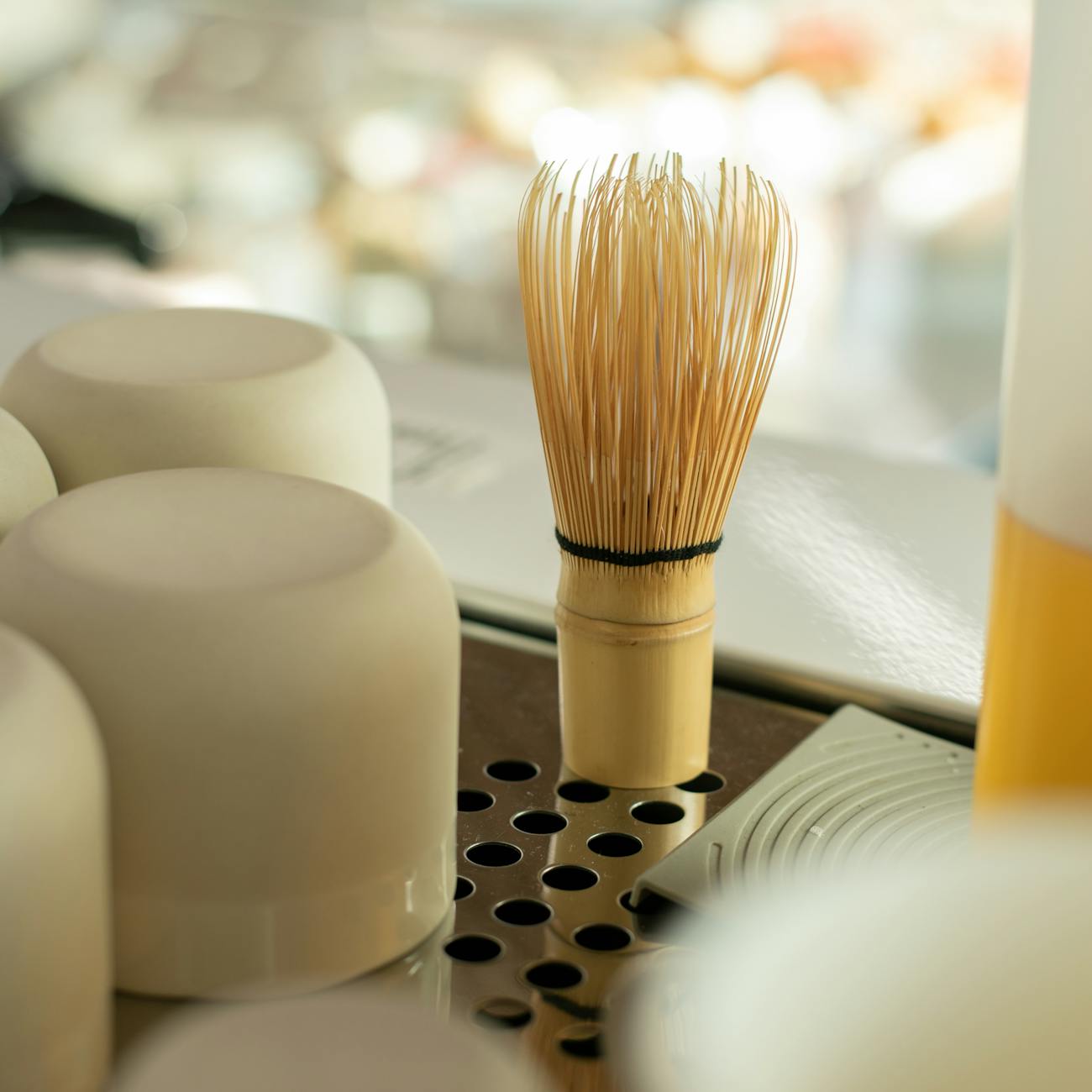
Preparing matcha during hanami serves a practical purpose often overlooked: it slows you down. The deliberate movements—warming the bowl, measuring the powder, whisking in the specific M pattern—create a buffer against the chaos of crowds and the anxiety of timing your viewing just right.
You cannot rush whisking matcha to proper consistency. The physics won't allow it. This enforced patience mirrors what the blossoms themselves teach: beauty operates on its own schedule, indifferent to your convenience.
Some families carry portable tea sets to parks, transforming picnic blankets into temporary tea rooms. The formality varies wildly—some follow strict chanoyu protocol, others simply want good matcha in a quiet moment. The common thread is intention.
Why it persists now
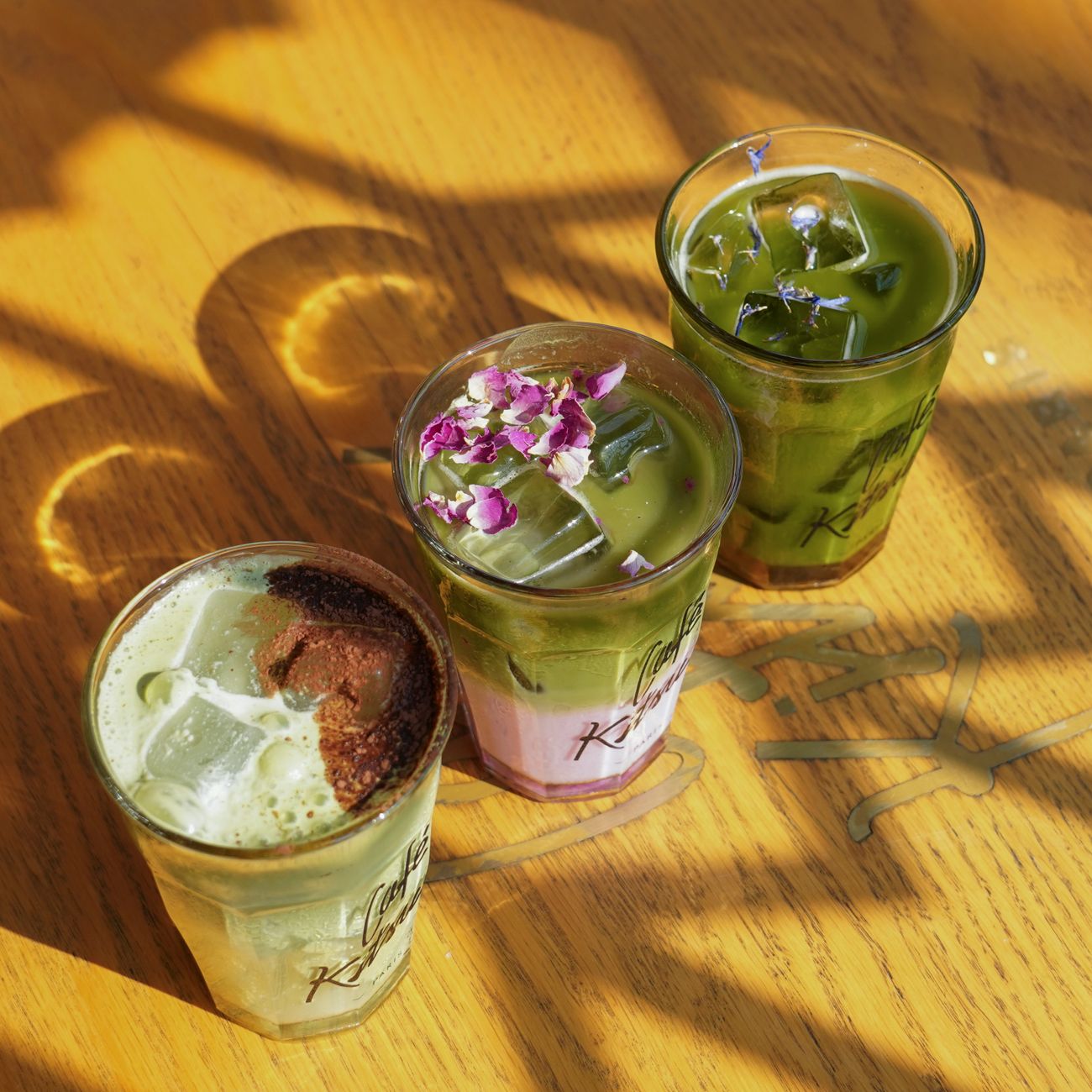
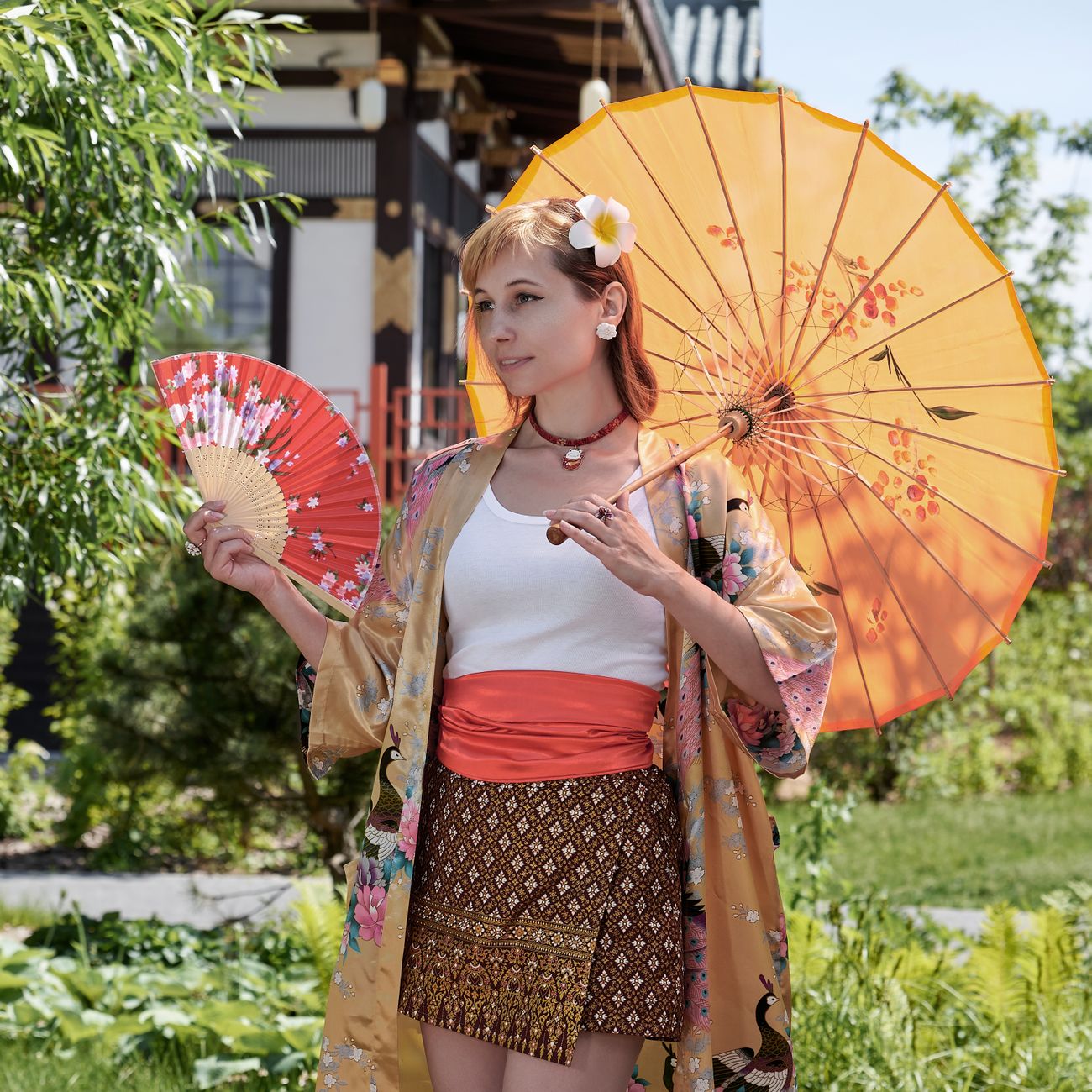
Modern Japan still honors this pairing, though the context shifts. Cafés release limited cherry blossom matcha drinks (often too sweet for traditional tastes, but that's another conversation). Department stores stock sakura-themed tea ware. The connection has commercialized, yes, but the underlying impulse remains genuine.
Because both practices—watching blossoms, preparing matcha—are fundamentally about the same choice: to stop measuring time in productivity and start measuring it in attention. The blossoms will fall whether you notice or not. The matcha will be drunk whether you taste it or not.
The question both ask is simpler than ceremony: Will you be here for this?
Spring arrives, the trees bloom, and the answer—whisked into green foam, sipped slowly beneath pale petals—is always worth the effort.
FAQ
Chaware curates authentic Japanese crafts — straight from the makers in Japan to your table.
Explore the Chaware collection →