The Cultural Depth of a Visit to Mount Fuji: Beyond the Summit
On this page
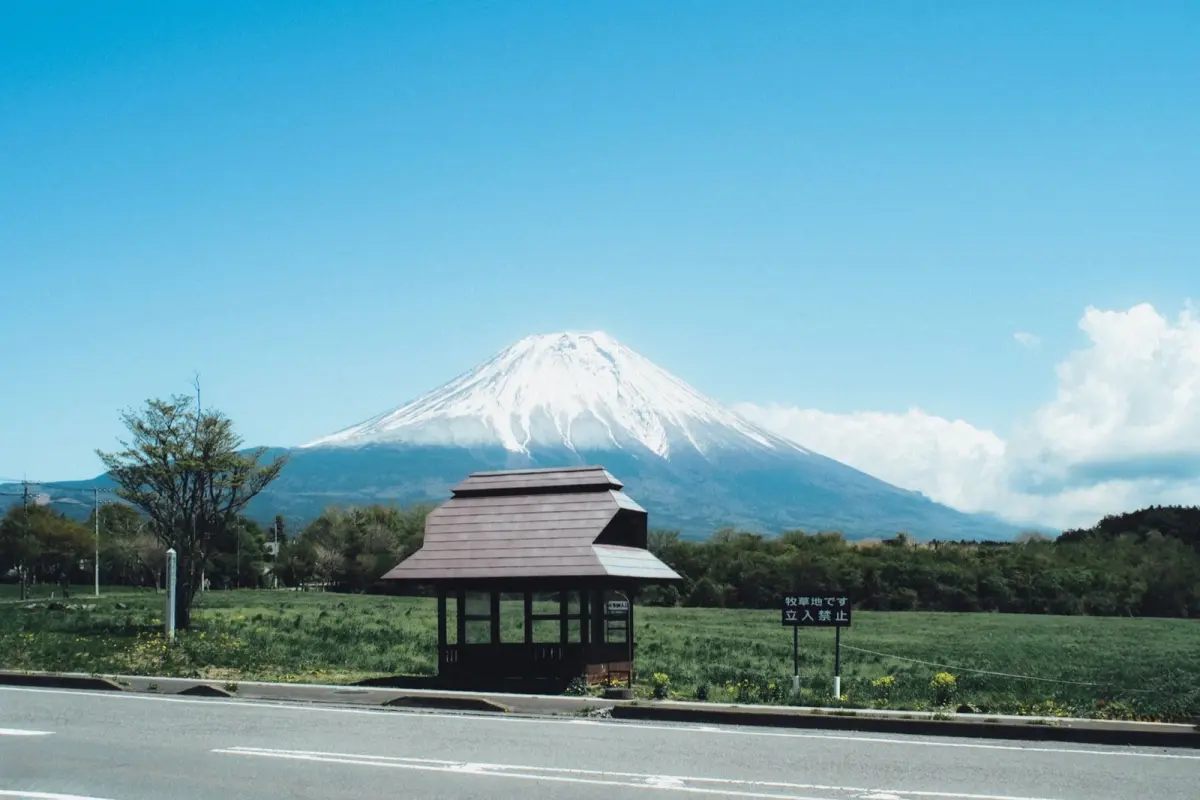
You see it from the plane window, the train, the highway—always there, always watching. But standing at its base changes everything.
The mountain that breathes with the seasons
Mount Fuji isn't just scenery. It's a living presence that has shaped Japanese consciousness for over a thousand years. The mountain's perfectly symmetrical cone—snow-capped in winter, bare and volcanic in summer—marks time itself. Locals don't simply see Fuji; they read it like a calendar, a weather vane, a daily reminder of nature's quiet authority.
The Japanese have a phrase: "Fuji-san wa Nihonjin no kokoro"—Mount Fuji is the heart of the Japanese people. Not metaphorically. Literally. The mountain appears in countless woodblock prints, poems, prayers, and everyday conversation. It's the benchmark against which beauty is measured.
Where pilgrims climbed before tourists existed
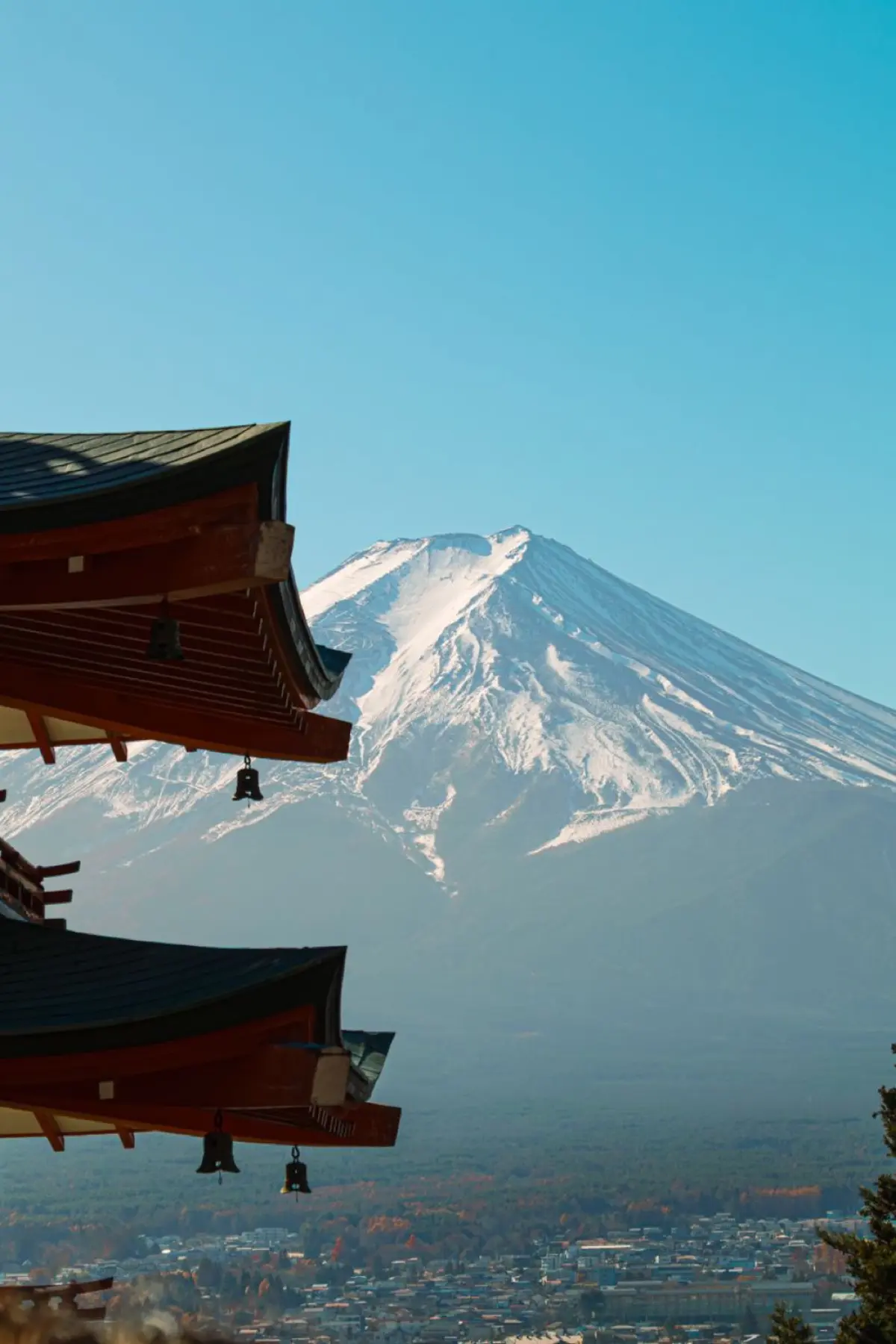
Long before Instagram, people made the grueling ascent for spiritual reasons alone. Fujikō, devotional confraternities dedicated to Fuji worship, organized pilgrimages throughout the Edo period. Dressed in white, pilgrims climbed through the night to witness goraiko—the sacred sunrise from the summit.
The mountain was forbidden to women until 1872. Not from superstition alone, but because Fuji was considered the body of a deity—Konohanasakuya-hime, the goddess of Mount Fuji, protector of the volcano's power. Shrines still ring the base, marking the boundary between ordinary earth and sacred ground.
Even today, climbers often wear white. Many still depart at night. The tradition persists not as performance, but as instinct.
Five lakes, five ways of seeing
The Fuji Five Lakes region at the mountain's northern base offers something the summit cannot: perspective. Each lake—Kawaguchi, Yamanaka, Sai, Shōji, Motosu—frames Fuji differently. Motosu's mirror-still surface appears on the ¥1,000 note. Kawaguchi bursts with cherry blossoms each spring, the pink petals floating against Fuji's white crown.
The Japanese don't conquer mountains—they contemplate them.
This is where you understand shakkei, the borrowed scenery principle in Japanese aesthetics. Fuji isn't just background; it's the essential element that completes the view. Tea ceremony rooms, gardens, even restaurant windows are positioned to "borrow" the mountain's form.

The art of fortunate glimpses
Fuji hides often. Clouds, haze, and atmospheric moods shroud it for days. The Japanese consider a clear view engi ga ii—auspicious, a sign of good fortune. There's no entitlement to seeing it. The mountain reveals itself when it chooses.
This uncertainty has bred a particular cultural patience. You don't demand Fuji. You wait. You return. You appreciate the glimpse when it comes. It's a masterclass in ma—the meaningful space between things, the value of absence.
Visit in winter for the clearest views. Visit in summer to climb. Visit in autumn when the lakes reflect gold and crimson. But visit knowing the mountain owes you nothing.
What remains when you leave
You don't "do" Mount Fuji and move on. It settles somewhere in your peripheral vision, the way it does for everyone in Japan—a constant, quiet presence that redefines what a mountain can mean. Not a conquest. Not a photo op. A center of gravity that's been pulling the culture toward it for centuries.
And once you've seen it, really seen it, you understand why.
FAQ
Chaware curates authentic Japanese crafts — straight from the makers in Japan to your table.
Explore the Chaware collection →
Keep exploring


