What Is an Engawa? The Japanese Veranda That Blurs Inside and Out
On this page
You step from the polished wood floor into a space that belongs neither to the house nor the garden. You've entered the engawa.
The threshold that refuses to choose
In traditional Japanese architecture, the engawa is a narrow wooden veranda that wraps around the exterior of a home, positioned under the eaves but outside the sliding shoji or fusuma doors. It's not quite indoors—there's no wall between you and the garden. But it's not quite outdoors either—the deep roof shelters you from rain and summer sun.
This deliberate ambiguity is the point. The engawa exists to blur the line between interior and exterior, creating what architects call a "transitional space." You can sit here in your socks, protected from the elements, while remaining part of the garden's changing moods.
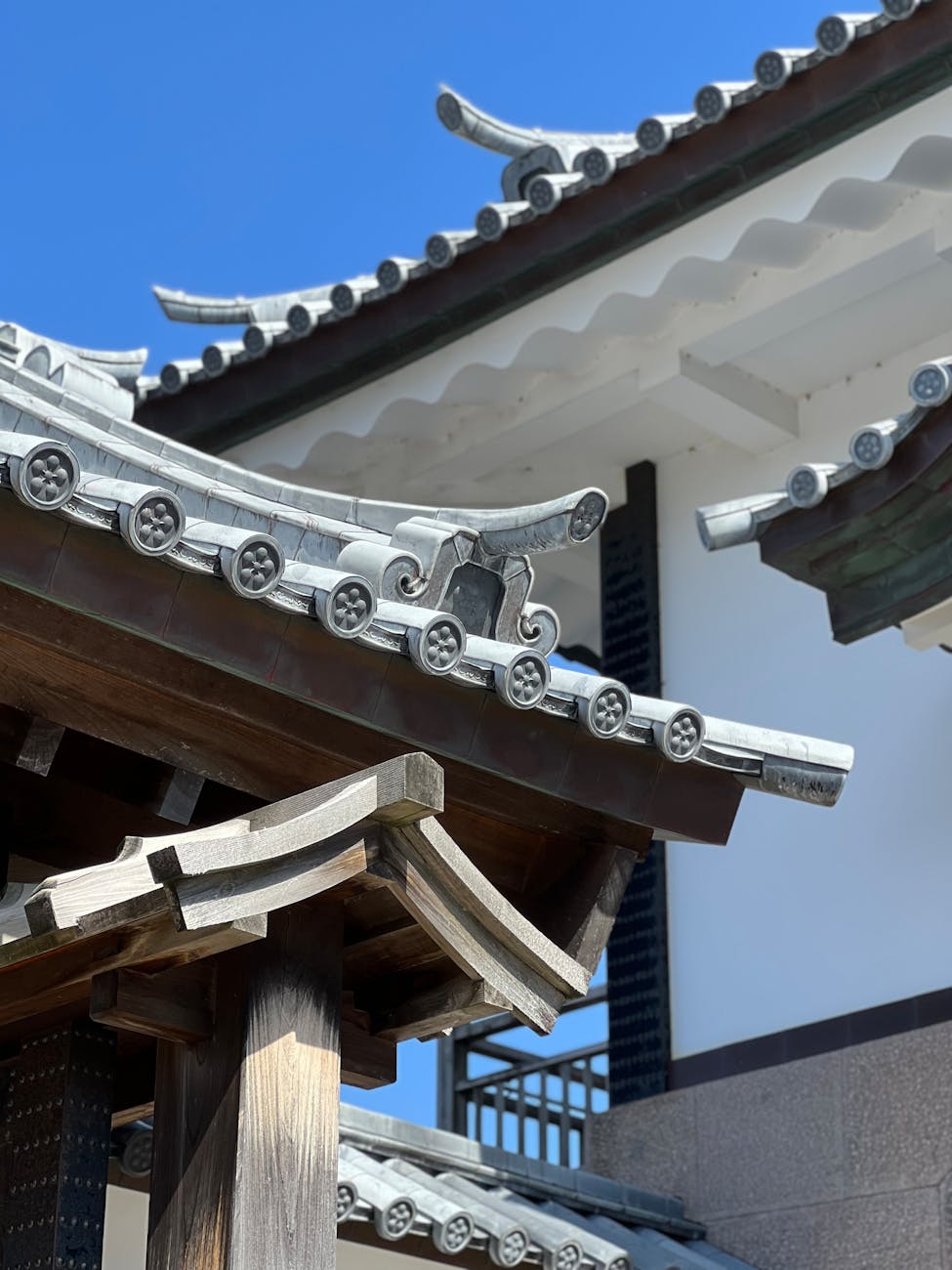
A wooden bridge to the seasons
The engawa is typically built from hinoki (Japanese cypress) or sugi (cryptomeria), woods chosen for their resistance to moisture and their warm, smooth texture underfoot. Over decades, the boards take on a silvery patina from sunlight and become burnished by countless footsteps.
Its width rarely exceeds three feet—just enough for sitting cross-legged or placing a low table for tea. You face outward, always toward the garden. In summer, you might dangle your feet over the edge to catch a breeze. In autumn, you watch maple leaves drift onto the boards. Winter snow piles against its outer edge while you remain dry.
The engawa teaches you that the most interesting places are often the ones that refuse to be one thing or another.
Where public meets private, gently
Historically, the engawa also served a social function. Neighbors could stop by and chat from the garden side without formally entering the home—a casual interaction impossible in Western architecture, where you're either inside someone's private space or standing awkwardly at a closed front door.
This created gradations of intimacy. The deepest interior rooms were for family and honored guests. The engawa was for friendly encounters, for the vegetable seller, for the child from next door. It softened the boundary between household and community.
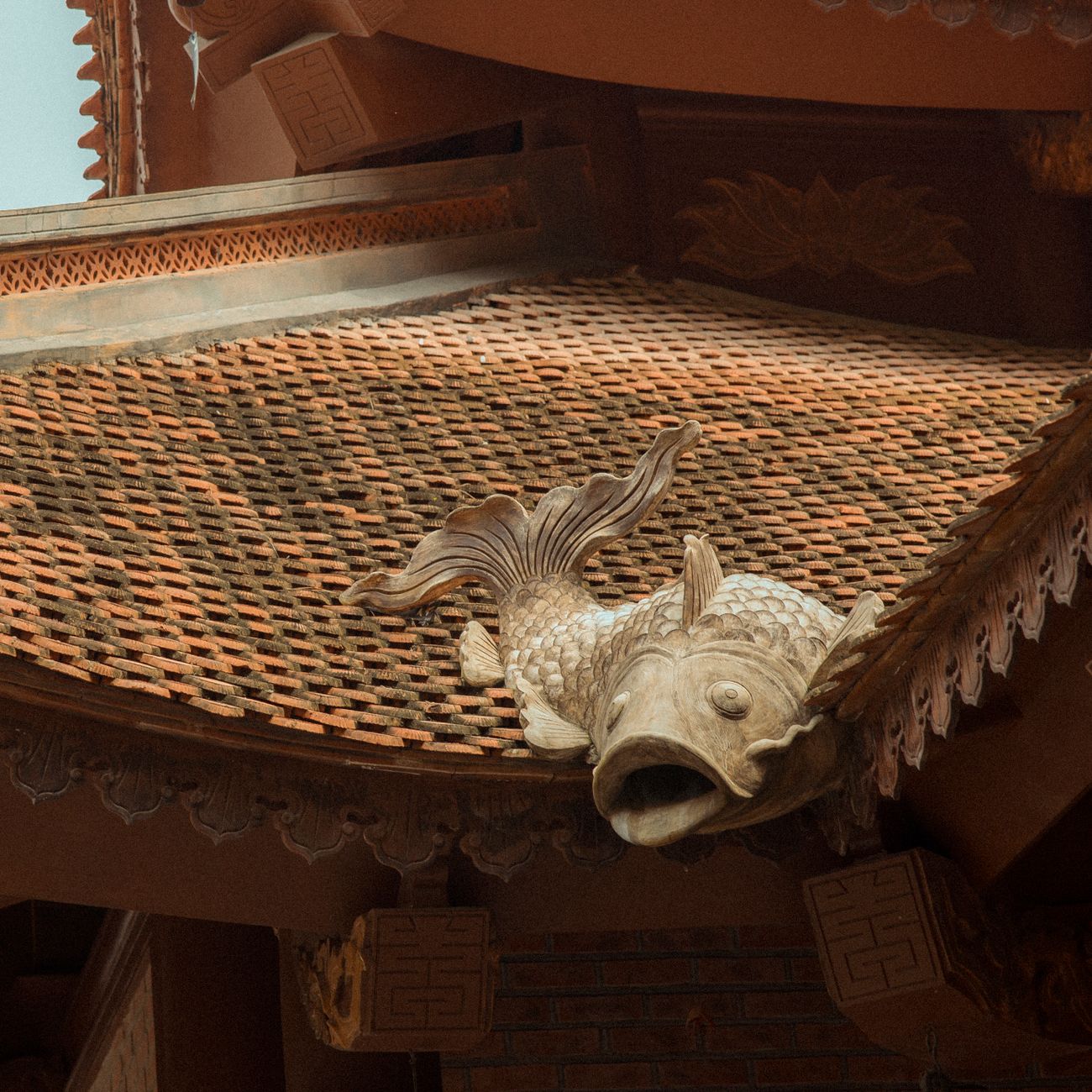
What remains, what's returning
Most modern Japanese homes have abandoned the engawa. Apartment buildings can't accommodate them. Contemporary houses favor insulation over open-air transition zones. Yet the concept persists in unexpected places: the covered walkways of temples, the wooden decks of rural guesthouses, even the design of certain museum galleries.
And lately, architects are rediscovering its wisdom. As climate-conscious design emphasizes passive cooling and connection to nature, the engawa offers a centuries-old solution: a space that invites air and light without sacrificing shelter, that extends your living area without walls.
Sitting still, watching everything change
The engawa is fundamentally a place for doing nothing in particular. You're not gardening—you're observing the garden. You're not inside working—you're pausing between tasks. You're not entertaining—you're available for chance encounters.
It's a built invitation to notice: the way morning light angles differently each week, how the moss darkens after rain, where the cat chooses to nap on cool days. The engawa frames these small observations, elevates them to something worth your time.
In a world increasingly divided into productive indoor spaces and recreational outdoor ones, the engawa suggests a third option—the pleasure of simply being present at the edge of things, watching the world breathe.
FAQ
Chaware curates authentic Japanese crafts — straight from the makers in Japan to your table.
Explore the Chaware collection →
Keep exploring