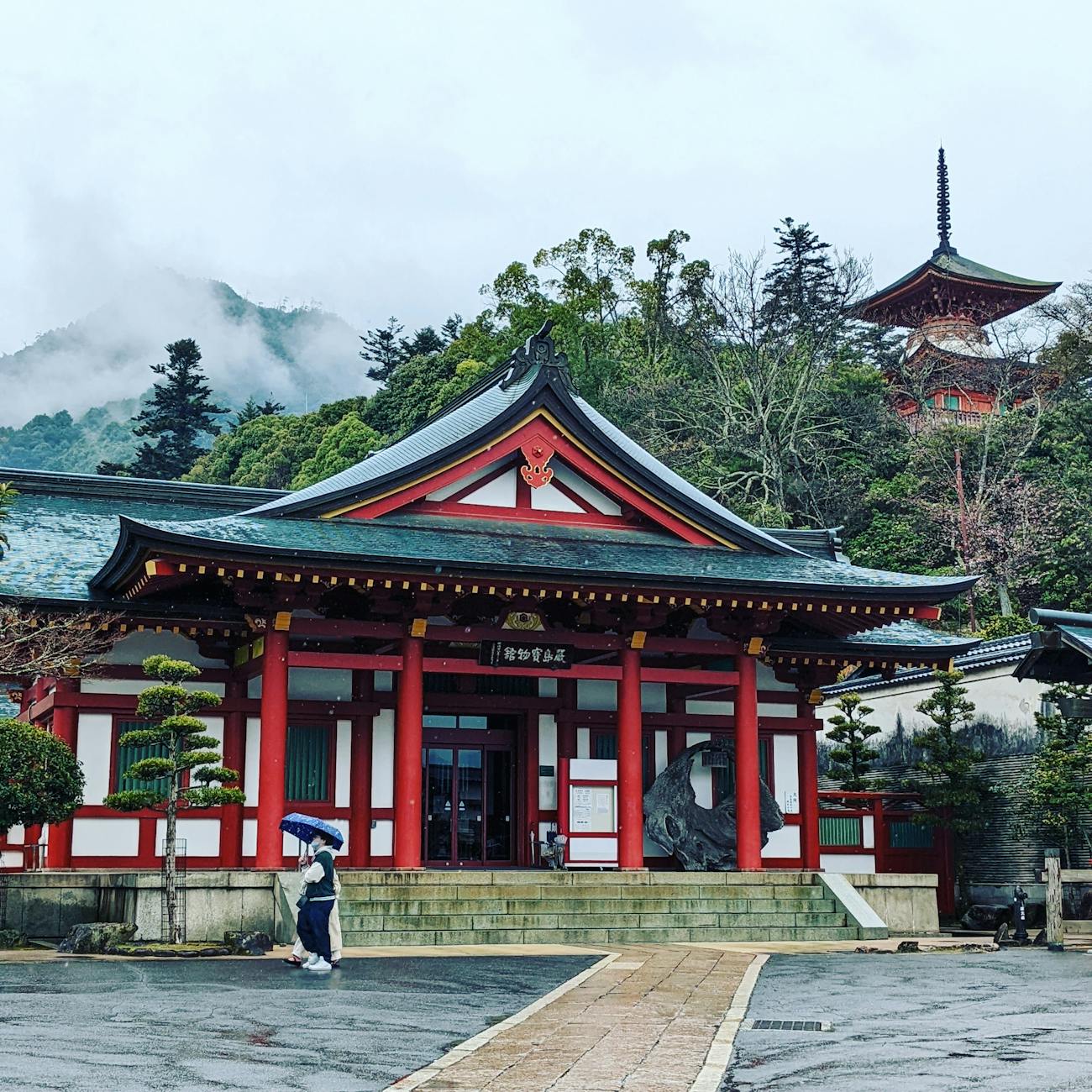
Why Japanese Temples Are Built Without Nails: The Ancient Art of Temple Joinery
On this page
Stand inside Kyoto's Kiyomizu-dera temple and look up. Not a single nail holds the soaring wooden stage above the hillside — just wood, fitted to wood, locked by geometry and time.
The Puzzle That Holds for Centuries
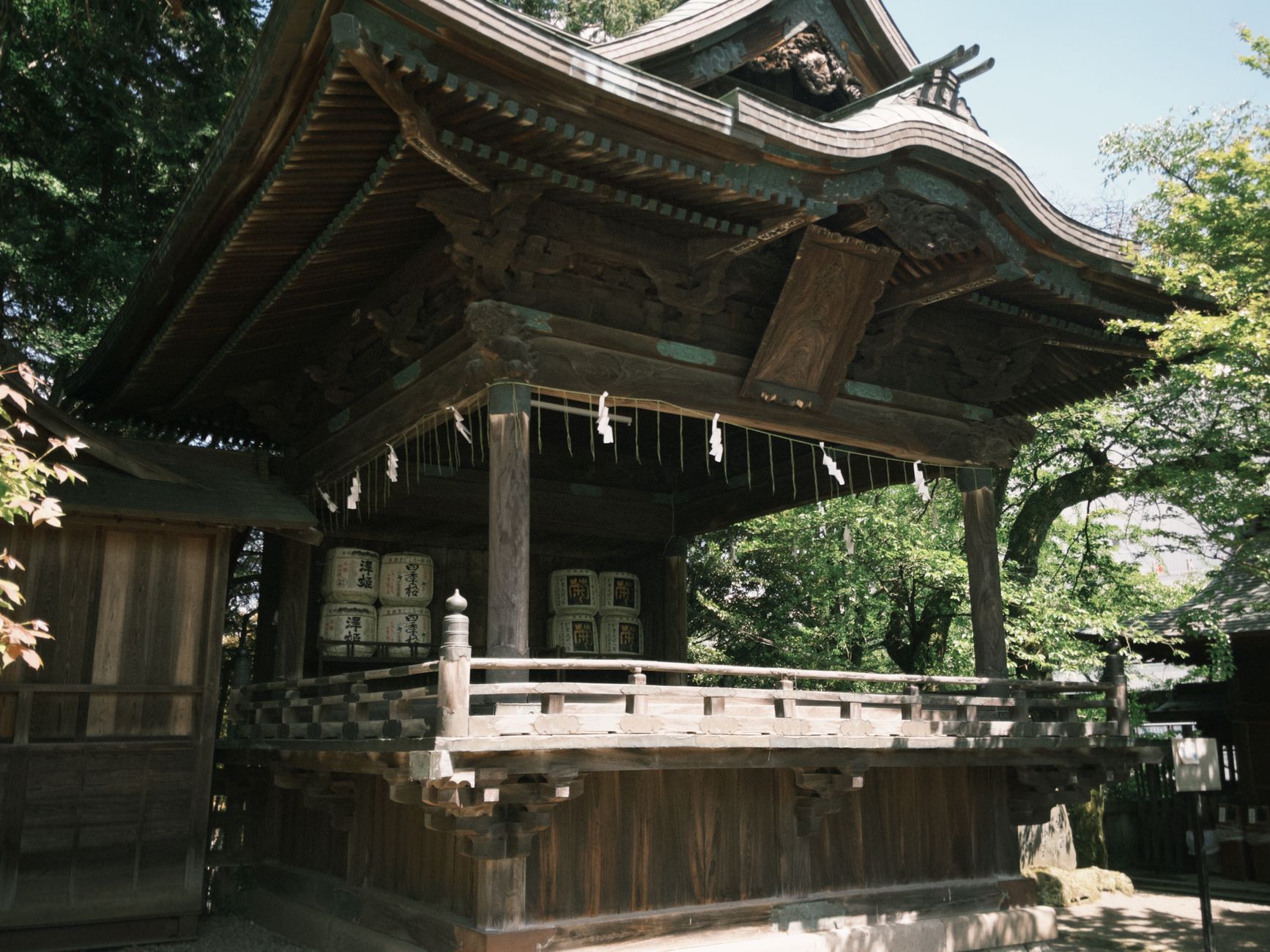
Japanese temple builders mastered kigumi, a joinery system so precise that buildings flex with earthquakes, breathe with humidity, and stand for over a millennium without metal fasteners. The technique transforms timber into three-dimensional puzzles: mortise, tenon, tongue, groove — each joint calculated to bear weight, resist lateral force, and tighten under stress.
It's not stubbornness or tradition for tradition's sake. Wood swells and shrinks with Japan's humid summers and dry winters. Metal corrodes. But kigumi joints move with the timber, actually strengthening as the wood settles and compresses over decades.

When the Building Becomes the Teacher
Carpenters training in this craft — miyadaiku, temple carpenters — spend years learning to read grain direction, moisture content, and the structural personality of hinoki cypress or keyaki zelkova. They carve joints by hand, testing fit and angle until two pieces lock with a satisfying resistance.
The joint must be tight enough to hold forever, loose enough to slide together once.
There are hundreds of joint types. Some interlock like fingers. Others use hidden wedges that tighten as you drive the beam home. The kanawa tsugi scarf joint connects beams end-to-end with such strength that the join often outlasts the surrounding wood.
The Architecture That Dances
Step inside Hōryū-ji in Nara — the world's oldest surviving wooden structure, built in the 7th century. Its five-story pagoda has weathered countless earthquakes, swaying rather than cracking. The central pillar doesn't even touch the ground floor; it hangs from above, acting as a pendulum that counterbalances the building's movement.
This is kigumi's secret. Rigidity breaks. Flexibility endures.
The joints allow controlled motion, dissipating seismic energy through the entire frame. Modern engineers study these temples to understand earthquake resistance. What looks like ancient superstition turns out to be sophisticated structural engineering, encoded in wood.
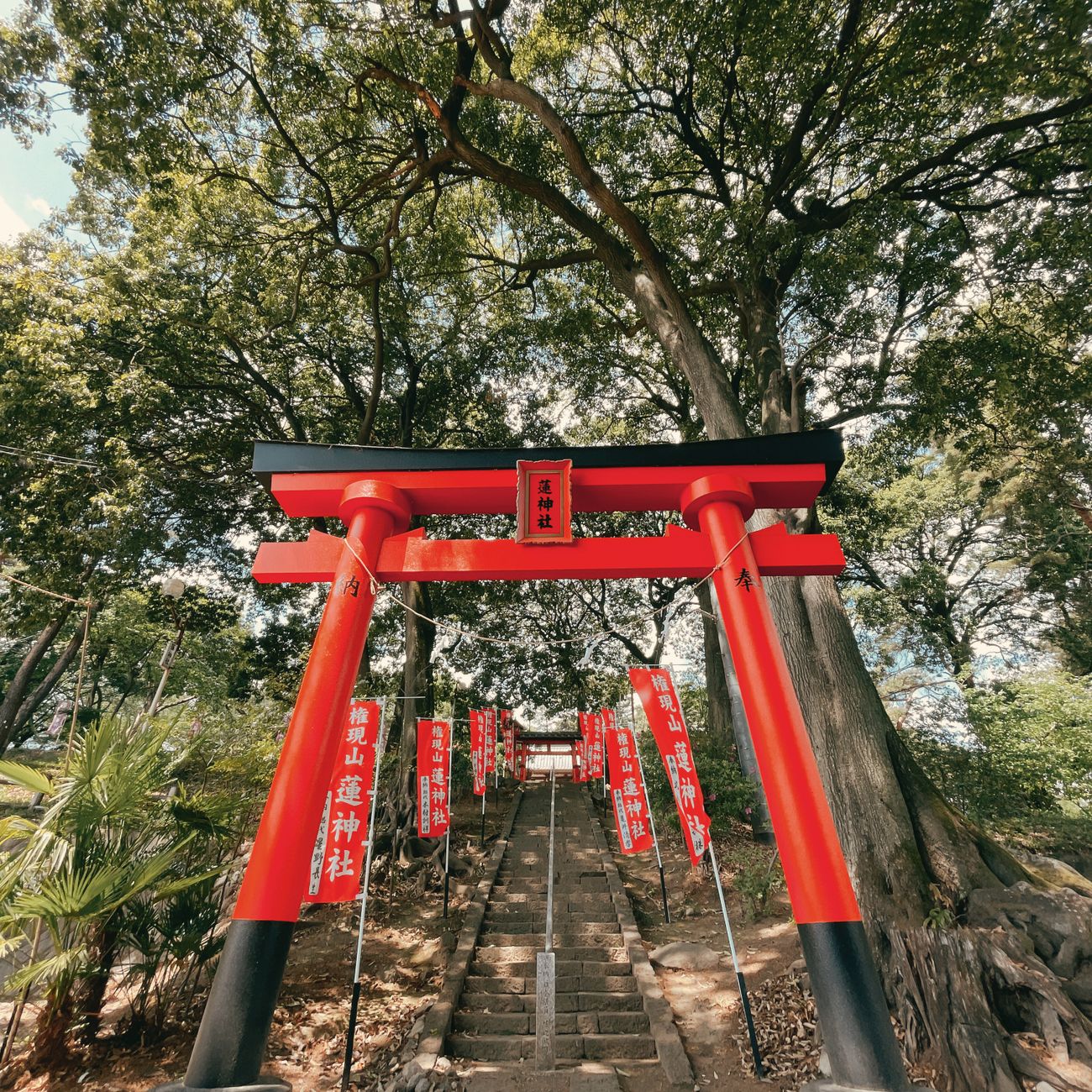
Why It Matters Now
Today, only a small number of miyadaiku remain, and fewer still possess the full range of traditional joints. When temples need repair — and these wooden structures require careful maintenance every few generations — the knowledge must be there. The joints don't appear in blueprints. They live in the hands of craftspeople who learned by watching, touching, failing, adjusting.
This isn't nostalgia. It's a living technology that responds to material reality: wood's nature, earthquake physics, the fact that buildings should last longer than the people who build them. Kigumi creates structures that can be disassembled, repaired, and reassembled — sustainable architecture centuries before the term existed.
The next time you see a temple's wooden frame, notice the shadows where beams meet. No nails. No screws. Just human attention, locked into place.
FAQ
Chaware curates authentic Japanese crafts — straight from the makers in Japan to your table.
Explore the Chaware collection →