What a Capsule Hotel Pod in Japan Is Really Like: Inside Japan's Iconic Sleep Experience
On this page
You slide into the pod feet-first, like boarding a spaceship designed for one. The door closes with a soft pneumatic hiss, and suddenly you're suspended in a cocoon of white plastic, LED reading light, and the low hum of ventilation—a traveler's womb floating six feet above a Tokyo street.
The geometry of sleep
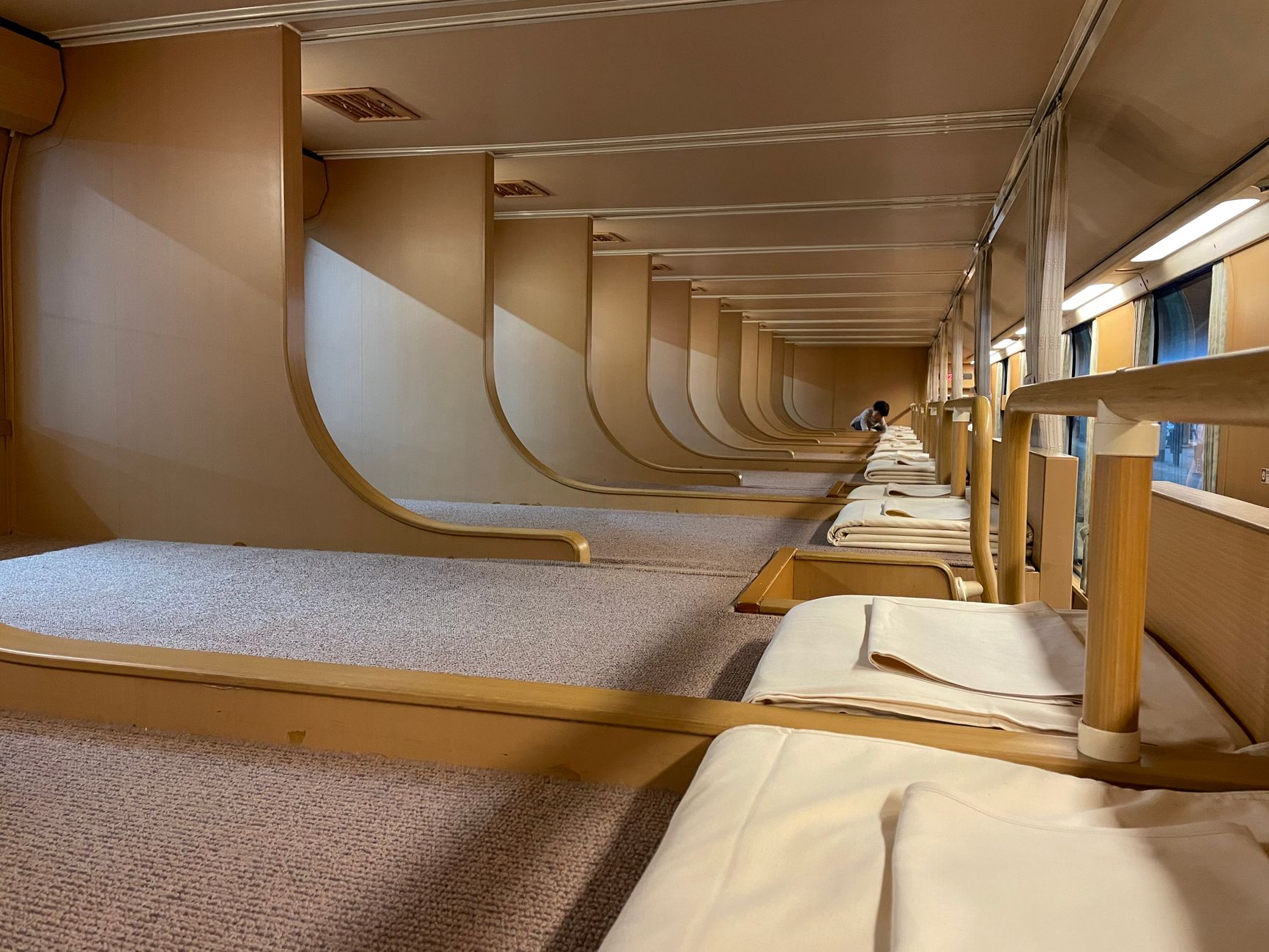
Capsule hotels aren't hotels in any traditional sense. They're precision-engineered sleep modules, each pod roughly two meters long, one meter wide, and just tall enough to sit upright without bumping your head. Think of them as horizontal filing cabinets for human rest—except far more comfortable than that sounds.
The design was born in Osaka in 1979, conceived by architect Kisho Kurokawa as a solution to Japan's notorious work culture and last-train dilemmas. Salarymen who missed the final departure could crash near the station for less than the cost of a taxi ride home. Efficiency, yes. But also a peculiar kind of dignity: your own space, your own light, your own door.
Inside a capsule, you're alone with just enough.
What you actually get
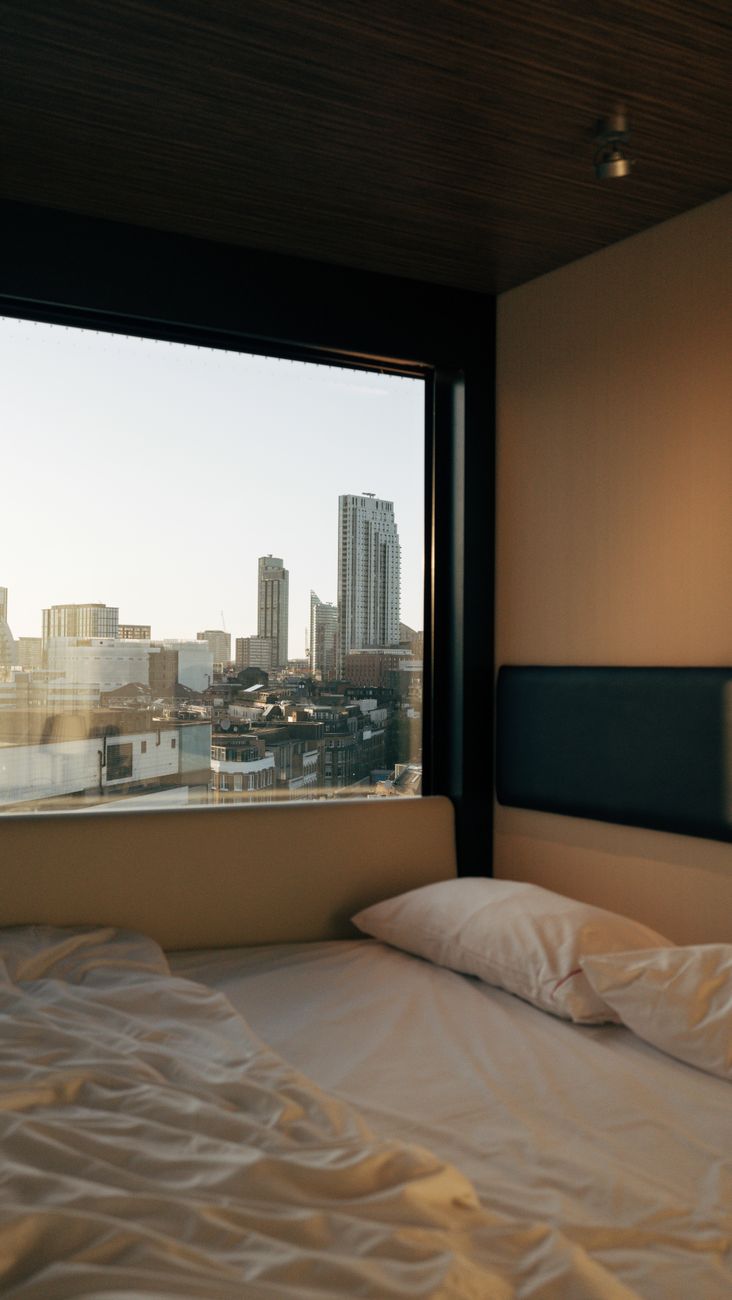
Each pod comes equipped with the essentials and nothing more. A reading light clips to the ceiling. A small television (often outdated) sits embedded in the corner. An alarm clock. A pull-down privacy screen or rigid door, depending on the generation of the hotel. Some newer capsules include USB ports and adjustable air vents; older ones make do with a single fan.
The mattress is firm—Japanese-style futon firmness—and bedding is always fresh. A small shelf near your head holds glasses, phone, wallet. That's it. No desk, no closet, no window to the outside world. Your luggage goes in a locker downstairs.
The ritual of entry
You don't waltz into a capsule hotel in street shoes. At the entrance, you swap your shoes for slippers, storing your footwear in a cubby. Many provide pajamas or loose cotton robes. You're handed a towel, a key, and directions to your pod number—C-47, B-23—coordinates in a grid of identical hatches.
The sleeping floors are silent. Rows of pods stack two or three high, accessed by small ladders. You pass other travelers: a backpacker from Sweden scrolling her phone, a businessman in regulation-issue sleepwear, a young couple who booked side-by-side pods and now whisper through the thin partition.
Bathrooms and showers are communal, usually spotless, sometimes featuring the kind of high-tech toilets Japan is famous for. There's often a shared lounge with vending machines, manga, and the faint smell of instant ramen.
Who sleeps here now
The clientele has shifted. Yes, you'll still find salarymen who worked past midnight, but capsule hotels have become budget travel staples. Solo travelers, late-night arrivals, early-morning flight catchers. Some women-only floors have emerged, decorated in softer tones with better amenities—recognition that the original design catered to a very specific demographic.
Prices hover between ¥3,000 and ¥5,000 per night, a fraction of even a business hotel. For that, you sacrifice privacy but gain something else: a uniquely Japanese experience of minimalism as hospitality. No pretense. No excess. Just the essentials, executed well.
The strange comfort of limits
Lying in your pod at 1 a.m., you might feel the vibration of a train passing beneath the building. You hear someone three pods down shifting position. The light from your neighbor's screen glows faintly through the gap. It's intimate in a way hotels rarely are—not romantic intimacy, but the closeness of shared human necessity.
The capsule doesn't pretend to be a room. It's a pause. A breath. A place designed around the truth that sometimes all you need is a clean place to close your eyes.
FAQ
Chaware curates authentic Japanese crafts — straight from the makers in Japan to your table.
Explore the Chaware collection →