Why Japanese Slurp Their Noodles: The Culture Behind the Sound
On this page
You're sitting across from a Japanese friend at a ramen shop, and suddenly the air fills with a loud, enthusiastic slurping sound. Your first instinct? Maybe a polite glance away. But here's the thing: in Japan, that slurp isn't a breach of etiquette—it's exactly how you're supposed to eat noodles.
The sound of satisfaction
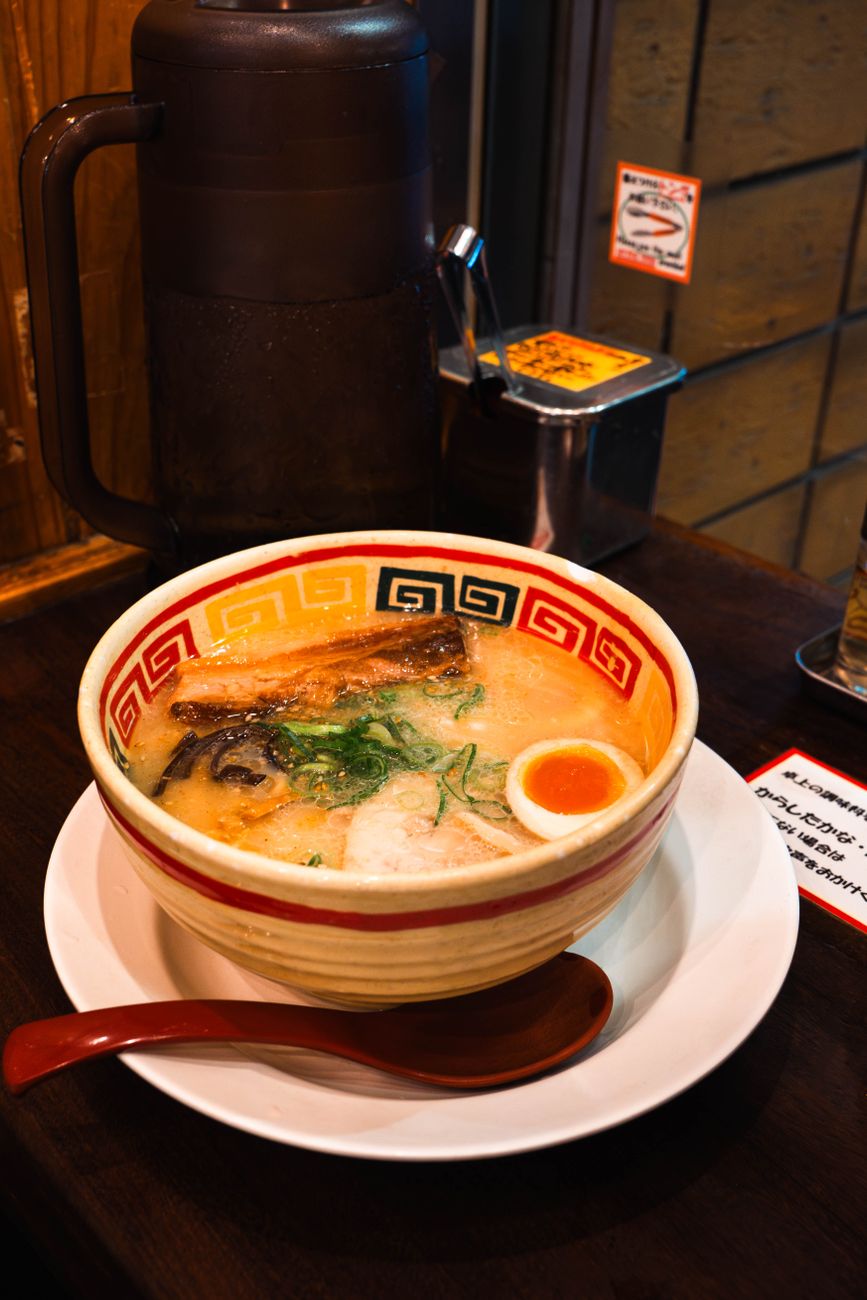
In Japanese culture, slurping noodles isn't just acceptable—it's encouraged. The practice, known as susuru, is so ingrained that silence at a noodle counter would actually feel strange. Walk into any ramen shop in Tokyo or Osaka during lunch rush, and you'll hear a symphony of slurps, a collective rhythm that signals people are genuinely enjoying their meal.
But this isn't about being loud for the sake of it. The slurp serves a practical, almost scientific purpose.
Cooling and tasting in one breath
Ramen, udon, and soba are traditionally served piping hot—so hot that eating them quietly would mean burning your tongue or waiting for them to cool (and lose their optimal texture). Slurping draws air along with the noodles, instantly cooling them as they enter your mouth. It's an elegant solution to a very real problem.
There's more. When you slurp, you're not just cooling—you're aerating. The rush of air carries the broth's aroma directly to your olfactory receptors, intensifying the flavor. Taste and smell combine in a way that polite, quiet bites simply can't replicate. Chefs know this. The dish is designed with the slurp in mind.
Slurping isn't bad manners—it's the final step in how the dish is meant to be experienced.
A compliment to the cook
In many Western contexts, making noise while eating suggests carelessness or poor upbringing. In Japan, the opposite holds true—at least when it comes to noodles. A hearty slurp signals to the chef that you're diving in with gusto, that the food is too good to eat daintily. It's an audible "thank you."
This doesn't mean Japan has no table manners. Chewing with your mouth open, talking loudly, or clinking chopsticks against your bowl are still considered rude. But noodle slurping occupies its own category, a specific exception rooted in centuries of noodle culture.
Not every dish gets the slurp
Here's an important distinction: slurping applies specifically to noodle dishes—ramen, soba, udon. You wouldn't slurp rice, soup from a spoon, or Western-style pasta if you're dining at an Italian restaurant in Tokyo. The practice is context-specific, tied to the tools (chopsticks), the temperature (very hot), and the tradition (noodle stands and shops where speed and flavor intensity matter).
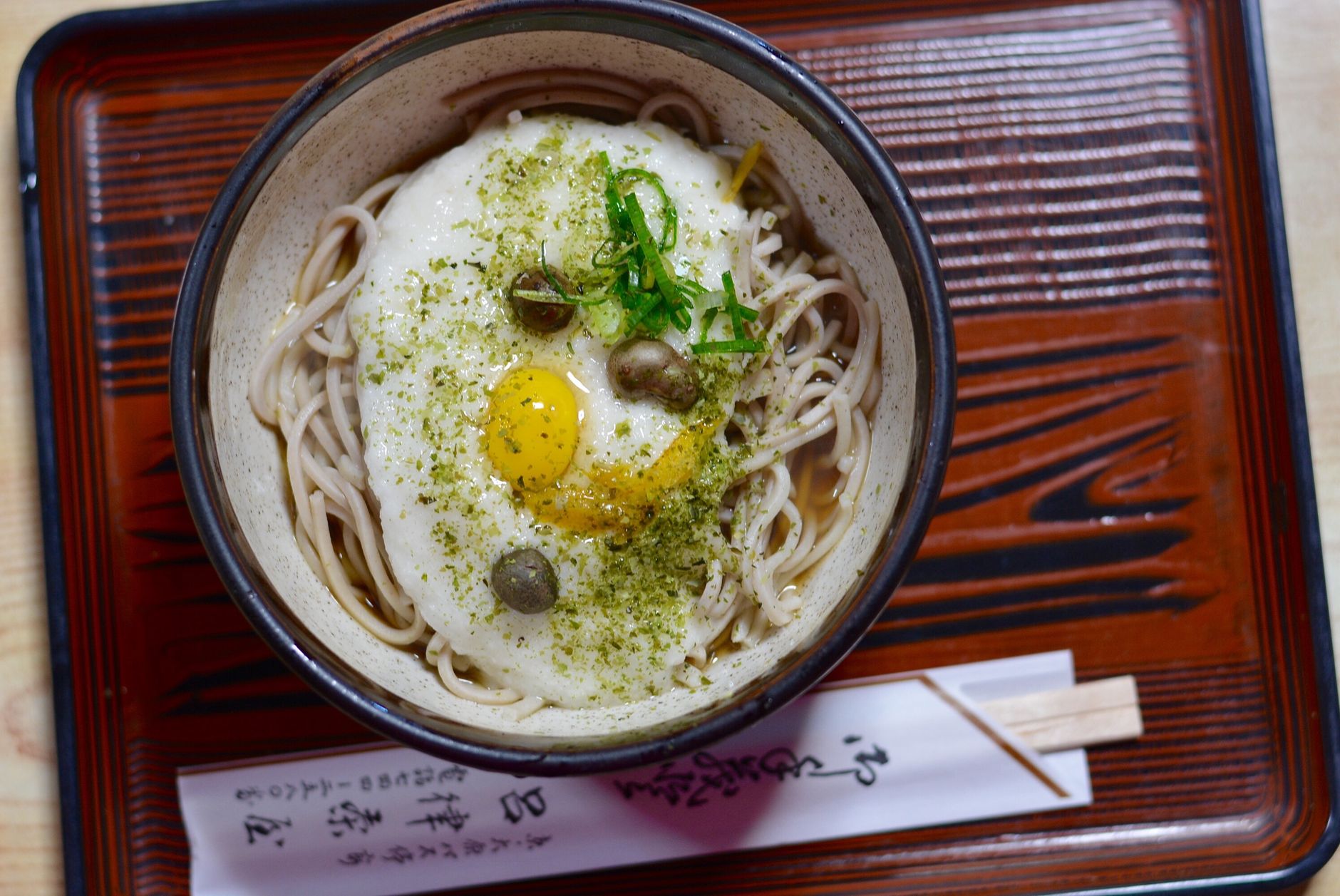
When you're eating soba, the slurp also helps you draw the noodles through the dipping sauce, coating them evenly just before they hit your palate. It's functional choreography, refined over generations.
An invitation to let go
For many visitors to Japan, learning to slurp is a small act of cultural surrender—a permission slip to let go of ingrained "quiet eating" rules and embrace a different logic. It feels awkward at first, then oddly liberating. You realize that etiquette isn't universal; it's a language, and every culture speaks its own dialect.
The next time you lift noodles to your lips, try it. Let the sound come naturally. Feel the cool air mix with the hot broth, the aroma bloom in your nose, the noodles slip across your tongue. You're not being rude.
You're eating exactly the way the bowl was meant to be enjoyed.
FAQ
Chaware curates authentic Japanese crafts — straight from the makers in Japan to your table.
Explore the Chaware collection →