Why Japanese Gardens Feel So Calming: The Secrets of Pond, Moss, and Mindful Design
On this page
You step through a wooden gate, and the city noise drops away like a curtain falling. The air feels different here—cooler, somehow softer.
The architecture of emptiness
Japanese gardens aren't designed to fill space. They're designed to frame it.
Every element—the placement of a stone, the curve of a path, the negative space between a pine branch and a pond—follows principles borrowed from Zen Buddhism and ancient Chinese landscape painting. Ma, the concept of meaningful emptiness, governs the entire composition. Western gardens often aim for abundance, bursting with color and variety. Japanese gardens do the opposite. They subtract until only the essential remains.
This restraint isn't minimalism for its own sake. It's an invitation. When your eye isn't overwhelmed, your mind stops cataloging and starts noticing—the way morning light catches on moss, the sound of a single water drop.
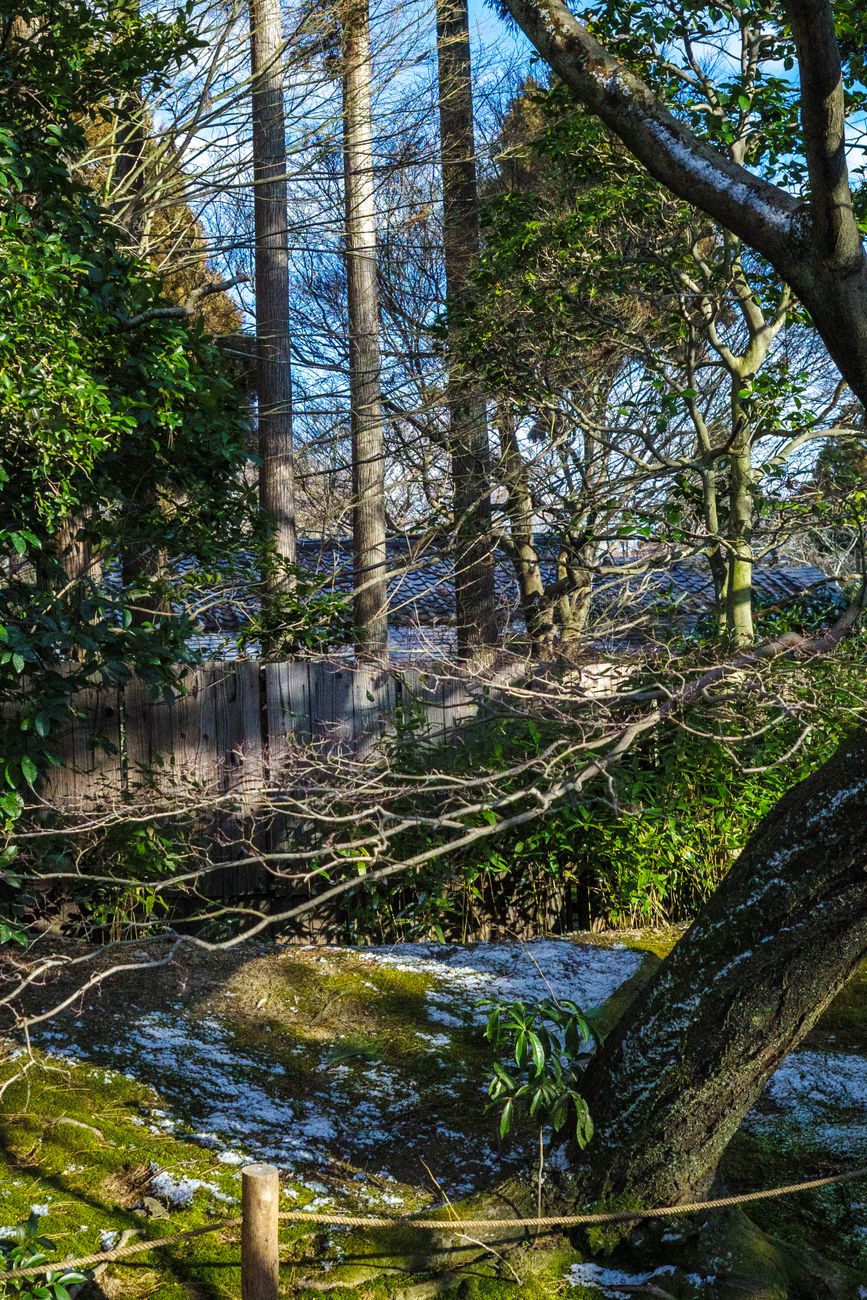
Stones that have been listening for centuries
Walk through Ryoan-ji in Kyoto, and you'll find fifteen stones arranged in raked white gravel. No plants. No water. Just stone and space.
The rocks weren't chosen for beauty alone. Garden designers selected stones that had been shaped by rivers or ocean waves—suiseki that carried the memory of natural forces in their surfaces. Placing them became a kind of listening, a collaboration between human intention and geological time. The gardener's role was less about creation and more about recognition, finding the arrangement that the stones themselves seemed to suggest.
A Japanese garden doesn't show you nature—it teaches you how to see it.
Water that doesn't need to move
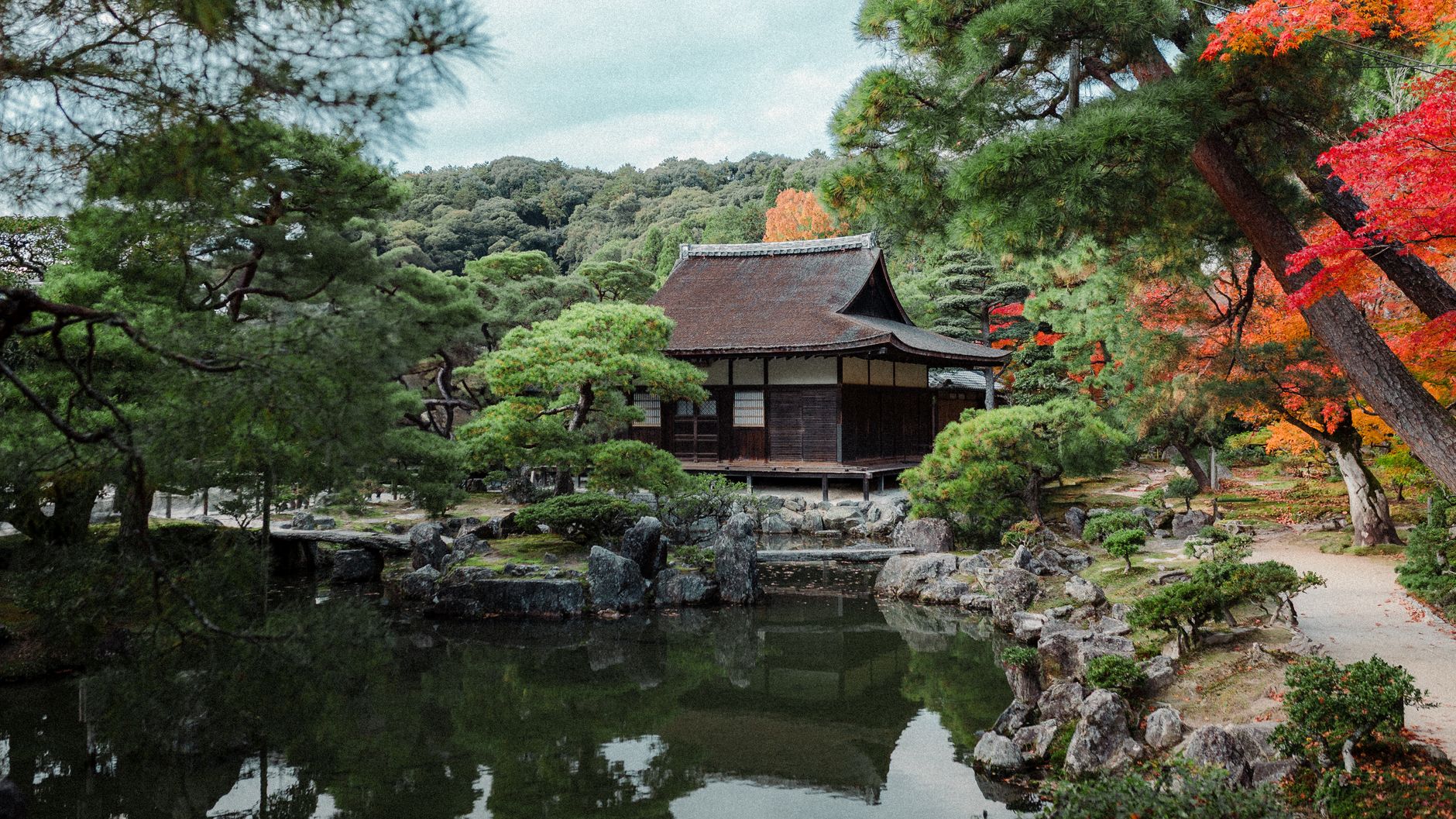
The ponds in Japanese gardens often feel impossibly still. That stillness is engineered.
Designers position water features to reflect specific views—a maple branch, a stone lantern, the sky at dusk. The surface becomes a second painting, doubling the garden's depth without adding physical space. Even the shape of a pond follows natural shorelines, never geometric. Edges blur with moss and iris. You can't tell where earth ends and water begins.
In dry gardens, where there's no actual water at all, raked gravel becomes the pond. The pattern of the rake mimics ripples, and your brain fills in the rest. The calming effect is nearly identical. Turns out, it's not the water itself that soothes—it's the rhythm, the repetition, the sense of something flowing.
Moss as a measure of time
Moss grows at roughly one centimeter per year. A thick carpet of it signals decades, sometimes centuries, of patient accumulation.
Japanese gardeners don't plant moss so much as they invite it. They create the conditions—shade, moisture, undisturbed soil—and wait. This isn't gardening as control. It's gardening as relationship. The moss decides where it wants to live. The gardener tends what arrives.
Walking on moss-covered paths, you're walking on time made visible. That knowledge changes how you move. You slow down. You soften your step.
The borrowed view you almost miss
Stand in certain spots in traditional gardens, and you'll notice something curious: a distant mountain framed perfectly between two trees, or a temple roof appearing just above a hedge.
This technique, shakkei or "borrowed scenery," erases the boundary between garden and world. The designer doesn't own that mountain, but they've composed the garden so it becomes part of the experience. It's a reminder that the garden was never meant to be separate from nature—just a distilled version of it, a place where you remember how to pay attention.
The gate opens both ways. You carry that attention back out with you.
FAQ
Chaware curates authentic Japanese crafts — straight from the makers in Japan to your table.
Explore the Chaware collection →