Why Japanese Taxi Doors Open By Themselves: The Tradition Behind Automated Car Doors on Japan's Streets
On this page
You reach for the taxi door handle in Tokyo. Before your fingers even touch it, the door swings open—smoothly, silently, as if bowing in greeting.
The door that greets you first
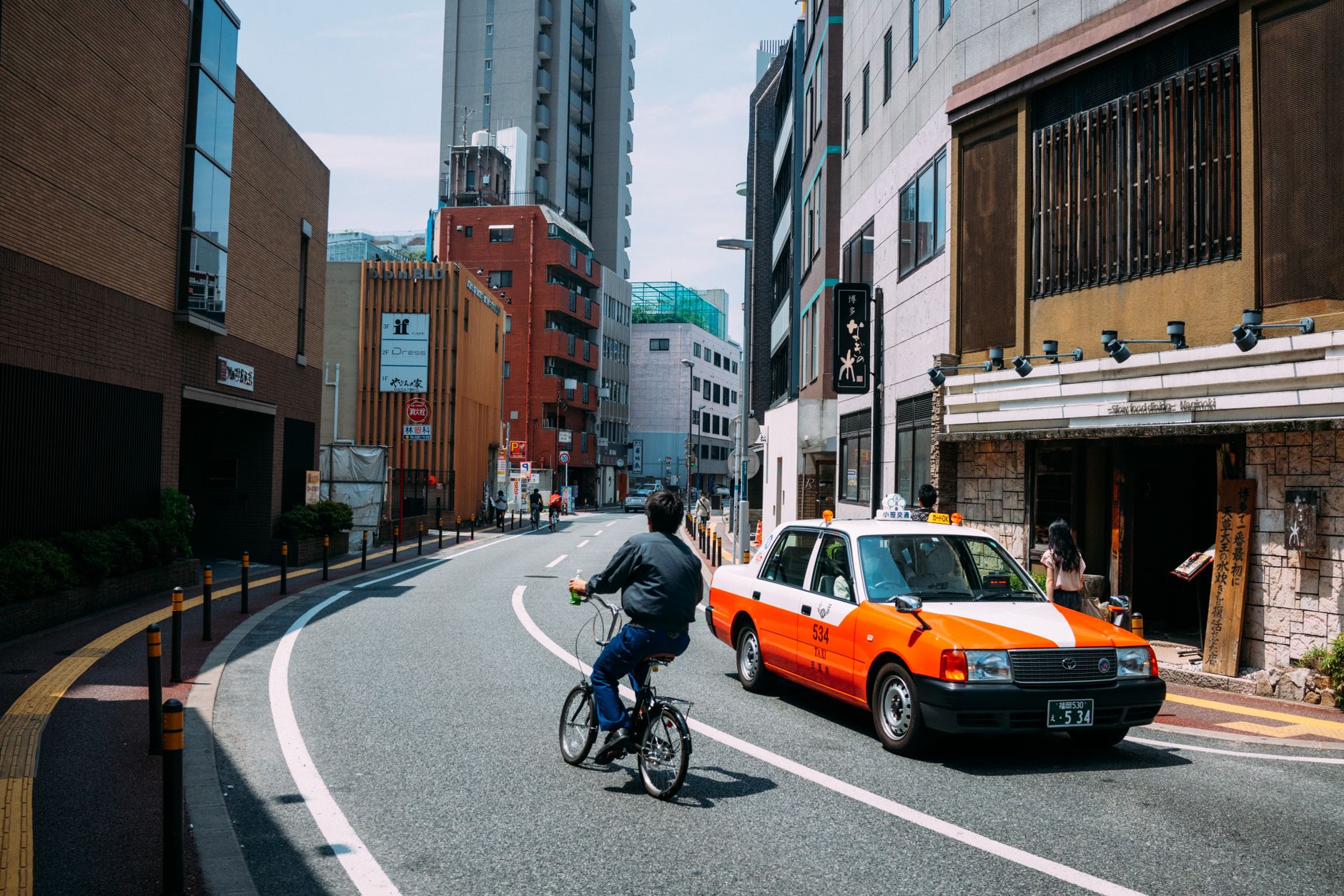
Japan's automatic taxi doors aren't powered by sensors or electric motors in the modern sense. They're operated manually by the driver, using a mechanical lever system that's been standard since the 1960s. This is jidou doa (automatic door), though "driver-operated door" would be more accurate. The driver controls your door from their seat, opening and closing it with a small handle near the gearshift.
It's a small choreography you'll witness thousands of times across Japanese cities. The taxi glides to the curb. The rear left door opens before you approach. You slide in without touching anything. When you exit, you step away and the door closes itself behind you—no slam, no fumble, no awkward half-turn to push it shut.
Hospitality engineered into metal
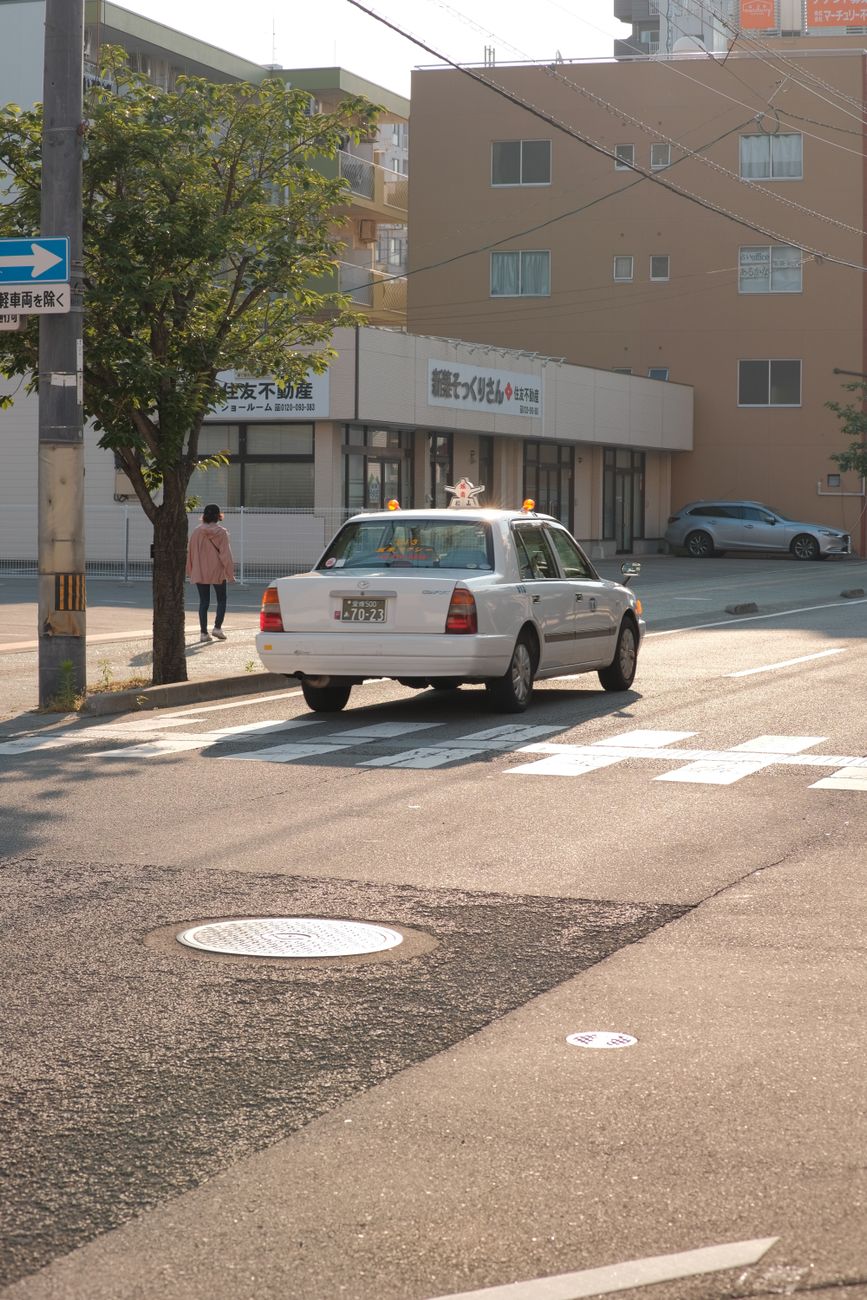
The system emerged from a uniquely Japanese collision of practicality and service culture. Post-war Tokyo's streets were narrow and increasingly crowded. Passengers stepping out into traffic created danger. Drivers opening doors from inside kept better control of timing and safety.
But engineering alone doesn't explain why this became universal while remaining rare elsewhere. The real answer lives in omotenashi—the philosophy of anticipating needs before they're expressed. A guest shouldn't have to work. A door is a barrier; removing that barrier becomes an act of welcome.
The taxi door opens before you ask because hospitality, in Japan, means moving one step ahead of need.
Watch a veteran Tokyo taxi driver and you'll see this philosophy in motion. They time the door's opening to your walking pace. They ensure it's wide enough but never so far it encroaches on bicycle lanes. They close it with just enough firmness—secure but never harsh. Decades of muscle memory translated into grace.
White gloves and gleaming chrome
Step inside and the attention to detail continues. Many drivers wear white gloves—not for ceremony, but to keep the steering wheel and door handles pristine. Lace doilies drape the headrests. The seats are often covered in crisp white fabric, changed regularly. Some drivers bow slightly as you enter.
This isn't luxury service reserved for expensive black cars. This is the standard taxi. The everyday ride. The 3 a.m. trip home or the quick hop across three stations.
The mechanical door system requires maintenance. It adds weight. It's more complex than a standard door. Yet it persists across nearly every taxi in Japan's major cities because the alternative—asking passengers to manage their own doors—would mean asking them to work. And that runs counter to something deeper than efficiency.

What a door reveals
Foreign visitors often photograph or video their first automatic taxi door experience, delighted by the novelty. But for anyone who's lived in Japan, it becomes invisible—not because it's unremarkable, but because it's so thoroughly integrated into the rhythm of daily life that its absence elsewhere feels like something missing.
The automatic door isn't about technology. It's about a society that engineered thoughtfulness into infrastructure, that made service a reflex rather than an upsell. It's a moving threshold that asks nothing of you except that you accept its quiet gesture of care.
The door closes behind you with a soft, certain click. You didn't touch it. You didn't have to.
FAQ
Chaware curates authentic Japanese crafts — straight from the makers in Japan to your table.
Explore the Chaware collection →