A First-Timer's Guide to Fushimi Inari's Thousand Torii Gates
On this page
You step through one vermillion gate, then another, then ten, then a hundred—and suddenly realize you've left the ordinary world behind.
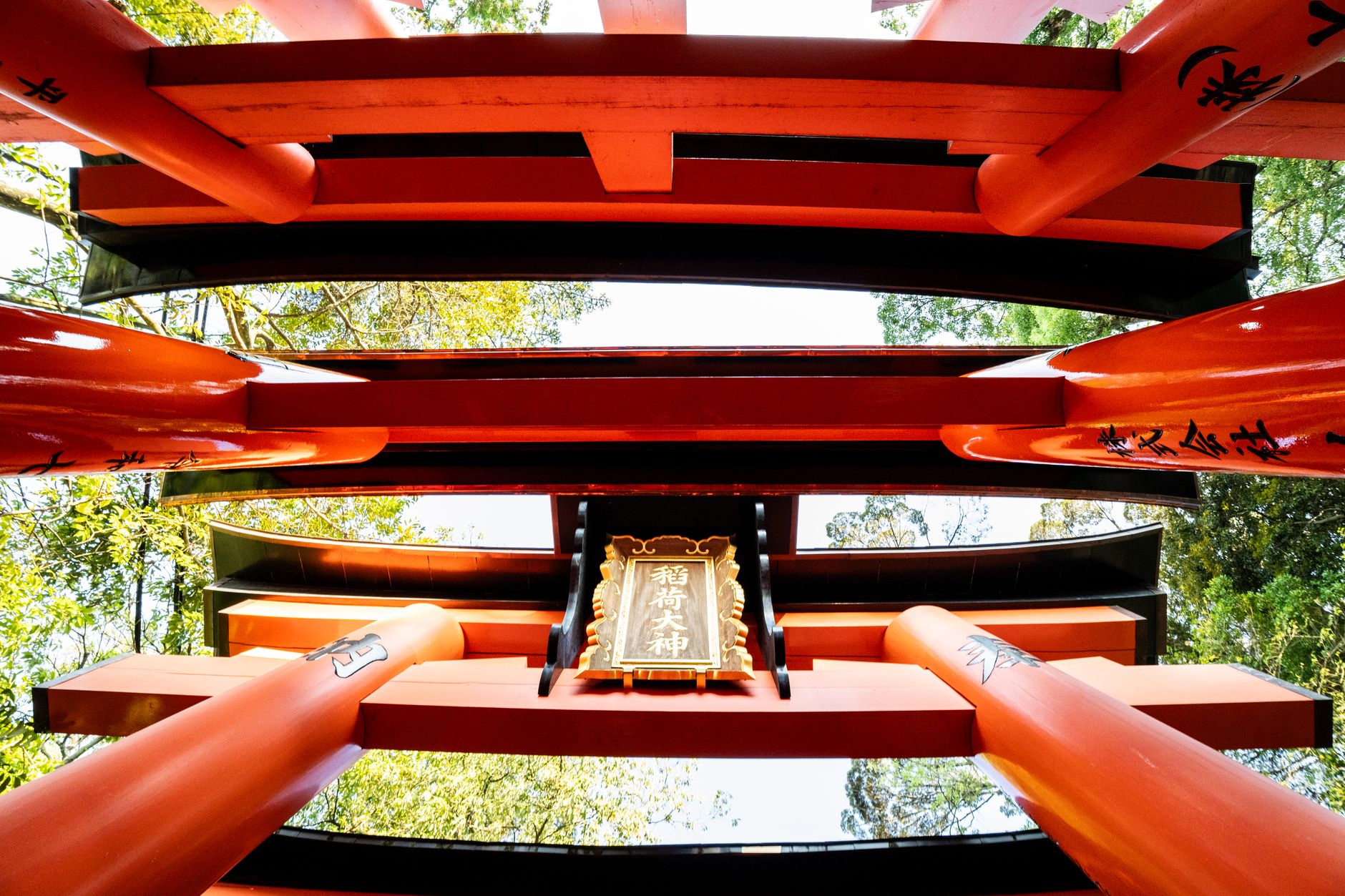
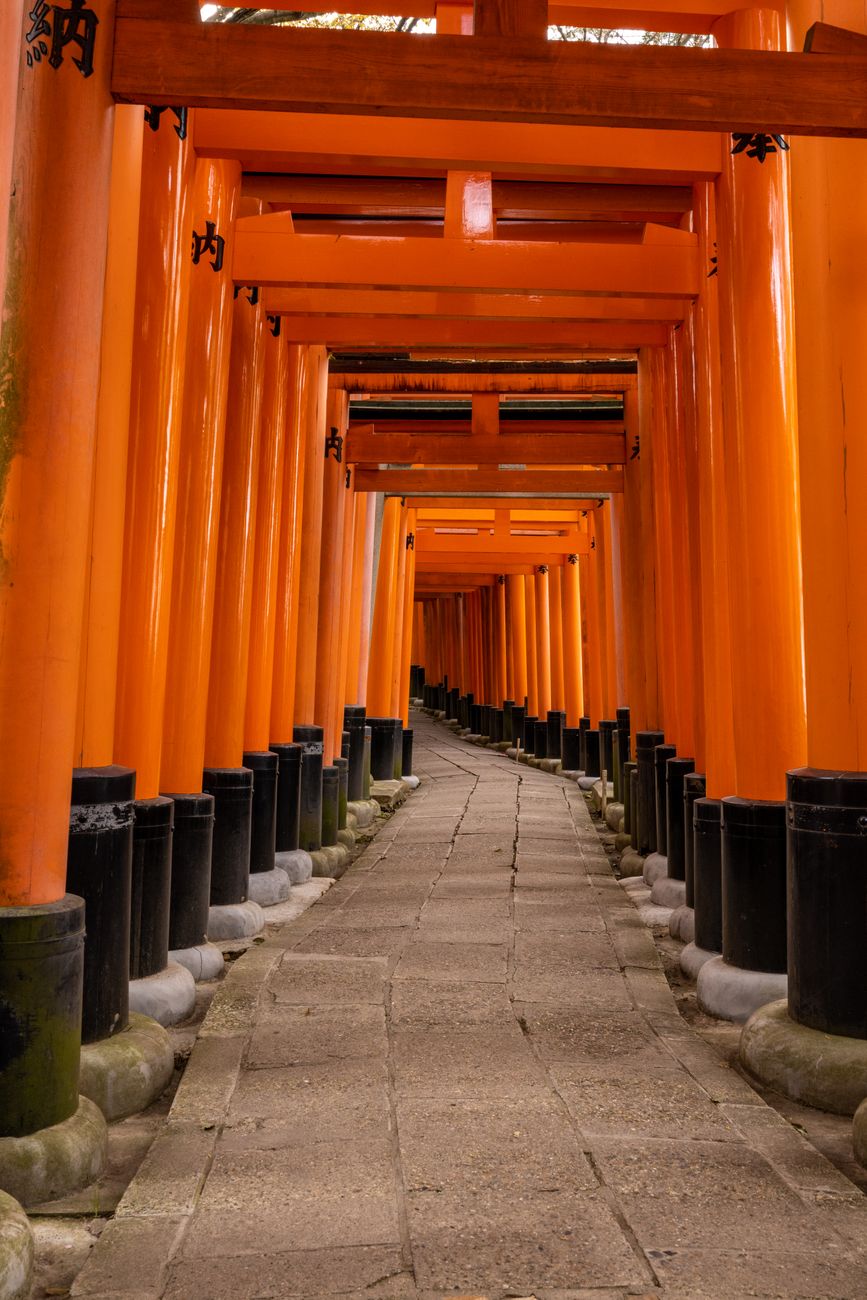
Fushimi Inari-taisha sits at the base of Mount Inari in southern Kyoto, and it's not just another shrine. It's a portal. A passageway. A corridor of ten thousand torii gates that tunnel through the mountain's forested slopes, each one donated over centuries by individuals, families, and businesses seeking favor from Inari, the Shinto deity of rice, prosperity, and foxes.
Yes, foxes.
The gates don't end—and that's the point
Most visitors expect to walk through a few dozen gates, snap photos, and leave. But the Senbon Torii—the "thousand torii" path—actually comprises thousands of gates winding nearly four kilometers up the mountainside. The full circuit takes two to three hours, and most people turn back within the first fifteen minutes.
That's when the magic really begins. Beyond the initial crowd, the path splits, narrows, and grows quieter. The torii lean closer. Moss creeps up their wooden pillars. You hear only footsteps, birdsong, and the occasional rustle of something unseen in the underbrush.
Each gate bears an inscription on its back pillar: the donor's name and the date of dedication. Some are centuries old, their vermillion lacquer faded to burnt umber. Others gleam fresh and bright, installed just months ago. Walking through them feels less like sightseeing and more like reading a living ledger of devotion.
Why foxes guard the rice god
At every turn, you'll encounter stone kitsune—fox statues serving as Inari's messengers. But these aren't cute woodland creatures. They hold keys in their mouths, or scrolls, or jewels. Their eyes are sharp, knowing, almost uncomfortably intelligent.
In Japanese belief, foxes possess the ability to shapeshift and see what humans cannot. They guard the boundary between the physical and spiritual, which makes them perfect companions for Inari, whose domain touches both the harvest and hidden fortune. The relationship between rice cultivation and prosperity isn't metaphorical here—it's foundational. Rice meant survival. Surplus rice meant wealth. Inari meant everything.
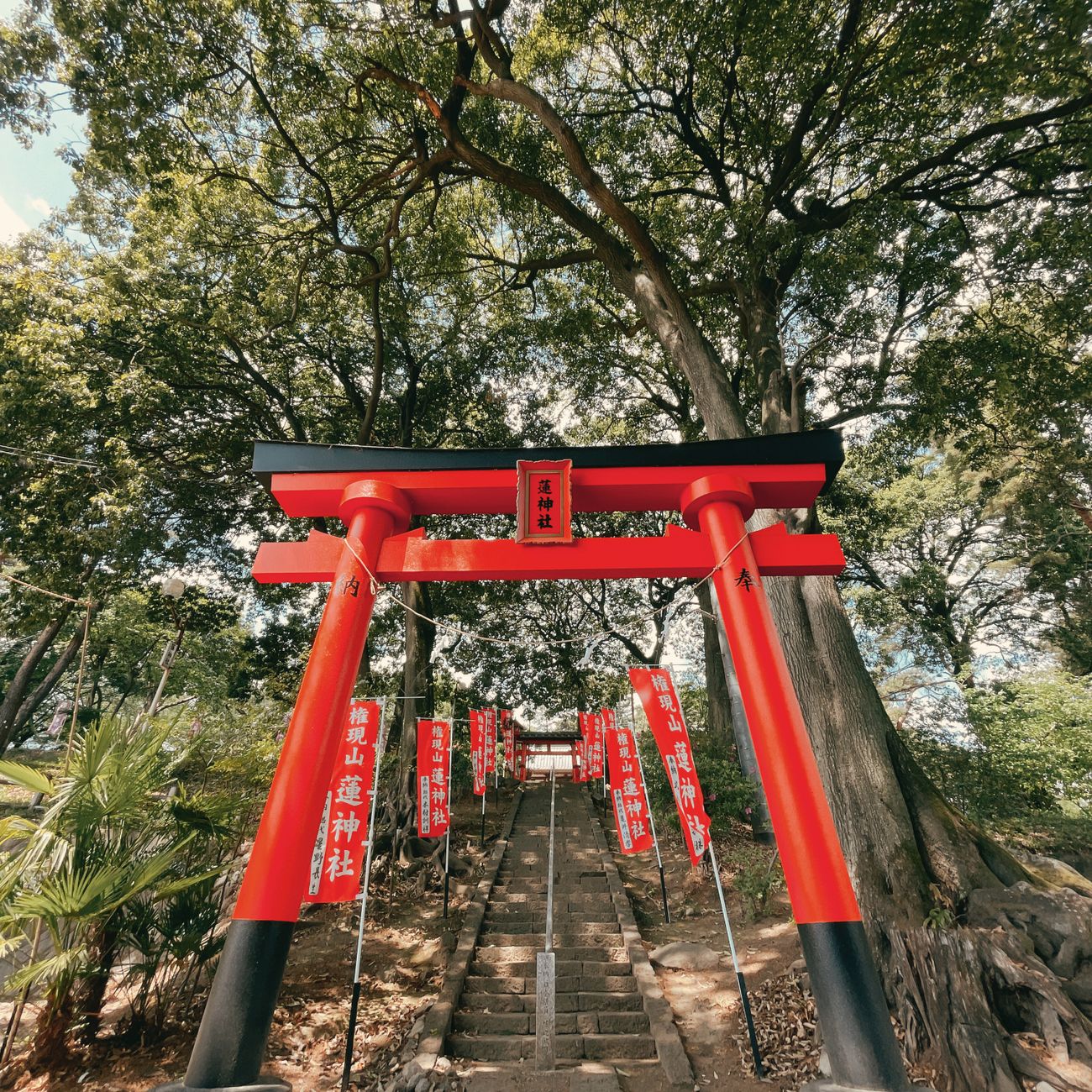
The torii aren't decoration—they're thresholds between the everyday and the divine.
What to actually expect (and pack)
Come early. Dawn is ideal, when mist clings to the gates and you might have whole sections to yourself. By mid-morning, the lower pathways become a slow-moving river of tourists, all angling for the same Instagram frame.
Wear real shoes. This isn't a fifteen-minute stroll—it's a mountain hike disguised as a shrine visit. The stone steps are uneven, steep in places, and slippery after rain. Bring water. There are vending machines and small rest stations partway up, but don't count on them.
And here's what no guidebook tells you: you don't have to complete the circuit. There's no prize at the summit, no grand finale. The experience is the walking itself—the repetition, the rhythm, the slow dissolution of time as one gate becomes a hundred becomes a thousand. Turn back whenever it feels right.
The gift you didn't know you were receiving
Fushimi Inari has no admission fee, no closing time, no ticket booth. It simply exists, open and accessible, day and night. That generosity mirrors the logic of the torii themselves—each gate a gift given forward, an offering that becomes part of the path for everyone who follows.
You don't need to understand Shinto theology to feel what's happening here. You just need to keep walking, gate after gate, until the vermillion blur becomes a kind of meditation and you realize you're not counting anymore.
FAQ
Chaware curates authentic Japanese crafts — straight from the makers in Japan to your table.
Explore the Chaware collection →