Why Arashiyama Bamboo Grove in Kyoto Feels Otherworldly
On this page
The sound hits you first—a hollow, rhythmic creaking that seems to come from everywhere and nowhere at once.
The forest that moves without wind
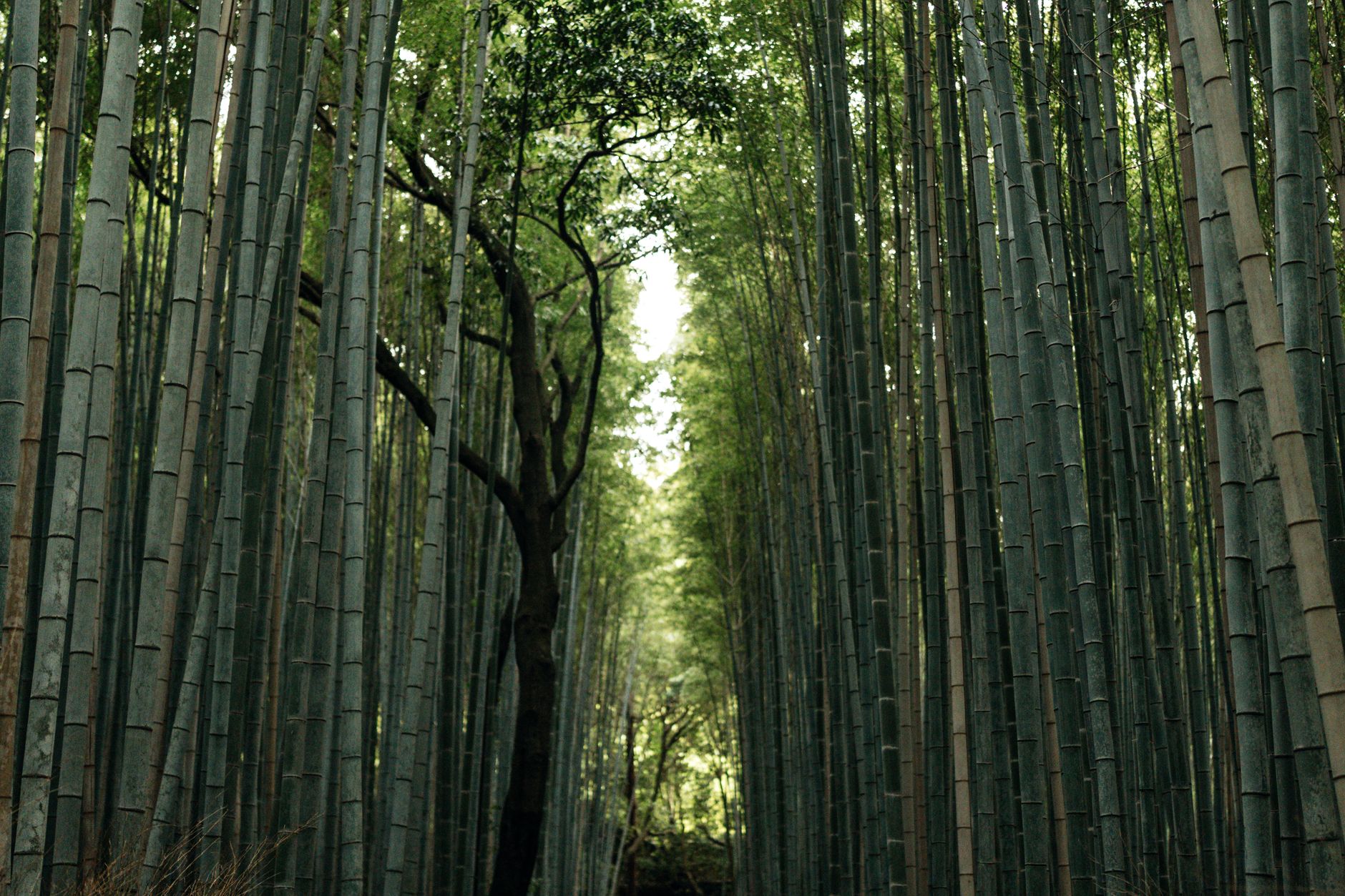
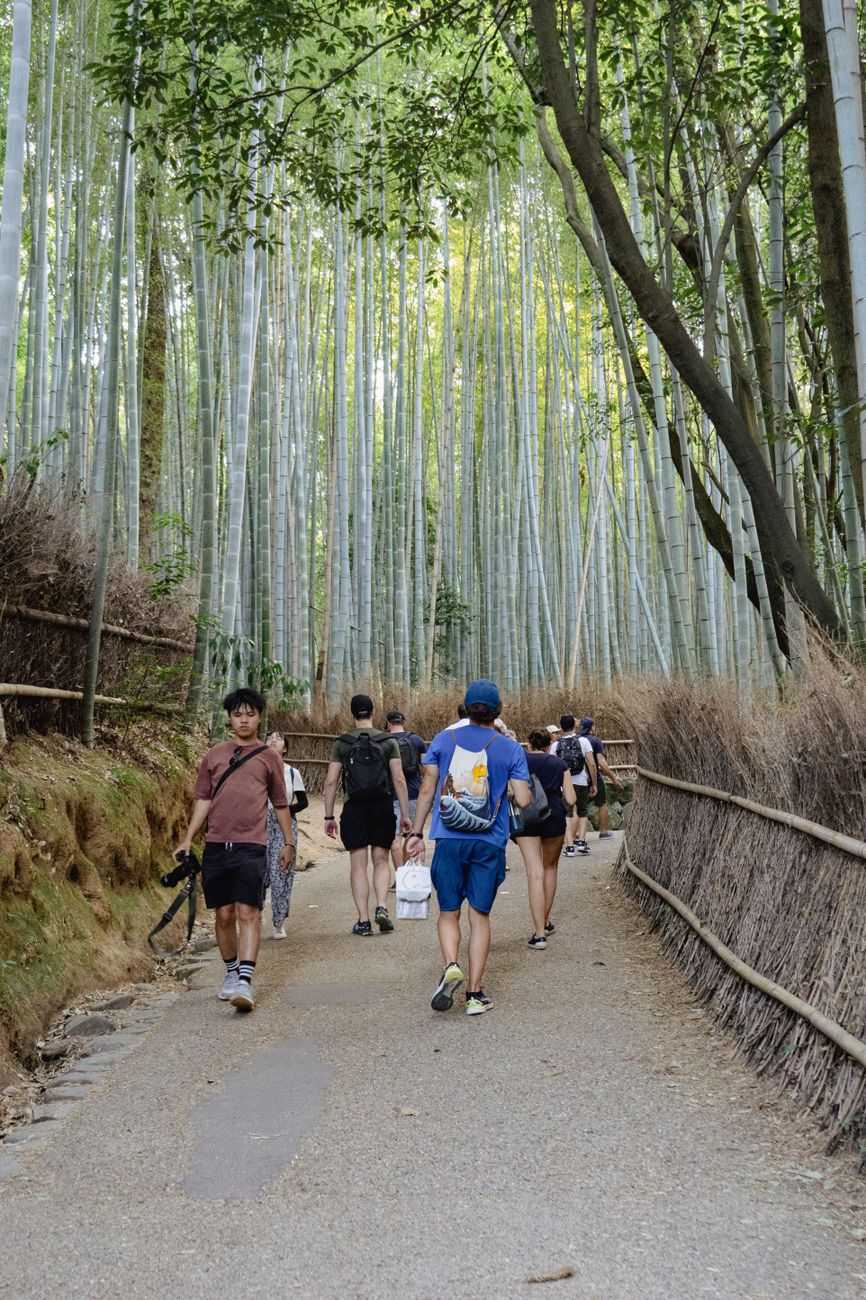
Step into the Arashiyama Bamboo Grove and the world contracts. Towering stalks of mōsō-chiku bamboo rise thirty meters overhead, their pale green trunks swaying in invisible currents. The canopy filters sunlight into thin, shifting beams that stripe the pathway in gold and shadow. You're walking through what feels like the ribcage of something immense and breathing.
The grove stretches along a path between Tenryū-ji Temple and Ōkōchi Sansō Villa, barely five hundred meters long. Yet distance becomes meaningless here. Time moves differently when you're surrounded by thousands of living columns, each one flexing and groaning as they press against each other in the breeze.
That eerie creaking? It's bamboo speaking—culms rubbing together in a language older than Kyoto itself.
Why bamboo creates altered space
Bamboo forests possess a peculiar architecture. Unlike trees with sprawling branches, bamboo grows in dense vertical lines that block peripheral vision while drawing your eyes relentlessly upward. The effect is cathedral-like, but alive. The grove creates what the Japanese aesthetic tradition might call ma—negative space that holds presence.
The density matters too. Mōsō bamboo can grow up to 120 centimeters in a single day during peak season, creating groves so thick that sound behaves strangely. Voices flatten. Echoes disappear. The rustle of leaves becomes a white-noise wash that erases the modern world just beyond the grove's edge.
Walking through Arashiyama feels less like entering a forest and more like stepping between dimensions.
The morning light phenomenon
Visit at dawn and you'll understand why this grove has appeared in countless films and photographs. Early light enters horizontally through the stalks, creating layers of illuminated mist between the shadows. The bamboo becomes translucent—jade green lit from within. Photographers call this the "blue hour extension," when the grove seems to glow with its own bioluminescence.
By mid-morning, the spell shifts. Dappled sunlight animates the path in moving patterns, and the green intensifies into something almost artificial in its saturation. The bamboo isn't just reflecting light; it's transforming it.
What the grove teaches about Japanese aesthetics
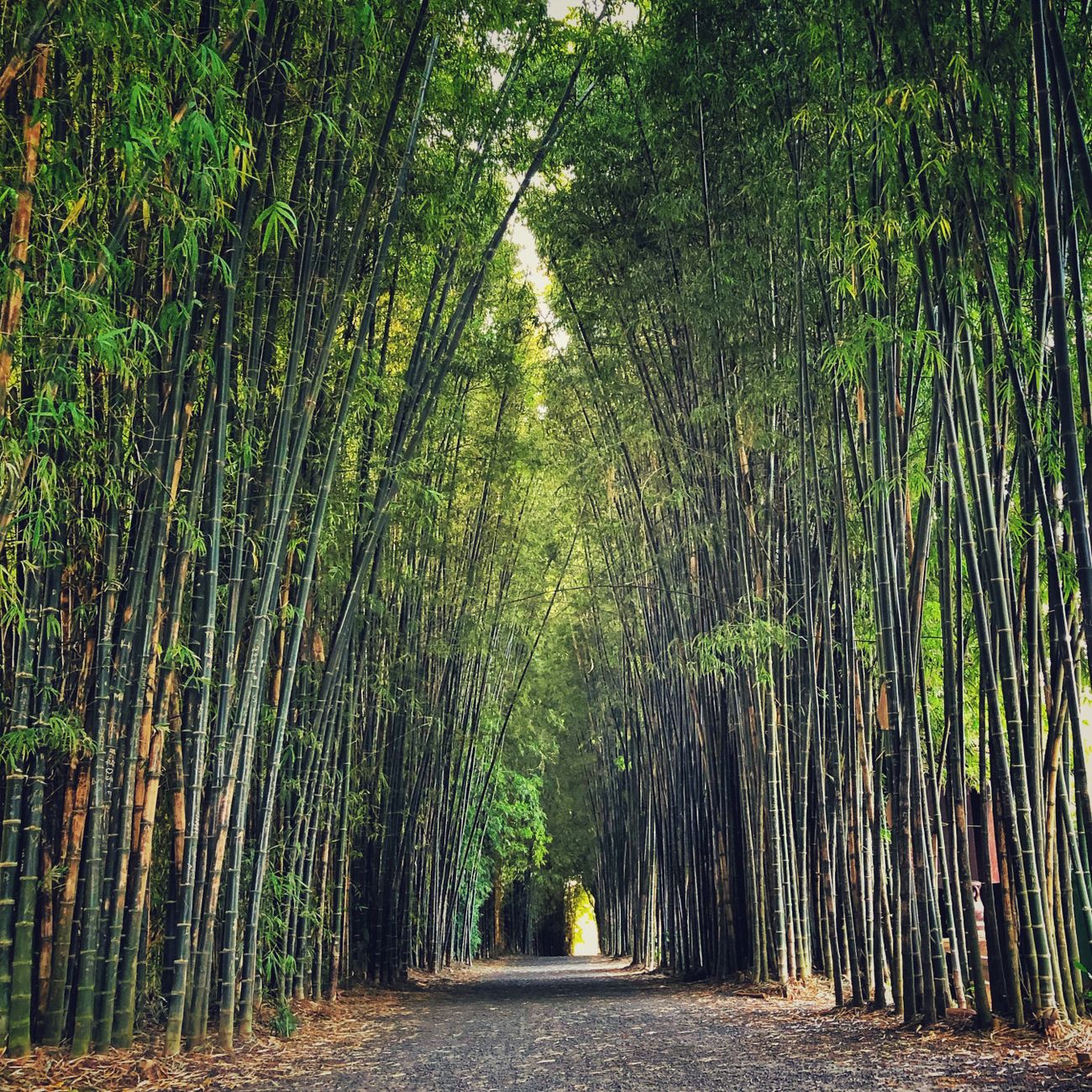
The path through Arashiyama is maintained but not manicured. Fallen leaves remain. The bamboo leans at natural angles. This restraint reflects shibui—beauty in subtle imperfection and organic authenticity. The grove isn't a garden in the formal sense; it's a collaboration between human intention and wild growth.
Local caretakers thin the bamboo regularly, but they follow the grove's own logic rather than imposing geometric order. The result is structured wildness—nature given just enough guidance to reveal its most powerful form.
Notice the absence of signs explaining what to feel. The grove trusts you to experience it directly, without mediation. This too is deeply Japanese: the belief that some knowledge arrives only through unfiltered presence.
Beyond the photographs
The images can't capture the temperature drop as you enter, or the way the air tastes different—cooler, greener, slightly sweet. They don't convey the susurration of ten thousand leaves moving in unison, or how your breathing automatically slows and deepens.
The otherworldly feeling isn't mystical thinking. It's your nervous system responding to genuine strangeness—a landscape that follows rules slightly different from the ones you know.
When you emerge from the far end of the path, the regular world rushes back with jarring normalcy. You'll turn around, half expecting the entrance to have vanished.
It never does, but something in you has shifted nonetheless.
FAQ
Chaware curates authentic Japanese crafts — straight from the makers in Japan to your table.
Explore the Chaware collection →