Why Kyoto Has So Many Temples and Pagodas: A Journey Through Japan's Spiritual Capital
On this page
Walk through Kyoto, and you'll find a temple around nearly every corner. Then another. And another still.
The numbers tell part of the story—over 1,600 Buddhist temples and 400 Shinto shrines packed into a single city. But the deeper question isn't just how many, but why here.
The capital that Buddhism built
For more than a thousand years, Kyoto served as Japan's imperial capital. When Emperor Kanmu relocated the court here in 794, he wasn't just moving buildings—he was transplanting the entire spiritual and political infrastructure of a nation.
Buddhism had arrived in Japan two centuries earlier, and by the Heian period, it had become inseparable from imperial power. Emperors commissioned temples not merely as places of worship, but as protectors of the realm. Each major temple complex functioned as a spiritual fortress, its prayers believed to shield the capital from disasters, disease, and malevolent forces.
The aristocracy followed suit. Building a temple became an act of devotion, yes—but also a statement of status, a bid for karmic merit, and a hedge against the uncertainties of the afterlife.
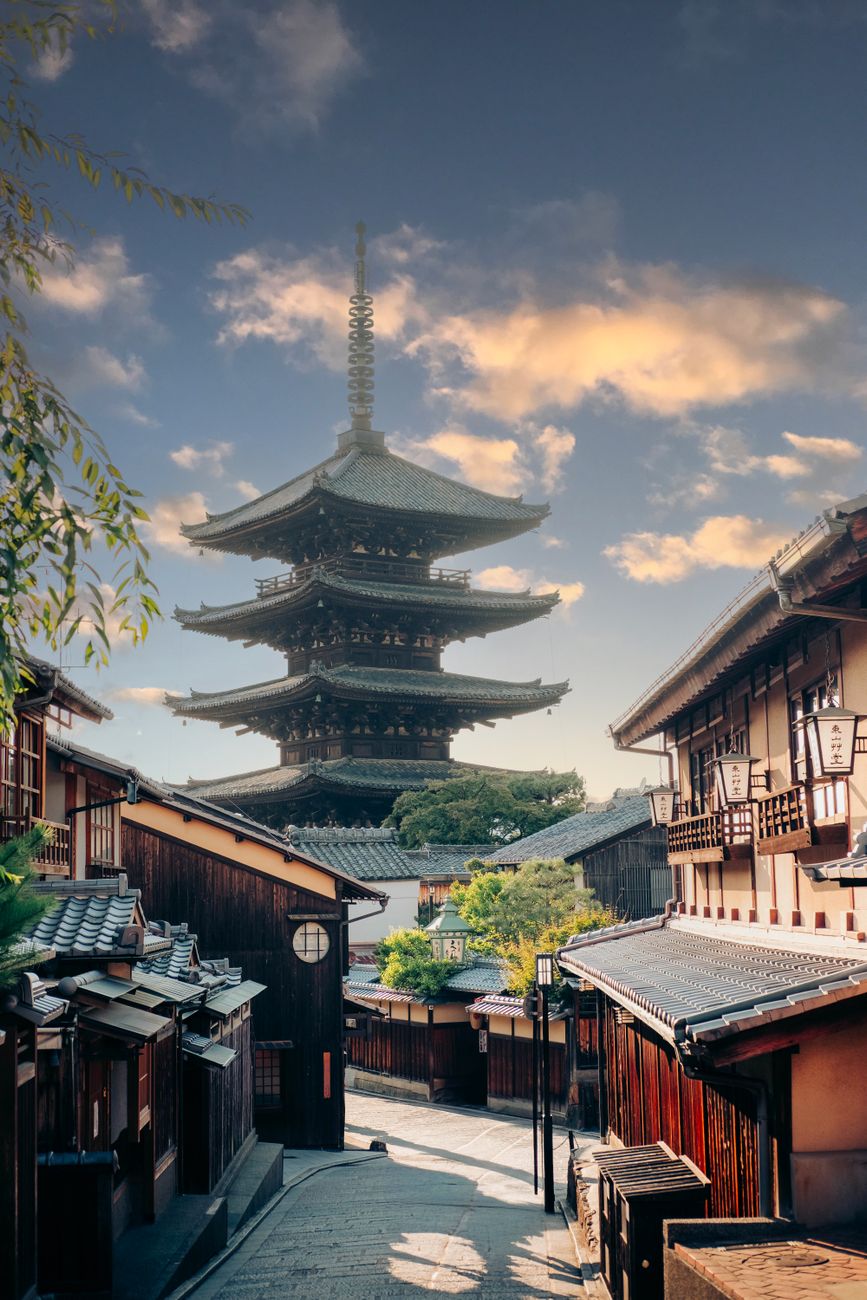
Layers upon layers of belief
Here's what makes Kyoto different from other Japanese cities: it was never erased.
Tokyo was rebuilt after fires and earthquakes. Osaka transformed into a merchant powerhouse. But Kyoto, spared from major natural disasters and largely untouched during World War II, preserved its sacred architecture across centuries. Temples built in the 800s still stand. Shrines founded in the Kamakura period still receive visitors.
In Kyoto, you don't just visit history—you walk through strata of belief, each era leaving its architectural prayer.
And unlike many cities where religion occupies designated zones, Kyoto's spiritual sites are woven into neighborhoods. A jinja (shrine) might sit beside a convenience store. A tera (temple) garden might back onto residential homes. The sacred and everyday exist without clear borders.
Mountains, monks, and multiple schools
Geography matters. Kyoto sits in a basin surrounded by mountains—Higashiyama to the east, Kitayama to the north, Nishiyama to the west. These peaks weren't just scenic backdrops. They were considered spiritually charged, ideal locations for monastic retreat and contemplation.
As Buddhism splintered into different schools—Tendai, Shingon, Pure Land, Zen—each sect established its own temple complexes. Competition for followers, imperial favor, and donations meant more construction. Monasteries grew into small cities themselves, with sub-temples, training halls, libraries, and gardens.
The famous temple districts you know today—Arashiyama, Gion, Higashiyama—emerged from this centuries-long accumulation. Not planned, but layered.
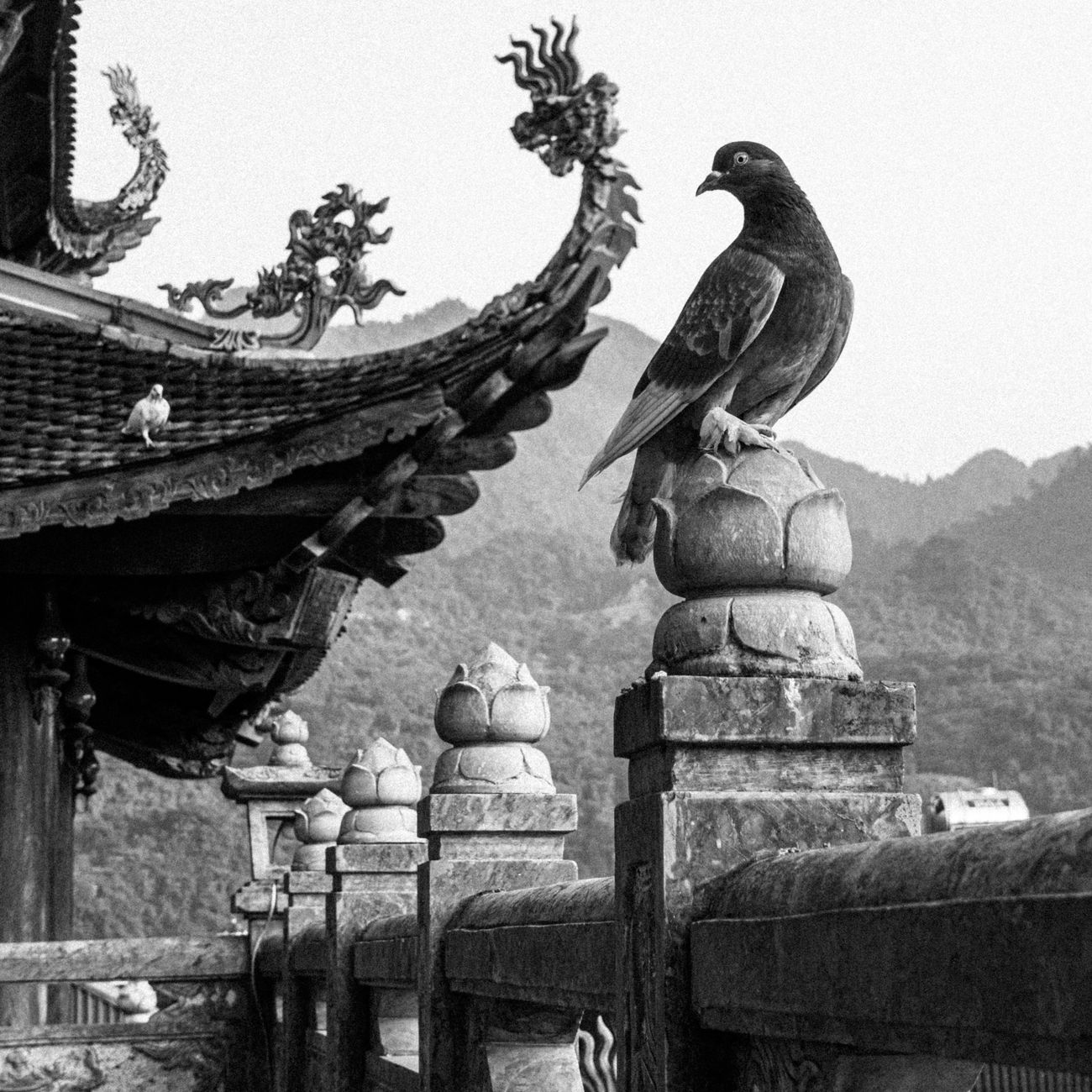
What remains when power leaves
After the imperial court moved to Tokyo in 1868, Kyoto could have withered. Instead, it doubled down on what it had always been: a keeper of traditions.
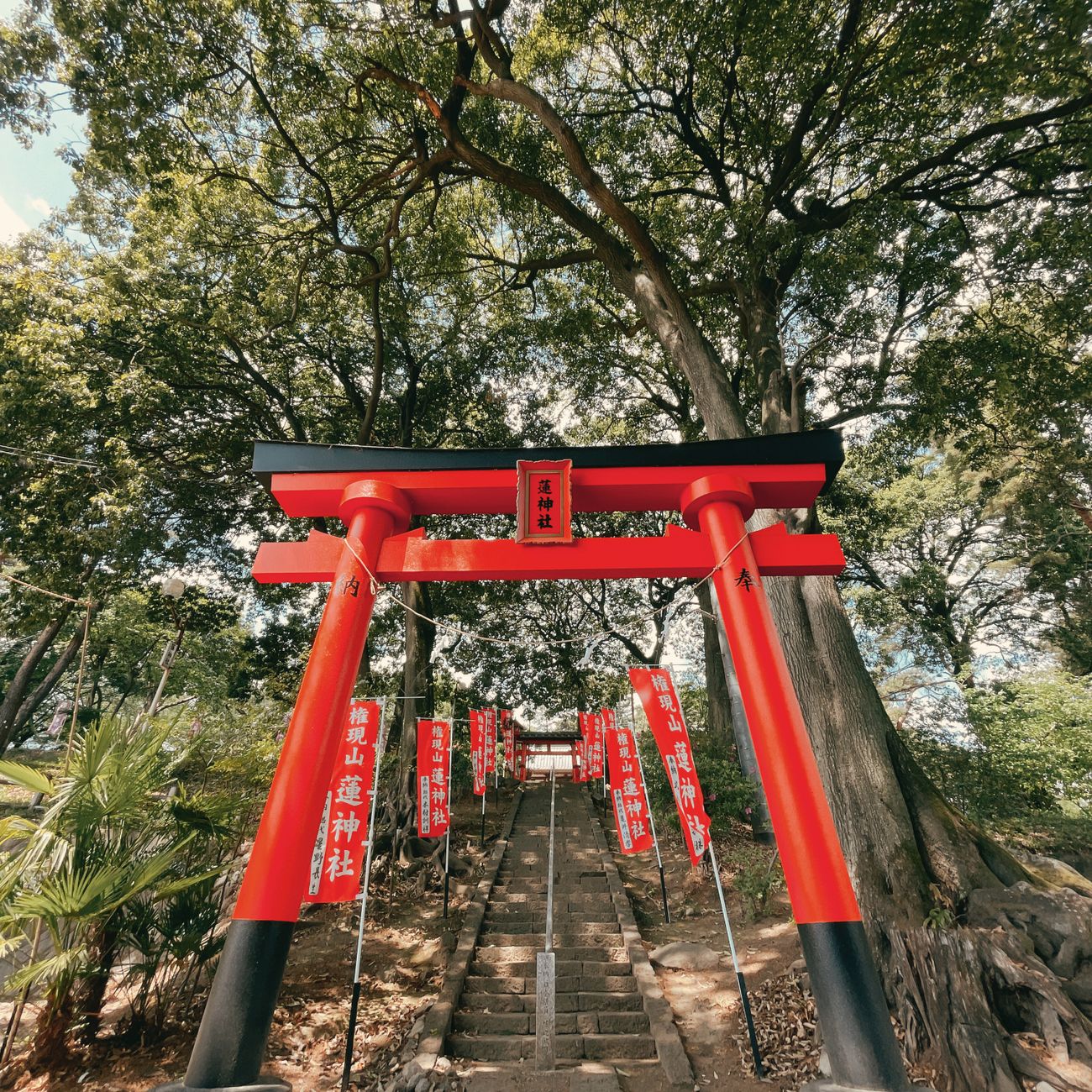
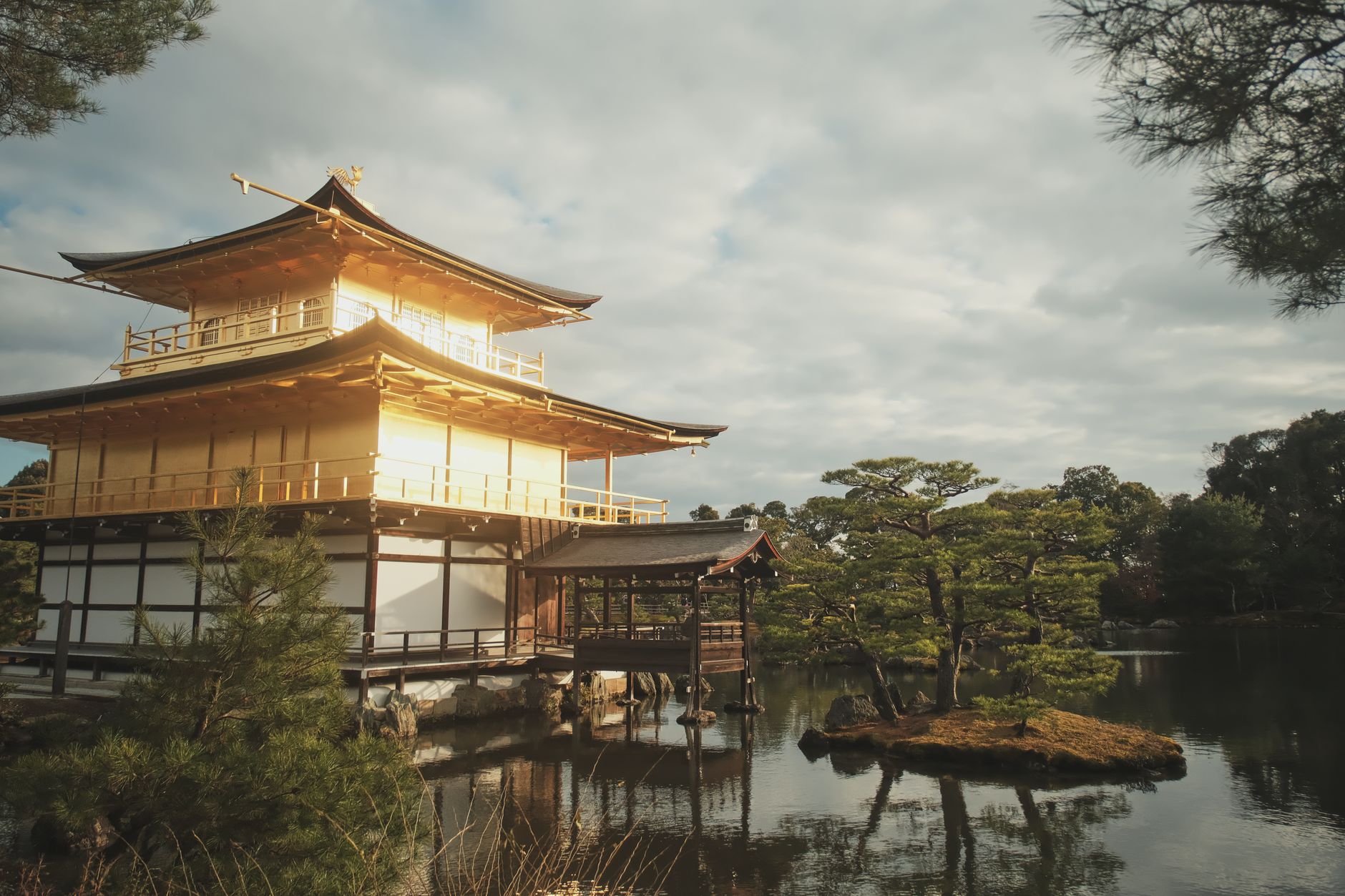
The temples and shrines became cultural anchors. They preserved ritual knowledge, craft techniques, seasonal ceremonies, and aesthetic philosophies that might have vanished elsewhere. Kiyomizu-dera's stage. Fushimi Inari's vermillion torii tunnels. Kinkaku-ji's golden reflection. These weren't just religious sites—they became symbols of continuity itself.
Today, when you stand before a weathered temple gate or watch incense smoke curl through wooden rafters, you're witnessing the result of a thousand years of accumulated devotion, political strategy, artistic ambition, and simple human hope.
The city built itself around prayer, and prayer built the city in return.
FAQ
Chaware curates authentic Japanese crafts — straight from the makers in Japan to your table.
Explore the Chaware collection →