Why Premium Matcha Powder Costs More: From Bowl to Harvest

On this page
You lift the lacquered tea tin, unscrew the lid, and inhale. That electric, grassy brightness—the scent of spring compressed into powder—is your first clue that not all matcha is created equal.
The powder that refuses to compromise
Ceremonial-grade matcha and its cheaper cousins might share a name, but they barely share a lineage. The difference begins in the field, weeks before harvest, when tea farmers drape their plants in shade cloth. This deliberate dimming triggers a survival response: the leaves pump out chlorophyll and L-theanine, chasing every photon. The result is that signature jade hue and a sweetness that doesn't need sugar to prove itself.
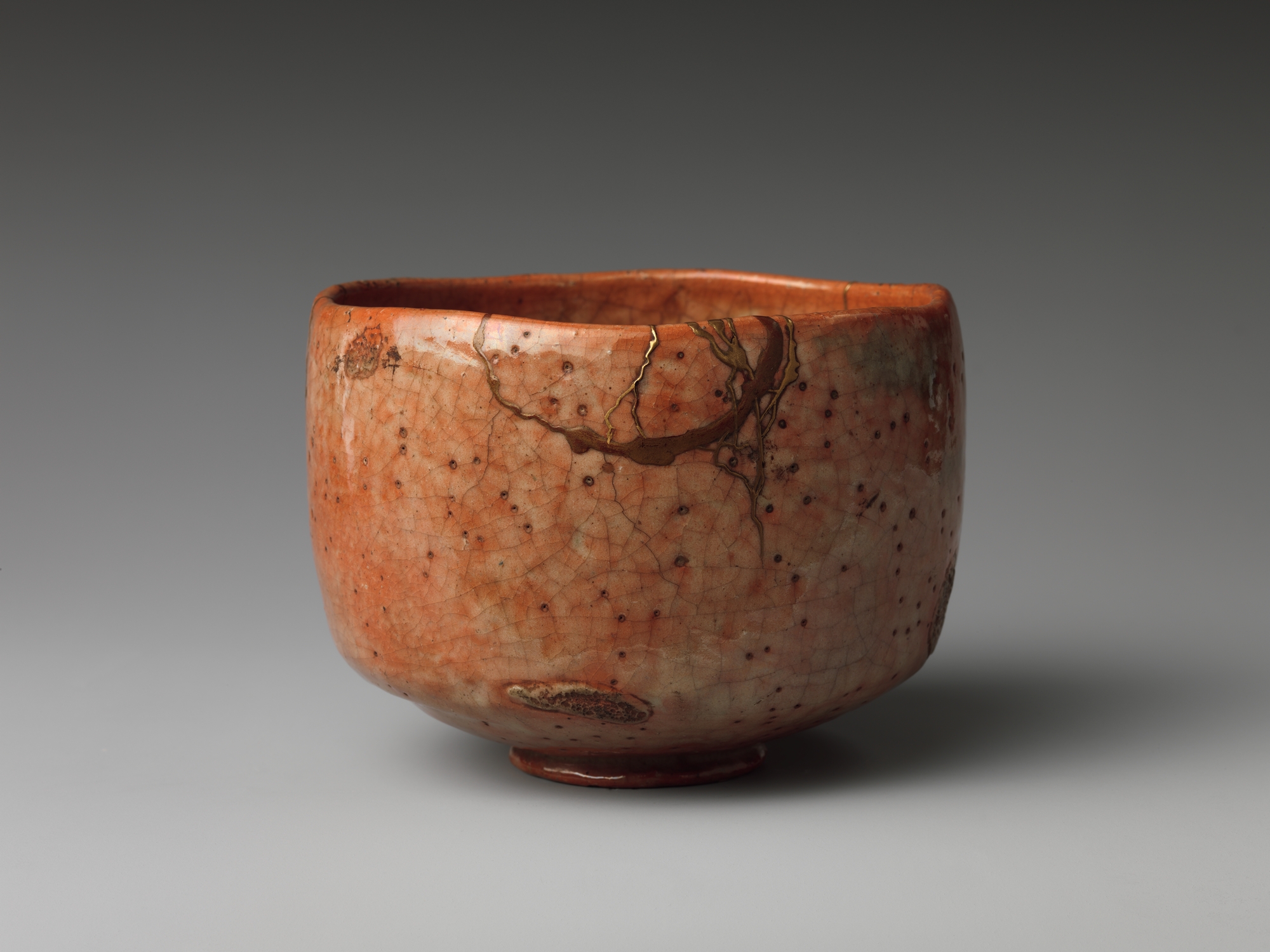
Culinary-grade matcha? Often made from later harvests, older leaves, sometimes stems. It's built for baking, for blending into lattes where milk and sweetener do the heavy lifting. Ceremonial grade is meant to stand alone in a chawan—a matcha bowl—with nothing but hot water and a bamboo whisk for company.

The labor invisible to the eye
What you don't see in that fine powder is the human calculus behind it. Premium matcha comes from the first flush of spring, the shincha, when leaves are most tender. Pickers move through rows by hand, selecting only the youngest top leaves. Machines can't make these judgments.
After steaming to halt oxidation, the leaves are air-dried and de-veined with painstaking care. What remains—pure leaf tissue called tencha—is then stone-ground between granite wheels that rotate at a glacial pace. An hour of grinding yields roughly 30 grams. Friction equals heat equals bitterness, so slow is the only way.
The difference between ceremonial and culinary matcha isn't just quality—it's philosophy.
This is why a 30-gram tin can command what seems like an unreasonable price. You're not buying powder. You're buying slowness, selectivity, and centuries of technique compressed into green dust.
The taste of terroir and timing
In Japan, matcha-producing regions—Uji in Kyoto, parts of Shizuoka, Nishio in Aichi—cultivate reputations the way French villages cultivate wine. Soil composition, microclimate, even the angle of morning sun: all of it writes itself into flavor. Ceremonial matcha from a respected farm tastes of its place.
The flavor itself is a study in contradictions: vegetal but sweet, astringent but smooth, grassy without being harsh. There's an elusive quality the Japanese call umami—that savory depth that lingers on your palate long after you've drained the bowl. Culinary grades rarely achieve this balance. They're one-note: bitter or flat or simply... green.
When you whisk ceremonial matcha properly, it doesn't just dissolve. It suspends, creating a jade emulsion with a delicate froth the texture of sea foam. The experience is both visual and gustatory, a small ceremony even when you're alone at your kitchen counter.

What you're really paying for
Strip away the marketing and here's what inflates the price: radical selectivity at every stage. The shaded weeks. The hand-picked first flush. The meticulous de-veining. The granite mills that refuse to hurry. The farmer's reputation, earned over generations. The fact that corners, once cut, can never be uncut.
Ceremonial matcha costs more because it is more—not in volume, but in attention. It's the difference between something made to be consumed and something made to be considered.
The finest matcha doesn't shout. It whispers, and asks you to lean in close enough to listen.
FAQ
Part of the Chaware Library — practical guides and terms, not just stories. Visit the Library →
Chaware curates authentic Japanese crafts — straight from the makers in Japan to your table.
Explore the Chaware collection →
Keep exploring