Why Matcha Was Once Reserved For Samurai And Monks: The Sacred History Of The Matcha Tea Ceremony Bowl

On this page
The bowl sits in your palms, warm and rough to the touch. For centuries, only warriors preparing for death and monks seeking enlightenment were allowed to drink from it.
Matcha wasn't always an Instagram-worthy latte. It was once a sacrament, a meditation, and a status symbol all swirled into one bitter green powder. The story of why samurai and monks claimed it as their own reveals something unexpected about power, discipline, and the art of paying attention.
The drink that demanded everything
Zen monks brought powdered tea back from China in the 12th century, and it arrived with a reputation. This wasn't casual refreshment. The preparation alone required complete presence—whisking the powder into frothy suspension, controlling the temperature, moving with precision. One distracted moment and the tea clumped, bitter and grainy.
The monks recognized something useful. The caffeine sharpened their minds during long meditation sessions, but the ritual itself was the meditation. Every gesture mattered. Every breath counted.

Why warriors chose ceremony over the sword
Samurai adopted the practice for reasons that seem contradictory at first. Here were men trained for violence, sitting cross-legged in tiny tea rooms, cradling bowls with both hands.
But the chanoyu—the way of tea—taught what the battlefield couldn't. In the tea room, a samurai practiced the same total awareness required in combat, but channeled it toward beauty instead of destruction. The movements were deliberate, economical, exact. There was no room for hesitation or excess.
In the space of a single bowl, a warrior learned to hold life and death with the same steady hands.
The tea ceremony also leveled rank. A powerful daimyo and a lowly foot soldier could meet as equals in the tea room, bound by the same rules of humility and attention. For a few stolen moments, hierarchy dissolved into shared ritual.
The bowl that wouldn't let you rush
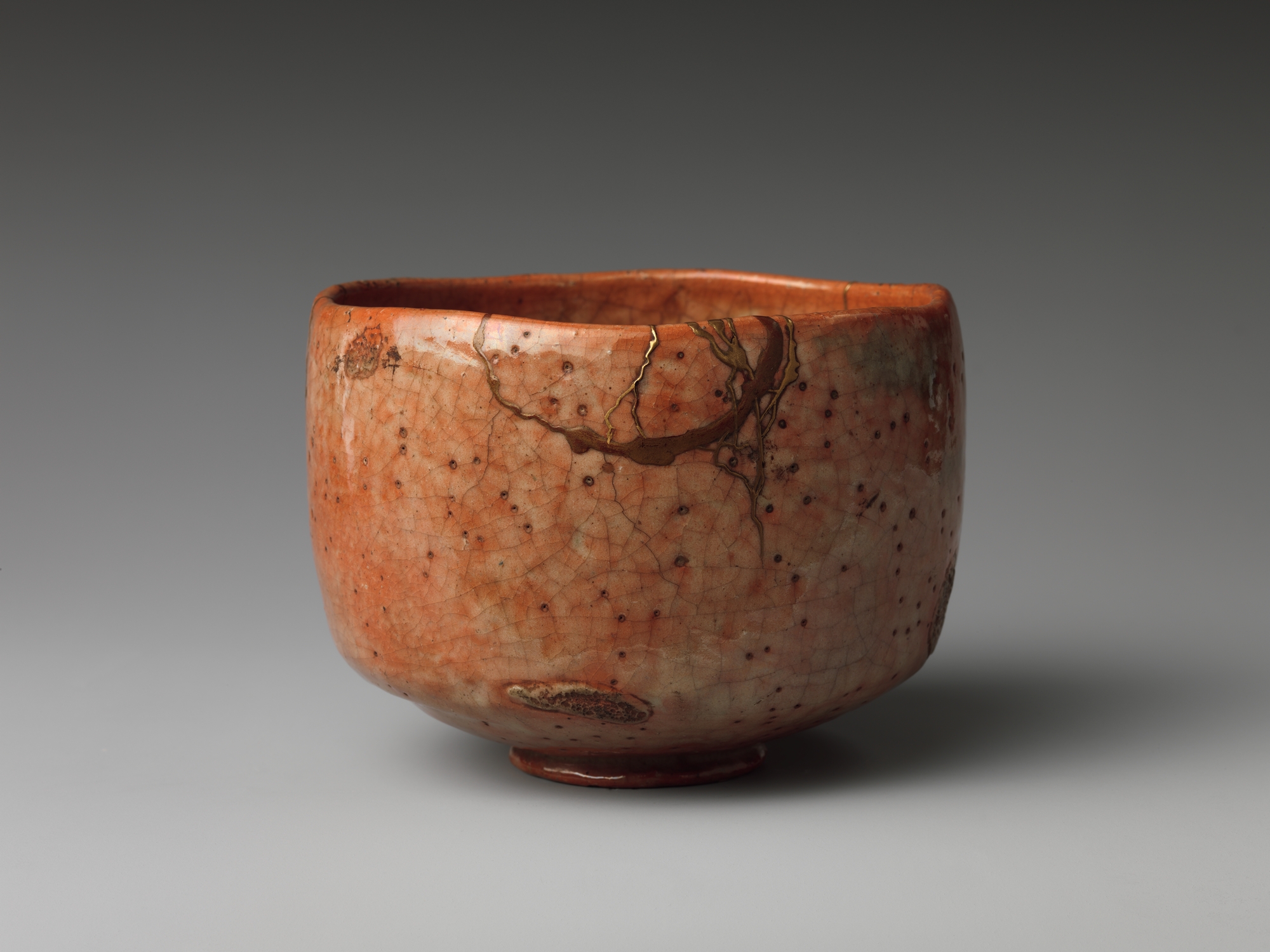
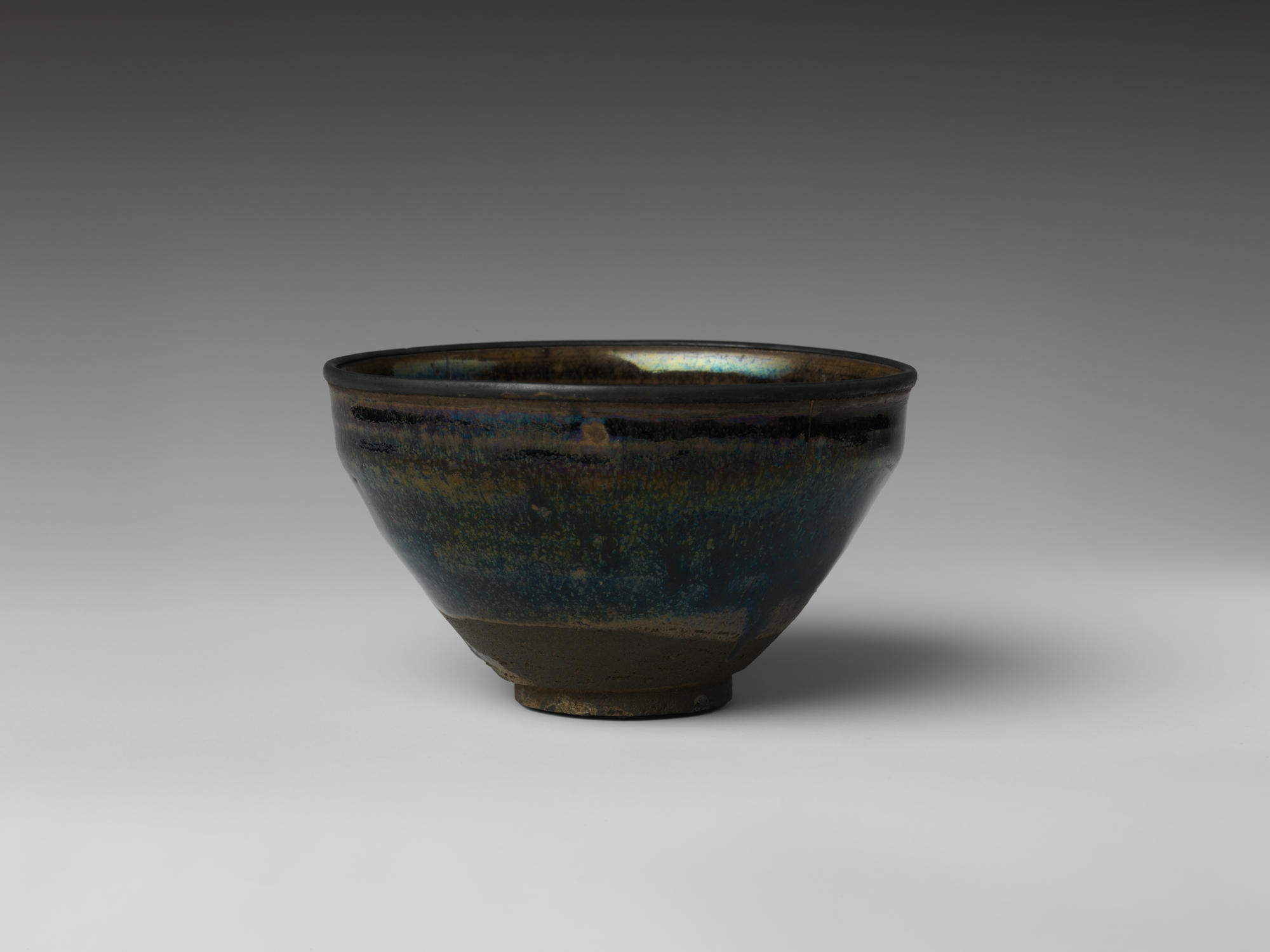
The vessel itself enforced the lesson. Traditional chawan tea bowls have no handle, no convenient grip. You must cradle them with both hands, feeling the heat, the texture of the glaze, the weight of the clay. You can't scroll your phone. You can't multitask.
The best bowls were—and still are—deliberately imperfect. A wobble in the rim. An asymmetry in the shape. A glaze that pools unevenly. These "flaws" force you to notice, to adjust, to stay present with what is rather than what should be.

What exclusivity actually protected
For centuries, matcha remained expensive and rare. The cultivation process was labor-intensive—shading the tea plants for weeks before harvest, hand-picking only the youngest leaves, grinding them slowly between stone mills. A single bowl represented hours of meticulous work.
But the exclusivity wasn't just about cost. It protected the integrity of the practice itself. Making matcha accessible to everyone before the culture around it had taken root would have reduced it to mere consumption. The monks and samurai understood that the tea was never the point.
The ceremony was.
The residue that remains
Today, matcha has escaped its gilded cage. Anyone can buy the powder, whisk it into milk, add honey. The democratization is real and mostly good.
But something lingers in the vessel. Pick up a proper chawan, feel its weight settle into your palms, and you're holding the same paradox those warriors and monks discovered: that true freedom comes from complete attention, and that the smallest gesture—a whisk through water, a bow before drinking—can contain everything that matters.
The bowl remembers, even when we forget.
FAQ
Part of the Chaware Library — practical guides and terms, not just stories. Visit the Library →
Chaware curates authentic Japanese crafts — straight from the makers in Japan to your table.
Explore the Chaware collection →
Keep exploring