What Is Bancha? Japan's Humble Everyday Tea
On this page
You've probably never heard of Japan's most ordinary tea. And that's exactly the point.
The tea no one brags about
Bancha is what's left over. After the first flush of spring leaves becomes precious sencha, after the tender buds are plucked for gyokuro, the tea plant keeps growing. Those larger, coarser leaves that unfurl later in summer and autumn? That's bancha. The word itself hints at lateness — ban can mean "late" or "common," depending on how you read the characters.
It's the tea Japanese families brew by the potful. The one simmering in a kyusu on a grandmother's counter, poured into cups without ceremony. If sencha is Sunday best, bancha is house slippers.
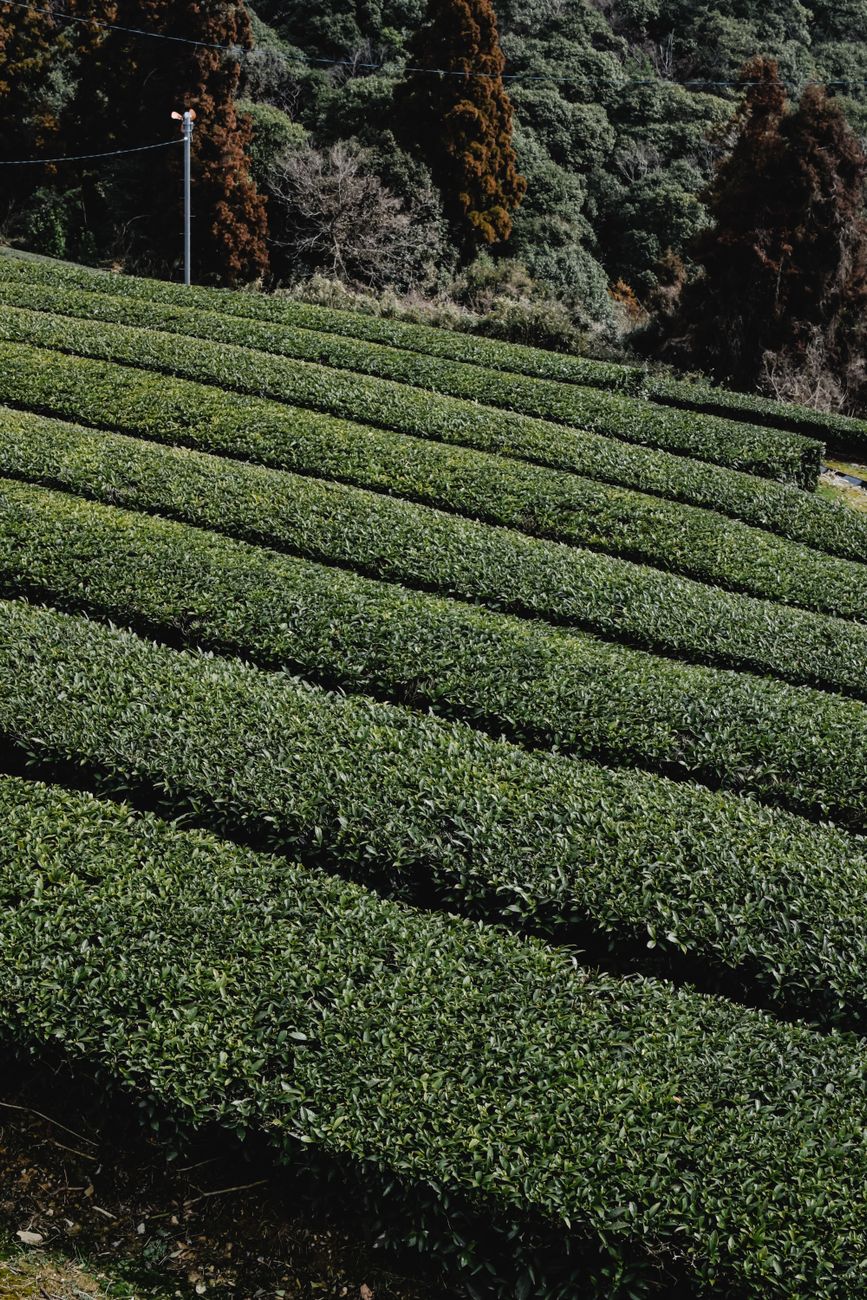
Rough around the edges, on purpose
The leaves are bigger, tougher, darker. They've spent more time on the branch, soaking up sun, developing a different kind of character. The flavor follows suit: earthy, toasty, sometimes faintly smoky. Less of that grassy sweetness you get from premium green teas. More body, less delicacy.
Because of this robust profile, bancha contains less caffeine than its refined cousins. You can drink it late into the evening without consequence. It won't keep you up. It won't demand your full attention. It simply accompanies.
Bancha doesn't ask to be appreciated — it just shows up, every day, without fuss.
Regional personalities
Travel through Japan and you'll find bancha takes on local accents. In Kyoto, Kyo-bancha gets roasted until the leaves turn almost brown, releasing a warm, nutty aroma that fills the narrow machiya townhouses. Fishermen along certain coastlines have historically drunk bancha so dark it borders on hojicha territory — toasted over charcoal until it tastes like campfire and comfort.
Some villages ferment their bancha, turning it sour and funky in a way that startles first-timers. Others press it into blocks. The point is: there's no single bancha. It's a category defined by informality, by what gets made when refinement isn't the goal.
What it teaches you
Here's what drinking bancha reveals about Japanese tea culture: not everything has to be precious. There's beauty in the everyday, in the unpretentious, in what doesn't need explaining. Tea ceremony uses matcha ground from shade-grown tencha. Business meetings serve sencha in good cups. But home — real, unguarded home — runs on bancha.
It's the tea that teaches you to stop performing. To sit at the kitchen table in the afternoon light and pour yourself a cup from a chipped pot. To taste something honest.
The leaves are coarse. The flavor is humble. And somehow, that's exactly what makes it essential.
---
Bancha won't change your life. But it might teach you that not everything needs to.
FAQ
Chaware curates authentic Japanese crafts — straight from the makers in Japan to your table.
Explore the Chaware collection →