What Is Kukicha? Exploring Japan's Delicate Twig Tea Tradition
On this page
You know a tea is special when the Japanese have been drinking the leftovers for centuries — and prefer it that way.
Kukicha isn't made from leaves. It's made from the stems, stalks, and twigs pruned away during the production of sencha and gyokuro. What sounds like scraps is actually something else entirely: a tea with its own delicate sweetness, a creamy body, and almost no bitterness. In Japan, it's not considered inferior. It's considered smart.
The tea that came from thrift
Kukicha began as a farmer's drink. After the finest leaves were set aside for market, what remained — the stems, the ribs, the structural bits — went into the teapot at home. But those who drank it noticed something. The flavor was gentler. Softer on an empty stomach. And because stems contain less caffeine than leaves, you could drink kukicha late into the evening without paying for it at midnight.
Over time, that practicality became a preference. Today, kukicha is valued not despite its humble origin, but because of what that origin delivers: clarity, subtlety, a certain elemental sweetness that doesn't need embellishment.
What you're actually tasting
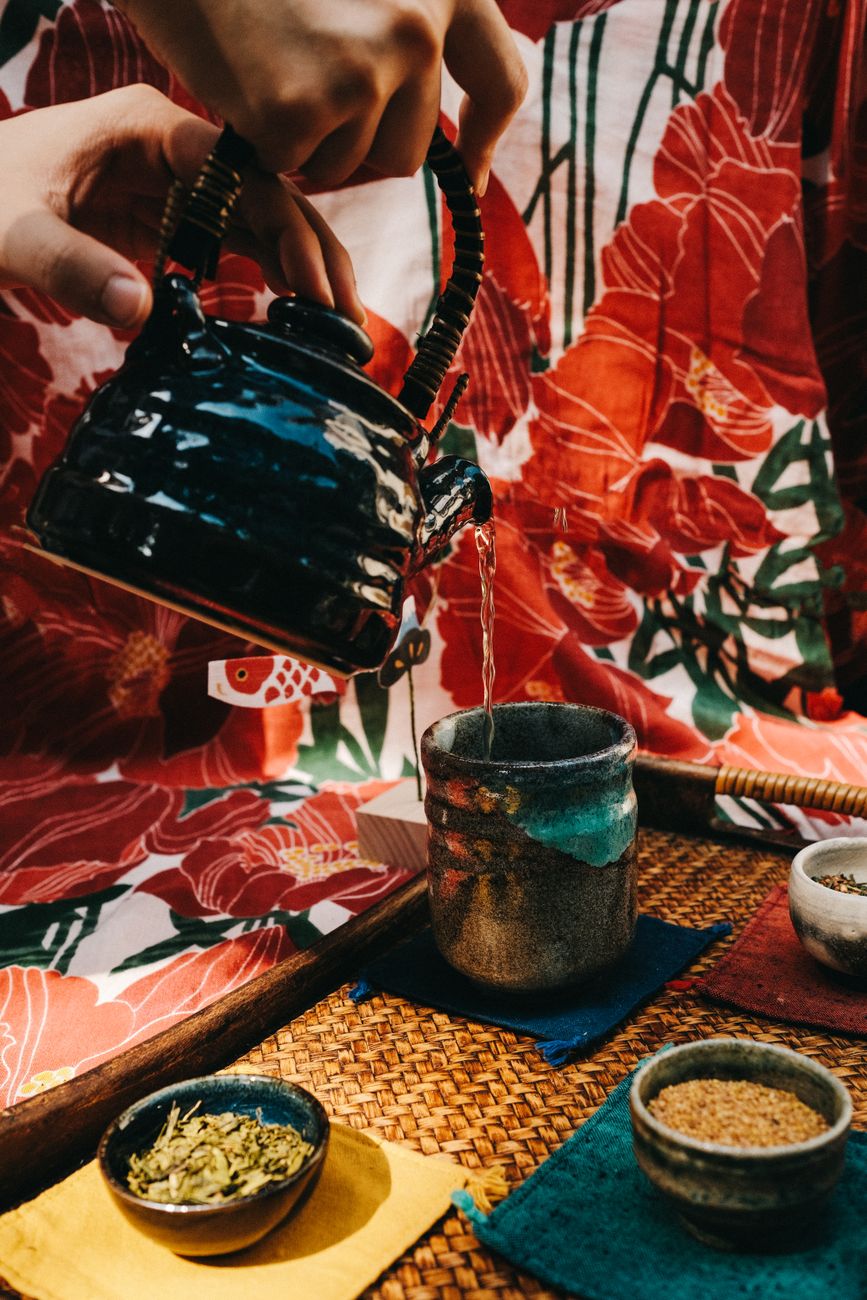
The magic is in the ratio. Kukicha is typically a mix of stems (kuki means "stalk"), with some leaf fragments and occasionally a few tender twigs. The stems are roasted lightly or steamed, then aged. What you end up with is a pale golden liquor, almost celadon in certain light, with a flavor that's nutty, faintly sweet, sometimes compared to roasted chestnuts or warm grain.
There's very little astringency. The mouthfeel is soft, almost creamy — a quality the Japanese describe as umami, though in kukicha it's quieter, less oceanic than in gyokuro.
Kukicha doesn't announce itself; it settles in like an old friend who knows when to stay quiet.
Because of the lower caffeine and tannin content, it's become a go-to for children, the elderly, and anyone seeking something calming rather than bracing. Some people drink it cold in summer. Others brew it strong and let it replace their afternoon coffee.
Brewing without ceremony
You don't need precision to make good kukicha. In fact, it's one of the most forgiving teas in the Japanese repertoire.
- Use water just off the boil — around 80–90°C.
- Steep for 30 seconds to a minute; longer if you want more body.
- The leaves (or rather, twigs) can be steeped multiple times, each infusion revealing something slightly different.
Some families keep a pot of kukicha warm on the stove all day, sipping as they move through the house. It doesn't turn bitter. It doesn't punish you for forgetting it. It just waits.
A different kind of luxury
In a culture that prizes the first flush, the shade-grown, the ceremonial grade, kukicha is a reminder that luxury isn't always about rarity. Sometimes it's about knowing what to keep. The stems were never trash. They were just waiting for someone to pay attention.
And once you do, you realize: this isn't the leftover tea. It's the tea that knows exactly what it is.
FAQ
Chaware curates authentic Japanese crafts — straight from the makers in Japan to your table.
Explore the Chaware collection →