What Is Fukamushicha? Understanding Japan's Deep-Steamed Sencha Tradition
On this page
The water hits the leaves, and within seconds, the cup blooms emerald green—opaque, almost glowing. This isn't your typical sencha.
Steamed Twice as Long, Brewed Twice as Bold
Fukamushicha (深蒸し茶) translates directly to "deep-steamed tea," and the name tells you exactly what sets it apart. While standard sencha receives a brief steam of 30 to 40 seconds during processing, fukamushicha leaves are steamed for 60 to 120 seconds—sometimes longer. The extended heat breaks down the leaf structure more thoroughly, turning what would be needle-like leaves into smaller, more fragmented pieces.
This isn't a defect. It's deliberate.
The longer steaming softens the cellular walls, releasing compounds that would otherwise remain locked inside. When you brew fukamushicha, tiny leaf particles suspend in the water, creating that signature cloudy, jade-green liquor. You're not just drinking an infusion—you're consuming the leaf itself.
The Geography of Deep Steaming
Fukamushicha emerged in the plains of Shizuoka Prefecture, particularly around Makinohara and Kakegawa, where tea bushes grow under intense sunlight. Unlike the shaded, pampered leaves of gyokuro, these plants develop thicker, more robust leaves with stronger tannins and a natural astringency.
The deep steaming was originally a solution to a problem.
Farmers needed a way to soften that boldness, to coax sweetness from leaves that had soaked up hours of direct sun. The extended steam mellowed the bite, broke down the bitterness, and revealed an underlying richness—a full-bodied sweetness with grassy, almost marine notes. What started as regional innovation became a beloved style, now accounting for more than half of all sencha produced in Japan.
Fukamushicha doesn't just taste different—it looks different in the cup, cloudy with the essence of the whole leaf.
What You Actually Taste
Pour fukamushicha beside a standard sencha, and the difference is immediate. The color is deeper, more opaque. The flavor is rounder, less sharp at the edges. There's a creamy, almost buttery quality—umami without the seaweed intensity of gyokuro, sweetness without added sugar.
The mouthfeel matters here. Because you're ingesting fine particles of the leaf, the tea coats your palate differently. It's fuller, richer, with a lingering finish that stays with you. Some describe it as vegetal; others taste fresh grass, steamed edamame, or a hint of ocean breeze.
And it's forgiving. The broken-down leaves release flavor quickly, meaning you can brew fukamushicha at lower temperatures (70–80°C) for shorter times (30–45 seconds) and still extract plenty of character. It's less fussy than delicate senchas that demand precision.

Brewing the Cloudy Cup
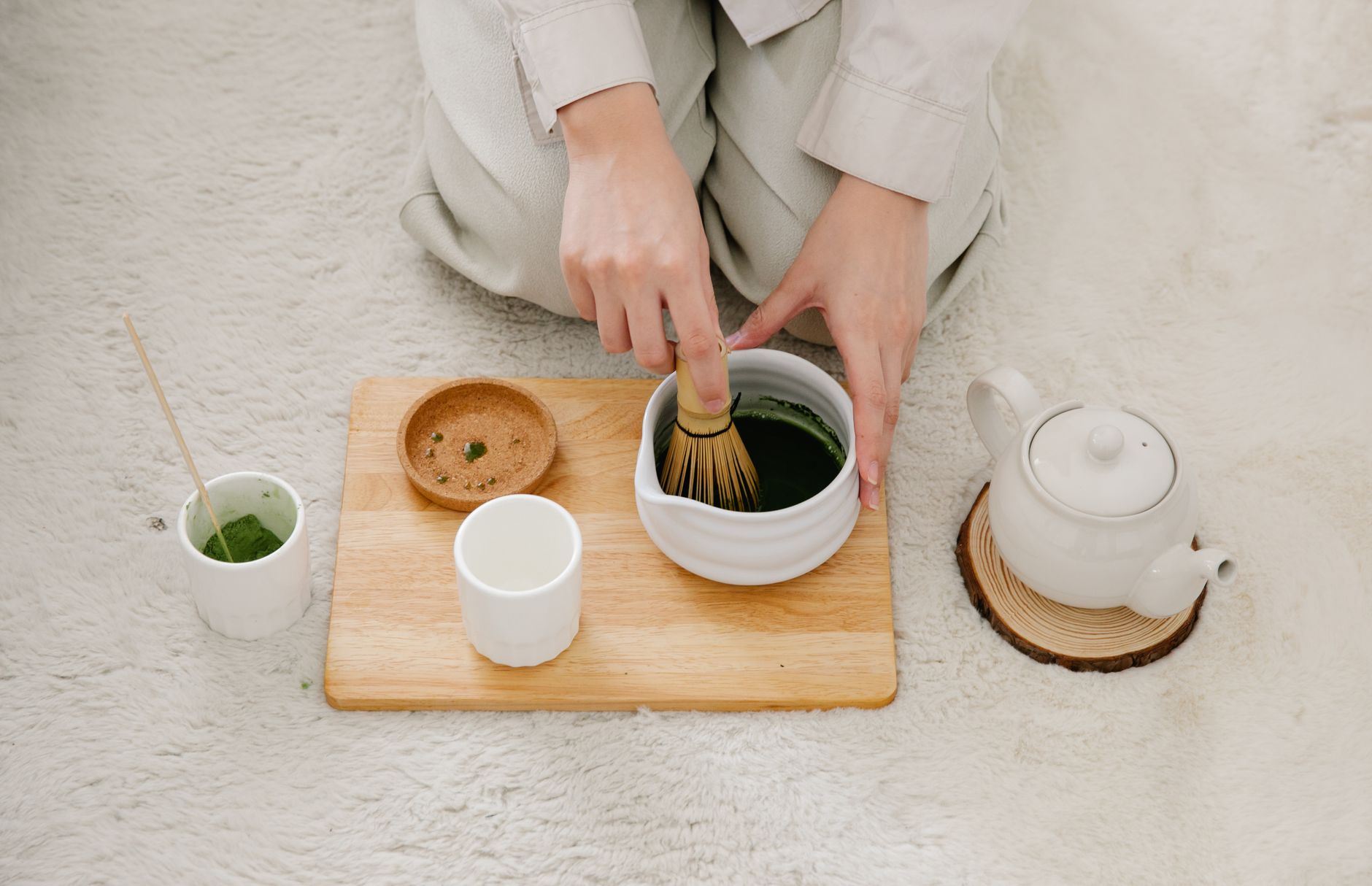
Traditional wisdom says clear tea is good tea, but fukamushicha rewrites that rule. The cloudiness—called nigori—is the point. Use a fine-mesh kyusu teapot or a strainer with smaller holes; some sediment will still pass through, and that's exactly as it should be.
Keep the water cooler than you think. Let the leaves unfurl quickly. Don't overthink it.
The first infusion gives you that signature richness. The second turns lighter, more delicate, revealing green and floral notes. By the third, you're sipping clarity itself—a whisper of what came before.
---
There's something quietly radical about a tea that embraces its own broken leaves, that turns fragmentation into depth. Fukamushicha doesn't ask for perfection. It asks you to drink the whole story.
FAQ
Chaware curates authentic Japanese crafts — straight from the makers in Japan to your table.
Explore the Chaware collection →